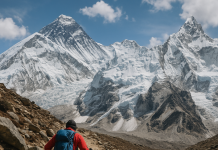
Acclimatization is a crucial aspect of high-altitude trekking in Nepal. It’s the process by which your body adapts to the reduced oxygen levels at higher altitudes, and it’s essential for preventing altitude sickness. Here are some tips on how to acclimatize effectively while trekking in Nepal:
1. Ascend Gradually:
- One of the most effective strategies for acclimatization is to ascend gradually. Choose trekking itineraries that include rest days and gradual altitude gains. This allows your body time to adjust.
2. Stay Hydrated:
- Drink plenty of water. Proper hydration is essential for acclimatization. Dehydration can exacerbate altitude sickness symptoms.
3. Avoid Alcohol and Tobacco:
- Alcohol and tobacco can interfere with your body’s ability to acclimatize. It’s best to avoid them during your trek.
4. Eat Nutritious Meals:
- Good nutrition is essential. Consume a diet rich in carbohydrates, proteins, and healthy fats. These nutrients help provide the energy needed for trekking and acclimatization.
5. Rest and Sleep Well:
- Get adequate rest and sleep. Fatigue can worsen altitude sickness symptoms. Listen to your body and take rest breaks as needed.
6. Climbing High, Sleeping Low:
- Some treks include “climbing high, sleeping low” strategies. This involves hiking to a higher altitude during the day to help your body acclimatize and then descending to sleep at a lower altitude.
7. Be Aware of Symptoms:
- Learn to recognize the symptoms of altitude sickness, including headache, nausea, dizziness, and shortness of breath. If you experience these symptoms, descend immediately.
8. Medication:
- Some trekkers choose to take medications like Diamox (acetazolamide) to help with acclimatization. Consult a healthcare provider before using any medication.
9. Hydration and Nutrition Supplements:
- You may also consider using oral rehydration solutions to maintain electrolyte balance at high altitudes. Discuss this with your guide or healthcare provider.
10. Proper Acclimatization Days:
- Most trekking itineraries include acclimatization days at specific points along the route. It’s essential to stay at these locations for the recommended time to allow your body to adapt to the altitude.
11. Descend if Necessary:
- If you experience severe symptoms of altitude sickness, don’t hesitate to descend to a lower altitude. It’s the most effective way to recover.
Remember that acclimatization is a gradual process and varies from person to person. Not everyone acclimatizes at the same rate. Pay close attention to your body, and if you or any of your trekking companions experience severe altitude sickness symptoms, it’s essential to prioritize safety over reaching the summit or completing the trek.
Following these acclimatization tips will help you enjoy your high-altitude trekking adventure in Nepal while reducing the risk of altitude-related issues. 🏔️🚶♂️💤