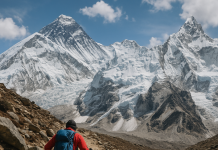
High-altitude trekking in Nepal is an incredible adventure, but it comes with its share of risks due to the thin air and extreme conditions. Understanding and being prepared for these risks is essential for a safe and enjoyable trek. Here are some of the primary risks associated with high-altitude trekking in Nepal:
1. Altitude Sickness (Acute Mountain Sickness – AMS):
- AMS is the most common risk in high-altitude regions. It occurs when the body doesn’t acclimatize properly to the reduced oxygen levels at higher altitudes. Symptoms can include headaches, nausea, dizziness, and fatigue. In severe cases, it can lead to High-Altitude Pulmonary Edema (HAPE) or High-Altitude Cerebral Edema (HACE), which are life-threatening conditions.
2. Dehydration and Exhaustion:
- Trekking at high altitudes can be physically demanding, and dehydration and exhaustion are real risks. It’s crucial to stay hydrated, eat well, and take plenty of rest breaks to avoid fatigue.
3. Extreme Weather Conditions:
- Weather in the Himalayas can change rapidly. Trekkers should be prepared for cold temperatures, snow, rain, and high winds. Hypothermia is a concern if you’re not properly dressed.
4. Falls and Injuries:
- Steep and uneven terrain, along with slippery paths, can lead to accidents. Trekkers need to be cautious and wear appropriate footwear.
5. Avalanches and Landslides:
- Some high-altitude areas are prone to avalanches and landslides, especially in certain seasons. Be aware of local conditions and forecasts.
6. Altitude-Related Illnesses:
- Other altitude-related illnesses, like High-Altitude Retinopathy (HAR) and High-Altitude Dermatitis (HAD), are less common but still possible.
To mitigate these risks, here’s what you can do:
- Acclimatize Properly: Spend time acclimatizing at higher altitudes by ascending gradually and taking rest days.
- Stay Hydrated and Nourished: Drink plenty of water and eat well. Hydration is crucial to preventing AMS.
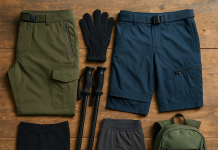
- Be Prepared for Cold: Dress in layers, and have warm clothing, a good quality sleeping bag, and a down jacket.
- Travel with a Guide: A knowledgeable guide can help you navigate the terrain and keep an eye on your health and well-being.
- Travel in a Group: There’s safety in numbers. Traveling with others means you can look out for each other.
- Carry Emergency Equipment: A first-aid kit, a satellite phone, and navigation tools can be lifesavers in case of an emergency.
- Listen to Your Body: If you experience symptoms of altitude sickness, descend immediately. Ignoring symptoms can be dangerous.
While these risks may sound daunting, they are manageable with proper preparation, awareness, and a responsible approach to trekking. Thousands of trekkers explore the Himalayas safely every year, and with the right precautions, you can too.