Packing for a trek in Nepal is a bit like preparing for a grand adventure. You’ll want to be prepared for various weather conditions and terrains while keeping your backpack as light as possible. Here’s a comprehensive list of what to pack for a trek in Nepal:
Clothing:
- Moisture-wicking base layers: Long-sleeve tops and bottoms to regulate body temperature.
- Insulating layers: Fleece jackets or down vests to stay warm.
- Waterproof and windproof jacket: Protects you from rain and cold winds.
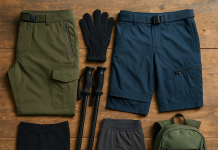
- Trekking pants: Lightweight, quick-drying pants with zip-off legs are versatile.
- Shorts: For lower-altitude trekking and hot days.
- Trekking socks: Several pairs of moisture-wicking, thick socks.
- Warm hat and gloves: For cold evenings and high-altitude treks.
- Buff or neck gaiter: Useful for keeping your neck, face, and ears warm.
Footwear:
- Hiking boots: Sturdy, waterproof boots with good ankle support.
- Camp shoes: Lightweight, comfortable shoes for evenings at the teahouses.
- Gaiters: Optional but helpful for keeping mud and snow out of your boots.
Backpack and Gear:
- Trekking backpack: 40-70 liters, depending on the length of your trek.
- Daypack: A smaller pack for daily essentials.
- Sleeping bag: Suitable for the season and temperature rating of your trek.
- Trekking poles: To reduce strain on your knees during descents.
- Headlamp and spare batteries: Essential for teahouse stays.
- Reusable water bottle: Purification tablets or a filter are handy for refilling.
- Sunglasses: To protect your eyes from the intense mountain sun.
Accessories:
- First-aid kit: Include altitude sickness medicine, blister treatments, and personal medications.
- Toiletries: Toothbrush, toothpaste, hand sanitizer, and biodegradable soap.
- Sunscreen and lip balm: High SPF for the intense mountain sun.
- Towel: Lightweight and quick-drying.
- Trekking permits and identification: Keep them in a waterproof pouch.
- Passport and extra passport photos: For permits and emergency purposes.
- Money: Carry Nepali Rupees and a small amount of USD for emergencies.
Miscellaneous:
- Guidebook and maps: Useful for navigation and planning.
- Journal and pen: To record your adventures and thoughts.
- Electronics: Camera, charger, power bank, and adaptors.
- Trash bags: For packing out your waste to protect the environment.
- Snacks: High-energy snacks like granola bars and nuts.
Remember that it’s essential to keep your pack as light as possible while ensuring you have the necessary items for your specific trek. Teahouses along the trekking routes provide meals and accommodations, so you don’t need to carry camping gear or excessive food. Also, layering is key to adapt to changing weather conditions. Don’t forget to check the specific requirements for your chosen trek and season. And most importantly, pack a sense of adventure – it’s the one thing you can’t leave behind! 🎒🏔️📸