Trekking to Everest Base Camp in July is like joining a secret club—not many make the journey this time of year, but those who do walk into a misty, moody version of the Himalayas that’s as peaceful as it is unpredictable.
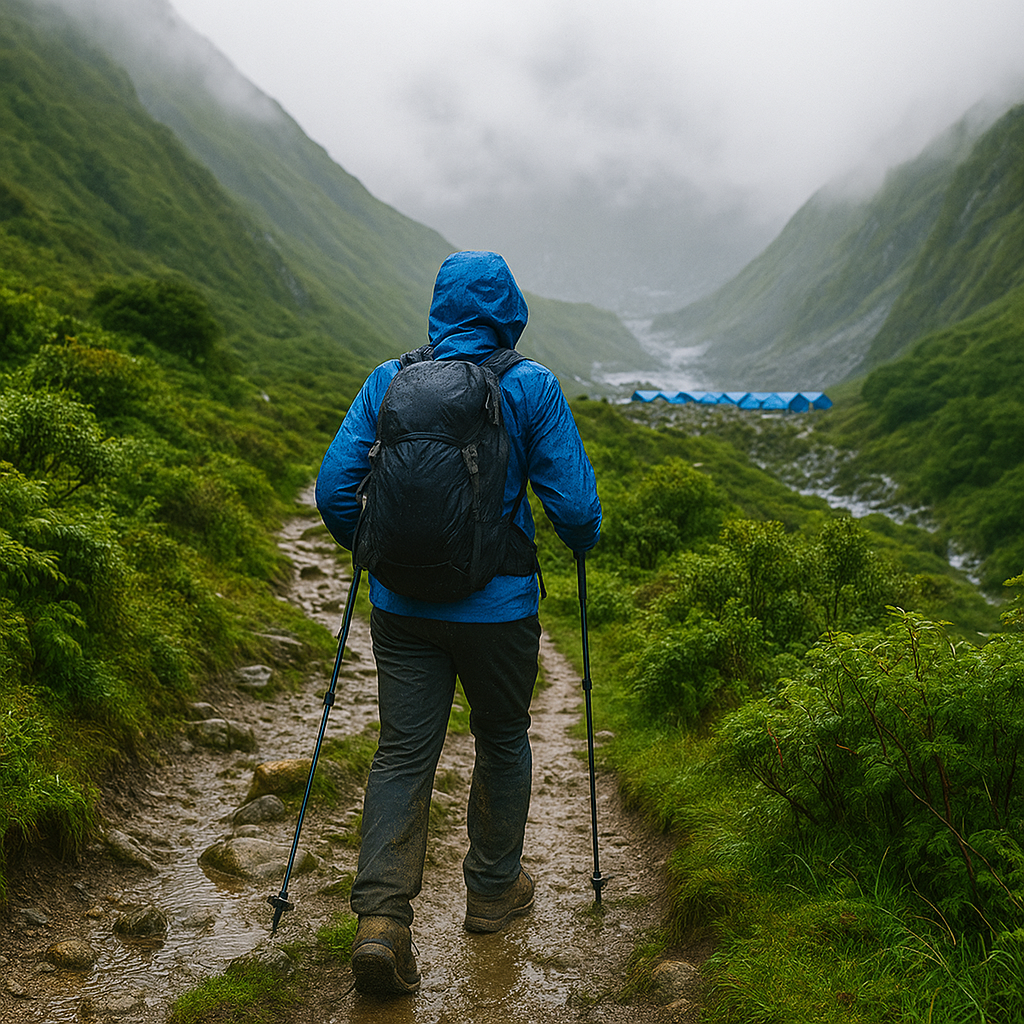
Let’s be clear—July is smack in the middle of Nepal’s monsoon season. That means rain, clouds, leeches, and slippery trails. But also, it means fewer people, deep green valleys, and moments of mountain magic when the clouds lift just enough to reveal a snow-draped peak.
Sound like your kind of adventure? Let’s break down what you can expect.
What Is July Like on the EBC Trail?
-
Low foot traffic: You may trek for hours without seeing another hiker.
-
Lush landscapes: The lower Khumbu is bursting with life—ferns, waterfalls, and greenery.
-
Warm temperatures: You won’t need to bundle up until well above Namche.
-
Unpredictable skies: Cloudy most of the day, with brief, stunning clearings.
-
Flight disruptions: Lukla flights are often delayed or canceled due to poor visibility.
Who is July best for?
-
Trekkers with flexible itineraries
-
People seeking solitude on the trail
-
Photographers interested in misty, moody landscapes
-
Monsoon romantics who don’t mind mud and rain
July Weather on the EBC Trail
| Location | Day Temp (°C) | Night Temp (°C) | Rainfall |
|---|---|---|---|
| Lukla (2,800 m) | 15 to 22 | 10 to 14 | Very High – daily rain likely |
| Namche (3,440 m) | 10 to 18 | 6 to 10 | High humidity, persistent clouds |
| Dingboche (4,410 m) | 7 to 15 | 2 to 6 | Occasional showers |
| Gorak Shep (5,164 m) | -2 to 8 | -6 to -2 | Less rain, but clouds linger |
Rain typically falls in the afternoon and evening, so early morning starts are your best bet for dry trekking and possible views.
Visibility: Will You See Everest?
Sometimes. But not always.
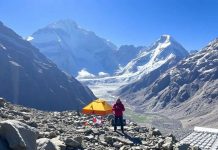
Expect cloudy skies most of the day, especially at lower altitudes. But just when you least expect it, the clouds can part in dramatic fashion, revealing Everest and the surrounding giants bathed in golden light.
Many July trekkers say these fleeting moments feel more emotional and profound than during perfect bluebird days in peak season.
Flight Risks and Road Alternatives
July is one of the worst months for flight reliability into Lukla. Heavy fog, rain, and poor visibility make flight delays or cancellations nearly guaranteed at some point.
Alternative: Jeep to Salleri or Phaplu
-
Duration: 8 to 10 hours by road from Kathmandu
-
Cost: NPR 2,500 to NPR 4,000 (USD 20–35)
-
Trek Time to Namche: 3–4 days from Phaplu
It’s bumpy, slow, and sometimes landslide-prone, but this route gets you walking without waiting on grounded planes.
Trail and Teahouse Conditions
-
Lower trails (Lukla to Namche): Muddy, slippery, and home to leeches—wear gaiters and use salt or repellent.
-
Middle and upper trail: Better underfoot, with fewer leeches, but clouds still dominate.
-
Teahouses: Open but operating at low capacity. Most owners will be happy to welcome you.
Because of the low numbers of trekkers, there’s no issue with room availability. Food options may be more limited, so flexibility is key.
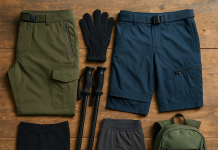
What to Pack for EBC in July
This is monsoon trekking—your gear can make or break the experience.
Essentials:
-
Waterproof jacket and pants (serious protection, not just a poncho)
-
Backpack rain cover or dry bags
-
Water-resistant boots with strong grip
-
Moisture-wicking layers
-
Quick-dry socks and shirts
-
Gaiters to keep out leeches
-
Insect repellent
-
Power bank (less solar charging due to cloud cover)
-
Trekking poles (vital on slippery trails)
Photography in July: Moody and Magical
Forget the postcard blues and bright whites. In July, you get dramatic cloudscapes, shifting light, and mystical green trails. It’s a dream for photographers who love atmosphere over clarity.
Pro tip: Always have your camera ready. The best views often come fast and disappear even faster.
Should You Do It?
Here’s the honest rundown:
Yes, if:
-
You love solitude and don’t mind some rain
-
You have flexible travel plans
-
You’re well-prepared and have good gear
-
You want a different kind of Everest experience
Skip it if:
-
You hate wet boots and cloudy views
-
You’re on a tight schedule
-
You’re trekking for the first time and need ideal conditions
Alternate Treks for July
If EBC feels too wet, you might prefer:
-
Upper Mustang: In the Himalayan rain shadow, stays mostly dry
-
Nar Phu Valley: Remote, restricted, and less affected by monsoon
-
Kalinchowk or Lower Dolpo: Limited rain and great for experienced trekkers
Final Thoughts from TrekHeaven
Trekking to Everest Base Camp in July is not for the faint of heart, but it’s not without its rewards. The quiet trails, dramatic light, and deeply personal experience can turn your monsoon trek into a story worth telling.
Just come prepared—with gear, patience, and an open mind.
Because sometimes, the most memorable journeys aren’t the driest ones—they’re the wildest.
Let us know if you’re planning an off-season trek. We’ll help you prep smart, walk safe, and maybe even enjoy the rain.