If you’ve ever dreamed of standing quietly in a mountain amphitheater surrounded by 7,000- and 8,000-meter peaks—all without a crowd of selfie sticks—January might just be your month.
While many consider it too cold, the Annapurna Base Camp (ABC) Trek in January is actually one of Nepal’s most underrated winter experiences. It’s a journey of contrasts: icy mornings and sunlit afternoons, frozen waterfalls and steaming hot springs, quiet trails and dramatic Himalayan views.
Let’s take a closer look at what trekking to ABC in January really feels like—and why it may just be worth the layers.
What’s It Like to Trek ABC in January?
In one word? Peaceful.
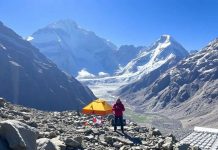
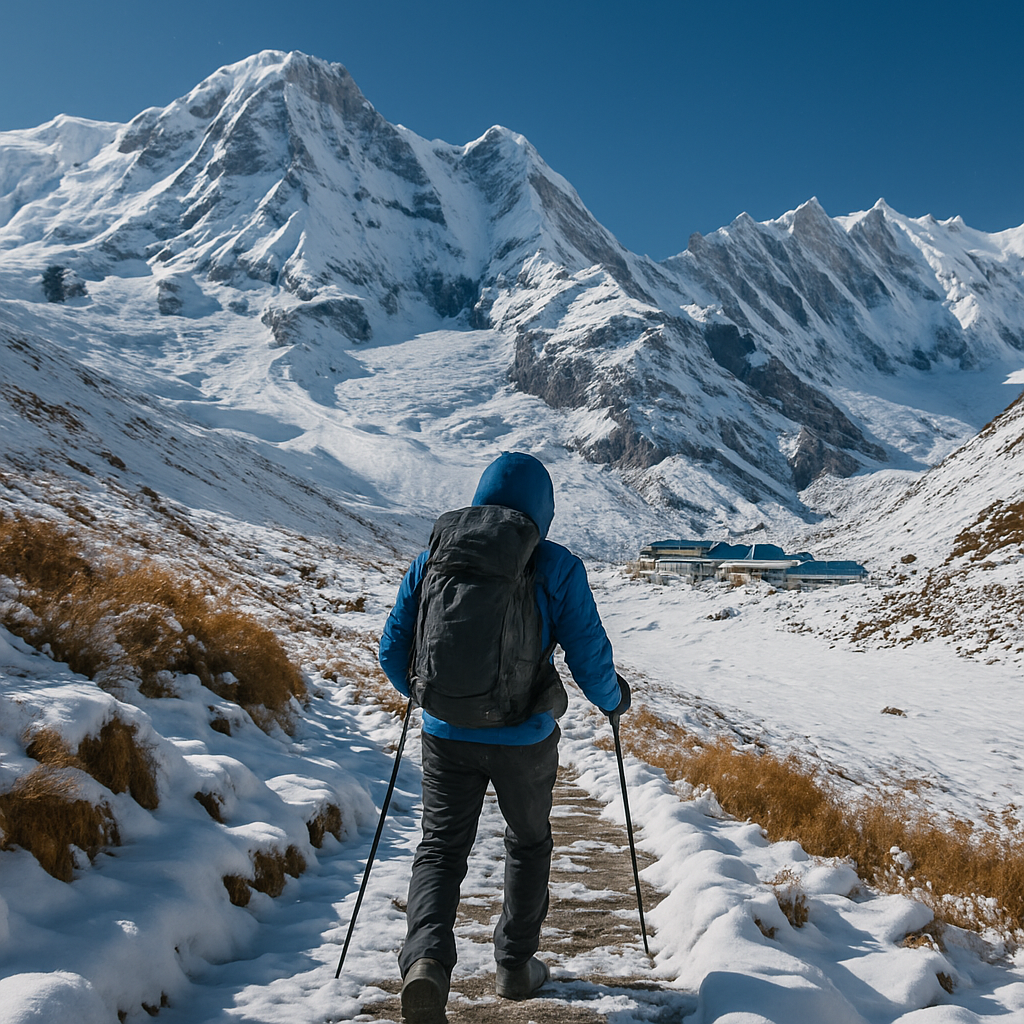
The tourist crowd thins out drastically after the New Year, leaving the Annapurna Sanctuary nearly to yourself. The air is cold but incredibly crisp. Days are mostly sunny and skies are often deep blue, offering jaw-dropping views of Machapuchare (Fishtail), Hiunchuli, Annapurna South, and Annapurna I without the usual haze or heat fatigue.
Expect:
-
Cold mornings and nights (below freezing at higher altitudes)
-
Minimal snowfall in the lower sections (unless there’s a storm)
-
Snow-covered trails from Deurali to base camp (especially mid-January onwards)
-
Empty teahouses and fewer trekkers
-
Shorter daylight hours (trek by 3 PM to avoid dark and cold)
Weather in January on the ABC Trail
| Location | Day | Night | Notes |
|---|---|---|---|
| Pokhara (820 m) | 12–18°C | 4–8°C | Pleasant and sunny |
| Ghandruk (2,000 m) | 5–12°C | 0 to -3°C | Mostly dry |
| Deurali (3,200 m) | 0–5°C | -6 to -10°C | Mornings can be icy |
| ABC (4,130 m) | -5 to 2°C | -10 to -15°C | Wind chill can make it feel colder |
Snow is possible after Deurali, especially in the second half of January. Trail maintenance crews do monitor and manage snow conditions, but closures can happen in case of avalanches or blizzards.
Trail Conditions and Avalanche Awareness
The stretch from Deurali to ABC is an avalanche-prone zone, particularly near Hinku Cave and Machapuchare Base Camp (MBC).
Stay Safe:
-
Check local updates from ACAP or your trekking agency before entering the final stretch.
-
If there’s heavy snowfall, wait it out at MBC or return to Deurali.
-
Always trek with a guide in January if you’re unsure about the trail or weather patterns.
Flight and Road Access: Getting There
Unlike Everest treks, you don’t need a mountain flight to start the ABC trek.
Route:
-
Fly or drive to Pokhara (flights are frequent and reliable even in winter)
-
From Pokhara, take a jeep or local bus to Nayapul, Ghandruk, or Jhinu Danda, depending on your chosen trailhead
Winter Tip:
Start early in the morning. Roads from Pokhara can get misty and slippery before 10 AM in January.
Crowd Levels and Accommodation
You may go entire days without meeting another trekker.
-
Lodges are open, especially at the lower elevations
-
Fewer guests mean more personalized attention and better food
-
Hot showers might be limited or frozen above 3,000 meters
Reservations aren’t needed, but carry some cash as not all lodges will have mobile payment options or reliable signal.
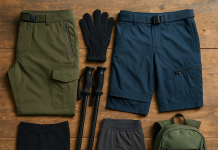
Gear Checklist for ABC in January
Essentials:
-
4-season sleeping bag (rated -15°C)
-
Down jacket (heavy fill)
-
Waterproof and windproof outer layers
-
Thermal base layers (2–3 sets)
-
Warm gloves, socks, hat, and neck gaiter
-
Snow gaiters and crampons (for icy patches)
-
Trekking poles
-
Sunglasses (snow glare is real!)
-
Hand warmers and power bank (limited charging)
Is January a Good Time for Beginners?
Yes—if you’re mentally and physically prepared.
The trail itself isn’t technically difficult, but the cold and snow can turn simple sections into slippery or tiring ones.
-
Acclimatization isn’t as much of a concern as in the Everest region, but take your time and hydrate well
-
Stick to a 7–9 day itinerary to avoid rushing
Pros and Cons of ABC Trek in January
Pros:
-
Empty trails and peaceful trekking
-
Crystal-clear mountain views
-
Discounted lodging and fewer booking hassles
-
Incredible photography conditions
-
Chance to soak in Jhinu Danda hot springs under a chilly sky
Cons:
-
Cold nights and early sunsets
-
Limited daylight for hiking
-
Potential snow or avalanche delays
-
Fewer trekkers for camaraderie (if you like social hikes)
Cost Breakdown (Approximate)
-
Permits (ACAP + TIMS): NPR 3,000–4,000
-
Guide: $25–30/day
-
Porter: $20–25/day
-
Accommodation: NPR 500–800/night (cheaper than peak season)
-
Meals: ~NPR 2,500/day
-
Transport (Pokhara + trailhead): $10–$30 depending on method
Final Thoughts: Should You Trek to ABC in January?
If you’re seeking a slower, more meditative trekking experience in Nepal, away from the selfie crowds of October and the rhododendron rush of spring, January is your window.
With proper gear and a flexible mindset, trekking to Annapurna Base Camp in winter can be a life-affirming journey—quiet, challenging, and absolutely breathtaking.
Ready to freeze your soul in all the right ways?
Let TrekHeaven help you plan a winter trek to ABC. From cold-proof packing lists to cozy lodge recommendations, we’ve got your icy back.