How to Choose the Right Trekking Agency in Nepal (Without Getting Burned)
If you’ve got Everest dreams or Annapurna aspirations, choosing the right trekking agency in Nepal is as important as your hiking boots. And we’re not just saying that for dramatic effect — the agency you pick can either make your trip epic… or epically frustrating.
Whether you’re planning to go solo with a guide or looking to join a group trek, here’s how to find the right people to walk with.
1. Reputation is Everything (Seriously)
Before you commit to an agency, do your homework.
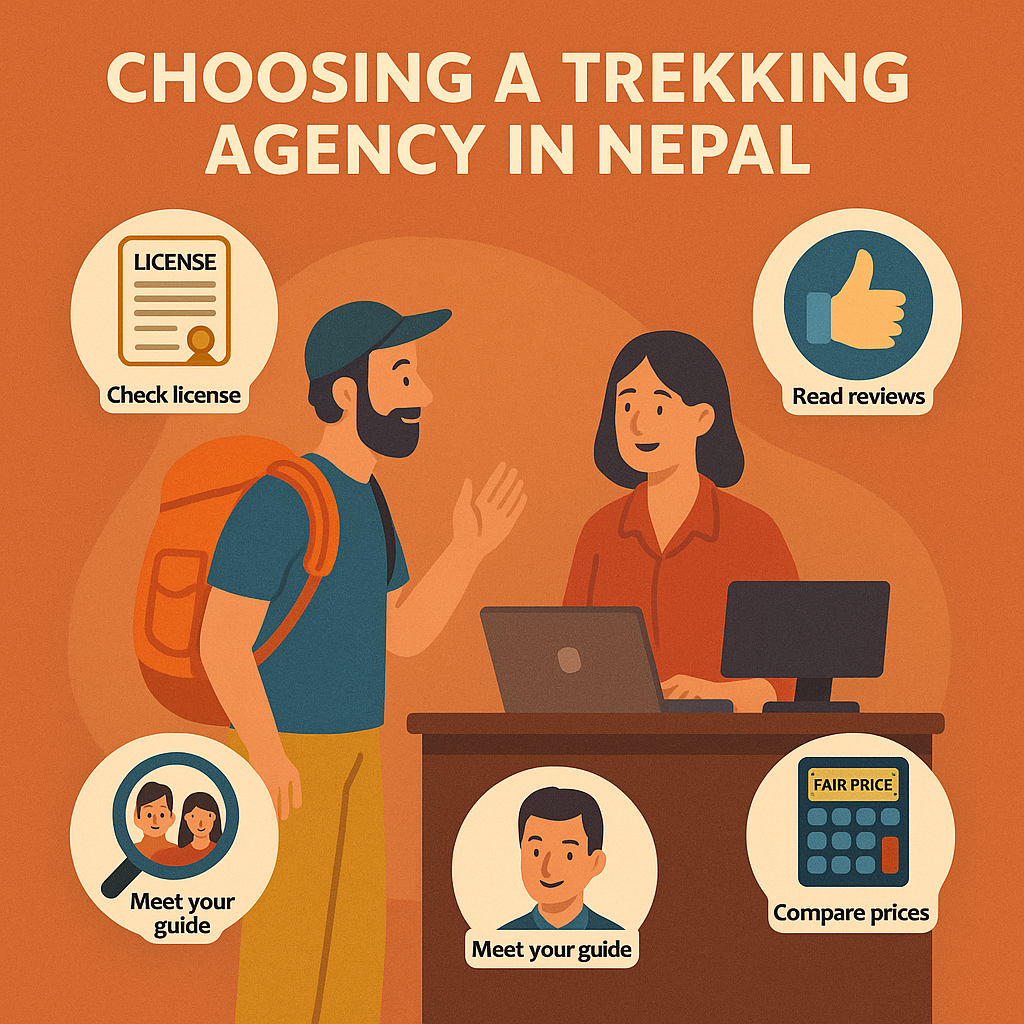
Check platforms like TripAdvisor, Google Reviews, or TrekHeaven’s Facebook Group to hear what real trekkers are saying.
Better yet, ask fellow hikers you meet on the trail or online. Word of mouth > glossy marketing.
2. Make Sure They’re Legit
If the agency isn’t registered with:
-
Nepal Tourism Board (NTB)
-
Trekking Agencies’ Association of Nepal (TAAN)
…walk away. These certifications mean they’re operating within the legal framework and are accountable for safety and ethics.
3. Experience > Hype
Go for agencies that have been doing this for years.
They’ve seen snowstorms, altitude sickness, route changes, and tea house drama—and know how to handle it all without panic. More importantly, they’ll have trained, well-versed guides and solid backup plans.
4. Local is Always Better
Local agencies not only know the land—they live it.
That means better cultural insight, smarter logistics, and often, more ethical treatment of guides and porters. Support the locals while getting a richer experience. Win-win.
5. Are the Guides Licensed?
Always, always make sure your guide is government-licensed.
These guides have completed proper training in:
-
First Aid
-
High-altitude awareness
-
Navigation and mountain safety
-
Cultural sensitivity
If your “guide” can’t tell you how to spot AMS (acute mountain sickness)… keep walking.
6. Safety First, Always
Ask them straight-up:
-
Do you carry medical kits?
-
What’s your emergency protocol?
-
Do you assist with helicopter evacuation if needed?
If their answers are vague or sketchy, that’s a red flag.
7. Group Size & Vibe Matter
Do you prefer the company of a tight-knit crew or don’t mind a mixed bag of 15 strangers?
Some agencies run intimate treks; others cater to large groups. Pick what suits your vibe.
Bonus: Ask if they offer custom itineraries. Flexibility is golden in the Himalayas, especially if weather (or your knees) change the plan.
8. Transparent Pricing = No Nasty Surprises
If it sounds too cheap, it probably is.
Request a full breakdown of what’s included:
✅ Permits
✅ Transport
✅ Lodging
✅ Meals
✅ Guide/Porter pay
…and ask what’s not included. Things like Wi-Fi, hot showers, or tips might cost extra.
9. Communication Is Key
How fast do they reply to your questions? Are they helpful, honest, and friendly?
You’re going to rely on these people for days—or weeks. Good communication builds trust before you even hit the trail.
10. Eco-Friendly = Future-Friendly
Nepal’s trails are breathtaking… and fragile.
Support agencies that walk the talk with eco-conscious policies:
♻️ Pack-in/pack-out waste
💧 Water purification over plastic bottles
🌱 Respect for wildlife and local customs
11. Read the Fine Print
Before any money changes hands, review the contract:
-
Cancellation policy?
-
Refund terms?
-
COVID/travel disruption clauses?
You don’t need a law degree—just make sure it’s clear and fair.
12. Bonus Tip: Drop by Their Office
If you’re in Kathmandu before your trek, swing by their office.
Meeting the team face-to-face builds trust, gives you peace of mind, and you might even score some insider tips before hitting the trail.
Final Thoughts: Trust, Safety & Stoke
There are hundreds of agencies in Nepal—and yes, that can feel overwhelming. But if you keep these tips in your back pocket, you’ll find one that matches your trekking style and supports a safe, ethical, and unforgettable experience.
At the end of the day, your journey to Everest Base Camp, Langtang, Nar Phu, or wherever your boots take you, should be about joy and connection—not logistics headaches.