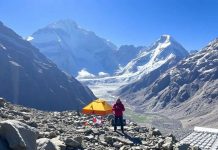
You’re dreaming of Everest Base Camp. The soaring peaks. The prayer flags fluttering at high altitudes. The sense of triumph standing in the shadow of the world’s tallest mountain. But—there’s a catch. You’re short on time.
So you wonder: Can I trek up to EBC and take a helicopter back? Is that cheating? Will I be missing out?
Let’s unpack the experience, the logistics, and the opinions surrounding this increasingly popular hybrid itinerary.
🏔️ The Classic EBC Trek vs. the Helicopter Return
Traditionally, the Everest Base Camp trek is a 12–14 day round-trip journey starting and ending in Lukla. Most itineraries include 8 days up and 3–4 days down.
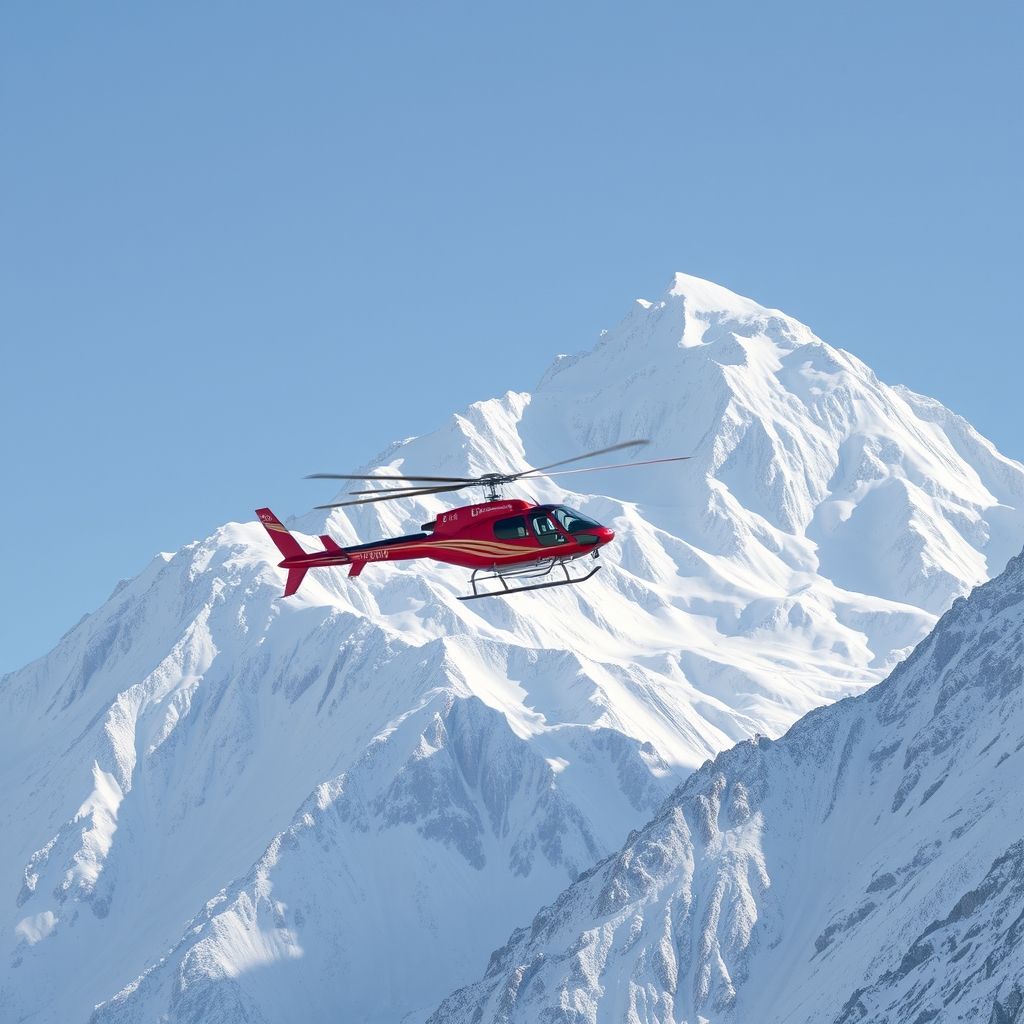
But for trekkers short on time—or knees—taking a helicopter back from EBC, Kala Patthar, or Gorak Shep is an appealing alternative. Instead of walking the same trail in reverse, you fly above the mountains in 30–40 minutes, returning to Kathmandu or Lukla the same day.
✈️ Is It Cheating?
Let’s get this out of the way: There is no right or wrong way to trek.
Some purists argue that anything short of walking in and walking out “spoils the sanctity” of the EBC experience. Others say the whole point of trekking is immersion—slow travel, cultural interaction, personal challenge, and respect for the mountain environment.
But here’s a more grounded take:
If you’re putting in 8+ days to reach Everest Base Camp on foot—you’ve trekked it. Period.
You’ve dealt with altitude, tired legs, cold tea house mornings, and yak traffic jams. Whether you fly back because you’re on a tight schedule, injured, or just want a different perspective—that doesn’t take away from your effort.
💡 Why People Choose the Helicopter Return
1. Time Constraints
You have 9 or 10 days total. The heli return allows:
-
Day 1: Arrive Kathmandu
-
Day 2: Fly to Lukla, begin trek
-
Day 3–9: Trek to EBC
-
Day 10: Helicopter back to Kathmandu
2. Physical Exhaustion or Injury
Descending 4,000 feet in 2 days sounds easier than it is—especially with aching knees or altitude fatigue. The return hike is often steeper and less varied.
3. Unique Perspective
Flying above Everest’s glaciers and valleys is an incredible (albeit pricey) experience.
4. Safety and Logistics
In case of emergencies or illness, helicopters are vital. But even if you’re healthy, flying back avoids delays caused by bad weather or Lukla airport backups.
💵 Cost Breakdown
The heli return is not cheap—but more affordable when shared with other trekkers.
| Option | Cost (USD) |
|---|---|
| Private Helicopter (EBC–KTM) | $4,000–$5,000 |
| Shared Seat (EBC–KTM) | $1,000–$1,200 |
| EBC to Lukla only | $500–$800 per seat |
| EBC to Namche Bazaar | $300–$500 |
Prices vary based on season, demand, and weather conditions. Sharing with 4–5 people brings costs down significantly.
💡 Tip: If you’re trekking solo or in a small group, ask lodges at Gorak Shep or use local operators in Kathmandu to find others for a shared chopper.
🧭 Logistics & Tips
-
Altitude: Most heli pickups are from Gorak Shep or Kala Patthar, not EBC proper. Landing at EBC is restricted due to glacier instability.
-
Weather Risks: Even helicopters get grounded. Don’t plan a same-day international flight.
-
Baggage Limit: Limited to 10–15 kg per person. Porters usually descend on foot, so pack essentials.
-
Environmental Impact: Helicopters burn fuel and contribute to noise pollution. Use responsibly, not casually.
-
Local Economy: Walking down supports more tea houses and porters. Flying out reduces that impact.
🌍 The Ethical Debate: What You Might Miss
It’s true: the return journey lets you absorb more of what you missed on the way up. You’re not as out of breath and can engage more with villages, customs, and the subtle beauty of the lower Khumbu.
Some seasoned trekkers view the helicopter return as missing the “soul” of the trek—the meditative descent, the tea house chats, the growing appreciation of altitude as you leave it behind.
But if the choice is:
❌ Not doing the trek at all
✅ Doing the trek with a helicopter return
… then the second wins every time.
❤️ Final Thoughts: Your Trek, Your Rules
The mountains don’t judge.
You could walk the full Jiri-to-EBC trail and still have a humbling, transformative experience. Or you could take a helicopter out and still carry the same sense of awe. Just remember: what matters is how it makes you feel, not how many kilometers your GPS logs.
If a helicopter return helps you experience the Himalayas—do it.
Just do it mindfully, respectfully, and with gratitude.
Got limited time but big dreams? The hybrid EBC trek with a helicopter return is a smart solution, not a shortcut. And if it’s your only shot to see Everest this decade, make it count—your way.