Yes, you can camp during your trek in Nepal. Camping is a less common but still a viable option for those who prefer a more remote and self-sufficient trekking experience. However, it’s essential to be well-prepared, as trekking and camping in Nepal require careful planning and logistics. Here’s what you need to know about camping during your trek:
1. Trekking Permits:
- Ensure you have the necessary permits for your trek, even if you plan to camp. You’ll typically need permits like a TIMS (Trekkers’ Information Management System) card and any additional permits specific to your trekking area.
2. Camping Equipment:
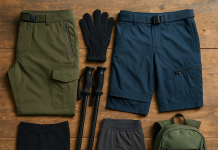
- You’ll need to bring or rent camping equipment, including a tent, sleeping bag, sleeping pad, cooking gear, and utensils. It’s essential to be self-sufficient, as facilities are limited in remote areas.
3. Food and Water:
- Plan to bring your own food supplies, as teahouses or lodges may not be readily available along your route. Ensure you have a reliable method for purifying water from natural sources.
4. Trekking Route Selection:
- Choose a trekking route suitable for camping. Not all routes are ideal for camping, and some areas may have restrictions or regulations regarding camping.
5. Environmental Considerations:
- Follow Leave No Trace principles and minimize your impact on the environment. Leave your campsite as you found it and dispose of waste properly.
6. Local Knowledge:
- It’s recommended to have local knowledge or a guide who knows the area well, especially in remote regions. They can assist with navigation, local customs, and ensuring you have access to the essentials.
7. Weather Conditions:
- Be aware of the weather conditions in the region you plan to camp in. Some areas, especially at higher altitudes, can have extreme weather, including snow and cold temperatures.
8. Safety:
- Prioritize safety when camping in remote areas. Have a first-aid kit and a reliable means of communication, such as a satellite phone or GPS device.
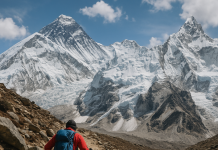
Camping can offer a unique and more solitary trekking experience in Nepal, allowing you to immerse yourself in the natural surroundings without the presence of teahouses and other trekkers. However, it also requires careful planning, self-sufficiency, and adherence to local regulations and environmental practices. If you’re not experienced in camping in the Himalayas, consider hiring a local guide who can provide essential knowledge and support. 🏔️🏕️🚶♂️🍲