If you’re planning your dream trek to Everest Base Camp (EBC) this season, chances are you’ve already heard about the importance of travel insurance—but do you really need it? In short: yes, you absolutely should get insurance for your EBC adventure. Here’s why it’s not just a formality but a critical part of your trekking checklist.
Why Insurance for EBC Isn’t Optional
Trekking to EBC isn’t your average vacation. It takes you deep into the Himalayas, often above 5,000 meters, where altitude sickness, sudden weather shifts, and injuries aren’t uncommon—even for the fittest hikers. Here are a few real-world scenarios where insurance can be a lifesaver:
-
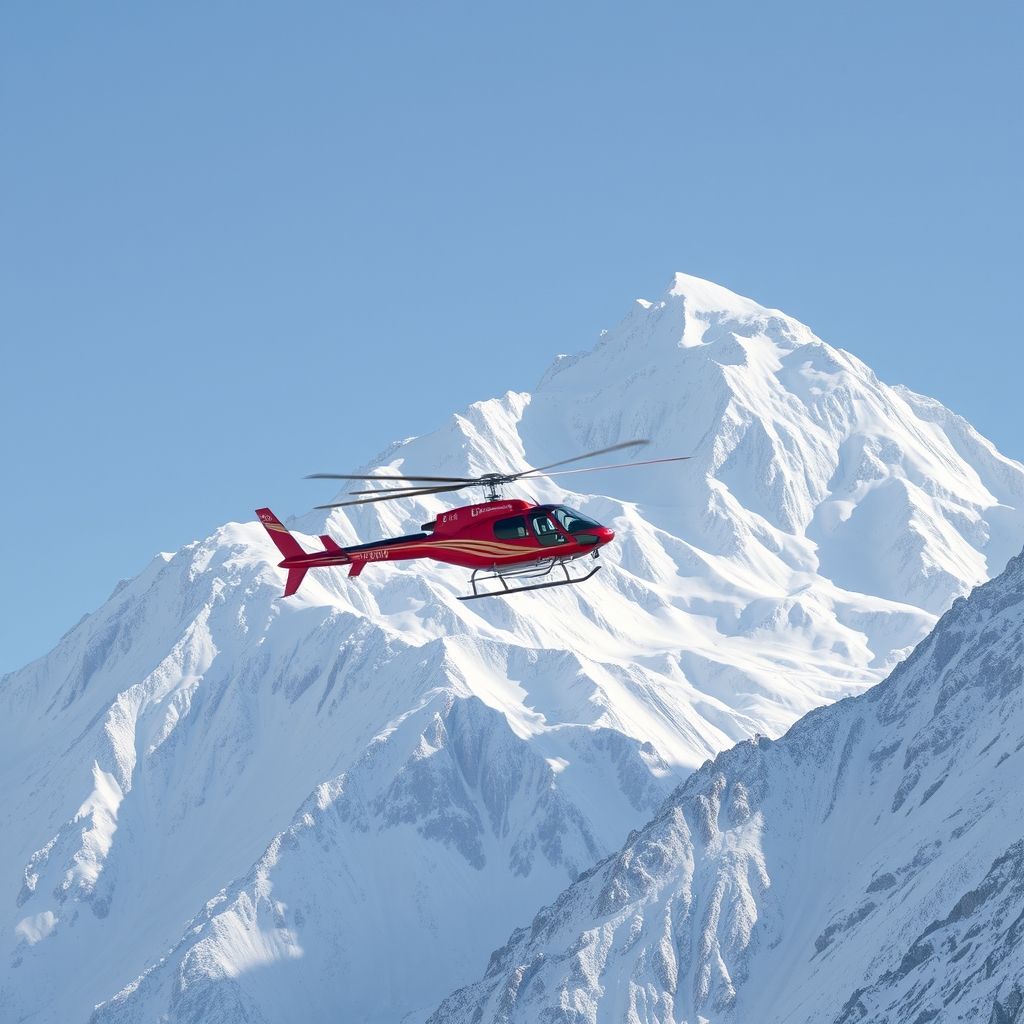
Helicopter evacuation from the trail can cost $4,000–$6,000 USD—yes, even for something as simple as a sprained ankle or flu.
-
Weather delays or cancellations can mess up your Lukla flights or make a section of the trail impassable.
-
Altitude sickness can strike unexpectedly, and quick evacuation might be necessary—even for seasoned trekkers.
Many hikers have seen firsthand how unpredictable this trek can be. People who were healthy at sea level found themselves struggling at high altitudes. Insurance won’t prevent problems, but it will prevent financial disasters if something goes wrong.
Key Features to Look For in Your EBC Insurance
Not all travel insurance covers high-altitude trekking, so read the fine print before buying. Here’s what your policy should include:
| Feature | Required? |
|---|---|
| High-altitude trekking cover | ✅ Up to 5,500m or more |
| Emergency helicopter evacuation | ✅ Up to $6,000 USD |
| Medical coverage (hospital, meds) | ✅ Yes |
| Trip delay/interruption | ✅ Recommended |
| Adventure sports add-on | ✅ Often required for trekking |
| 24/7 emergency assistance hotline | ✅ Yes |
Check that your provider works directly with heli-rescue operators in Nepal—otherwise, you might have to pay upfront and fight for reimbursement later (not ideal when you’re stuck at 5,000m).
Some Popular Providers for EBC Insurance
While we don’t endorse any specific provider, here are some that trekkers frequently mention:
-
Seven Corners – Known to work with local heli operators in Nepal.
-
World Nomads – Popular with backpackers and long-term travelers.
-
Global Rescue – Great for hardcore adventurers.
-
IMG – Offers custom trekking add-ons.
-
Allianz / AXA / True Traveller – Varies by region; good reputations.
Always check reviews, and make sure the policy fits your citizenship, age, and altitude needs. Some companies won’t insure you if you’re already abroad or have pre-existing conditions, so do your homework.
Is It Ever Okay to Trek Without Insurance?
Technically, insurance is not mandatory, and yes—some people have completed the trek without it. But many of those who went uninsured admit it wasn’t smart in hindsight. A few even tried to get coverage but were declined because they’d already left their home country. Others got lucky. And some… paid out-of-pocket for emergencies they didn’t plan for.
Trekking companies may not always require proof of insurance, but many strongly recommend it, and some group treks won’t accept clients without it.
Final Word: Better Prepared Than Panicked
Think of insurance as your safety net, not a sign of fear. You might never use it—and hopefully won’t! But if anything does go wrong, you’ll be thankful you spent the extra £100–£150 (or $120–$180 USD).
This trek is unforgettable—but also remote, challenging, and full of unknowns. Be prepared, not panicked.