Trekking to Everest Base Camp is a dream adventure, but it comes with a challenge that starts before you even set foot on the trail: gearing up right. The gear list can feel overwhelming at first—jackets, boots, poles, gloves, sleeping bags, and more. But here’s the truth: you don’t need everything the outdoor store is trying to sell you. You just need the essentials that keep you warm, dry, and comfortable in the high-altitude environment.
This guide explains each piece of gear in detail so you know exactly why it matters, when you’ll use it, and what features to look for.
Jackets (Down & Insulated)
At higher altitudes (4,000–5,000+ meters), temperatures drop dramatically, especially at night.
-
Down Jacket: Your evening and early-morning lifesaver. A good-quality down jacket provides unmatched warmth in teahouses where heating is limited. Look for 650–800 fill power with a hood for maximum insulation.
-
Synthetic/Insulated Jacket: Ideal for daytime use or when the weather turns windy but not freezing. Synthetic fill performs better if it gets damp, making it a smart backup.
Picking the Right Down Jacket for EBC—Because Freezing Isn’t Fun
Mid Layers
Think of these as the flexible pieces you’ll wear most often.
-
Fleece Pullovers or Hoodies: Lightweight, breathable, and quick-drying. Perfect for layering over your base layers.
-
Thin Down or Synthetic Mid-layer: Some trekkers prefer ultralight insulated jackets as mid-layers for added warmth without bulk.
-
Why It Matters: You’ll often put on or remove mid-layers multiple times in a single day as temperatures shift between sunny afternoons and windy ridge walks.
Mid Layers & Leggings for EBC: Smart, Layered Comfort for the Himalayas
Base Layers & Leggings
The first layer in contact with your skin is critical.
-
Merino Wool Base Layers: Excellent moisture-wicking, odor resistance, and warmth. Perfect for multi-day use.
-
Synthetic Base Layers: Cheaper and effective, though they don’t resist odors as well as merino.
-
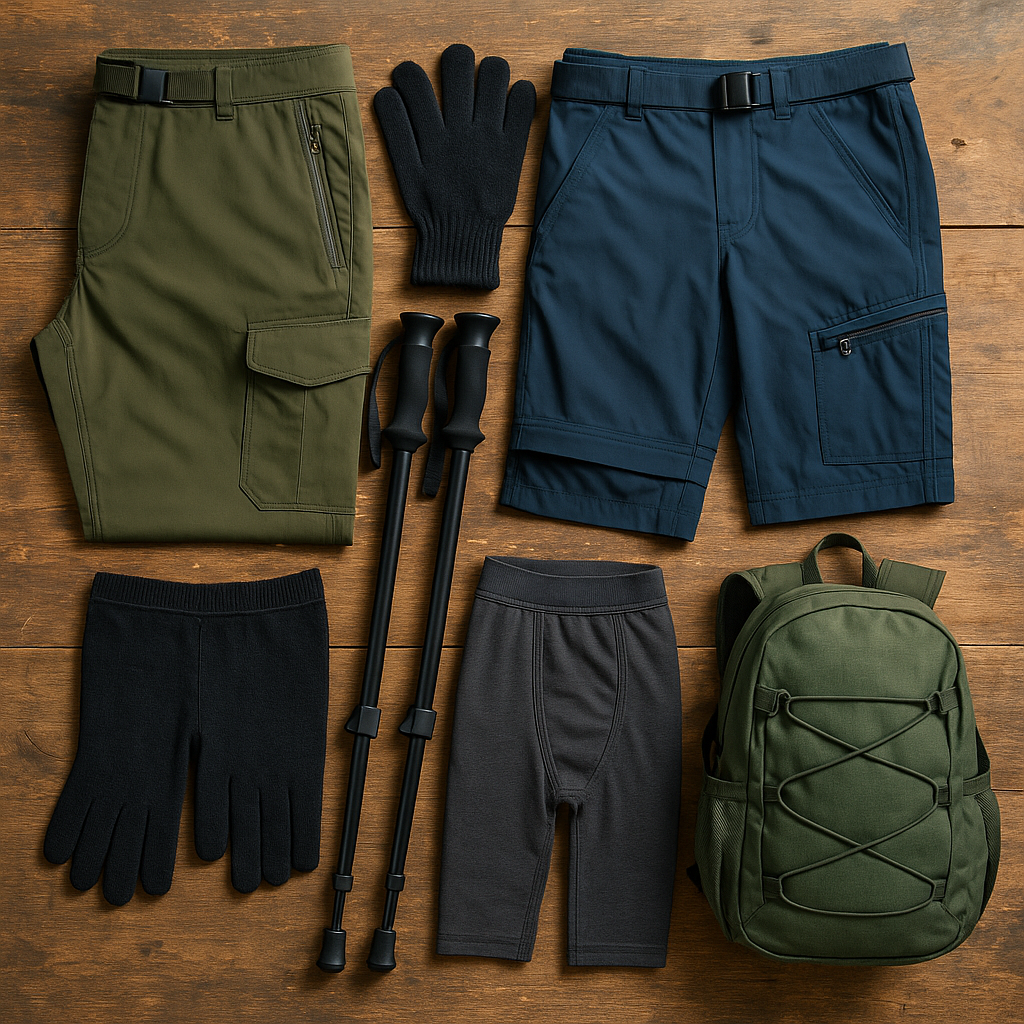
Leggings/Thermals: Fleece-lined leggings or thermal bottoms add warmth for high-altitude nights or the final push to Kala Patthar.
Mid Layers & Leggings for EBC: Smart, Layered Comfort for the Himalayas
Trekking Pants
You’ll spend nearly all day in these, so comfort is key.
-
Lightweight Pants: Quick-drying, non-cotton trekking pants are best for most of the trail.
-
Convertible Pants: Great for lower altitudes where it can be hot during the day.
-
Insulated Pants: A thicker, lined pair for higher sections ensures comfort when temperatures dip below zero.
What Kind of Trekking Pants Do You Actually Need for Everest Base Camp?
Boots
Your boots can make or break your trek.
-
Trekking Boots: Waterproof, ankle-supporting, and already broken-in. Look for sturdy soles for rocky paths.
-
Fit Is Everything: Try on with trekking socks before buying. Your toes shouldn’t hit the front even when walking downhill.
-
Trail Runners? Some trekkers swear by them, but with EBC’s rocky, snowy, and sometimes muddy trails, boots remain the safer choice.
Choosing the Right Shoes for Everest Base Camp—Because Blisters and Twisted Ankles Suck
Socks
Often overlooked, but they’re crucial.
-
Lightweight Socks: For lower altitudes where your feet may sweat more.
-
Heavy Wool Socks: For higher altitudes and colder nights.
-
Tip: Bring enough pairs to rotate and let damp ones dry out. Moisture = blisters.
[Full article on Trekking Socks]
Sleeping Bag
Teahouses provide blankets, but once you reach Lobuche or Gorak Shep, nights can dip below -15°C.
-
Recommended Rating: At least -10°C comfort, -20°C lower limit.
-
Shape: Mummy-style bags trap heat more effectively.
-
Tip: If you’re renting in Kathmandu, check cleanliness and zippers carefully before accepting.
Sleeping Bag Guide for Trekking in Nepal: What to Bring, Buy or Rent for Every Season
Backpack & Duffel
You’ll carry a daypack while your porter carries the heavy load.
-
Daypack (30–40L): For water, snacks, camera, sunscreen, and extra layers. A rain cover is a must.
-
Duffel Bag (up to 15kg): Most trekking agencies provide these. This is where you’ll pack bulkier gear carried by your porter.
What’s the Best Backpack for the Everest Base Camp Trek?
What Size Duffel Bag Do You Need for the Everest Base Camp Trek?
Trekking Poles
Your secret weapon for saving your knees.
-
Adjustable Poles: Shorten them on climbs, lengthen for descents.
-
Collapsible Design: Easier to pack when flying in or riding jeeps.
-
Why Use Them: Reduces stress on joints, especially during the long downhill sections from Gorak Shep to Namche.
Trekking Poles for Everest Base Camp: Do You Really Need Them?
Sunglasses
UV rays are brutal at high altitude, especially with snow glare.
-
Features to Look For: 100% UV protection, polarized lenses, and wrap-around or side shields.
-
Glacier Glasses: Strongly recommended if trekking during spring or winter when snow is common.
Trekking to Everest Base Camp? Here’s the Truth About Sunglasses
Gloves
You’ll need at least two pairs.
-
Liner Gloves: Lightweight, breathable gloves for daytime trekking.
-
Insulated Gloves: Waterproof, heavy gloves for nights and high-altitude mornings.
What Kind of Gloves Do You Really Need for the Everest Base Camp Trek?
Sunscreen & Lip Balm
Don’t underestimate the Himalayan sun.
-
Sunscreen: SPF 30–50+ broad spectrum. Reapply every 2–3 hours.
-
Lip Balm: SPF-protected balm prevents painful cracks at high altitude.
-
Tip: Pack extra—small items get lost easily in teahouses.
Do You Really Need Sunscreen at Everest Base Camp? (Spoiler: Yes, You Do!)
Extra “Underrated Essentials”
Some small items can make a massive difference:
-
Electrolyte tablets for rehydration.
-
Moisturizer for dry, cracked skin.
-
Duct tape for gear repairs or blister prevention.
-
Small padlock for teahouse rooms.
-
Pee bottle for cold nights when you don’t want to go outside.
What Most People Forget to Pack for Everest Base Camp (But You Shouldn’t!)
Final Thoughts
The Everest Base Camp trek doesn’t demand the most expensive gear—it demands the right gear. Focus on layering, warmth, and comfort rather than fancy branding.
If you’d like to dig deeper, we’ve created individual gear guides that unpack each category with pro tips, product recommendations, and field-tested advice from trekkers who’ve been there.
Your journey to the base of the world’s highest mountain deserves preparation that works as hard as you do. Pack smart, trek strong, and let the Himalayas take care of the rest.