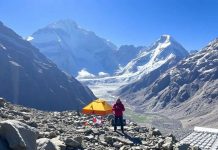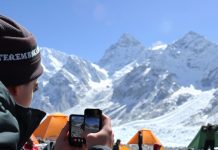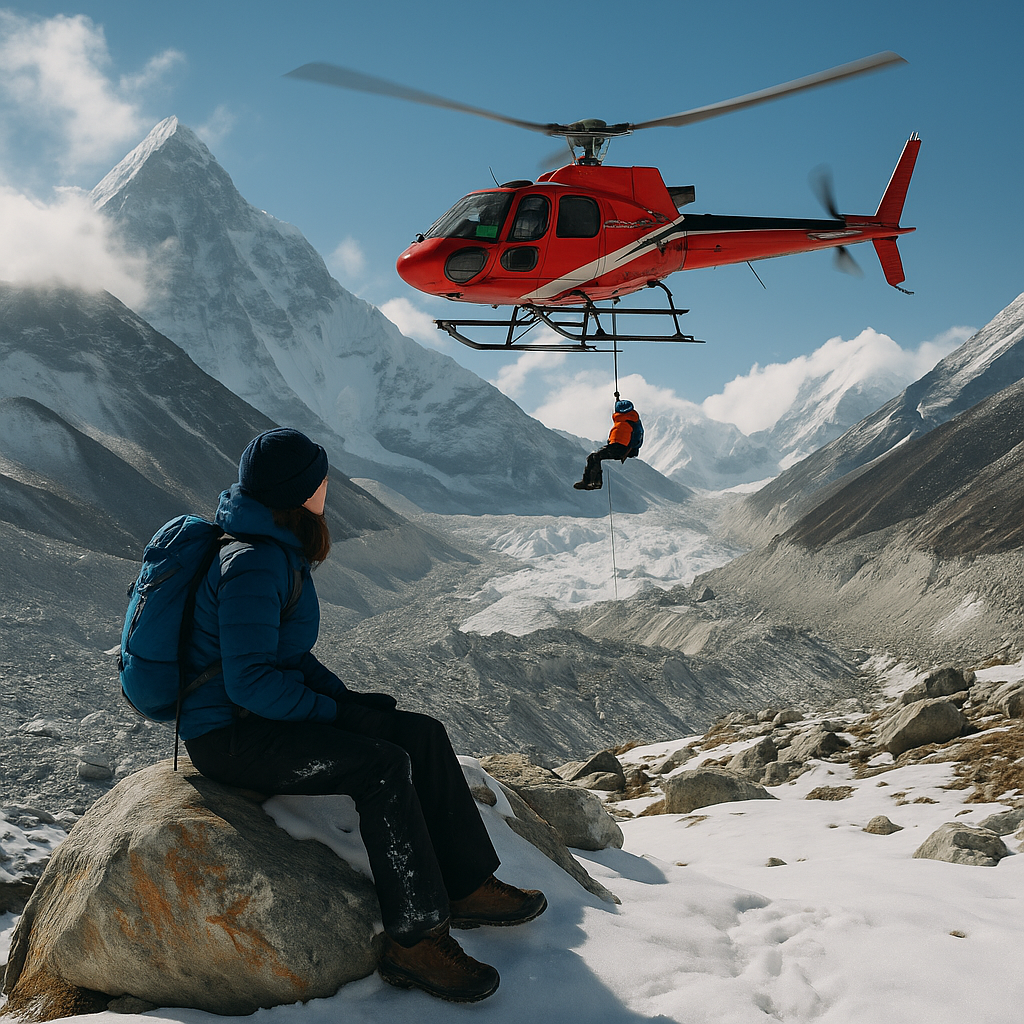
So you’ve made it to Everest Base Camp, or at least somewhere up the trail near Gorakshep, when altitude sickness strikes—or maybe a twisted ankle decides to ruin your summit dreams. Suddenly, you’re being lifted off the mountain in a chopper. A surreal experience, for sure. But once the adrenaline wears off and you’re safe in Kathmandu, another question hits hard:
“Do I have to pay that £500–£700 excess now?”
Turns out, you’re not alone in asking.
From personal stories to policy fine print, let’s break down what’s really going on with helicopter rescue insurance on the EBC trail.
The Truth About That Insurance Excess
Many travelers are surprised to find that even with top-tier travel insurance, helicopter evacuation often comes with a hefty excess fee, ranging anywhere from £500 to £700. That means if you’re heli-evacuated for a medical emergency, you might still have to fork over a few hundred pounds out of pocket—even if the rest of the bill (which can run into the thousands) is covered.
Why? In a word: fraud.
Over the past few years, Nepal’s trekking industry has struggled with evacuation scams. Unscrupulous operators have been known to fake emergencies, stage medical issues, or push unnecessary evacuations just to cash in on inflated insurance claims. In response, many insurers tightened their rules—and started adding excess fees to discourage casual or avoidable evacuations.
What Trekkers Are Actually Saying
Let’s look at some real-world feedback from recent trekkers:
-
✅ “Everything was paid for by the insurance company, she paid the excess when leaving the hospital.”
-
✅ “My American Express Platinum insurance covered it with just a 100€ out-of-pocket cost.”
-
✅ “Mine is with my credit card; I’m being discharged today after a heli evac from Gorakshep. I’ll update on any excess.”
-
⚠️ “Make sure you engage the insurance company before arranging flights. Some won’t cover it if you act independently.”
-
⚠️ “Excess fees vary—one company offered a $700 excess with a $280 policy. Others quoted up to $2,500!”
-
❗ “Some policies won’t cover helicopter rescue unless it’s medically necessary—and they decide what that means.”
In short, experiences vary wildly—and the devil is always in the fine print.
Key Lessons Before You Trek
✅ Engage Your Insurance Provider Early
If you’re feeling unwell, contact your insurer as soon as possible. Some companies may refuse to reimburse a heli rescue if they weren’t involved in the decision process, especially if there’s no paper trail from a certified doctor.
✅ Understand What ‘Medical Emergency’ Really Means
Insurers will only cover heli evacuations for legitimate medical emergencies. Feeling tired or “done” with hiking? That doesn’t cut it. Your policy probably won’t reimburse you if you simply opt to fly out early.
✅ Check the Fine Print on Excess
Not all policies are created equal. Some credit card plans come with minimal excess. Others—especially backpacker-focused insurance companies—may charge more due to high claim rates. Shop around and compare not just the premium, but the excess and exclusions.
✅ Document Everything
If you get a doctor’s note at the nearest health post (e.g. Pheriche or Gorakshep), keep it. Also log the time and date of any calls with your insurance company. This paper trail will be key during your claim process.
Extra Tip: Know When NOT to Use the Helicopter
Yes, helicopters are convenient. And sometimes tempting. But if you’re not in serious medical trouble, don’t treat the heli like an Uber. It’s expensive, it may not be covered, and using it when you don’t really need it makes it more expensive for everyone else in the long run—including you on your next trek.
One traveler recently commented:
“The number of trekkers I’ve seen just paying to fly out because they didn’t feel like walking anymore is astounding.”
Not judging—but be aware of the system you’re feeding into.
In Summary: Will You Pay the Excess?
Probably. Unless your plan explicitly waives it, expect a heli rescue excess in the £500–£700 range.
But that doesn’t mean you’re being scammed by your insurer. It’s a calculated response to real issues in the industry. As long as you’re covered for emergency evacuations and follow the proper procedures, you’ll still be saving thousands compared to paying full price for a private chartered rescue.
TrekHeaven’s Honest Advice
-
Always read the fine print on insurance.
-
Consider calling your insurer before you even leave home to understand how their rescue policy works.
-
If you’re trekking at altitude, it’s worth choosing a policy with low heli rescue excess, even if the premium is higher.
And remember: insurance may feel like a hassle—but when that rotor blade starts spinning above 5,000 meters, you’ll be glad you paid attention.
Helicopter Rescue Insurance Comparison for Everest Base Camp Trekkers (2025)
| Insurance Provider | Avg. Premium | Excess Fee (Heli Rescue) | Altitude Coverage | Pre-Approval Required? | Known For |
|---|---|---|---|---|---|
| World Nomads | $150–$250 | $500–$700 | Up to 6,000m | Yes | Flexible for adventure sports & trekking |
| Amex Platinum Travel | Included (with card) | ~100€ | Up to 5,500m | Recommended but not required | Premium travel perks, quick support |
| True Traveller (UK/EU) | $180–$300 | $100–$600 | Up to 6,000m (higher optional) | Yes | Tailored to long-term backpackers |
| Allianz Global Assistance | $120–$200 | $250–$500 | Up to 6,000m | Yes | Reputable global provider |
| IMG (Patriot Travel Medical) | $110–$200 | $250–$500 | Up to 6,000m | Yes | Often used by Americans |
| SafetyWing | $45/month | ~$250 | Up to 4,500m | Yes | Budget option, not ideal for high-altitude treks |
| Global Rescue (Evac Only) | $119+ (Evac only) | None | Up to 7,620m | No | Evac-only, no trip interruption/travel coverage |
| InsureandGo (UK) | $130–$200 | £500–£700 | Up to 6,000m | Yes | Popular in UK; strict on documentation |
Key Considerations for EBC Trekkers
-
Altitude Coverage: Many general travel policies exclude altitudes above 4,000–5,000m unless you select a special trekking add-on. EBC sits at 5,364m.
-
Heli Rescue Specifics: Some policies cover evacuation only if it’s medically necessary and approved. Flying out “just because you’re tired” won’t be reimbursed.
-
Excess Fee Reality: A £500–£700 excess is now common among standard providers due to fraud control. However, a few premium or credit-card policies (like Amex) offer low or no excess.
-
Claim Requirements: Most insurers will ask for a doctor’s note or medical verification—especially if there’s no pre-authorization.
TrekHeaven’s Top Picks (as of 2025)
-
Best All-Around Trekking Coverage: World Nomads
-
Lowest Excess with Premium Card: Amex Platinum Travel
-
Budget Evac-Only Solution: Global Rescue
-
Best for UK Backpackers: True Traveller
Pro Tip:
Don’t wait until you’re sick at 5,000 meters to figure this out. Call your insurance provider before you trek and clarify:
-
What’s covered at high altitude?
-
Do you need a doctor’s note for heli rescue?
-
What is the exact excess fee for helicopter evacuation?
-
Are pre-existing conditions excluded?
Have you had to use a helicopter rescue in Nepal? Share your experience with us—we’d love to hear how your insurance handled it, and whether you’d recommend your provider to other trekkers.