Dealing with altitude-related headaches during a trek is important for your comfort and safety. Altitude headaches, often caused by acute mountain sickness (AMS), can range from mild discomfort to more severe symptoms. Here are some steps to help you manage and prevent altitude-related headaches:
1. Gradual Ascent:
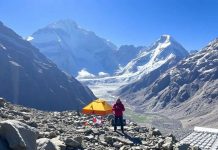
- Gradual ascent is the most effective way to prevent altitude-related headaches. Avoid ascending too rapidly, and schedule acclimatization days during your trek to allow your body to adjust to higher altitudes.
2. Stay Hydrated:
- Dehydration can exacerbate altitude-related symptoms. Drink plenty of water throughout the day, but avoid excessive amounts of caffeine and alcohol, which can dehydrate you.
3. Balanced Diet:
- Consume a well-balanced diet with sufficient carbohydrates and calories. Proper nutrition provides the energy your body needs to function at higher altitudes.
4. Medications:
- Over-the-counter pain relievers like ibuprofen or acetaminophen can help alleviate headache symptoms. Consult with a medical professional before taking any medication, especially if you have other medical conditions.
5. Descend if Necessary:
- If your headache worsens and is accompanied by other AMS symptoms such as nausea, vomiting, or confusion, it may be necessary to descend to a lower altitude. Do not ignore severe symptoms.
6. Oxygen:
- Some trekking agencies provide supplemental oxygen for trekkers experiencing altitude sickness. Oxygen can alleviate symptoms temporarily, but it is not a substitute for descending if your condition deteriorates.
7. Rest:
- Get adequate rest and sleep. Fatigue can worsen altitude symptoms, including headaches.
8. Avoid Overexertion:
- Avoid strenuous physical activity and take it easy, especially during the initial days of your trek at higher altitudes.
9. Stay Warm:
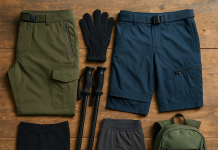
- Cold temperatures can exacerbate symptoms. Dress in layers to stay warm, and ensure that your head is properly covered with a hat or balaclava.
10. Hydration and Electrolytes:
– Proper hydration is important, but you can also consider drinking oral rehydration solutions or sports drinks that contain electrolytes to maintain a healthy fluid balance.
11. Acetazolamide (Diamox):
– Some trekkers may take acetazolamide, a prescription medication that helps prevent and treat altitude sickness. Consult a healthcare professional before using this medication, as it may have side effects.
12. Listen to Your Body:
– Pay attention to your body and any symptoms you may be experiencing. Be open with your trekking companions and guide about how you feel.
If your headache persists or worsens despite these measures, it’s essential to take it seriously and descend to a lower altitude. Altitude sickness can progress rapidly and become life-threatening if not addressed. It’s always recommended to trek with a local guide who is experienced in dealing with altitude-related issues and can provide guidance on proper acclimatization and safety measures.