The Everest Base Camp trek is a dream adventure for many, but it comes with its own set of challenges—none more important than altitude sickness. As you ascend, the air gets thinner, and your body has to work harder to adjust. Altitude sickness, or Acute Mountain Sickness (AMS), can strike anyone, even the fittest trekkers.
But don’t worry—while AMS is serious, it’s also preventable. With the right preparation and approach, you can minimize your chances of experiencing it and enjoy a smooth, successful trek to Everest Base Camp.
Here’s everything you need to know to avoid altitude sickness on the EBC trek.
1. Ascend Gradually—Don’t Rush It!
The best way to prevent altitude sickness is to climb slowly and give your body time to adjust. It’s tempting to push through on the trail and rush to the top, but this can leave you vulnerable to AMS.
A common rule of thumb is the “climb high, sleep low” strategy. This means that you should aim to ascend to a higher altitude during the day but descend to a lower altitude at night to sleep. For example, you could hike to a higher point, enjoy the views, and then return to a lower camp to rest. This strategy helps your body adjust to the thinning air gradually.
2. Hydrate, Hydrate, Hydrate
Altitude can dehydrate you faster than you think. Dry air, physical exertion, and the body’s increased need for oxygen at higher altitudes can all contribute to dehydration. But dehydration can also exacerbate the symptoms of altitude sickness, making it even more likely to occur.
Aim to drink around 3-4 liters of water a day. You may want to bring a hydration bladder for easy access to water while trekking, and electrolyte tablets can help replenish the minerals your body loses through sweat and dehydration. Just remember, drink regularly—not just when you’re thirsty.
3. Don’t Skip Acclimatization Days
The most important thing you can do to avoid altitude sickness is to allow your body the time to acclimatize. There are specific places on the trek where it’s critical to take rest days for proper acclimatization.
When you reach Namche Bazaar (around 3,440 meters) and Dingboche (4,410 meters), make sure to spend at least one extra day at each location to allow your body to adjust. On these rest days, you should take short hikes to higher altitudes, then descend back to your lodge to sleep. This helps your body get used to the altitude without the added strain of a full day’s trek.
4. Listen to Your Body—Know the Symptoms of AMS
Altitude sickness can affect anyone, and it often starts with mild symptoms. Headaches, dizziness, nausea, and fatigue are some of the early signs. If you experience any of these, it’s essential to take immediate action.
If symptoms persist or worsen, stop ascending and descend to a lower altitude. If symptoms don’t improve after resting or descending, seek medical help. Always remember: it’s better to turn back and be safe than to risk your health.
5. Eat Well and Keep Your Energy Up
Eating enough food helps maintain your energy and prevents your body from becoming run down, which can make altitude sickness worse. Carbohydrates are your friend when trekking at high altitude because they provide a slow-releasing energy source for the long, demanding days.
At teahouses, you’ll find plenty of hearty options, from dal bhat (Nepali lentil soup and rice) to pasta, porridge, and snacks. But if you’re worried about stomach problems at high altitude, it’s a good idea to bring some energy bars, nuts, or other high-calorie snacks for an extra boost.
6. Consider Medication as a Backup
While the best way to prevent altitude sickness is to acclimatize properly and take things slow, medications can be a helpful backup if you start feeling unwell.
- Diamox (Acetazolamide) is commonly used by trekkers to prevent AMS. It can help your body acclimatize more quickly by promoting breathing and oxygenation at high altitudes.
- Always consult your doctor before taking any medication, and make sure you’re fully aware of potential side effects and proper dosage.
7. Avoid Alcohol and Smoking
At high altitudes, your body is working hard to absorb as much oxygen as possible, and anything that interferes with your breathing should be avoided. Alcohol and smoking can slow your body’s acclimatization process, reduce oxygen intake, and make you more susceptible to AMS.
It’s best to refrain from drinking alcohol or smoking while on the trek, especially when you’re above 3,500 meters.
8. Wear Proper Clothing
Although it may seem unrelated to altitude sickness, wearing appropriate clothing can make a huge difference. Staying warm can prevent your body from becoming stressed or fatigued, which can worsen the symptoms of AMS.
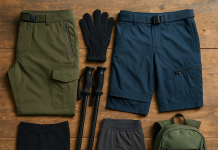
Layering is key! Make sure to wear a moisture-wicking base layer to keep sweat off your skin, a warm mid-layer for insulation, and a waterproof outer layer to protect against wind and rain. Don’t forget a warm hat, gloves, and a scarf to protect yourself from the cold.
9. Be Patient with Your Body
Trekking at high altitude is physically demanding, and the Everest Base Camp trek is not a race. Take it easy, enjoy the incredible scenery, and listen to your body. If you feel tired, take a break. If you start to feel dizzy, sit down and drink some water. The goal is to reach Everest Base Camp safely, not to get there as quickly as possible.
Final Thoughts
Altitude sickness doesn’t have to be a roadblock to your dream of reaching Everest Base Camp. With proper planning, rest, hydration, and listening to your body, you can minimize the risks and increase your chances of completing the trek with ease.
For more tips, expert advice, and insider information, check out TrekHeaven.com—your ultimate guide to trekking the Himalayas.