Before Lukla became the world’s most famous jump-off point to Everest, trekkers had only one way into the Khumbu: on foot, from Jiri. Today, while 99% of adventurers fly over the rugged Solu hills to land in Lukla, a handful of old-school purists and budget-conscious trekkers choose to walk the entire journey from Jiri to Everest Base Camp (EBC). It’s longer. It’s tougher. But it’s absolutely worth it.
If you’re wondering whether it’s possible to do this trail alone and on a budget, the short answer is: Yes, and it’s epic.
Why Start from Jiri?
1. It’s cheaper
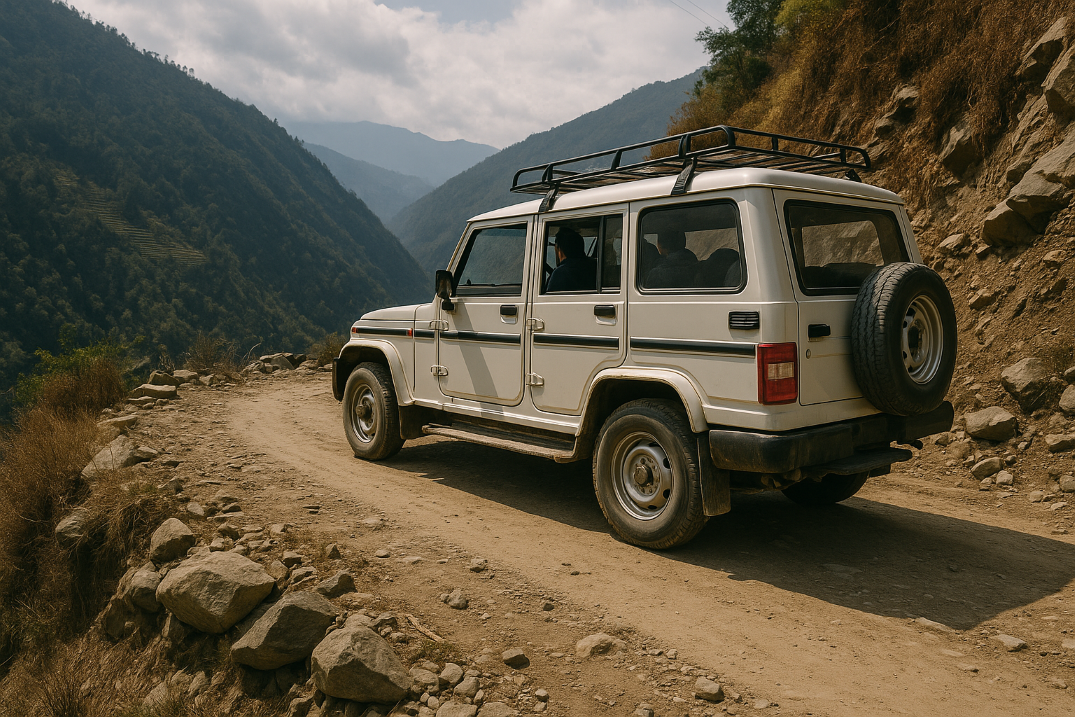
Flying to Lukla can cost between $180–$250 one way. A bus from Kathmandu to Jiri? Around NPR 1,000–1,500 (less than $12 USD). That alone can shave hundreds off your trekking budget.
2. No flight delays or cancellations
Lukla is infamous for weather delays. You could be stuck in Kathmandu (or Lukla) for days. With Jiri, your legs are your ride. The trail’s always open.
3. It’s great for acclimatization
The 7–8 day approach from Jiri to Namche Bazaar involves daily ascents and descents of 1,000–2,000 meters. That’s tough—but it helps your body gradually adjust to altitude before the high Khumbu begins.
4. Less crowded and more cultural
You’ll pass through quiet villages like Shivalaya, Bhandar, Kinja, Junbesi, and Ringmu, where few foreign trekkers tread these days. Expect more authentic encounters, traditional Buddhist monasteries, and even apple orchards.
The Trail: What to Expect
The classic Jiri to Everest Base Camp route takes you through a mix of lush forests, rivers, terraced fields, and high ridges. It reconnects with the main EBC trail at Lukla or Phakding, depending on the road development.
Common Itinerary:
-
Day 1: Bus from Kathmandu to Jiri or Shivalaya
-
Day 2–8: Trek through Bhandar, Kinja, Lamjura La (3530m), Junbesi, Nunthala, and finally Surke or Lukla
-
Day 9+: Join the main EBC trail and continue to Namche Bazaar and beyond
Expect long, steep days with a lot of ups and downs. Most agree that this section is more physically demanding than the upper Khumbu, despite being at lower elevations.
Is It Safe to Trek Alone?
Yes, solo trekking from Jiri to EBC is possible, but:
-
Be physically prepared: This is not a beginner’s route. With a pack over 20 kg, you’ll feel every step.
-
Bring a good map or GPS app: The trail is marked, but signage is sparse in sections.
-
Inform someone: Whether it’s your guesthouse in Kathmandu or your embassy, let someone know your rough itinerary.
-
Stay at tea houses: The trail has enough lodges, though fewer than on the main EBC route. Villagers are welcoming and rooms are usually cheaper than in the upper Khumbu.
-
Consider hiring a porter or local guide, especially if your pack is heavy or you want cultural insight.
Trail Highlights You’d Miss by Flying
-
Lamjura La Pass: At 3530m, this forested pass is misty, quiet, and enchanting.
-
Junbesi Village: A serene Sherpa village with one of the oldest monasteries in the region.
-
Pikey Peak Detour: If you’ve got time, take a detour to Pikey Peak for a sunrise that Sir Edmund Hillary called his favorite Everest view.
-
The Old Trail Vibe: The trail winds through quiet terraced hills, Buddhist stupas, and remote schoolyards—far from the commercial buzz of the Lukla trail.
Budget Breakdown (Approximate)
| Segment | Mode | Cost (NPR) |
|---|---|---|
| Kathmandu to Jiri | Local Bus | 1,000–1,500 |
| Daily food + lodging | Tea Houses | 2,000–3,000/day |
| Permits (TIMS + Sagarmatha NP) | Required | 5,000–6,000 |
| Total for Jiri to EBC | Walking Only | ~35,000–50,000 NPR |
Note: Prices vary depending on the season, your bargaining skills, and how much dal bhat you eat.
Final Thoughts: Should You Walk from Jiri?
If you’re fit, flexible, and up for a deeper, harder, and more rewarding experience, this trail is for you. You’ll arrive in Namche more seasoned, more acclimatized, and more connected to the mountains and their people than the average fly-in trekker.
Yes, it takes longer. Yes, it’s tougher. But it also rewinds time, leading you through the same trail used by early Everest pioneers and generations of yak caravans.
The road may slowly be creeping further into Solukhumbu, but for now, Jiri still marks the beginning of an unforgettable, old-school adventure.