The Everest region may be known for its towering peaks and iconic treks, but come autumn, something even more awe-inspiring rises in the thin Himalayan air: the Mani Rimdu Festival. For a few sacred days, the silence of the Khumbu breaks not with footfalls and prayer flags fluttering—but with ritual chants, drumbeats, and masked dances that date back centuries.
If you thought trekking to Everest Base Camp was only about altitude, you haven’t seen Tengboche Monastery ablaze with color, incense, and spiritual intensity.
Welcome to Mani Rimdu, where culture climbs just as high as the mountains.
What Is Mani Rimdu?
Mani Rimdu is a 19-day Sherpa Buddhist festival celebrated in Tengboche Monastery (and also in Thame and Chiwong), usually held in October or November, right in the heart of peak trekking season. The three most public and climactic days are open to all—locals, monks, trekkers, and curious souls alike.
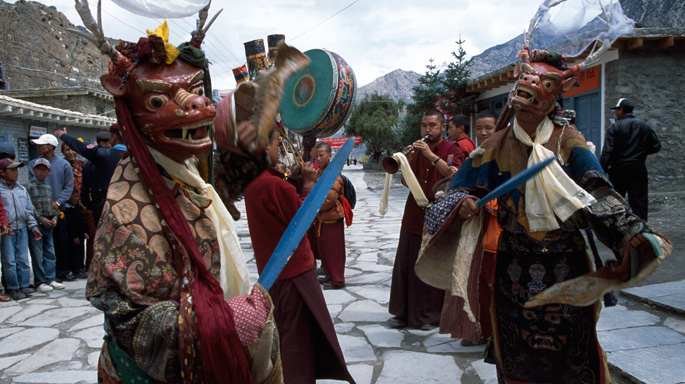
At its heart, Mani Rimdu is a celebration of the victory of Buddhism over the ancient Bon religion and symbolizes the triumph of compassion and wisdom over fear and ignorance. The monks don elaborate costumes and masks to enact sacred dances (Cham) that represent mythical deities, demons, and protectors.
And it’s not just for show. The rituals are considered spiritually transformative, not only for the performers but for the watchers too.
Where and When Does It Happen?
The most iconic Mani Rimdu celebration happens at Tengboche Monastery, perched at 3,867 meters on the classic Everest Base Camp trek route. Surrounded by some of the world’s highest peaks, including Ama Dablam and Everest, it’s hard to imagine a more surreal venue for a festival.
Upcoming Mani Rimdu Dates:
Dates vary each year according to the Tibetan lunar calendar, but generally:
-
Mid to Late October or Early November
-
2025 expected dates: Around October 30 to November 1
It’s always best to confirm with a local trekking agency or the monastery itself as the dates approach.
The Three Days of Magic
While the full festival spans weeks of preparation and closed ceremonies, the final three days are when the energy peaks, and visitors are welcomed.
Day 1: The Wong
The empowerment ceremony. It’s a spiritual initiation where monks chant prayers, make offerings, and bless attendees. It’s deeply meditative.
Day 2: The Cham Dances
This is where things get visual. Monks perform symbolic masked dances that retell ancient tales of good vs. evil. The dances are both spiritual enactments and theatrical masterpieces—accompanied by cymbals, long horns, and hypnotic chants.
Day 3: The Fire Puja
Held in the courtyard to dispel negative energy and evil spirits, it involves fire offerings and dramatic rituals, set against a Himalayan backdrop. It’s a surreal farewell to the festival, ending with communal blessings.
Why Attend Mani Rimdu as a Trekker?
Because no trek to Everest is complete without understanding the soul of the Himalayas.
-
Cultural Depth: Trekking the Khumbu isn’t just about physical peaks. This is where Tibetan Buddhism and Sherpa traditions have flourished for centuries.
-
Spiritual Pause: After days of walking, Mani Rimdu offers a moment of stillness, reflection, and awe that no summit photo can replicate.
-
Local Interaction: You’ll share the space with villagers who’ve walked for days to attend, giving you rare insight into life beyond the tourist trail.
-
Visual Feast: The festival is a dream for photographers. From ornate costumes to rugged backdrops, it’s all here.
Planning Your Trek Around Mani Rimdu
If you want to witness the festival:
-
Plan your EBC Trek so that you reach Tengboche Monastery around the festival dates.
-
Stay in Tengboche for at least two nights to enjoy the main events.
-
Accommodations fill quickly during the festival. Consider booking tea houses in advance, or staying in nearby Deboche or Pangboche and walking up.
Logistics and Tips
-
No Ticket Required: The festival is open and free, though donations to the monastery are welcomed.
-
Dress Respectfully: Cover shoulders and legs, and be mindful of photography—especially during rituals.
-
Altitude Matters: Tengboche is at nearly 3,900 meters. Make sure you’re acclimatized before spending extended time here.
-
Pack Warm Gear: It gets cold—really cold—especially during early morning or evening ceremonies.
A Trek Within a Trek
Mani Rimdu isn’t a tourist attraction. It’s a living tradition, passed down through generations of Himalayan monks and villagers. Watching the monks dance in swirling robes, their masks reflecting both wrath and compassion, you’ll realize that this isn’t a break from your trek—it’s the very reason for it.
Because in the Himalayas, walking the trail is just part of the story. The rest is in the chants, the smoke, the eyes of a monk offering you a smile, and the unspoken connection between people, mountains, and meaning.
Thinking of planning your trek around the festival? Reach out and we’ll help you match your dates, find accommodation, and experience the Himalayas beyond the trail.
See you in Tengboche. The drums are calling.