You’ve checked off the big-ticket items—boots, down jacket, base layers—but one question trips up many trekkers: What about mid layers and fleece-lined pants? Do you really need them, or will a solid base layer do the trick?
Let’s break it down with insights from outdoor experts and seasoned trekkers, so you can pack smart and stay warm without overpacking.
The Irreplaceable Base Layer
The base layer is the foundation of your layering system—it needs to wick moisture, regulate temperature, and feel good against your skin. Experts and real-world testing agree:
-
Merino wool packs warmth-to-weight efficiency, breathability, and natural odor resistance—perfect for multi-day treks where frequent washing isn’t feasible.
-
Synthetic layers dry quickly and are more durable—excellent for high-output hiking legs and frequent washing.
-
Cotton? Avoid it. Cotton retains moisture, dries slowly, and can lead to hypothermia—it’s a “no-go” for trekking.
OutdoorGearLab also recently tested 42 base layers and reaffirmed that both merino and high-quality synthetics are crucial for cold, high-intensity treks like EBC.
Mid Layers: The Insulation Engine
Your mid-layer traps body heat while staying breathable and mobile. Experts say a mid-layer must insulate, regulate temperature, and allow moisture to escape.
-
Fleece jackets (micro to midweight) are popular choices for their breathability, quick-drying, and lightweight nature.
-
Insulated jackets (down or synthetic) serve as both mid and emergency outer layers, especially useful above 4,000 meters.
One veteran trekker wisely noted that a packable down can double as a belay jacket when layers alone aren’t enough.
Leggings & Fleece-Lined Pants: Your Move
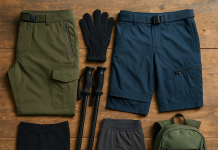
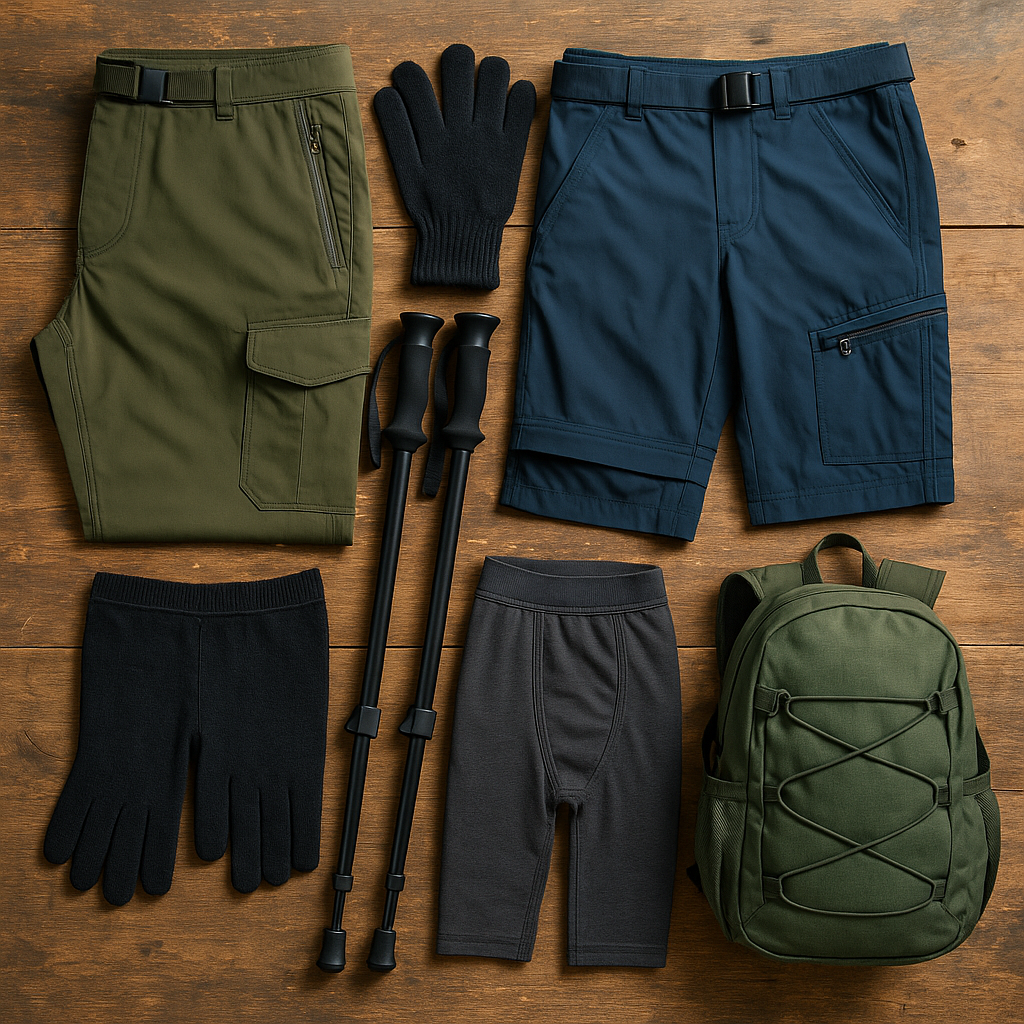
Contrary to popular opinion, most trekkers stay warm on their legs just fine with standard trekking pants and a solid base layer.
-
Fleece-lined leggings can be comfy but often too toasty during long uphill hikes.
-
Trekking pants plus merino or synthetic base layers strike the perfect balance between warmth and mobility.
-
In wet or extremely cold conditions, waterproof over-trousers can supplement insulation without overheating.
As one trekker put it: “You’re pretty warm while hiking—save fleece pants for lounging post-trek or cold lodge evenings.”
Layering Strategy: Bringing It All Together
-
Base Layer
-
Merino (for odor control, warmth)
-
Synthetic (for durability, fast drying)
-
-
Mid Layer
-
Lightweight fleece for hiking
-
Packable down or synthetic jacket for high-altitude stops or breaks
-
-
Optional Leg Layer
-
Lightweight trekking pants + base layer — your go-to
-
Fleece-lined leggings for lodge downtime
-
Waterproof shell for weather protection
-
-
Evening & Lodge Use
-
Merino base, fleece or down for lounging
-
Optional fleece-lined bottom if chillier than expected
-
TrekHeaven’s Smart Packing Tip
Use layering for adaptability, not luxury. Bring:
-
One good merino or synthetic base set
-
One breathable fleece mid layer
-
One compact insulated jacket
-
Lightweight trekking pants
Optional extras like fleece-lined leggings or weatherproof pants can be added based on your trek itinerary and personal chill tolerance.
Master the layer game—that’s what saves you from freezing (without freezing your budget or backpack space). For more gear wisdom, check out our full packing hacks at trekheaven.com.