On 20 August 1980, the world of mountaineering shifted forever. On that day, Reinhold Messner, the South Tyrolean climber often called “the mountaineer of the century,” became the first human to summit Mount Everest solo without bottled oxygen.
It wasn’t just a climb—it was a statement. Messner proved that human endurance, when stripped of support and external aids, could still reach the highest point on Earth.
Everest Before Messner
Until 1980, Everest had been climbed several times without bottled oxygen, but never solo. Even the legendary Hillary and Tenzing in 1953 relied on oxygen, and expeditions typically meant large teams, Sherpa support, and logistical fortresses on the mountain.
Messner had already stunned the climbing world in 1978, when he and Peter Habeler became the first to climb Everest without supplemental oxygen. Doctors had called it “impossible” and warned of certain death above 8,000 meters without oxygen tanks. Messner proved them wrong.
But 1978 was a partnership. In 1980, he wanted to go further—alone.
The 1980 Ascent: Alone on the Mountain
Messner chose the North Face route in Tibet, far more desolate and windswept than the Nepalese side. Unlike today’s Everest traffic jams, the mountain was quiet, remote, almost alien.
-
He climbed without Sherpa support.
-
He carried no bottled oxygen.
-
He had no team behind him.
Just one man, one mountain, and the thin line between life and death.
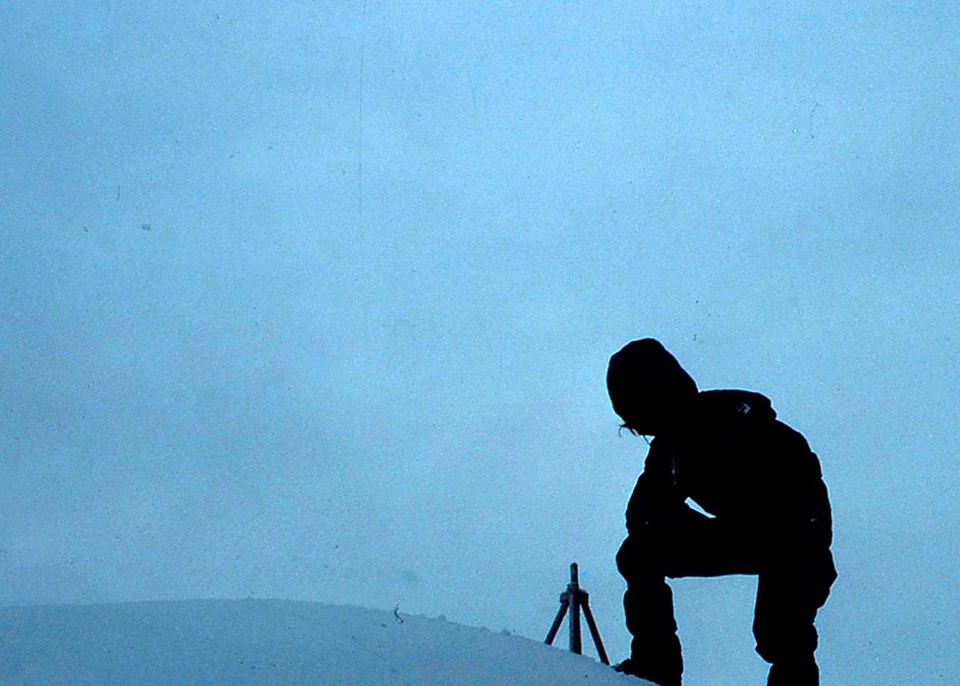
On 20 August, after battling altitude, storms, and sheer exhaustion, he reached the summit of Everest—standing utterly alone at 8,848 meters (now measured 8,848.86 m). His words about the experience are haunting:
“I was nothing more than a single narrow gasping lung, floating over the mists and summits.”
Why It Mattered
Messner’s 1980 ascent wasn’t just another summit tick. It redefined what was possible.
-
Solo + No Oxygen – No backup, no margin for error. The purest possible form of climbing.
-
Human Limits Shattered – Doctors had said the brain and body could not function at that altitude without oxygen. Messner proved them wrong—again.
-
Shift in Mountaineering Philosophy – His climb emphasized alpine style: light, fast, minimalistic. A stark contrast to the siege-style expeditions dominating the Himalayas.
Today, when climbers talk about “ethics on Everest,” or doing it “the pure way,” they trace the lineage back to Messner.
Messner’s Legacy Beyond Everest
Reinhold Messner went on to become the first to climb all 14 of the world’s 8,000-meter peaks without bottled oxygen. He wrote extensively, became a politician, and established the Messner Mountain Museum network. But for many, his solo ascent of Everest in 1980 remains the single most audacious act in the history of high-altitude climbing.
Why Trekkers Should Care
You may not be planning a solo oxygen-free climb of Everest (and we definitely don’t recommend it), but Messner’s story resonates with anyone who walks into the mountains. His ascent was about trusting your body, respecting nature, and finding your own line of possibility.
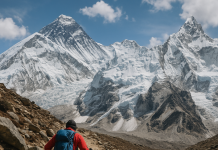
So when you trek to Everest Base Camp and stare up at that colossal peak, remember: a lone man once stood on its summit with nothing but his willpower and lungs.
On 20 August 1980, Reinhold Messner didn’t just climb Everest.
He changed the way we think about mountains—and ourselves.