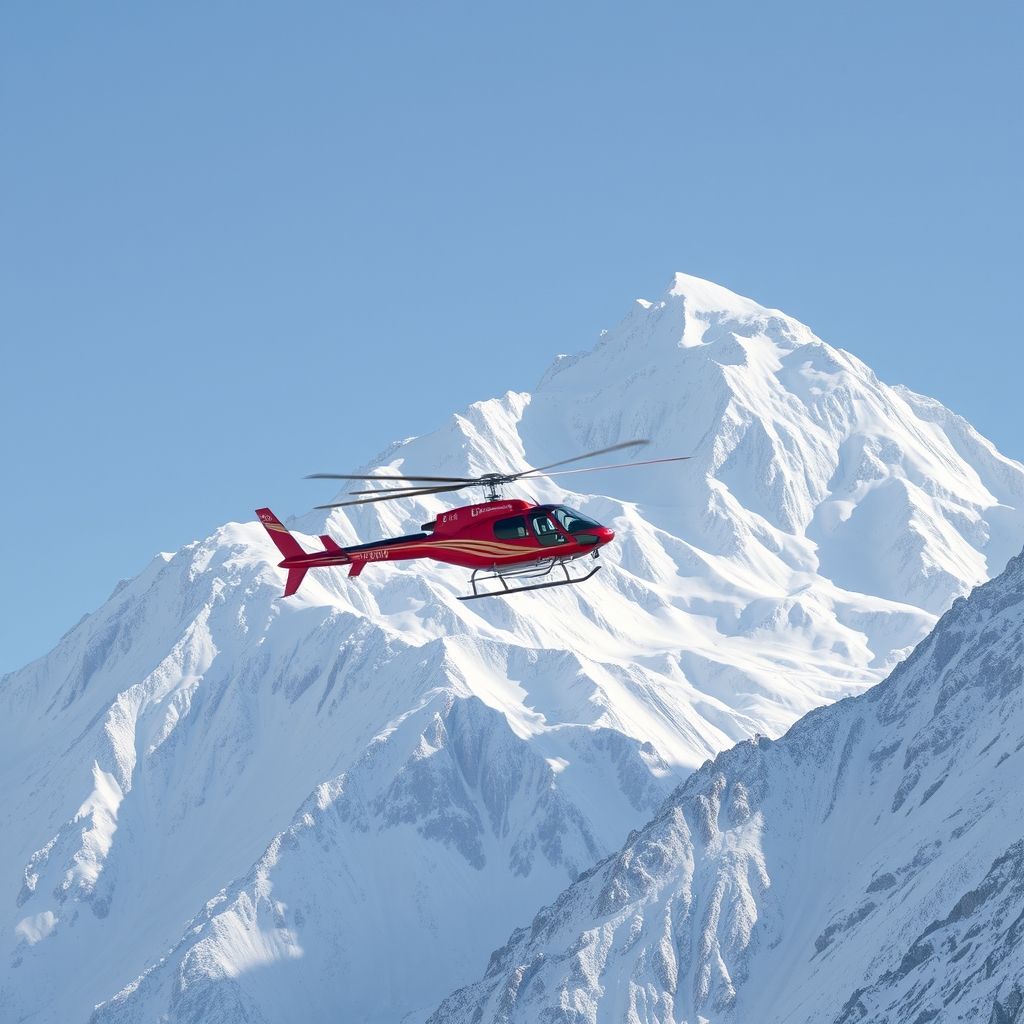
If you’re planning to trek in Nepal—whether it’s Everest Base Camp, Annapurna Base Camp, Manaslu, or beyond—travel insurance is not optional. At altitude, evacuation by helicopter can cost anywhere between $5,000–$10,000 USD, and regular health insurance at home won’t cover it.
But which insurance is right for you depends on where you’re from. Below is a compiled guide to the most recommended trekking insurance providers for citizens of different countries, based on recent trekkers’ feedback and availability.
United States
-
Recommended Providers:
-
Global Rescue – specializes in medical evacuation from remote places, 24/7 response.
-
Travelex – popular with US trekkers, covers trip cancellation + medical.
-
Allianz Travel – widely used, but check altitude coverage carefully.
-
-
Key Note: US trekkers should always confirm that helicopter evacuation at altitudes above 5,000m is covered.
Read the full blog here:
High-Altitude Rescue Insurance for EBC: What U.S. Trekkers Actually Use (and Recommend)
United Kingdom
-
Recommended Providers:
-
True Traveller – designed for adventure travelers, covers trekking above 5,000m.
-
Campbell Irvine – highly recommended for UK trekkers, covers EBC and high-altitude trekking.
-
InsureandGo – decent budget option but check exclusions.
-
-
Key Note: UK trekkers often go with True Traveller—it’s one of the most mentioned in the Himalayan trekking community.
Read the full blog here:
Trekking Insurance for UK Trekkers: What Actually Works for Everest Base Camp
Canada
-
Recommended Providers:
-
World Nomads – well-known and widely used; covers trekking and evacuation.
-
TuGo – strong reputation for Canadians traveling to Asia.
-
Allianz Global Assistance Canada – reliable, but altitude limits vary.
-
-
Key Note: Always double-check if trekking above 4,000m is covered, since some Canadian policies exclude “mountaineering.”
Read the full blog here:
Trekking to Everest Base Camp? Here’s the Real Insurance Guide for Canadians
Australia & New Zealand
-
Recommended Providers:
-
Cover-More – one of the most popular for Aussies and Kiwis.
-
Southern Cross Travel Insurance (SCTI) – widely used by New Zealand trekkers.
-
World Nomads – flexible add-ons for trekking.
-
-
Key Note: Australians and New Zealanders usually get straightforward coverage, but altitude limits should still be confirmed.
Read the full blog here:
Travel Insurance for Trekking in Nepal: What Aussies Need to Know (from Real Trekkers)
European Union (EU)
(Germany, France, Spain, Netherlands, Scandinavia, etc.)
-
Recommended Providers:
-
ERV Insurance – very popular with German trekkers.
-
Columbus Direct – widely available across Europe.
-
World Nomads EU – offers trekking add-ons.
-
-
Key Note: EU trekkers often have more choices, but not every policy covers helicopter evacuation above 5,000m—so check the fine print.
India
-
Recommended Providers:
-
ICICI Lombard – covers international trekking trips, but altitude coverage must be specified.
-
Tata AIG Travel Guard – decent international coverage with emergency evacuation.
-
HDFC ERGO – includes medical evacuation in some plans.
-
-
Key Note: Indian trekkers should confirm coverage outside India and above 4,000m, as many domestic policies cap limits.
Nepal (Domestic Trekkers)
-
Reality Check: Unfortunately, most Nepali insurance providers do not cover trekking accidents or helicopter evacuation within Nepal.
-
Alternative: Local trekkers often rely on personal funds or community support for emergencies. A few private companies are lobbying to expand coverage, but it’s still limited.
-
Tip: If you’re a Nepali living abroad (with dual coverage), it’s often best to purchase from your country of residence.
Other Countries 🌍
-
South Africa: Check with Travel Insurance Consultants (TIC).
-
Singapore & Malaysia: AIA Travel Guard and Allianz Asia are common.
-
Japan: Sompo Japan Nipponkoa covers trekking but with altitude clauses.
🏔️ What Every Trekker Should Check Before Buying
Regardless of your passport, make sure your insurance policy includes:
-
Emergency helicopter evacuation up to at least 6,000m.
-
Medical coverage abroad of at least $100,000 USD.
-
Trip interruption/cancellation (handy during flight delays in Lukla).
-
Repatriation of remains (grim, but necessary to check).
Trekking Insurance Options by Nationality
| Country | Top Providers | Covers Helicopter Evacuation? | Altitude Coverage | Extra Notes |
|---|---|---|---|---|
| United States 🇺🇸 | Global Rescue, Travelex, Allianz Travel | Yes (Global Rescue is strongest) | Up to 6,000m (check Allianz) | Global Rescue is rescue-only; you may want trip cover separately. |
| United Kingdom 🇬🇧 | True Traveller, Campbell Irvine, InsureandGo | Yes | Up to 6,000m | True Traveller is the go-to for UK trekkers—covers high-altitude trekking directly. |
| Canada 🇨🇦 | World Nomads, TuGo, Allianz Canada | Yes | Typically up to 5,000–6,000m | Always confirm trekking above 4,000m—some Canadian insurers call it “mountaineering.” |
| Australia & New Zealand 🇦🇺🇳🇿 | Cover-More, SCTI, World Nomads | Yes | 5,000–6,000m depending on plan | Aussies & Kiwis often get straightforward coverage; SCTI is strong for NZ trekkers. |
| European Union 🇪🇺 | ERV, Columbus Direct, World Nomads EU | Yes | 5,000–6,000m | ERV popular with Germans; World Nomads EU gives flexible add-ons. |
| India 🇮🇳 | ICICI Lombard, Tata AIG, HDFC ERGO | Sometimes (must confirm) | Often capped at 4,000–5,000m | Policies vary a lot; confirm “international + trekking above 4,000m.” |
| Nepal (Domestic Trekkers) 🇳🇵 | Limited options locally | Rarely | Very limited | Most Nepali policies don’t cover trekking accidents inside Nepal. Expats should buy abroad. |
| South Africa 🇿🇦 | Travel Insurance Consultants (TIC) | Yes | Up to 6,000m | Popular with South African trekkers heading for Everest Base Camp. |
| Singapore & Malaysia 🇸🇬🇲🇾 | AIA Travel Guard, Allianz Asia | Yes | 5,000–6,000m | Reliable regional options, but altitude clauses must be checked. |
| Japan 🇯🇵 | Sompo Japan Nipponkoa | Yes | 4,000–5,000m | Some policies require special adventure add-ons for higher altitudes. |
How to Use This Table
-
Pick by country first: Start with insurers available for your nationality.
-
Confirm altitude second: EBC, Annapurna Base Camp, and Manaslu all go above 4,000m. Everest Base Camp tops at 5,364m, so you need a 6,000m limit minimum.
-
Double-check fine print: Many insurers exclude “mountaineering” or “technical climbing”—but trekking on established routes is usually fine.
Final Word
There is no “one-size-fits-all” insurance for trekking in Nepal. The right choice depends on your nationality, your trek, and your budget. What matters most is that you are covered for helicopter rescue and high-altitude trekking—without it, you’re one accident away from financial disaster.
Do your homework, check the fine print, and buy insurance that specifically mentions trekking in Nepal.
Your health and safety are worth far more than a few extra dollars on the premium.