If you’ve been scrolling trekking forums while planning your Everest Base Camp adventure, chances are you’ve stumbled across heated discussions about trekking poles. Some trekkers swear by them, claiming they save knees and keep balance intact, while others proudly hike pole-free with hands waving freely in the Himalayan breeze.
So, do you really need trekking poles for Everest Base Camp (EBC)? Let’s break it down with real trekkers’ experiences and a few gear tips.
Why Trekking Poles Are Recommended
-
Joint Protection
The EBC trek isn’t just about going up—it’s also about long descents. Poles act like shock absorbers, taking the weight off your knees, especially when coming down from Tengboche or descending into Namche Bazaar. Several trekkers said they now always use poles as they’ve gotten older, because the difference in joint comfort is huge. -
Balance on Tricky Terrain
Think slippery river rocks, icy sections, and uneven stone steps. Poles are like handrails you bring with you. One trekker even credited poles for helping him and his guide safely cross a frozen river. -
Support with a Heavy Pack
Carrying extra weight? Poles distribute the load more evenly across your body, reducing fatigue in your back and legs. -
Quick to Learn
Never used them before? Don’t worry. Almost everyone who tried poles for the first time on EBC said they got the hang of it within 5–10 minutes. The key tip: don’t strangle the grip. Insert your hand from the top of the strap, press down on it, and let the strap take most of the pressure.
But… Do You Need Them?
Here’s the truth: poles are not essential. If you already hike comfortably for 5–7 hours a day without poles, you can do EBC without them. Some trekkers prefer free hands and never touched their poles after buying them. It’s really a personal choice.
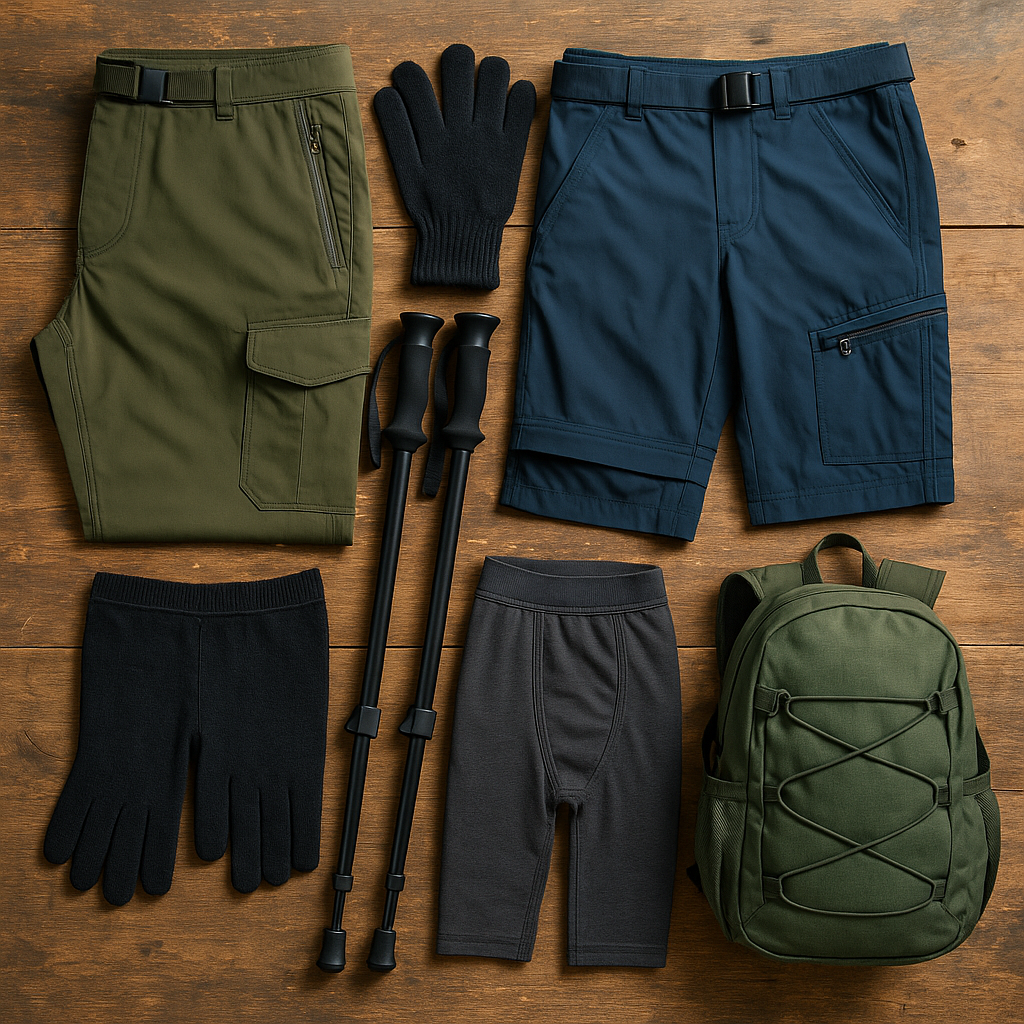
That said, most trekkers agreed that even if you don’t always use them, having poles in your pack is a wise backup. They fold down small and weigh little, so you won’t regret carrying them.
Buy or Rent?
-
In Nepal: Trekking poles are everywhere in Kathmandu and even along the trail. Expect to pay about NPR 1,000–2,000 (USD 8–15). They’re cheap, functional, and if they break, you can buy another. Some trekkers even buy poles on the trail and donate them to porters at the end.
-
At Home: If you plan on hiking regularly after EBC, it makes sense to invest in a good pair. Higher-end poles are more durable, lighter, and comfortable for long-term use.
Pro tip: Don’t try to pack poles in your carry-on when flying. They’re not allowed, so check them in or just buy them in Kathmandu.
Recommended Brands
If you want to invest in quality poles, these names come up again and again from experienced trekkers:
-
Black Diamond – Reliable, lightweight, foldable. A favorite for serious hikers.
-
Leki – Known for durability. Great if you want poles that last years.
-
Makalu Lite AS (by Leki) – A shock-absorbing option tested across the Alps and Himalayas.
-
Budget Options – If you’re only trekking this once, cheaper poles (USD 10–30) do the job just fine.
Final Thoughts
Poles are not mandatory for Everest Base Camp, but they’re a smart choice for most trekkers. They protect your knees, give balance on steep and icy paths, and save energy with a heavy pack.
If you’re unsure, here’s the safe bet: try trekking with poles at home before your trip. If you like them, bring your pair. If you’re still on the fence, just grab a budget set in Kathmandu. Either way, you’ll adjust quickly and might even wonder how you ever hiked without them.
Bottom line: Trekking poles are like insurance. You may not always need them, but when you do, you’ll be glad they’re there.