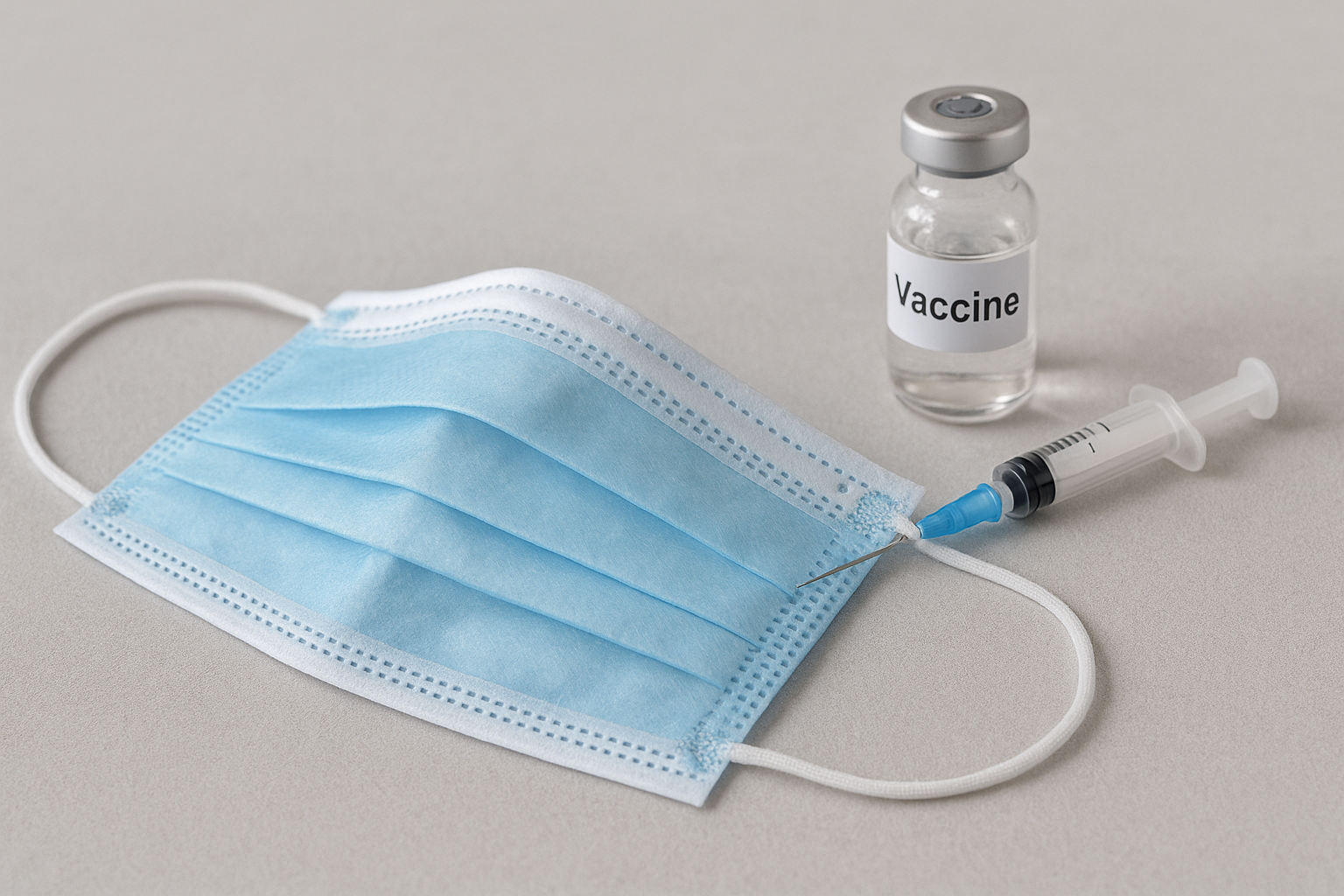
You’ve booked your EBC trek, sorted your gear, and are probably counting down the days until those Himalayan peaks fill your view. But there’s one question that always gets asked in the weeks before departure: “Do I need vaccinations for the Everest Base Camp trek?”
Some trekkers swear by a long list of shots, others go with none at all, and then there’s the middle ground—cover the basics, skip the exotic ones. So, what’s actually essential? Let’s break it down.
The Must-Haves (Strongly Recommended by Health Experts)
These are the vaccines that most travel health specialists, including the CDC (Centers for Disease Control and Prevention) and UK NHS FitforTravel, recommend for Nepal trekkers:
-
Tetanus/Diphtheria/Pertussis (Tdap): Most people are already covered, but make sure your booster is up-to-date. Cuts and scrapes are common on trails.
-
Hepatitis A: Nepal has high rates of Hep A due to food and water hygiene issues. Since dal bhat and momos will be your daily diet, it’s a solid safeguard.
-
Typhoid: Another food- and water-borne illness risk. Available as an injection or oral capsules. Many trekkers call this one a no-brainer.
The Strong “Considerations”
-
Rabies:
Rabies is endemic in Nepal. Kathmandu and the Khumbu trail have plenty of free-roaming dogs, plus occasional monkey encounters. Most dogs are harmless, but bites do happen. If you’re pre-vaccinated, you only need 2 booster shots after exposure (available in some trail clinics). Without it, you’d need immunoglobulin, which is rarely available outside Kathmandu.-
If you’re nervous, planning long stays, or will be around animals: get it.
-
If you’re cautious and can avoid petting dogs: you may decide to skip.
-
-
Hepatitis B:
Lower risk for most trekkers, but worth it if you’re planning medical work, tattoos, or longer stays in Nepal. -
Polio:
Though rare, there have been cases in South Asia. Many travelers top up before heading out.
Usually Not Needed for EBC
-
Japanese Encephalitis (JE):
This mosquito-borne illness is present in Nepal—but mainly in lowland, tropical regions (the Terai, Chitwan, Lumbini). The EBC trek is far too high (and too cold) for the mosquitoes that spread it. You only need JE if you’re planning extended time in the south or volunteering in rural farming areas. -
Cholera:
Sometimes recommended for those spending lots of time in rural Nepal, but for trekkers sticking to the Khumbu teahouse route, the risk is minimal. Stick to boiled/filtered water instead.
What Trekkers Themselves Say
-
Many trekkers report going with just Hep A, Typhoid, and Tetanus.
-
Some add Rabies “for peace of mind,” especially after seeing the number of dogs in Kathmandu.
-
A few skip everything and are fine—but that’s a risk gamble only you can evaluate.
One trekker shared:
“My wife was bitten by a dog just walking past it. Luckily she’d had her rabies shots, so it was just two top-ups on the trail. Without that, we’d have needed an emergency trip back to Kathmandu.”
Another:
“I’ve been to Nepal multiple times, never had any vaccines except the basics. No problems. Rabies is rare, but the risk is there.”
Can You Get Vaccinated in Nepal?
Yes. Hospitals in Kathmandu such as CIWEC, HAMS, and Grande International Hospital offer travel vaccines like typhoid, rabies, and Hep A/B. Prices can be lower than at home, but timing matters—you’ll need multiple doses for some, which means starting weeks before the trek.
TrekHeaven Take: Pack Smart, Protect Smart
Here’s a simple way to think about it:
-
Absolute essentials: Tetanus booster, Hep A, Typhoid.
-
Worth considering: Rabies (especially if you’re uneasy about dogs/monkeys or don’t want to gamble with remoteness).
-
Situational: Hep B, Polio (ask your travel doctor).
-
Skip for EBC: Japanese Encephalitis, Cholera (unless traveling to lowland Nepal).
| Vaccine | Recommended For | Why It Matters for Trekkers | Notes |
|---|---|---|---|
| Hepatitis A | All travelers | Protects against contaminated food and water, a common risk in rural areas. | Usually a single shot + booster. |
| Hepatitis B | Long-term visitors, medical tourists, adventure travelers | Risk from medical procedures or exposure to blood. | Series of 3 shots. |
| Typhoid | Most travelers | Food and waterborne illness risk, especially in smaller towns or villages. | Oral capsules or injection available. |
| Tetanus, Diphtheria, Pertussis (Tdap) | All travelers (ensure up to date) | Cuts and wounds are common on treks; tetanus risk is higher. | Booster every 10 years. |
| Rabies | Trekkers, cyclists, long-term visitors | Stray dogs and monkeys are common in Nepal; access to treatment may be delayed in remote regions. | Pre-exposure vaccine recommended if trekking off-grid. |
| Influenza (Flu) | All travelers | High altitude lodges have close contact, flu spreads fast. | Annual shot, ideally before traveling. |
| Measles, Mumps, Rubella (MMR) | All travelers (if not previously immunized) | Outbreaks still occur in South Asia. | Ensure two doses completed. |
| Polio | All travelers | Nepal is polio-free, but cases exist in nearby countries. Boosters recommended. | Single lifetime booster if previously vaccinated. |
| Japanese Encephalitis (JE) | Long-term rural visitors (esp. Terai region, summer/monsoon) | Spread by mosquitoes, more common in farming areas than trekking routes. | 2-dose vaccine. |
| COVID-19 | All travelers | Entry and travel regulations may still require proof; helps avoid health disruptions. | Keep boosters updated. |
👉 For short Himalayan treks like EBC or ABC, the core vaccines usually suggested are: Hepatitis A, Typhoid, Tetanus (booster), Influenza, and COVID-19. Others like Rabies and Japanese Encephalitis depend on your travel style and exposure.
Final Words
Every trekker’s comfort level is different. Some want maximum protection; others take a minimalist approach. What matters most is speaking with a travel doctor at least 6 weeks before departure to assess your medical history and travel plans.
The Everest Base Camp trek is challenging enough—you don’t want a preventable illness added to the list. A few needles before your trip might just mean fewer worries when you’re sipping tea in Namche or standing beneath Everest.