Avoiding altitude sickness, also known as acute mountain sickness (AMS), is crucial when trekking in high-altitude regions in Nepal. Altitude sickness can be life-threatening if not managed properly. Here are some key tips to help prevent altitude sickness:
- Acclimatization:
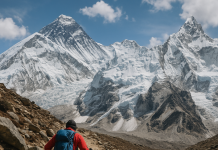
- Ascend gradually to allow your body to acclimatize to higher altitudes. This involves adding rest days into your trekking itinerary, especially when you’re gaining significant altitude. Common practice is to spend an extra day at an acclimatization stop, like Namche Bazaar on the Everest Base Camp trek or Manang on the Annapurna Circuit.
- Hydration:
- Stay well-hydrated by drinking plenty of water. Dehydration can exacerbate altitude sickness. Aim for at least 3-4 liters of water per day.
- Avoid Alcohol and Caffeine:
- Limit or avoid alcohol and caffeine, as they can contribute to dehydration and worsen altitude sickness symptoms.
- Medications:
- Consider taking medications like Diamox (acetazolamide) under the guidance of a medical professional. Diamox can help prevent altitude sickness, but it should be used as a preventive measure, not as a remedy for existing symptoms.
- Adequate Rest:
- Get sufficient sleep. Rest is essential for acclimatization, and sleeping at higher altitudes can be challenging. Using earplugs, an eye mask, and a warm sleeping bag can help.
- Appropriate Pace:
- Trek at a pace that is comfortable for you. Going too fast or pushing yourself too hard increases the risk of altitude sickness. Listen to your body and communicate with your guide or fellow trekkers if you’re not feeling well.
- Nutrition:
- Maintain a balanced diet rich in carbohydrates, as they provide energy for trekking at altitude. Consume small, frequent meals to help your body cope with the altitude.
- Know the Symptoms:
- Familiarize yourself with the symptoms of altitude sickness, which can include headaches, nausea, fatigue, dizziness, and difficulty sleeping. If you experience any symptoms, it’s crucial to address them immediately.
- Descend If Necessary:
- If you experience severe symptoms of altitude sickness, the best remedy is to descend to a lower altitude. Ignoring symptoms can lead to more severe forms of altitude sickness, like high-altitude pulmonary edema (HAPE) or high-altitude cerebral edema (HACE), which can be life-threatening.
- Consult with a Medical Professional:
- If you have a pre-existing medical condition or are unsure about how altitude might affect you, consult with a healthcare provider before your trek.
Altitude sickness is a risk in high-altitude regions, and it can affect anyone, regardless of age or fitness level. It’s essential to take it seriously and be proactive in preventing it. Always prioritize safety and listen to the advice of experienced guides or local experts when trekking in Nepal’s Himalayas. 🏔️🚶♂️💧🥗😴