Avoiding frostbite while trekking in Nepal, especially in high-altitude and cold environments, is crucial for your safety and well-being. Frostbite occurs when skin and underlying tissues freeze due to prolonged exposure to cold temperatures. To prevent frostbite, follow these essential tips:
1. Dress in Layers:
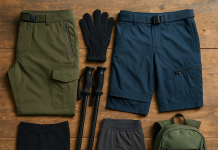
- Layer your clothing to trap warmth. Start with a moisture-wicking base layer to keep sweat away from your skin. Add an insulating layer for warmth, and finish with a waterproof and windproof outer layer.
2. Proper Footwear:
- Invest in high-quality, insulated, and waterproof hiking boots. Ensure they are properly fitted to prevent pressure points or constricting your feet, which can increase the risk of frostbite.
3. Keep Extremities Warm:
- Protect your hands with insulated gloves or mittens, and use glove liners for added warmth. Wear thermal socks and consider using foot warmers. Make sure your head is covered with a warm hat or balaclava.
4. Stay Dry:
- Wet clothing increases the risk of frostbite. Use waterproof clothing and gear to stay dry in wet conditions. Carry extra pairs of socks and gloves to change into if your current ones become wet.
5. Stay Active:
- Physical activity generates body heat, so keep moving while trekking. Frequent movement helps maintain blood circulation and warmth in your extremities.
6. Stay Hydrated and Nourished:
- Proper hydration and nutrition are essential. Dehydration can increase the risk of frostbite, so drink plenty of fluids and consume high-energy, warm meals.
7. Protect Your Face:
- Use sunscreen and lip balm with a high SPF to protect your skin from the sun’s reflection on snow and ice. Frostbite can also affect facial extremities, so consider a face mask or neck gaiter.
8. Acclimatization and Altitude:
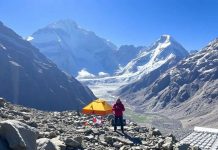
- Gradual acclimatization is important at higher altitudes. Ascending slowly and spending additional days for acclimatization helps your body adapt to lower oxygen levels, reducing the risk of frostbite.
9. Pay Attention to Warning Signs:
- Be aware of the early signs of frostbite, including numbness, tingling, or a burning sensation in your fingers, toes, nose, or ears. If you notice these symptoms, take immediate action to warm the affected area.
10. Shelter and Warmth:
– Carry emergency shelter and extra warm clothing in your backpack in case of unexpected weather changes. If you suspect frostbite, seek shelter, change into dry clothes, and use warm packs or body heat to rewarm affected areas.
11. Know Your Limits:
– Be aware of your personal limits and your body’s response to cold. If conditions become too severe, consider turning back or waiting for better weather.
12. Trek with a Local Guide:
– Local guides are experienced in trekking in Nepal’s challenging environments and can provide valuable guidance on staying safe and avoiding frostbite.
Frostbite can be a serious condition, so it’s important to prioritize prevention and safety while trekking in Nepal’s colder regions. If you suspect frostbite, it’s essential to address it promptly and seek medical attention if necessary. Trekkers should also carry a well-stocked first aid kit and have basic knowledge of frostbite treatment in case of emergencies.