If you’re planning the Everest Base Camp trek, you’ve likely got a gear checklist a mile long—and somewhere near the top is “trekking pants.” But do you need high-end technical trousers? How many pairs? Can you rent them in Kathmandu?
Let’s break it down.
The Reality: EBC Doesn’t Require Fancy Gear
While the Everest region is undoubtedly remote and challenging, you don’t need to overthink your trekking pants. What matters more is comfort, versatility, and smart layering—not brand names or price tags.
In fact, many experienced trekkers wear the same pants day after day with a solid base layer underneath. The trick is to pick something that works with the environment—not against it.
What Makes Good Trekking Pants for EBC?
Here’s what actually matters on the trail:
1. Quick-Drying and Breathable Fabric
You’ll sweat a lot during the day and may even get caught in light rain or snow. Cotton is a no-go. Choose synthetic or hybrid materials that dry fast and wick moisture.
2. Stretch and Mobility
EBC includes long days of hiking, stairs, and some scrambles. You need pants that move with you, not restrict you.
3. Layer-Friendly Fit
From Tengboche upwards, temperatures drop dramatically. Your trekking pants should allow for a warm base layer underneath without feeling tight or bulky.
4. Moderate Weather Resistance
A full waterproof shell isn’t necessary for most seasons, but wind resistance and a bit of water repellency can be useful at higher elevations.
5. Durability Over Style
Between yak caravans, rocky trails, and dust storms, your pants will take a beating. Prioritize toughness and function over fashion.
How Many Pants Do You Need?
Here’s what most seasoned trekkers recommend:
-
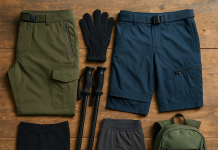
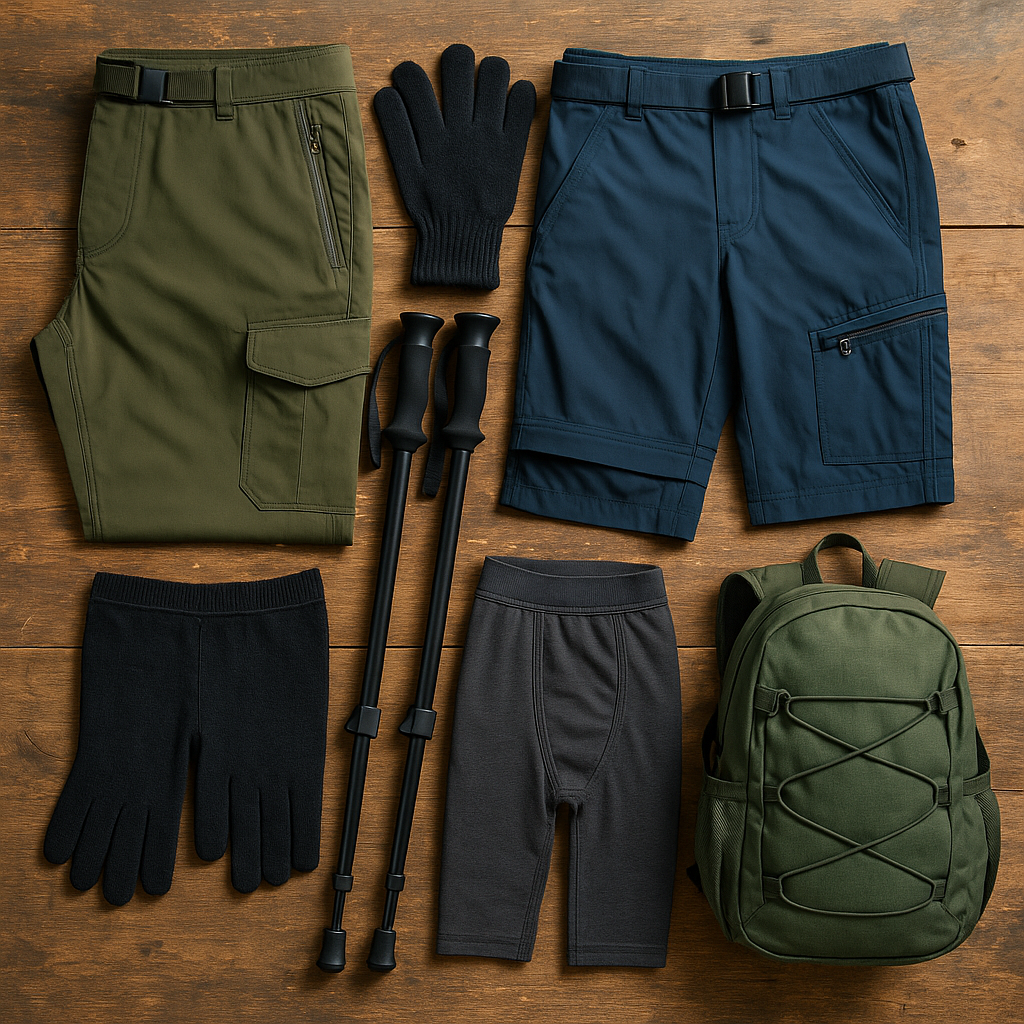
1 good pair of trekking pants (worn every day)
-
1 set of thermal leggings (merino or synthetic for layering)
-
1 optional lightweight spare or camp pant (for evenings or emergencies)
-
1 optional waterproof shell or overpant (only if you’re trekking in shoulder or monsoon seasons)
Most people wear the same outer pants every day, swapping or adding base layers as needed.
Renting Trekking Pants in Kathmandu
Don’t want to invest in trekking gear you’ll never use again? Kathmandu (especially Thamel) is full of rental shops offering almost everything you need—including trekking pants, jackets, gloves, sleeping bags, and more.
What to Know About Renting:
-
Cost: Trekking pants typically rent for around $1–2 per day.
-
Quality: Ranges from basic to high-quality knockoffs. Many rentals are decent, but some may have worn-out zippers or thinning fabric. Inspect before you rent.
-
Sizing: Can be hit or miss, especially for taller or larger-bodied trekkers. Try on before committing.
-
Availability: High during peak season (March–May, Sept–Nov), so don’t wait until the last minute if you’re particular about fit or condition.
-
Hygiene: Most shops clean gear between rentals, but it’s worth asking. Base layers are usually better purchased new for hygiene reasons.
Local and Regional Brands in Kathmandu
If you’re buying rather than renting, Kathmandu has a solid range of Nepali and regional brands offering affordable trekking gear:
Local/Regional Brands You’ll Find:
- Kalapatthar Outdoor – Affordable, functional gear that suits most mid-altitude treks.
- Other Labels – You’ll find a mix of locally manufactured and high-quality copies of international brands. While not original, many perform well enough for EBC if chosen carefully.
If you’re on a budget, buying one pair locally and renting the second is a great way to go.
What About Convertible or Insulated Pants?
Convertible zip-off pants can be handy in the first few days of the trek (Lukla to Namche), when it’s warm during the day. But they’re less useful higher up where it stays cold and windy.
Insulated pants (like fleece-lined) are great for evening wear at higher altitudes or for those extra-cold mornings. But they’re too warm to trek in during the day unless temperatures are exceptionally low.
Smart Layering: Your Best Strategy
Instead of buying the warmest trekking pants you can find, go with layering:
-
Lower Altitude (Lukla to Namche): Just wear your trekking pants.
-
Mid Altitude (Namche to Dingboche): Trekking pants + thin base layer in the morning.
-
High Altitude (Lobuche, Gorak Shep, Kala Patthar): Trekking pants + thick thermal leggings.
-
Evening in Teahouses: Change into a dry camp pant or pull over your insulated shell.
Bonus Tips from Trekkers on the Trail
-
Dry pants overnight: Hang them in the teahouse room. They may not fully dry, but it helps.
-
Carry safety pins or duct tape: For emergency patch-ups (especially on rentals).
-
Keep thermals separate: Use them only for sleeping and high-altitude days to stay warm and hygienic.
-
Expect dust: Go for darker colors. Light pants will look filthy by Day 3.
Final Thoughts: Don’t Overthink It
Your trekking pants are important—but they’re not your summit boots. You don’t need the most expensive pair on the market. Instead, focus on fit, breathability, and layering flexibility.
Whether you rent in Thamel, buy a good pair from a local shop, or bring something from home that you already trust, make sure it’s comfortable, tested, and versatile.
You’ll spend more time in them than almost any other piece of gear.