If you’re standing at the edge of your Himalayan dream wondering where to begin, Mardi Himal might just be your trail.
Tucked quietly into the folds of the Annapurna range, Mardi Himal Trek is still one of the best-kept secrets of Nepal — ideal for both beginner trekkers and solo adventurers looking for raw mountain magic without the Everest crowds.
Why Choose Mardi Himal Trek?
-
Duration: 5 to 7 days (extendable to 10 if you want a slower pace)
-
Max Altitude: ~4,500m (Mardi Himal Base Camp)
-
Start/End Point: Pokhara (a scenic lakeside city)
-
Difficulty: Moderate – beginner-friendly if you’re reasonably fit
-
Accommodation: Simple tea houses and lodges
-
Crowds: Much quieter than Annapurna Base Camp or Everest
What Makes Mardi Special?
-
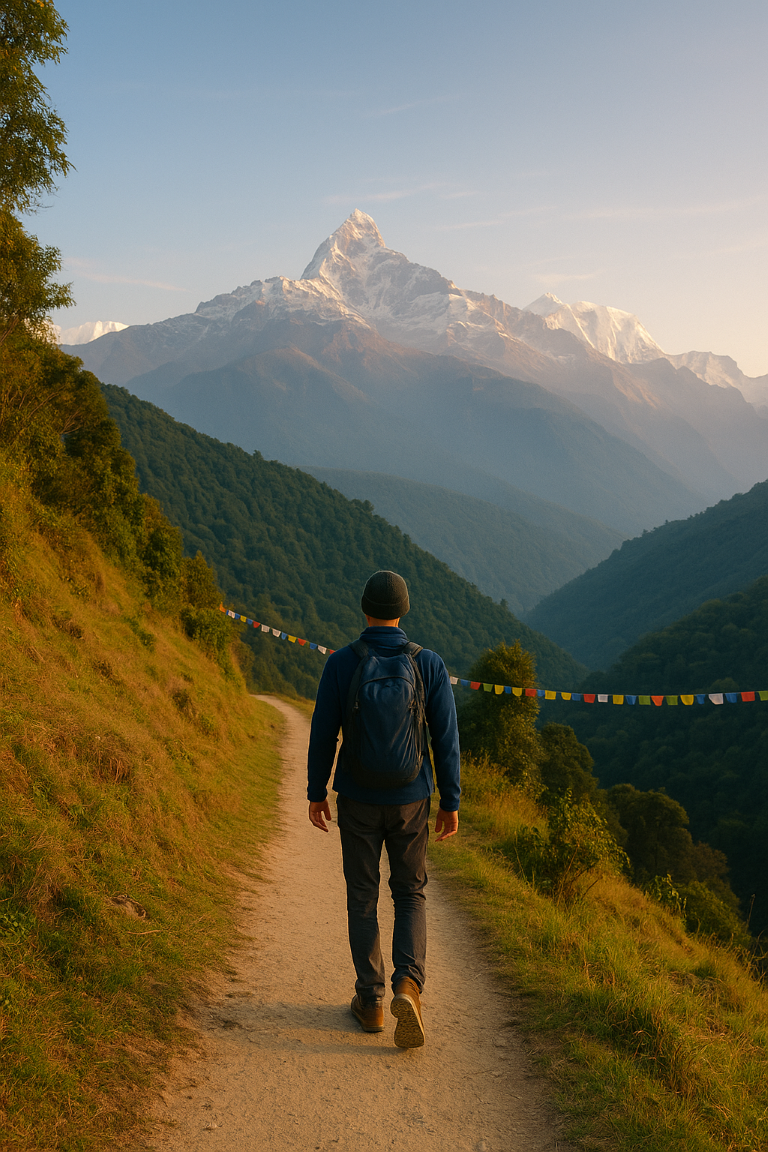
Views? Check. Annapurna, Machapuchare (Fishtail), Dhaulagiri – you’ll see them all up close.
-
Nature? You’ll hike through enchanted rhododendron forests, along ridgelines, and sleep above the clouds.
-
Local Culture? Stay with Gurung families and taste warm dal bhat by the fire.
-
Accessibility? No flights required. Just a short drive from Pokhara.
It’s intimate, beautiful, and surprisingly peaceful for a trek with such dramatic alpine scenery.
Essential Trekking Gear: What to Bring
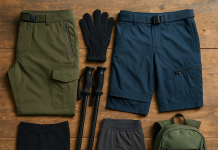
Here’s a no-fuss packing list to keep you warm, dry, and happy:
Clothing
-
Base layers (thermal tops and bottoms)
-
1 fleece or insulating jacket
-
Down jacket (light-medium weight)
-
Windproof/waterproof shell jacket
-
Trekking pants (2 pairs)
-
Gloves (inner + outer)
-
Woolen hat/beanie and buff
-
Sunglasses (UV protected)
-
Wool or synthetic socks (3–4 pairs)
Footwear
-
Well-broken-in trekking boots
-
Lightweight camp shoes or sandals
Gear
-
Backpack (30–40L for porter-supported; 50L+ if carrying your own)
-
Sleeping bag (0°C to -5°C rated – tea houses provide blankets)
-
Trekking poles (especially helpful on the descent)
-
Water bottle + purification tablets or filter
-
Headlamp with extra batteries
-
Toiletries + toilet paper
-
Sunscreen, lip balm, and personal first aid kit
-
Snacks like nuts, bars, or dried fruit
Estimated Costs (as of 2025)
| Item | Cost (USD) |
|---|---|
| Permits (ACAP + TIMS) | $30 – $50 |
| Guide (optional but helpful) | $25 – $30/day |
| Porter (optional) | $20 – $25/day |
| Food & Accommodation | $25 – $35/day |
| Transportation (Pokhara to Kande & back) | $20 total |
| Gear Rental (in Pokhara) | $1 – $2/day/item |
| Total for 6–7 day trek | $250 – $400 |
Note: Costs go down if you skip a guide and porter — but having at least a guide enhances safety and experience.
Do You Need a Guide?
Unlike some other regions in Nepal, Mardi Himal doesn’t currently require a compulsory guide — though this is subject to change.
We still recommend hiring a local guide (available in Pokhara or via online booking) if:
-
You’re new to trekking
-
You want cultural context and local support
-
You’d rather focus on the walk and views than logistics
Best Time to Go
-
Spring (March–May): Rhododendrons in bloom, moderate temperatures, crisp mountain views.
-
Autumn (Oct–Nov): Best visibility, stable weather, golden forests.
Avoid monsoon season (June–early Sept), when trails are muddy and leeches make surprise appearances.
Solo vs Group Trekking?
-
Solo: Totally doable. The route is marked well, and you’ll find quiet teahouses along the way.
-
Group: Great for meeting new people, sharing costs, and having a safer experience.
Want to take it easy? You can extend the trek by adding Sidhing, Lwang, or even combining it with Australian Camp for a gentler finish.
Final Thoughts: Is It Worth It?
If you’re short on time but want a soulful Himalayan experience, Mardi Himal delivers in spades.
You’ll leave with sore legs, warm memories, and a camera full of surreal views — all without the bustle of the big-name trails.
Have Questions or Need Help Booking a Local Guide or Itinerary?
We’ve got your back. Drop us a message at trekheaven.com/contact or browse our custom itineraries for solo or small-group Mardi Himal treks.