Home Blog Page 13

Do Most People Finish the Everest Base Camp Trek? Here’s the Truth

0
  • Do Most People Finish the Everest Base Camp Trek? Here’s the Truth

The Everest Base Camp (EBC) trek is on nearly every adventure lover’s bucket list. But while glossy Instagram photos make it seem like everyone and their neighbor is snapping selfies at base camp, the reality is a bit different. According to seasoned trekkers and guides, around 30% of people don’t actually make it to Everest Base Camp.


So what’s going on?

The Big Culprit: Altitude 

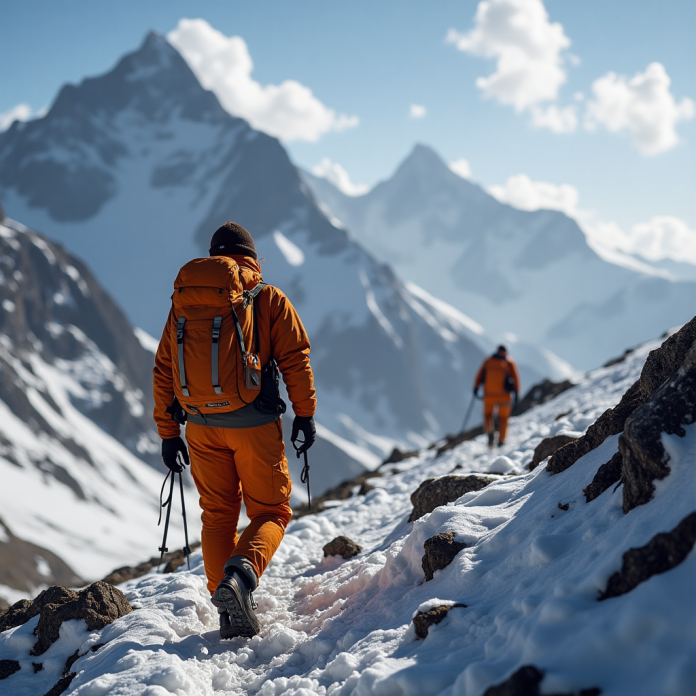
The number one reason trekkers turn back is altitude sickness (AMS). Despite following the “hike high, sleep low” rule, many still struggle with the thinning air as they climb past 3,500 meters (11,500 ft). Symptoms like headaches, nausea, and dizziness can force trekkers to descend early.


Other Common Reasons:

Exhaustion: The EBC trek isn’t a casual stroll. It’s a two-week grind over rugged terrain, with long daily hikes that test stamina and mental grit.

Weather woes: Sudden snowstorms or extreme cold, especially in shoulder seasons, can lead to flight cancellations in Lukla or unsafe trail conditions.

Injuries: Slippery trails and rocky paths claim plenty of twisted ankles and knee injuries.

But here’s the good news:

About 70% of trekkers DO complete it, standing proudly at the iconic base camp, gazing at the mighty Everest. With proper preparation, a gradual pace, and a touch of mental toughness, most healthy trekkers can make it.

Moral of the story?

The EBC trek is doable, but not guaranteed. Respect the mountain, listen to your body, and don’t underestimate those deceptively charming Himalayan trails.

Nepal Visa Guide 2026: Fees, Online Process & What to Know Before You Land

0
Nepal Visa Info
Nepal Visa Information

Planning a trip to Nepal means thinking about Himalayan sunrises, ancient temples, and steaming plates of momos. But before you lace up your trekking boots for Everest Base Camp or wander through Kathmandu’s heritage squares, there’s one essential step: understanding the visa process.

For 2026, Nepal’s visa-on-arrival system remains straightforward — with a few practical updates that make arrival smoother if you come prepared. Here’s everything you need to know.


Can You Pay Nepal Visa Fees Online in 2026?

Nepal continues to offer an online visa application portal where you can pre-fill your personal and travel details before arrival.

However, full online payment is still not available for most travelers prior to arrival. Payment is generally completed at the airport or official land border entry points.

In 2026, the system has become more streamlined at major entry points, with improved kiosks and digital processing — but payment still happens on arrival.

Think of the online form as a time-saving pre-registration, not a completed visa.

Official portal: Nepal Immigration Online Application (always use the government site)


Where You Get Your Visa

Most international travelers receive their visa at:

  • Tribhuvan International Airport

  • Official land border crossings with India and China

If you arrive by air, simply follow the “Visa on Arrival” signs after disembarking.


Visa on Arrival Process (Updated Flow for 2026)

The process remains simple:

  1. Fill the online form before flying (recommended).

  2. Use the self-service kiosks at the airport (if you didn’t apply online).

  3. Proceed to the payment counter.

  4. Submit your passport and payment receipt to immigration.

  5. Receive your visa sticker and enter Nepal.

Processing times are generally efficient, though peak trekking seasons (March–May and September–November) can still mean short queues.


Nepal Tourist Visa Fees (2026)

Visa fees remain unchanged:

  • 15 Days – USD 30

  • 30 Days – USD 50

  • 90 Days – USD 125

✅ All tourist visas are multiple-entry within the validity period.


Payment Options in 2026: What’s Reliable?

Payment systems have improved slightly in 2026, but here’s the honest advice:

Cash (Still the Safest Option)

  • US Dollars are preferred.

  • Major currencies like EUR, GBP, CHF, AUD, CAD, and JPY are typically accepted.

  • Bills should be clean and undamaged.

Card Payments

  • Card machines are more stable than in previous years.

  • However, connectivity issues still occasionally occur.

  • Do not rely solely on card payment.

TrekHeaven Tip: Bring enough USD cash for your visa and your first taxi or hotel transfer. It keeps your arrival smooth.


Free Visa Eligibility

SAARC Nationals

Citizens of SAARC countries receive:

  • A 30-day free visa once per calendar year

Children

  • Children under 10 (except US citizens) are eligible for free visas.


Visa Extensions in Nepal

Fell in love with Pokhara? Extended your trek? No problem.

Visa extensions can be done at:

  • Department of Immigration in Kathmandu

  • Immigration Office Pokhara

Extension Cost (2026)

  • USD 2 per day

  • Minimum extension: 15 days (USD 30 equivalent)

Overstaying fines are significantly higher — avoid that situation.


Important 2026 Notes for Travelers

  • Your passport must be valid for at least 6 months from your entry date.

  • Carry at least one blank visa page.

  • Travelers from certain countries may need to apply in advance — always verify with Nepal’s official immigration site before flying.

  • Travel insurance covering high-altitude trekking is strongly recommended if you’re heading into the Himalayas.


Common Questions

Can I use third-party visa services?

Yes, but they are not official government providers and charge service fees. Always verify legitimacy before submitting personal information.

What if I forget to fill the online form?

No problem. You can complete the process at airport kiosks, though it may take longer.

Will pre-filling the form skip the queue?

It speeds things up, but during peak trekking months, some waiting is still normal.


Final Thoughts

Nepal remains one of the most traveler-friendly countries in the world when it comes to visas. The system is simple, affordable, and efficient — especially if you arrive prepared.

Quick 2026 Checklist:

  • ✅ Complete the online application before departure

  • ✅ Bring visa fee in USD cash

  • ✅ Ensure 6 months passport validity

  • ✅ Have travel insurance if trekking

Once immigration stamps your passport, the real adventure begins — from Himalayan trails to temple courtyards and unforgettable food.

Nepal keeps the door open. You just need to walk through it prepared.

Top 5 Solo Treks in Nepal Under a Week

0

If you’re craving a quick solo adventure in Nepal but don’t have the time for a longer trek, you’re in luck! There are some fantastic treks that can be completed in less than a week. These trails offer breathtaking views, unique cultural experiences, and plenty of opportunities for solitude in nature. Here are the top five solo treks you can do in under a week.

1. Ghorepani Poon Hill Trek

  • Duration: 4-5 days
  • Difficulty: Easy to Moderate
  • Why it’s perfect for solo trekkers: This trek is one of the most popular in Nepal, and for good reason. The journey takes you through charming villages, lush forests, and offers incredible sunrise views from Poon Hill over the Annapurna and Dhaulagiri ranges. The path is well-trodden, and you’ll find plenty of fellow trekkers, which makes it a safe and easy option for solo travelers. Plus, the teahouses along the way are friendly and welcoming.

Quick Tip: The trek is accessible and requires only an ACAP permit (Annapurna Conservation Area Permit). The views from Poon Hill are a major highlight, so don’t miss the sunrise!

2. Langtang Valley Trek

  • Duration: 5-7 days
  • Difficulty: Moderate
  • Why it’s perfect for solo trekkers: Langtang is a quieter alternative to the more crowded EBC and Annapurna treks. This trek takes you through beautiful forests, past waterfalls, and into the stunning Langtang Valley, where you can get jaw-dropping views of Langtang Lirung and other peaks. The well-marked trail, combined with teahouses and relatively low altitude, makes it a great option for solo trekkers who want a peaceful yet adventurous trek.

Quick Tip: If you’re looking for a quiet, off-the-beaten-path experience without going too far from Kathmandu, Langtang is the perfect trek for you.

3. Helambu Trek

  • Duration: 4-6 days
  • Difficulty: Easy to Moderate
  • Why it’s perfect for solo trekkers: The Helambu Trek is an excellent choice if you’re short on time but still want to experience the beauty of the Himalayas. It’s just a short drive from Kathmandu, yet it offers serene forests, stunning views of the Langtang and Ganesh Himal ranges, and an insight into the Hyolmo culture. The trail is less busy, making it perfect for those who prefer a more solitary trekking experience.

Quick Tip: Helambu is a great trek for those looking for an easy introduction to the Himalayas without the crowds, and it’s very close to Kathmandu.

4. Sarangkot Trek

  • Duration: 2-3 days
  • Difficulty: Easy
  • Why it’s perfect for solo trekkers: Sarangkot is perfect for those who have limited time but want an unforgettable view. This short trek starts near Pokhara and takes you up to Sarangkot, where you’ll be treated to spectacular panoramic views of the Annapurna range and Phewa Lake. It’s an easy, relaxing trek that won’t take you more than a couple of days. And if you’re feeling adventurous, you can even try paragliding from the top!

Quick Tip: If you’re staying in Pokhara and want a quick escape to the mountains, Sarangkot is your go-to trek. You can even paraglide after reaching the top!

5. Gosaikunda Lake Trek

  • Duration: 5-7 days
  • Difficulty: Moderate
  • Why it’s perfect for solo trekkers: For those seeking a bit more of a challenge, the Gosaikunda Lake Trek is an amazing option. The trail leads to the sacred Gosaikunda Lake, nestled at a high altitude and surrounded by towering peaks. The trek offers a mix of forests, open meadows, and alpine lakes. The views of Langtang Lirung and Ganesh Himal are unbeatable. While the trek is a bit more challenging due to altitude, it’s still manageable for a solo traveler who’s in good shape.

Quick Tip: If you’re looking for something slightly more challenging but still under a week, Gosaikunda is a spiritual and scenic trek worth considering.


Final Thoughts

These five treks are perfect for solo travelers who want to explore Nepal’s natural beauty without committing to long, strenuous journeys. Whether you’re looking for easy access from Kathmandu, breathtaking mountain views, or peaceful solitude, these treks have something special to offer. Always remember to pack wisely, check the weather, and share your itinerary with someone before heading out.

What’s your favorite short trek in Nepal? Drop a comment and let’s talk about it!

Can You Trek Kanchenjunga or Manaslu Without a Guide in 2025?

0

Can You Trek Kanchenjunga or Manaslu Without a Guide in 2025?

If you’re dreaming of an epic adventure in Nepal and wondering whether you can trek Kanchenjunga or Manaslu without a guide, let’s get straight to the point: No, you cannot. Both treks fall under Nepal’s Restricted Area Permit (RAP) regulations, meaning hiring a licensed guide is mandatory—even if you’re an experienced trekker who prefers going solo.

Why Do You Need a Guide for These Treks?

Kanchenjunga and Manaslu both border Tibet and have long been restricted areas due to their remote nature, cultural sensitivity, and border security concerns. The Nepali government enforces guide requirements for safety, environmental conservation, and to regulate tourism in these areas.

Manaslu Circuit Trek (Including Tsum Valley)

  • Guide required: ✅ Yes, a licensed trekking guide is mandatory.
  • Minimum trekkers required: 2 people (but solo trekkers can get around this by paying for a “ghost permit” for an imaginary second person).
  • Permit requirements: Manaslu Restricted Area Permit + Manaslu Conservation Area Permit (MCAP) + Annapurna Conservation Area Permit (ACAP).
  • Checkpoints: Multiple strict checkpoints where permits and guide credentials are checked.

What trekkers say:
“Manaslu is an awesome trek with fewer tourists than Everest or Annapurna. You do need a guide, and permits are only issued for at least two trekkers, but solo trekkers can pay extra for a ghost permit.”

Kanchenjunga Trek (North & South Base Camps)

  • Guide required: ✅ Yes, a licensed trekking guide is mandatory.
  • Minimum trekkers required: 2 people (same ghost permit workaround as Manaslu).
  • Permit requirements: Kanchenjunga Restricted Area Permit + Kanchenjunga Conservation Area Permit.
  • Checkpoints: Less strict than Manaslu, but police checks at Ghunsa and other key points.

What trekkers say:
“There was only one unavoidable control point at Ghunsa, but you still officially need a guide. Some people might risk it, but it’s at their own responsibility.”

Can You Sneak Through Without a Guide?

While some trekkers claim to have done these treks without a guide, it’s risky—not just because of police checkpoints but also due to the remoteness, high-altitude challenges, and unpredictable weather. If you get caught, you risk being fined, turned back, or even deported. Not worth ruining your adventure, right?

Final Verdict: No Guide, No Trek

If you’re set on trekking Kanchenjunga or Manaslu, embrace the fact that hiring a guide is not just a legal requirement—it also enhances your experience. A good guide ensures smoother logistics, local insights, safety, and better cultural interactions.

Looking for alternative treks where you can go solo? Consider Langtang, Annapurna Circuit, or Everest Base Camp.

Have you trekked Manaslu or Kanchenjunga recently? Drop a comment below and share your experience! 🚶‍♂️🏔️

Nepal Nostalgia: Hippie Trails and the Legend of KC’s Restaurant

0
Brooks Wood, 1978. KC's Restaurant, Kathmandu
KC's Restaurant in Kathmandu

The Hippie Trail: A Journey to Freedom
Back in the ‘60s and ‘70s, a wave of young Western travelers set out on a journey eastward, seeking adventure, spirituality, and escape from the constraints of conventional society. This overland route, famously known as the Hippie Trail, stretched from Europe through Turkey, Iran, Afghanistan, Pakistan, India, and Nepal.

For many, Kathmandu was the final stop—a paradise of cheap living, cultural mystique, and a vibrant community of like-minded wanderers. Freak Street (Jhochhen Tole) became the heart of this movement, filled with small guesthouses, smoky tea shops, and hashish-laden cafes. As time passed, Thamel took over as the new traveler hub, welcoming a fresh wave of seekers, trekkers, and soul-searchers.

In this column, Nepal Nostalgia, we bring together the memories of those who walked these trails, sharing their stories of love, friendship, and unforgettable experiences in Nepal.

KC’s and the Golden Era of Hippie Trail Kathmandu

If the walls of KC’s restaurant in Kathmandu could talk, they would whisper stories of a time when Kathmandu was the final stop on a journey of discovery. The ‘60s and ‘70s saw young travelers from all over the world following the overland hippie trail, drawn to Nepal’s mystique, spirituality, and, of course, the irresistible charm of its people and places. KC’s was more than a restaurant—it was a meeting ground, a landmark, and a piece of history that still lingers in the memories of those who once passed through its doors.

A Place of Serendipity and Shared Meals

Tony Jones sums it up best: “Course we do. And he’s still a National Treasure around Thamel and beyond.” For many, KC was more than a restaurateur; he was a legend, a familiar face in a city where strangers became friends over shared meals.

Some, like one traveler, found more than just good food there:
“Visited the restaurant for the first time in ‘77. Went there again in ‘87 and shared a table with a woman who in the future became my wife. We went back together and had lunch there in 2016!”

That’s the magic of KC’s—the way it wove people’s stories together, making chance encounters into lifelong memories.

Christmas Feasts and Top Deck Adventures

For those on the road during the holidays, KC’s provided warmth and community.
“Had Xmas meal in 1976 at his restaurant,” recalls Sally Jobson, while Butch Hyslop fondly remembers “Xmas Meal for two busloads of Top Deck punters in 1982.”

It wasn’t just a restaurant; it was home for weary travelers who had spent months on the road, craving a place where they could celebrate and feel at ease.

The Changing Face of Thamel

Thamel, once a quieter alternative to Freak Street’s bohemian chaos, became the heart of Kathmandu’s traveler scene in the ‘80s and ‘90s. Paul Storey and Rajeev Goel reminisce about long-gone favorites like Jamaly’s Pie Shop and the legendary lemon meringue pies from the early ‘70s.

Larry Guzin paints a vivid picture of KC’s golden era:
“KC’s (“KC Steakpub and Bambooze Bar”, its advertised name) rose up in the heart of Thamel. It was THE traveler eatery in the 80s and 90s. Great food; large, round tables for big groups, great steaks and cakes and coffee for afternoons; intricate chalk-drawn wall menu; and a little fan to exhaust the dining room air and grab the diners’ attention. Now KC’s is a fraction of its original size and an afterthought of the KTM dining scene. KC’s was GREAT in its day!”

Change is inevitable, but for those who were there, the memories remain frozen in time—the laughter, the camaraderie, the steaming plates of food, and the sense of belonging in a city far from home.

The Legacy Lives On

KC’s is still standing in Thamel, though perhaps a shadow of its former self. But the stories, the nostalgia, and the impact it had on generations of travelers? Those remain.

Spencer White puts it simply: “I remember him. And decent food.”

For some, it was a quick meal. For others, it was where life-changing conversations happened. But for all, KC’s was part of a Kathmandu that welcomed the wanderers of the world with open arms.

 

Kathmandu Nights, Where Every Night is an Adventure

0

Namaste, fellow adventurers! Are you ready to dive headfirst into the vibrant tapestry of Kathmandu’s nightlife scene? Whether you’re a culture vulture, a music aficionado, or simply looking for some good old-fashioned fun, the bustling streets of Nepal’s capital city have something for everyone. So grab your sense of adventure and let’s embark on a whirlwind tour of Kathmandu’s Thursday and Friday night offerings!

Yoga Under the Stars

First things first – let’s kick off our Kathmandu nights with a little dose of zen. Picture this: you’re striking a warrior pose as the sun sets over the ancient cityscape, surrounded by fellow yogis and the soothing sounds of nature. Sounds dreamy, right? Well, you’re in luck! Kathmandu boasts a plethora of yoga studios and outdoor spaces offering sunset yoga sessions, perfect for finding your inner peace amidst the hustle and bustle of city life.

Concerts and Cultural Performances

If you’re craving a bit of rhythm and melody to liven up your Thursday night, Kathmandu has you covered. From traditional Nepali folk music to contemporary indie bands, there’s no shortage of concerts and cultural performances happening around town. Check out local venues like Moksh and Jhamsikhel for live music gigs that’ll have you tapping your toes and swaying to the beat all night long.

Foodie Adventures

Now, let’s talk about everyone’s favorite pastime – eating! Kathmandu is a foodie paradise, with an endless array of culinary delights waiting to be discovered around every corner. Whether you’re craving authentic Nepali momos, sizzling street food, or international cuisine with a local twist, you’ll find it all in the bustling markets and hidden alleyways of Kathmandu. So why not spend your Thursday night embarking on a culinary adventure and sampling the flavors of Nepal?

Night Market Shenanigans

If you’re in the mood for some late-night shopping and people-watching, Kathmandu’s night markets are where it’s at. From colorful handicrafts and handmade jewelry to vintage treasures and quirky souvenirs, you’ll find a little bit of everything as you weave your way through the bustling stalls and lively crowds. And who knows, you might even stumble upon a spontaneous dance party or impromptu street performance along the way – because in Kathmandu, anything is possible.

So there you have it, fellow night owls – a taste of the endless possibilities that await you in Kathmandu after dark. Whether you’re seeking serenity on the yoga mat, grooving to the beat at a live music gig, or indulging in a culinary feast fit for a king, Kathmandu’s Thursday and Friday nights are yours for the taking. So go ahead, embrace the chaos, soak up the culture, and let the adventure begin. After all, in Kathmandu, the night is young and the possibilities are endless!

Bisket Jatra: Nepal’s Colorful Celebration of Tradition and Tomfoolery

0
Bisket Jatra

Bisket Jatra: Nepal’s Colorful Celebration of Tradition and Tomfoolery

Greetings, wanderers and merrymakers! Today, we’re diving into the vibrant and spirited world of Bisket Jatra, Nepal’s most exhilarating and quirky festival. Get ready to immerse yourself in a whirlwind of tradition, culture, and a healthy dose of good-natured mischief as we explore this unique celebration.

What is Bisket Jatra?

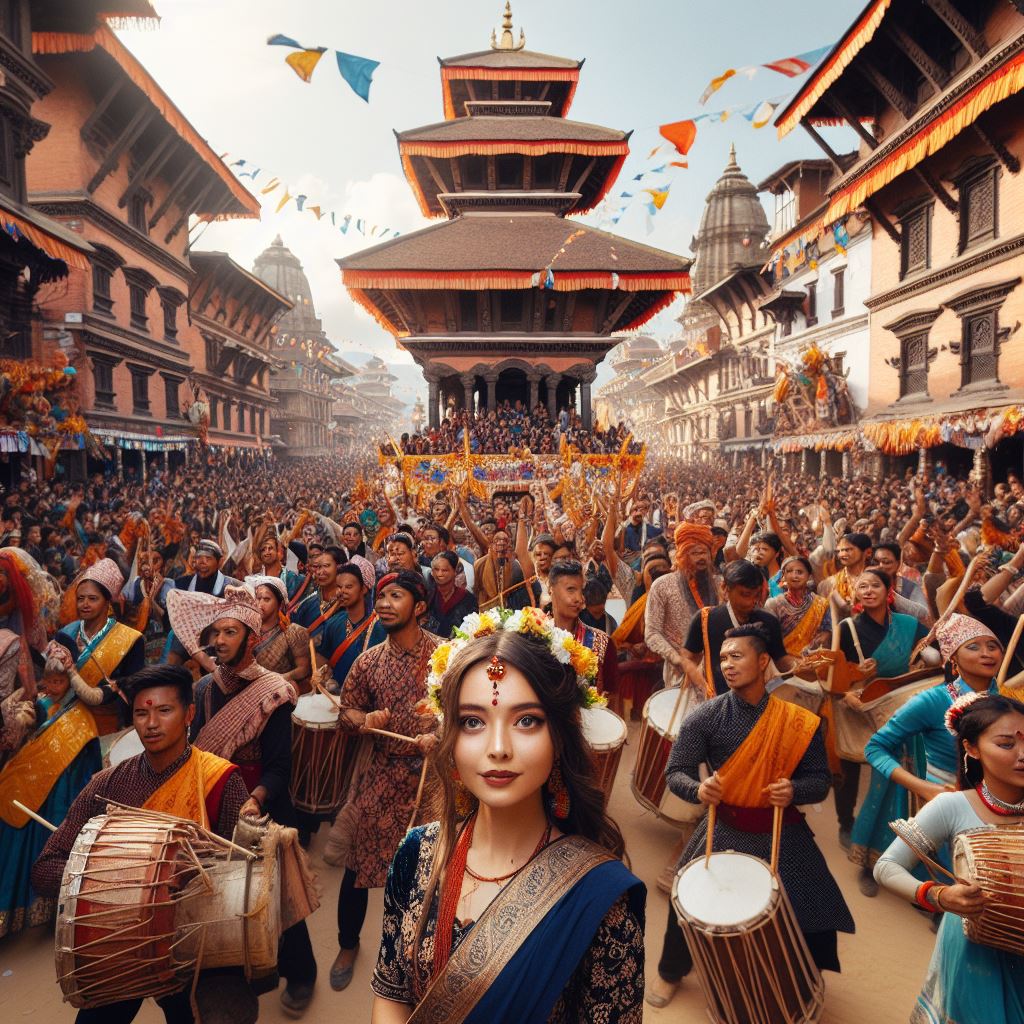
Bisket Jatra, also known as Biska Jatra or Bisket Festival, is an ancient New Year celebration observed by the Newar community in Nepal. Held annually during the Nepali New Year (usually in April), this lively festival marks the beginning of the Nepali calendar and is celebrated with gusto in the ancient city of Bhaktapur.

The Festive Fanfare

Picture this: the sun is shining, the air is filled with the sound of drums and cymbals, and the streets of Bhaktapur are ablaze with color and excitement. That’s Bisket Jatra in a nutshell. The festival kicks off with the erection of a tall wooden pole, known as the “Yosin,” in the heart of the city. This iconic pole serves as the centerpiece of the festivities and is adorned with colorful flags and banners.

Tomfoolery and Tradition

Now, here’s where things get interesting. Bisket Jatra is renowned for its playful and sometimes downright mischievous traditions. One of the highlights of the festival is the chariot procession, where two towering chariots representing the god Bhairab and the goddess Bhadrakali are paraded through the streets. But here’s the twist – the chariots are pulled by enthusiastic revelers who engage in friendly (and sometimes not-so-friendly) tug-of-war battles along the way. Talk about a workout!

The Great Tongue Tug-of-War

If you thought the chariot tug-of-war was intense, just wait until you hear about the Great Tongue Tug-of-War. Yes, you read that right. During Bisket Jatra, teams of men compete in a bizarre yet exhilarating contest where they tug on long ropes with their teeth, attempting to pull a massive wooden chariot across town. It’s a spectacle like no other and a true test of strength and determination – not to mention dental hygiene!

A Feast for the Senses

But Bisket Jatra isn’t just about pulling chariots and engaging in tongue-based tomfoolery. It’s also a feast for the senses, with traditional music, dance, and delicious food filling the streets. From mouthwatering street snacks like sel roti and samosas to the rhythmic beats of traditional Newari drummers, there’s something to delight every palate and eardrum.

Conclusion: Join the Festive Fun!

So there you have it, folks – a glimpse into the colorful and spirited world of Bisket Jatra. Whether you’re a seasoned traveler or a curious adventurer looking for your next cultural escapade, this lively festival is not to be missed. So pack your sense of humor, lace up your dancing shoes, and get ready to join the festive fun in the ancient city of Bhaktapur. After all, where else can you witness a tongue tug-of-war? Only in Nepal, my friends. Only in Nepal.

Galloping into Tradition: Experience Nepal’s Ghode Jatra Festival on April 8 This Year

0
Ghode Jatra festival at Kathmandu.

Galloping into Tradition: Experience Nepal’s Ghode Jatra Festival on April 8 This Year
Nepal, a land of vibrant culture and rich traditions, holds a myriad of festivals that are as captivating as they are colorful. Among these, Ghode Jatra stands out as a unique celebration that combines history, religion, and a dash of equestrian excitement. If you’re a foreign tourist looking to immerse yourself in Nepal’s cultural tapestry, Ghode Jatra is an event you won’t want to miss. This year the Ghode Jatra festival falls on 8th of April.

What is Ghode Jatra?

Ghode Jatra, translated as the “Festival of Horses,” is an annual extravaganza celebrated in the heart of Kathmandu, Nepal. Picture this: a bustling city square, adorned with vibrant decorations and buzzing with energy. Add to that the thundering hooves of horses, the rhythmic beats of drums, and the infectious laughter of locals—it’s a spectacle unlike any other.

A Blend of Tradition and Excitement

Now, let’s talk about the main event—the horse race. But hold your horses, pun intended! This isn’t your average race. Here, skilled riders from across the valley showcase their equestrian prowess in a competition that’s as thrilling as it is traditional. It’s not just about speed; it’s about grace, skill, and maybe a sprinkle of good luck.

As a foreign tourist, you might find yourself torn between rooting for your favorite rider and marveling at the cultural significance of the event. But fear not, there’s plenty of excitement to go around. Feel the adrenaline rush as the horses gallop past, their riders displaying a perfect balance of concentration and determination.

Beyond the Racetrack

But Ghode Jatra is more than just a horse race—it’s a celebration of Nepali heritage and community spirit. Take a stroll around the festival grounds, and you’ll encounter a feast for the senses. From traditional music and dance performances to mouthwatering street food stalls, there’s something to delight every traveler’s palate.

And let’s not forget the colorful processions and cultural displays that add to the festival’s charm. Marvel at the intricately crafted masks, admire the vibrant costumes, and join in the joyous festivities as locals come together to honor their traditions.

Tips for Foreign Adventurers

Now, before you saddle up for Ghode Jatra, here are a few tips to ensure you make the most of this exhilarating experience:

  1. Embrace the Chaos: Ghode Jatra can be a whirlwind of sights, sounds, and sensations. Embrace the chaos, soak in the atmosphere, and let yourself be swept away by the festivities.
  2. Arrive Early: To snag the best vantage points for the horse race and cultural performances, consider arriving early to secure your spot.
  3. Dress the Part: Blend in with the locals by donning traditional Nepali attire or opt for comfortable clothing and footwear to navigate the bustling crowds with ease.
  4. Sample the Street Food: Indulge your taste buds with a variety of delicious street food offerings, from savory momos to sweet treats like sel roti.
  5. Capture the Moments: Don’t forget to capture the magic of Ghode Jatra through photographs and videos. It’s a memory you’ll want to cherish for years to come.

In Conclusion

Ghode Jatra is more than just a festival—it’s a cultural extravaganza that offers a glimpse into the heart and soul of Nepal. So, saddle up and join the festivities as we gallop into tradition, one hoofbeat at a time. Who knows? You might just find yourself falling head over hooves for this unforgettable celebration

Exploring Pokhara: Alternative Activities for Physically Challenged Individuals

0

Introduction: Pokhara, with its breathtaking natural beauty and vibrant culture, offers a myriad of activities for travelers of all abilities. If you find yourself in Pokhara with a foot injury or any other physical challenge that limits your mobility, fear not! There are still plenty of enriching experiences to be had in this enchanting city.

  1. Lakeside Strolls: One of Pokhara’s most beloved attractions is Lakeside, a bustling area brimming with cafes, shops, and stunning views of Phewa Lake. Despite physical limitations, you can still enjoy leisurely strolls along the lakeshore, taking in the serene ambiance and soaking up the scenic vistas. The flat, paved pathways make Lakeside easily accessible for wheelchair users or those with limited mobility.
  2. Boating on Phewa Lake: While trekking or hiking might be off the table, a peaceful boat ride on Phewa Lake provides an excellent alternative for experiencing Pokhara’s natural beauty up close. Numerous boat operators offer accessible options, including paddleboats and rowboats equipped with ramps for easy boarding. Glide across the tranquil waters, marveling at the reflection of the surrounding mountains in the crystal-clear lake.
  3. Cultural Immersion: Immerse yourself in Pokhara’s rich cultural heritage by visiting local museums, art galleries, and heritage sites. The International Mountain Museum showcases the history and culture of the Himalayas, offering informative exhibits that can be enjoyed at a leisurely pace. Additionally, you can explore the Old Bazaar area, known for its traditional architecture, bustling markets, and vibrant street life.
  4. Scenic Drives and Sightseeing: Pokhara boasts an abundance of scenic drives and viewpoints that offer panoramic vistas of the Annapurna mountain range and the surrounding valleys. Hire a car or join a guided tour to explore attractions such as Sarangkot, a hill station renowned for its stunning sunrise views, or the Peace Pagoda, a symbol of peace and harmony that overlooks the city. These excursions allow you to admire Pokhara’s beauty from the comfort of a vehicle, making them suitable for individuals with mobility challenges.
  5. Relaxation and Wellness: Take advantage of Pokhara’s reputation as a wellness destination by indulging in rejuvenating spa treatments or yoga sessions. Numerous spas and wellness centers offer accessible facilities and specialized services tailored to the needs of individuals with disabilities. Treat yourself to a therapeutic massage, practice gentle yoga poses, or simply unwind in serene surroundings, allowing yourself to rest and recharge.

Conclusion: While physical limitations may present challenges, they need not dampen your spirits or hinder your enjoyment of Pokhara. By embracing alternative activities that cater to your abilities, you can still immerse yourself in the beauty, culture, and serenity that this enchanting city has to offer. Whether it’s a leisurely lakeside stroll, a scenic boat ride, or a cultural excursion, Pokhara welcomes you to explore, experience, and find joy in every moment.

Celebrating Holi in Pokhara: A Vibrant Experience of Color and Culture

0
Holi Celebration at Pokhara

Holi, the festival of colors, is a celebration that transcends borders and brings people together in joyous harmony. In Pokhara, Nepal, this vibrant festival takes on a unique charm, offering locals and travelers alike an unforgettable experience. From colorful streets to jovial gatherings, celebrating Holi in Pokhara promises moments of sheer delight and cultural immersion.

Exploring the Holi Celebration in Pokhara: Nestled amidst the stunning landscapes of Nepal, Pokhara is renowned for its natural beauty and rich cultural heritage. During Holi, the city comes alive with a kaleidoscope of colors and exuberant festivities.

  1. Lakeside Revelry: Lakeside in Pokhara is the heart of the city’s Holi celebrations. The shores of Phewa Lake become a canvas for revelers to douse each other in vibrant hues of gulal (colored powder). The atmosphere is electric, with music, dance, and laughter filling the air. Visitors can join in the festivities, immersing themselves in the spirit of Holi alongside locals and fellow travelers.
  2. Traditional Rituals: While Holi is primarily a festival of joy and merriment, it also holds cultural significance. In Pokhara, the festivities often begin with prayers and offerings at local temples. One such temple is the Bindhyabasini Temple, where devotees gather to seek blessings before partaking in the revelry. This blend of traditional rituals and modern celebrations adds depth to the Holi experience in Pokhara.
  3. Community Spirit: What sets Holi celebrations in Pokhara apart is the strong sense of community. Families and friends come together to celebrate, sharing sweets, traditional delicacies like sel roti, and good cheer. Travelers are welcomed into this warm embrace, fostering connections and creating lasting memories.
  4. Cultural Performances: In addition to color play and merrymaking, Holi in Pokhara often features cultural performances that showcase Nepal’s rich heritage. From folk dances to musical performances, these events offer insights into the country’s diverse traditions and bring people closer through shared experiences.
  5. Eco-Friendly Initiatives: In recent years, there has been a growing awareness of the environmental impact of Holi celebrations, particularly concerning the use of synthetic colors. In Pokhara, there is a concerted effort to promote eco-friendly alternatives, such as natural plant-based colors, to minimize harm to the environment. This emphasis on sustainability adds a thoughtful dimension to the festivities.

Conclusion: Celebrating Holi in Pokhara is an immersive experience that captivates the senses and celebrates the spirit of togetherness. Amidst the backdrop of breathtaking natural beauty, the city’s Holi celebrations offer a blend of tradition, culture, and exuberance that leave a lasting impression on all who partake. Whether you’re a seasoned traveler or a first-time visitor, Holi in Pokhara promises moments of joy, connection, and vibrant celebration.