Home Blog

Everest Base Camp Trekking Gear Guide: What You Really Need

0
Trekking-Pants-EBC

Trekking to Everest Base Camp is a dream adventure, but it comes with a challenge that starts before you even set foot on the trail: gearing up right. The gear list can feel overwhelming at first—jackets, boots, poles, gloves, sleeping bags, and more. But here’s the truth: you don’t need everything the outdoor store is trying to sell you. You just need the essentials that keep you warm, dry, and comfortable in the high-altitude environment.

This guide explains each piece of gear in detail so you know exactly why it matters, when you’ll use it, and what features to look for.


Jackets (Down & Insulated)

At higher altitudes (4,000–5,000+ meters), temperatures drop dramatically, especially at night.

  • Down Jacket: Your evening and early-morning lifesaver. A good-quality down jacket provides unmatched warmth in teahouses where heating is limited. Look for 650–800 fill power with a hood for maximum insulation.

  • Synthetic/Insulated Jacket: Ideal for daytime use or when the weather turns windy but not freezing. Synthetic fill performs better if it gets damp, making it a smart backup.

Picking the Right Down Jacket for EBC—Because Freezing Isn’t Fun


Mid Layers

Think of these as the flexible pieces you’ll wear most often.

  • Fleece Pullovers or Hoodies: Lightweight, breathable, and quick-drying. Perfect for layering over your base layers.

  • Thin Down or Synthetic Mid-layer: Some trekkers prefer ultralight insulated jackets as mid-layers for added warmth without bulk.

  • Why It Matters: You’ll often put on or remove mid-layers multiple times in a single day as temperatures shift between sunny afternoons and windy ridge walks.

Mid Layers & Leggings for EBC: Smart, Layered Comfort for the Himalayas


Base Layers & Leggings

The first layer in contact with your skin is critical.

  • Merino Wool Base Layers: Excellent moisture-wicking, odor resistance, and warmth. Perfect for multi-day use.

  • Synthetic Base Layers: Cheaper and effective, though they don’t resist odors as well as merino.

  • Leggings/Thermals: Fleece-lined leggings or thermal bottoms add warmth for high-altitude nights or the final push to Kala Patthar.

Mid Layers & Leggings for EBC: Smart, Layered Comfort for the Himalayas


Trekking Pants

You’ll spend nearly all day in these, so comfort is key.

  • Lightweight Pants: Quick-drying, non-cotton trekking pants are best for most of the trail.

  • Convertible Pants: Great for lower altitudes where it can be hot during the day.

  • Insulated Pants: A thicker, lined pair for higher sections ensures comfort when temperatures dip below zero.

What Kind of Trekking Pants Do You Actually Need for Everest Base Camp?


Boots

Your boots can make or break your trek.

  • Trekking Boots: Waterproof, ankle-supporting, and already broken-in. Look for sturdy soles for rocky paths.

  • Fit Is Everything: Try on with trekking socks before buying. Your toes shouldn’t hit the front even when walking downhill.

  • Trail Runners? Some trekkers swear by them, but with EBC’s rocky, snowy, and sometimes muddy trails, boots remain the safer choice.

Choosing the Right Shoes for Everest Base Camp—Because Blisters and Twisted Ankles Suck


Socks

Often overlooked, but they’re crucial.

  • Lightweight Socks: For lower altitudes where your feet may sweat more.

  • Heavy Wool Socks: For higher altitudes and colder nights.

  • Tip: Bring enough pairs to rotate and let damp ones dry out. Moisture = blisters.

[Full article on Trekking Socks]


Sleeping Bag

Teahouses provide blankets, but once you reach Lobuche or Gorak Shep, nights can dip below -15°C.

  • Recommended Rating: At least -10°C comfort, -20°C lower limit.

  • Shape: Mummy-style bags trap heat more effectively.

  • Tip: If you’re renting in Kathmandu, check cleanliness and zippers carefully before accepting.

Sleeping Bag Guide for Trekking in Nepal: What to Bring, Buy or Rent for Every Season


Backpack & Duffel

You’ll carry a daypack while your porter carries the heavy load.

  • Daypack (30–40L): For water, snacks, camera, sunscreen, and extra layers. A rain cover is a must.

  • Duffel Bag (up to 15kg): Most trekking agencies provide these. This is where you’ll pack bulkier gear carried by your porter.

What’s the Best Backpack for the Everest Base Camp Trek?
What Size Duffel Bag Do You Need for the Everest Base Camp Trek?


Trekking Poles

Your secret weapon for saving your knees.

  • Adjustable Poles: Shorten them on climbs, lengthen for descents.

  • Collapsible Design: Easier to pack when flying in or riding jeeps.

  • Why Use Them: Reduces stress on joints, especially during the long downhill sections from Gorak Shep to Namche.

Trekking Poles for Everest Base Camp: Do You Really Need Them?


Sunglasses

UV rays are brutal at high altitude, especially with snow glare.

  • Features to Look For: 100% UV protection, polarized lenses, and wrap-around or side shields.

  • Glacier Glasses: Strongly recommended if trekking during spring or winter when snow is common.

Trekking to Everest Base Camp? Here’s the Truth About Sunglasses


Gloves

You’ll need at least two pairs.

  • Liner Gloves: Lightweight, breathable gloves for daytime trekking.

  • Insulated Gloves: Waterproof, heavy gloves for nights and high-altitude mornings.

What Kind of Gloves Do You Really Need for the Everest Base Camp Trek?


Sunscreen & Lip Balm

Don’t underestimate the Himalayan sun.

  • Sunscreen: SPF 30–50+ broad spectrum. Reapply every 2–3 hours.

  • Lip Balm: SPF-protected balm prevents painful cracks at high altitude.

  • Tip: Pack extra—small items get lost easily in teahouses.

Do You Really Need Sunscreen at Everest Base Camp? (Spoiler: Yes, You Do!)


Extra “Underrated Essentials”

Some small items can make a massive difference:

  • Electrolyte tablets for rehydration.

  • Moisturizer for dry, cracked skin.

  • Duct tape for gear repairs or blister prevention.

  • Small padlock for teahouse rooms.

  • Pee bottle for cold nights when you don’t want to go outside.

What Most People Forget to Pack for Everest Base Camp (But You Shouldn’t!)


Final Thoughts

The Everest Base Camp trek doesn’t demand the most expensive gear—it demands the right gear. Focus on layering, warmth, and comfort rather than fancy branding.

If you’d like to dig deeper, we’ve created individual gear guides that unpack each category with pro tips, product recommendations, and field-tested advice from trekkers who’ve been there.

Your journey to the base of the world’s highest mountain deserves preparation that works as hard as you do. Pack smart, trek strong, and let the Himalayas take care of the rest.

Safe to Travel in Nepal After the GenZ Protest: What Tourists Need to Know

0

Nepal has always been a country of warm welcomes, breathtaking mountains, and timeless cultural heritage. But like many countries, it sometimes goes through waves of political protest. This September, Nepal saw the GenZ Protest hit the headlines, leading many potential travelers to ask the same question: “Is it safe to visit Nepal right now?”

The short answer: Yes, Nepal is back to normal, and travel is safe.


What the Situation Looks Like on the Ground

Reports from travelers who have just arrived in Nepal paint a clear picture:

  • Calm and Open: Shops, restaurants, and hotels are open, with no signs of disruption.

  • Tourist Flow: Visitors have been touring UNESCO World Heritage sites, wandering around Thamel, and enjoying the atmosphere without trouble.

  • Safety Presence: Light police and military patrols are visible, especially in the evenings, not as a sign of chaos but to ensure everyone feels safe.

  • Friendly Vibe: Local shopkeepers and guides are welcoming as always, with tourism back in full swing.

As one traveler from Australia shared after two days in Kathmandu:

“Everything is open, everything calm. Thamel is relaxed, people are friendly, and the airport process was smooth and quick.”


Airport and Entry Updates

  • Kathmandu Airport (TIA): Fully operational and running smoothly. In fact, some travelers reported a quieter-than-usual arrival experience, making the process faster.

  • Transportation: Domestic flights and buses are running on schedule. Trekkers are moving on to Pokhara, Lukla, and Chitwan without any reported delays.


Travel Advisory for Tourists

While Nepal is safe to visit, it’s always wise to travel with awareness:

  1. Avoid Large Crowds: If you notice a political gathering or protest in progress, steer clear. These are rare but best avoided.

  2. Stay Updated: Follow your trekking agency or tour operator for real-time updates. Local operators are excellent at sharing ground realities.

  3. Evening Security: You may notice security patrols in the evenings around central areas like Thamel. This is a precautionary step for your safety.

  4. Tourism First: Nepal’s tourism sector thrives on its guests. Everyone from tea house owners in the Himalayas to rickshaw drivers in Kathmandu is focused on welcoming travelers warmly.


What This Means for Your Nepal Adventure

  • Trekkers heading to Everest Base Camp, Annapurna, or Manaslu can continue with their plans. Routes are open and safe.

  • Cultural explorers can enjoy Pashupatinath, Boudhanath, Swayambhunath, Bhaktapur, and Patan without restrictions.

  • Post-trek destinations like Chitwan and Pokhara remain unaffected and fully accessible.


Final Word

Nepal is as safe, welcoming, and awe-inspiring as ever. The GenZ Protest has passed, and daily life is back on track. Tourists are moving freely, enjoying the mountain air, bustling bazaars, and sacred temples without worry.

If you’re planning a trip, there’s no reason to hold back. Just keep the usual common-sense advice in mind: avoid political gatherings, stay informed through local updates, and let Nepal’s legendary hospitality take care of the rest.

Nepal is open. Nepal is safe. Nepal is waiting for you.

Medication on the Everest Base Camp Trek: What Trekkers Actually Carry and Use

0
EBC-ALTITUDE-SICKNESS

If you’ve booked your Everest Base Camp trek, chances are you’ve already sorted boots, jackets, and maybe even a new camera. But here’s a less glamorous (and far more important) part of your packing list: medication.

A common question we hear from trekkers is:
“Should I bring antibiotics with me for the EBC trek?”

The short answer is: yes, but thoughtfully. The longer answer is that antibiotics are just one piece of the medical kit puzzle. Trekking to 5,364 meters exposes you not just to altitude but to everything from dusty trails and stomach bugs to unexpected colds in crowded tea houses. Based on traveler experiences, here’s a realistic guide.


Core Medications Trekkers Recommend Carrying

Here’s what experienced trekkers have shared they packed (and often used):

  • Altitude-related

    • Diamox (Acetazolamide) – for altitude sickness prevention and early treatment.

    • Aspirin or Ibuprofen – for headaches (though hydration is still your best friend).

  • Stomach and digestion

    • Antibiotics – for serious gastrointestinal infections or respiratory issues (consult a doctor for the right type and dosage before traveling).

    • Diarrhea tablets (Loperamide, oral rehydration salts like Hydralyte).

    • Constipation tablets – yes, altitude and diet changes can cause both ends of trouble.

  • Cold, flu, and infections

    • Cold and flu tablets, cough lozenges, antihistamines – communal lodges make colds spread like wildfire.

    • Antibiotic eye drops – dust and dry winds can trigger conjunctivitis.

    • Creams – DermAid or antiseptic creams for skin irritations; Deep Heat for sore muscles.

  • General relief and supplements

    • Paracetamol and Ibuprofen – standard painkillers for aches.

    • Magnesium tablets or spray – for cramps.

    • Garlic supplements – some trekkers swear it helps with altitude, though the science is mixed.

  • Trail safety and first aid

    • Water purification tablets (Aqua Tabs) – never trust untreated water.

    • Anti-blister tape and Band-Aids – your feet will thank you.


Do You Really Need Antibiotics?

Here’s the breakdown:

  • Yes, for emergencies – Some trekkers reported needing antibiotics for skin infections, respiratory infections, or severe stomach bugs during long treks. Having a small course prescribed by your doctor can save your trek.

  • Pharmacies exist on the trail – Namche Bazaar and Dingboche both have pharmacies where you can find common medicines, including Diamox. Still, quality and availability aren’t guaranteed.

  • Personal comfort – If the idea of being stranded in a remote lodge with a raging infection keeps you up at night, bring them. But don’t self-prescribe—always consult your travel doctor beforehand.


On-the-Trail Reality Check

  • Almost everyone gets a little sick – coughs, colds, stomach issues, or minor eye infections are common.

  • Not everything in your kit will be used – one trekker carried half a pharmacy and only ended up using eye drops for dust.

  • Balance is key – pack what you might realistically need without overloading your bag.


Pro Tips

  • Visit a travel clinic before you fly. A doctor can tailor antibiotics and other meds to you personally.

  • Keep meds in their original packaging with prescriptions—important for both customs and safe usage.

  • Hydrate, eat well, and rest—prevention is still better than medication.


EBC Trek Medication Checklist

Category Medication Why It’s Needed Essential / Optional
Altitude Sickness Acetazolamide (Diamox) Helps prevent and reduce symptoms of AMS. Essential (if prescribed by doctor)
Dexamethasone Emergency backup for severe AMS/HACE (usually carried by guides/doctors). Optional (trekker usually doesn’t carry unless trained)
Nifedipine For HAPE (high-altitude pulmonary edema) emergency use. Optional (carried by medical staff)
Pain & Fever Paracetamol (Acetaminophen) General pain relief, fever reducer. Essential
Ibuprofen Stronger anti-inflammatory painkiller, also helps with altitude headache. Essential
Aspirin Sometimes recommended for mild headache, inflammation, or blood thinning. Optional
GI / Stomach Issues Oral Rehydration Salts (ORS) / Hydralyte Prevent dehydration from diarrhea or exertion. Essential
Loperamide (Imodium) Controls diarrhea for emergencies (bus rides, flights). Essential
Antibiotics for GI infection (e.g. Azithromycin, Ciprofloxacin – consult doctor) For severe bacterial diarrhea or stomach infection. Essential (small course)
Antacids (e.g. Rennie, Omeprazole) Helps with indigestion, acidity at altitude. Optional
Respiratory / Cold Antihistamines (Cetirizine, Loratadine) For allergies, runny nose, mild sinus issues. Optional
Decongestants (pseudoephedrine nasal spray) Can ease blocked nose, but may worsen dehydration. Optional
Cough drops / lozenges Helps with dry throat in dusty, cold air. Essential
Injury & Skin Blister care kit (Compeed, moleskin, tape) Trekkers’ most common injury is foot blisters. Essential
Antiseptic cream (Savlon / Betadine) Treats cuts and scratches. Essential
Antibiotic cream (Fusidic acid / Neosporin) For small infected wounds. Essential
Deep heat or muscle relaxant cream Helps with sore muscles after long treks. Optional
Sunscreen SPF 30+ & Lip Balm SPF 30+ Harsh UV at high altitude can cause burns. Essential
Eyes & Ears Lubricating eye drops Dust and wind often cause eye irritation. Optional but useful
Sunglasses (UV, polarized) Prevent snow blindness and UV damage. Essential (gear)
Other Useful Items Water purification tablets (AquaTabs) or filter Prevents waterborne illness. Essential
Sleeping aid (Melatonin) For jet lag / altitude sleep trouble (avoid strong sedatives). Optional
Magnesium / electrolyte tablets Helps with cramps and hydration. Optional
Personal prescriptions Any meds you already take. Essential

Rule of thumb:

  • Essentials = proven necessary for most trekkers (altitude, GI, pain, hydration, wounds).

  • Optional = situational, based on personal health, trek style, and medical advice.

Medical Facilities on the EBC Trek: Clinics, Health Posts & the Everest ER

When you’re trekking EBC, medical help is available—but only in certain places, in limited capacity. It pays to know where the help is, and what it can and cannot do.

Location / Village Elevation Facility Type What They Can Provide Limitations / Notes
Lukla ~2,860 m Government Health Post + Flight/Rescue Clinic Basic first aid, screening, some altitude‐related meds (if in stock). Helicopter landing point. balhiking Very basic; no high altitude medicine like hyperbaric chambers. Supplies often limited. balhiking
Namche Bazaar ~3,440 m Himalayan Rescue Association (HRA) clinic; Namche Health Post; Namche Community Clinic / Mountain Medical Institute balhiking+2tmmi.com.np+2 Altitude illness screening (pulse oximetry), oxygen, first aid, minor medicines, pharmacy. Lab tests in some clinics. Access Nepal Tour and Trekking+4balhiking+4tmmi.com.np+4 During off-season, hours may be reduced. Supply constraints for some medicines. Language and human resources vary. balhiking+1
Tengboche (Thyangboche) ~3,870 m Seasonal HRA / Govt clinic Basic altitude sickness help, oxygen, first aid. balhiking Open only part of the year (peak trekking seasons). Smaller facility. balhiking
Pheriche ~4,240 m HRA Clinic / Private Clinic / SPCC Hospital Crucial high-altitude medical facility. They can deal with AMS, HAPE, HACE. They have oxygen, IV fluids, portable hyperbaric chamber (Gamow bag) at times. balhiking+2asc360.com+2 Even here, severe cases need evacuation; supply shortages can occur; conditions tough. balhiking+1
Dingboche ~4,410 m Guesthouse first-aid corners; some small clinics depending on season balhiking+1 Over-the-counter pain meds, basic altitude remedies, possibly Diamox or OTC supplies. balhiking+1 No full clinic/hospital; higher risk locations if condition worsens. balhiking
Gorak Shep / Everest Base Camp ~5,150–5,364 m Everest ER (seasonal clinic at Base Camp); Guesthouses for first aid only Alpine Luxury Treks+1 At Everest Base Camp in peak seasons (usually April–May) the Everest ER is set up to provide on-site emergency care & stabilization. Doctors aid climbers, support staff, and trekkers. They handle altitude emergencies and stabilize before evacuation. everest-er.org+1 It’s seasonal and not full-service like a hospital. Only stabilisation, basic care; severe cases still require helicopter or descent. Supplies can be limited. Weather often affects evacuation timing.

What This Means for Your Trek & Medical Kit

  • Don’t rely on finding any clinic above Dingboche that can handle severe altitude sickness or greater complications.

  • Everest ER is a comfort (for climbers especially), but it is not a hospital—it can’t replace good preparation.

  • Always bring a first-aid kit with meds for at least these: altitude sickness (e.g. Diamox or as prescribed), pain killers, antibiotics (consult your doctor), diarrhea, blister care, etc.

  • Travel insurance that explicitly covers evacuation by helicopter is essential. Even with medical posts, getting someone down from high altitude can be slow and urgent.

Final Word

Antibiotics on the EBC trek aren’t mandatory, but they’re often a smart backup. Combine them with a well-rounded personal medical kit, and you’ll be far more confident tackling the Khumbu trails. Remember: the best “medicine” on EBC is a steady pace, good hydration, and common sense.

Vaccinations for the Everest Base Camp Trek: What’s Really Needed and What’s Optional

0
Vaccination-for-EBC

You’ve booked your EBC trek, sorted your gear, and are probably counting down the days until those Himalayan peaks fill your view. But there’s one question that always gets asked in the weeks before departure: “Do I need vaccinations for the Everest Base Camp trek?”

Some trekkers swear by a long list of shots, others go with none at all, and then there’s the middle ground—cover the basics, skip the exotic ones. So, what’s actually essential? Let’s break it down.


The Must-Haves (Strongly Recommended by Health Experts)

These are the vaccines that most travel health specialists, including the CDC (Centers for Disease Control and Prevention) and UK NHS FitforTravel, recommend for Nepal trekkers:

  • Tetanus/Diphtheria/Pertussis (Tdap): Most people are already covered, but make sure your booster is up-to-date. Cuts and scrapes are common on trails.

  • Hepatitis A: Nepal has high rates of Hep A due to food and water hygiene issues. Since dal bhat and momos will be your daily diet, it’s a solid safeguard.

  • Typhoid: Another food- and water-borne illness risk. Available as an injection or oral capsules. Many trekkers call this one a no-brainer.


The Strong “Considerations”

  • Rabies:
    Rabies is endemic in Nepal. Kathmandu and the Khumbu trail have plenty of free-roaming dogs, plus occasional monkey encounters. Most dogs are harmless, but bites do happen. If you’re pre-vaccinated, you only need 2 booster shots after exposure (available in some trail clinics). Without it, you’d need immunoglobulin, which is rarely available outside Kathmandu.

    • If you’re nervous, planning long stays, or will be around animals: get it.

    • If you’re cautious and can avoid petting dogs: you may decide to skip.

  • Hepatitis B:
    Lower risk for most trekkers, but worth it if you’re planning medical work, tattoos, or longer stays in Nepal.

  • Polio:
    Though rare, there have been cases in South Asia. Many travelers top up before heading out.


Usually Not Needed for EBC

  • Japanese Encephalitis (JE):
    This mosquito-borne illness is present in Nepal—but mainly in lowland, tropical regions (the Terai, Chitwan, Lumbini). The EBC trek is far too high (and too cold) for the mosquitoes that spread it. You only need JE if you’re planning extended time in the south or volunteering in rural farming areas.

  • Cholera:
    Sometimes recommended for those spending lots of time in rural Nepal, but for trekkers sticking to the Khumbu teahouse route, the risk is minimal. Stick to boiled/filtered water instead.


What Trekkers Themselves Say

  • Many trekkers report going with just Hep A, Typhoid, and Tetanus.

  • Some add Rabies “for peace of mind,” especially after seeing the number of dogs in Kathmandu.

  • A few skip everything and are fine—but that’s a risk gamble only you can evaluate.

One trekker shared:

“My wife was bitten by a dog just walking past it. Luckily she’d had her rabies shots, so it was just two top-ups on the trail. Without that, we’d have needed an emergency trip back to Kathmandu.”

Another:

“I’ve been to Nepal multiple times, never had any vaccines except the basics. No problems. Rabies is rare, but the risk is there.”


Can You Get Vaccinated in Nepal?

Yes. Hospitals in Kathmandu such as CIWEC, HAMS, and Grande International Hospital offer travel vaccines like typhoid, rabies, and Hep A/B. Prices can be lower than at home, but timing matters—you’ll need multiple doses for some, which means starting weeks before the trek.


TrekHeaven Take: Pack Smart, Protect Smart

Here’s a simple way to think about it:

  • Absolute essentials: Tetanus booster, Hep A, Typhoid.

  • Worth considering: Rabies (especially if you’re uneasy about dogs/monkeys or don’t want to gamble with remoteness).

  • Situational: Hep B, Polio (ask your travel doctor).

  • Skip for EBC: Japanese Encephalitis, Cholera (unless traveling to lowland Nepal).


Vaccine Recommended For Why It Matters for Trekkers Notes
Hepatitis A All travelers Protects against contaminated food and water, a common risk in rural areas. Usually a single shot + booster.
Hepatitis B Long-term visitors, medical tourists, adventure travelers Risk from medical procedures or exposure to blood. Series of 3 shots.
Typhoid Most travelers Food and waterborne illness risk, especially in smaller towns or villages. Oral capsules or injection available.
Tetanus, Diphtheria, Pertussis (Tdap) All travelers (ensure up to date) Cuts and wounds are common on treks; tetanus risk is higher. Booster every 10 years.
Rabies Trekkers, cyclists, long-term visitors Stray dogs and monkeys are common in Nepal; access to treatment may be delayed in remote regions. Pre-exposure vaccine recommended if trekking off-grid.
Influenza (Flu) All travelers High altitude lodges have close contact, flu spreads fast. Annual shot, ideally before traveling.
Measles, Mumps, Rubella (MMR) All travelers (if not previously immunized) Outbreaks still occur in South Asia. Ensure two doses completed.
Polio All travelers Nepal is polio-free, but cases exist in nearby countries. Boosters recommended. Single lifetime booster if previously vaccinated.
Japanese Encephalitis (JE) Long-term rural visitors (esp. Terai region, summer/monsoon) Spread by mosquitoes, more common in farming areas than trekking routes. 2-dose vaccine.
COVID-19 All travelers Entry and travel regulations may still require proof; helps avoid health disruptions. Keep boosters updated.

👉 For short Himalayan treks like EBC or ABC, the core vaccines usually suggested are: Hepatitis A, Typhoid, Tetanus (booster), Influenza, and COVID-19. Others like Rabies and Japanese Encephalitis depend on your travel style and exposure.

Final Words

Every trekker’s comfort level is different. Some want maximum protection; others take a minimalist approach. What matters most is speaking with a travel doctor at least 6 weeks before departure to assess your medical history and travel plans.

The Everest Base Camp trek is challenging enough—you don’t want a preventable illness added to the list. A few needles before your trip might just mean fewer worries when you’re sipping tea in Namche or standing beneath Everest.

Nepal Bans Facebook, YouTube, WhatsApp, and More: What Travelers Need to Know

0

So, you’ve booked your ticket to Nepal—home of Everest, momos, and some of the friendliest people on the planet. But just as you’re dreaming of your Himalayan adventure, the government drops a digital curveball: Facebook, YouTube, Instagram, WhatsApp, X (Twitter), LinkedIn, Reddit, and 20+ other platforms are suddenly banned across Nepal.

If you’re wondering what this means for your trek, tour, or remote-working plans—don’t panic. Let’s unpack what’s going on, why it happened, and how to stay connected while you’re here.


Why Did Nepal Ban Social Media?

On September 4, 2025, Nepal’s government officially blocked 26 social media and streaming platforms after they failed to register locally and set up accountability systems by the August 28 deadline.

Here’s what the new rules required platforms to do:

  • Register with Nepal’s authorities.

  • Appoint a local representative and complaint-handling team.

  • Comply with requests to regulate harmful or misleading content.

Apps that didn’t comply—think Facebook, YouTube, WhatsApp, Instagram, LinkedIn, Reddit—are now inaccessible. On the other hand, apps like TikTok, Viber, Poppo Live, and WeTalk followed the rules and remain available.

The government says this is about digital sovereignty and curbing misinformation, while critics argue it’s edging toward censorship and limiting freedom of speech. The move was also backed by a Supreme Court directive, so it isn’t just a temporary hiccup.


What This Means for Travelers

For visitors, this isn’t just a political story—it’s a practical problem. Many trekkers and travelers use WhatsApp or Messenger to stay in touch with guides, book tea houses, or call family back home. With those apps offline, you’ll need alternatives.

Here’s what to expect on the ground:

  • No Facebook, Instagram, WhatsApp, YouTube, Twitter/X, or LinkedIn. Even if you used them at home, they won’t load once you’re on Nepali networks.

  • TikTok and Viber still work. These are the most reliable alternatives right now. Many Nepali guides and hotels are already shifting to Viber for communication.

  • Wi-Fi will be less useful for social apps. In teahouses and hotels, Wi-Fi connections are still sold, but your favorite apps may not function.

  • VPNs may help, but caution is needed. Some travelers use VPNs to bypass restrictions, but legality can be a gray area. Always check local laws before using one.


How to Stay Connected in Nepal Without Facebook or WhatsApp

Let’s get practical. If you’re trekking or touring Nepal in the coming weeks, here are a few strategies to make sure you’re not stranded digitally:

  1. Download Alternative Apps Before You Arrive

    • Viber: Widely used in Nepal, especially for calls and messaging.

    • Telegram: Gaining traction globally as a WhatsApp alternative.

    • TikTok: Still up and running, though not ideal for messaging.

  2. Get a Local SIM Card
    Both Ncell and Nepal Telecom sell prepaid SIM cards at Kathmandu airport and in major towns. Data packages are cheap, and local guides often prefer you to have a Nepali number.

  3. Old-School Backups Still Work

    • SMS and phone calls are still reliable and often easier for last-minute coordination.

    • Paper maps, guidebooks, and written itineraries suddenly look more appealing.

  4. Talk to Your Trekking Agency
    If you booked with a trekking agency, ask them which platform they’re using instead of WhatsApp. Many are already migrating to Viber or Telegram.


Voices on the Ban

  • Government view: Officials argue the ban ensures accountability and protects citizens from online harm.

  • Critics’ view: Groups like the Committee to Protect Journalists say the move is a step backward for press freedom and digital rights.

  • Travelers’ view: Frustration, mostly. Many trekkers relied on WhatsApp groups for coordination. Others are simply shifting to alternatives and moving on.


Travel Tip: Be Ready to Adapt

The Himalayas are about flexibility—weather changes, flights get delayed, and now, apparently, Facebook disappears. Here’s your quick checklist for digital survival in Nepal:

  • ✅ Install Viber and Telegram before you fly.

  • ✅ Keep cash handy—without WhatsApp Pay or easy online transfers, old-fashioned money rules.

  • ✅ Download offline maps like Maps.me or Google Maps offline.

  • ✅ Let family back home know how you’ll stay in touch (email, Viber, SMS).


Final Thoughts

Yes, it’s a little strange to imagine trekking in the shadow of Everest without posting a Facebook update at Namche Bazaar or a WhatsApp call from Gorak Shep. But remember—people trekked these trails long before smartphones, and the mountains themselves remain untouched by digital politics.

Take it as an opportunity: disconnect a little, explore more, and maybe even journal the old-fashioned way. Just don’t forget to download Viber before you land in Kathmandu.


👉 At TrekHeaven, we’ll keep tracking updates on Nepal’s digital policies, trekking tips, and everything that makes your Himalayan journey smoother. Stay tuned, stay flexible, and see you on the trail.

Reinhold Messner’s Everest First: The Day Solo Climbing Changed Forever

0

On 20 August 1980, the world of mountaineering shifted forever. On that day, Reinhold Messner, the South Tyrolean climber often called “the mountaineer of the century,” became the first human to summit Mount Everest solo without bottled oxygen.

It wasn’t just a climb—it was a statement. Messner proved that human endurance, when stripped of support and external aids, could still reach the highest point on Earth.


Everest Before Messner

Until 1980, Everest had been climbed several times without bottled oxygen, but never solo. Even the legendary Hillary and Tenzing in 1953 relied on oxygen, and expeditions typically meant large teams, Sherpa support, and logistical fortresses on the mountain.

Messner had already stunned the climbing world in 1978, when he and Peter Habeler became the first to climb Everest without supplemental oxygen. Doctors had called it “impossible” and warned of certain death above 8,000 meters without oxygen tanks. Messner proved them wrong.

But 1978 was a partnership. In 1980, he wanted to go further—alone.


The 1980 Ascent: Alone on the Mountain

Messner chose the North Face route in Tibet, far more desolate and windswept than the Nepalese side. Unlike today’s Everest traffic jams, the mountain was quiet, remote, almost alien.

  • He climbed without Sherpa support.

  • He carried no bottled oxygen.

  • He had no team behind him.

Just one man, one mountain, and the thin line between life and death.

On 20 August, after battling altitude, storms, and sheer exhaustion, he reached the summit of Everest—standing utterly alone at 8,848 meters (now measured 8,848.86 m). His words about the experience are haunting:

“I was nothing more than a single narrow gasping lung, floating over the mists and summits.”


Why It Mattered

Messner’s 1980 ascent wasn’t just another summit tick. It redefined what was possible.

  1. Solo + No Oxygen – No backup, no margin for error. The purest possible form of climbing.

  2. Human Limits Shattered – Doctors had said the brain and body could not function at that altitude without oxygen. Messner proved them wrong—again.

  3. Shift in Mountaineering Philosophy – His climb emphasized alpine style: light, fast, minimalistic. A stark contrast to the siege-style expeditions dominating the Himalayas.

Today, when climbers talk about “ethics on Everest,” or doing it “the pure way,” they trace the lineage back to Messner.


Messner’s Legacy Beyond Everest

Reinhold Messner went on to become the first to climb all 14 of the world’s 8,000-meter peaks without bottled oxygen. He wrote extensively, became a politician, and established the Messner Mountain Museum network. But for many, his solo ascent of Everest in 1980 remains the single most audacious act in the history of high-altitude climbing.


Why Trekkers Should Care

You may not be planning a solo oxygen-free climb of Everest (and we definitely don’t recommend it), but Messner’s story resonates with anyone who walks into the mountains. His ascent was about trusting your body, respecting nature, and finding your own line of possibility.

So when you trek to Everest Base Camp and stare up at that colossal peak, remember: a lone man once stood on its summit with nothing but his willpower and lungs.

On 20 August 1980, Reinhold Messner didn’t just climb Everest.
He changed the way we think about mountains—and ourselves.

Mid Layers & Leggings for EBC: Smart, Layered Comfort for the Himalayas

0
Trekking-Pants-EBC

You’ve checked off the big-ticket items—boots, down jacket, base layers—but one question trips up many trekkers: What about mid layers and fleece-lined pants? Do you really need them, or will a solid base layer do the trick?

Let’s break it down with insights from outdoor experts and seasoned trekkers, so you can pack smart and stay warm without overpacking.


The Irreplaceable Base Layer

The base layer is the foundation of your layering system—it needs to wick moisture, regulate temperature, and feel good against your skin. Experts and real-world testing agree:

  • Merino wool packs warmth-to-weight efficiency, breathability, and natural odor resistance—perfect for multi-day treks where frequent washing isn’t feasible.

  • Synthetic layers dry quickly and are more durable—excellent for high-output hiking legs and frequent washing.

  • Cotton? Avoid it. Cotton retains moisture, dries slowly, and can lead to hypothermia—it’s a “no-go” for trekking.

OutdoorGearLab also recently tested 42 base layers and reaffirmed that both merino and high-quality synthetics are crucial for cold, high-intensity treks like EBC.


Mid Layers: The Insulation Engine

Your mid-layer traps body heat while staying breathable and mobile. Experts say a mid-layer must insulate, regulate temperature, and allow moisture to escape.

  • Fleece jackets (micro to midweight) are popular choices for their breathability, quick-drying, and lightweight nature.

  • Insulated jackets (down or synthetic) serve as both mid and emergency outer layers, especially useful above 4,000 meters.

One veteran trekker wisely noted that a packable down can double as a belay jacket when layers alone aren’t enough.


Leggings & Fleece-Lined Pants: Your Move

Contrary to popular opinion, most trekkers stay warm on their legs just fine with standard trekking pants and a solid base layer.

  • Fleece-lined leggings can be comfy but often too toasty during long uphill hikes.

  • Trekking pants plus merino or synthetic base layers strike the perfect balance between warmth and mobility.

  • In wet or extremely cold conditions, waterproof over-trousers can supplement insulation without overheating.

As one trekker put it: “You’re pretty warm while hiking—save fleece pants for lounging post-trek or cold lodge evenings.”


Layering Strategy: Bringing It All Together

  1. Base Layer

    • Merino (for odor control, warmth)

    • Synthetic (for durability, fast drying)

  2. Mid Layer

    • Lightweight fleece for hiking

    • Packable down or synthetic jacket for high-altitude stops or breaks

  3. Optional Leg Layer

    • Lightweight trekking pants + base layer — your go-to

    • Fleece-lined leggings for lodge downtime

    • Waterproof shell for weather protection

  4. Evening & Lodge Use

    • Merino base, fleece or down for lounging

    • Optional fleece-lined bottom if chillier than expected


TrekHeaven’s Smart Packing Tip

Use layering for adaptability, not luxury. Bring:

  • One good merino or synthetic base set

  • One breathable fleece mid layer

  • One compact insulated jacket

  • Lightweight trekking pants

Optional extras like fleece-lined leggings or weatherproof pants can be added based on your trek itinerary and personal chill tolerance.

Master the layer game—that’s what saves you from freezing (without freezing your budget or backpack space). For more gear wisdom, check out our full packing hacks at trekheaven.com.

Which Part of the Everest Base Camp Trek Is the Hardest? Real Trekkers Weigh In

0
EBC-Trekking-Nepal

You’ve booked your 14-day Everest Base Camp trek, the stoke is high, and September is circled on your calendar. But there’s one nagging question every future trekker eventually asks: Which section of the EBC trek is actually the hardest?

The truth is, there isn’t one universal answer. The trek tests different people in different ways—some struggle with altitude, some with steep ascents, and others with the long walk back to Lukla. We asked trekkers who’ve been there, done that, and here’s what they said.


The First Big Test: Hillary Suspension Bridge to Namche Bazaar

If you’ve read even a few EBC trek diaries, this section always pops up. You cross the iconic Hillary Bridge, prayer flags whipping in the wind, only to face a relentless uphill grind that seems to stretch forever.

One trekker described it as “torture,” another said the combination of heat, excitement, and going too fast left them gasping. And they’re not exaggerating—this climb can take 2–3 hours depending on your pace.

But here’s the silver lining: the reward is spectacular. Namche Bazaar, the colorful Sherpa hub, is the beating heart of the Khumbu. The bakeries alone are worth the climb.

Tip: Pace yourself. This isn’t a race. Go slow, sip water often, and use the “rest step” technique to save your legs.


Thukla to Lobuche: A Short but Brutal Climb

Higher up, around 4,600m, lies another section that trekkers often rank as one of the hardest: Thukla to Lobuche.

It’s not a long stretch, but the climb out of Thukla is steep and rocky, and your lungs will feel the altitude in full force. What makes this part emotionally intense is the Everest Memorial site along the trail—chortens and plaques dedicated to climbers who lost their lives on Everest.

The combination of physical exertion and emotional weight makes this climb unforgettable.


Dingboche and Beyond: Welcome to Thin Air

Multiple trekkers agree: once you’re above Dingboche, things get serious. It’s not just about the uphill anymore—it’s the altitude that slows you down.

Even easy-looking paths feel exhausting, and what would be a short hike at sea level turns into a test of patience and willpower. Debuche to Gorak Shep, for instance, feels like “just walking alongside the glacier,” but at over 5,000m, every step is heavy.

Tip: Follow your guide’s pace, eat even when you’re not hungry, and drink plenty of water. Acclimatization days at Namche and Dingboche aren’t optional—they’re what make the trek possible.


The Descent: Namche to Lukla in One Go

Here’s something many first-timers underestimate: coming back down is not all easy cruising. One trekker called the Namche to Lukla day a nightmare—it’s about 12 miles in one shot, and your knees and feet will be screaming by the time you reach Lukla.

You’re usually running on low energy, dreaming of hot showers and real beds, and the long descent tests both patience and stamina.

Tip: Trekking poles are your best friends here. Save some motivation playlist songs for the last day—you’ll need them.


The Grand Finale: Kala Patthar

Though not technically part of the EBC trail itself, most trekkers push up Kala Patthar for the iconic sunrise view of Everest. It’s steep, cold, and at 5,545m, oxygen is in short supply. Many call it their hardest climb of the entire trip.

But the payoff? Seeing Everest glow golden in the first light of dawn. That’s the moment when every sore muscle and gasping breath feels worth it.


So, Which Part Is the Hardest?

  • Physically: Hillary Bridge to Namche and Thukla to Lobuche.

  • Mentally: The long return from Namche to Lukla.

  • Altitude-wise: Anything above Dingboche, especially the Gorak Shep stretch.

  • Optional but Epic: Kala Patthar, for the best seat in the house to view Everest.

The truth is, the hardest part depends on you. Your fitness, your pack weight, your pace, and most importantly, how your body reacts to altitude.


Final Thoughts

The Everest Base Camp trek isn’t meant to be easy—that’s why standing at Base Camp feels like an achievement. Whether your toughest moment comes on the way up, at altitude, or even on the way down, remember this: every trekker who’s ever made it there felt the same struggle. And every one of them says it was worth it.

Take it slow, breathe deep, and don’t forget to look around—you’re walking through one of the most beautiful landscapes on earth.

Trekking Poles for Everest Base Camp: Do You Really Need Them?

0
Trekking-Pants-EBC

If you’ve been scrolling trekking forums while planning your Everest Base Camp adventure, chances are you’ve stumbled across heated discussions about trekking poles. Some trekkers swear by them, claiming they save knees and keep balance intact, while others proudly hike pole-free with hands waving freely in the Himalayan breeze.

So, do you really need trekking poles for Everest Base Camp (EBC)? Let’s break it down with real trekkers’ experiences and a few gear tips.


Why Trekking Poles Are Recommended

  1. Joint Protection
    The EBC trek isn’t just about going up—it’s also about long descents. Poles act like shock absorbers, taking the weight off your knees, especially when coming down from Tengboche or descending into Namche Bazaar. Several trekkers said they now always use poles as they’ve gotten older, because the difference in joint comfort is huge.

  2. Balance on Tricky Terrain
    Think slippery river rocks, icy sections, and uneven stone steps. Poles are like handrails you bring with you. One trekker even credited poles for helping him and his guide safely cross a frozen river.

  3. Support with a Heavy Pack
    Carrying extra weight? Poles distribute the load more evenly across your body, reducing fatigue in your back and legs.

  4. Quick to Learn
    Never used them before? Don’t worry. Almost everyone who tried poles for the first time on EBC said they got the hang of it within 5–10 minutes. The key tip: don’t strangle the grip. Insert your hand from the top of the strap, press down on it, and let the strap take most of the pressure.


But… Do You Need Them?

Here’s the truth: poles are not essential. If you already hike comfortably for 5–7 hours a day without poles, you can do EBC without them. Some trekkers prefer free hands and never touched their poles after buying them. It’s really a personal choice.

That said, most trekkers agreed that even if you don’t always use them, having poles in your pack is a wise backup. They fold down small and weigh little, so you won’t regret carrying them.


Buy or Rent?

  • In Nepal: Trekking poles are everywhere in Kathmandu and even along the trail. Expect to pay about NPR 1,000–2,000 (USD 8–15). They’re cheap, functional, and if they break, you can buy another. Some trekkers even buy poles on the trail and donate them to porters at the end.

  • At Home: If you plan on hiking regularly after EBC, it makes sense to invest in a good pair. Higher-end poles are more durable, lighter, and comfortable for long-term use.

Pro tip: Don’t try to pack poles in your carry-on when flying. They’re not allowed, so check them in or just buy them in Kathmandu.


Recommended Brands

If you want to invest in quality poles, these names come up again and again from experienced trekkers:

  • Black Diamond – Reliable, lightweight, foldable. A favorite for serious hikers.

  • Leki – Known for durability. Great if you want poles that last years.

  • Makalu Lite AS (by Leki) – A shock-absorbing option tested across the Alps and Himalayas.

  • Budget Options – If you’re only trekking this once, cheaper poles (USD 10–30) do the job just fine.


Final Thoughts

Poles are not mandatory for Everest Base Camp, but they’re a smart choice for most trekkers. They protect your knees, give balance on steep and icy paths, and save energy with a heavy pack.

If you’re unsure, here’s the safe bet: try trekking with poles at home before your trip. If you like them, bring your pair. If you’re still on the fence, just grab a budget set in Kathmandu. Either way, you’ll adjust quickly and might even wonder how you ever hiked without them.

Bottom line: Trekking poles are like insurance. You may not always need them, but when you do, you’ll be glad they’re there.

Travel Insurance for Trekking in Nepal: A Country-by-Country Guide

0
Rescue in EBC

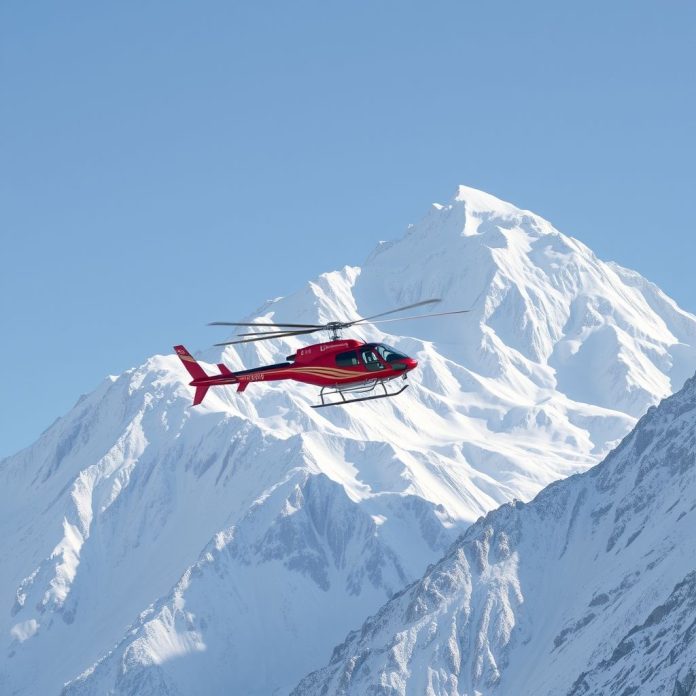
If you’re planning to trek in Nepal—whether it’s Everest Base Camp, Annapurna Base Camp, Manaslu, or beyond—travel insurance is not optional. At altitude, evacuation by helicopter can cost anywhere between $5,000–$10,000 USD, and regular health insurance at home won’t cover it.

But which insurance is right for you depends on where you’re from. Below is a compiled guide to the most recommended trekking insurance providers for citizens of different countries, based on recent trekkers’ feedback and availability.


United States

  • Recommended Providers:

    • Global Rescue – specializes in medical evacuation from remote places, 24/7 response.

    • Travelex – popular with US trekkers, covers trip cancellation + medical.

    • Allianz Travel – widely used, but check altitude coverage carefully.

  • Key Note: US trekkers should always confirm that helicopter evacuation at altitudes above 5,000m is covered.

    Read the full blog here:
    High-Altitude Rescue Insurance for EBC: What U.S. Trekkers Actually Use (and Recommend)


United Kingdom

  • Recommended Providers:

    • True Traveller – designed for adventure travelers, covers trekking above 5,000m.

    • Campbell Irvine – highly recommended for UK trekkers, covers EBC and high-altitude trekking.

    • InsureandGo – decent budget option but check exclusions.

  • Key Note: UK trekkers often go with True Traveller—it’s one of the most mentioned in the Himalayan trekking community.

    Read the full blog here:
    Trekking Insurance for UK Trekkers: What Actually Works for Everest Base Camp


Canada

  • Recommended Providers:

    • World Nomads – well-known and widely used; covers trekking and evacuation.

    • TuGo – strong reputation for Canadians traveling to Asia.

    • Allianz Global Assistance Canada – reliable, but altitude limits vary.

  • Key Note: Always double-check if trekking above 4,000m is covered, since some Canadian policies exclude “mountaineering.”

    Read the full blog here:
    Trekking to Everest Base Camp? Here’s the Real Insurance Guide for Canadians


Australia & New Zealand

  • Recommended Providers:

    • Cover-More – one of the most popular for Aussies and Kiwis.

    • Southern Cross Travel Insurance (SCTI) – widely used by New Zealand trekkers.

    • World Nomads – flexible add-ons for trekking.

  • Key Note: Australians and New Zealanders usually get straightforward coverage, but altitude limits should still be confirmed.

    Read the full blog here:
    Travel Insurance for Trekking in Nepal: What Aussies Need to Know (from Real Trekkers)


European Union (EU)

(Germany, France, Spain, Netherlands, Scandinavia, etc.)

  • Recommended Providers:

    • ERV Insurance – very popular with German trekkers.

    • Columbus Direct – widely available across Europe.

    • World Nomads EU – offers trekking add-ons.

  • Key Note: EU trekkers often have more choices, but not every policy covers helicopter evacuation above 5,000m—so check the fine print.


India

  • Recommended Providers:

    • ICICI Lombard – covers international trekking trips, but altitude coverage must be specified.

    • Tata AIG Travel Guard – decent international coverage with emergency evacuation.

    • HDFC ERGO – includes medical evacuation in some plans.

  • Key Note: Indian trekkers should confirm coverage outside India and above 4,000m, as many domestic policies cap limits.


Nepal (Domestic Trekkers)

  • Reality Check: Unfortunately, most Nepali insurance providers do not cover trekking accidents or helicopter evacuation within Nepal.

  • Alternative: Local trekkers often rely on personal funds or community support for emergencies. A few private companies are lobbying to expand coverage, but it’s still limited.

  • Tip: If you’re a Nepali living abroad (with dual coverage), it’s often best to purchase from your country of residence.


Other Countries 🌍

  • South Africa: Check with Travel Insurance Consultants (TIC).

  • Singapore & Malaysia: AIA Travel Guard and Allianz Asia are common.

  • Japan: Sompo Japan Nipponkoa covers trekking but with altitude clauses.


🏔️ What Every Trekker Should Check Before Buying

Regardless of your passport, make sure your insurance policy includes:

  1. Emergency helicopter evacuation up to at least 6,000m.

  2. Medical coverage abroad of at least $100,000 USD.

  3. Trip interruption/cancellation (handy during flight delays in Lukla).

  4. Repatriation of remains (grim, but necessary to check).


Trekking Insurance Options by Nationality

Country Top Providers Covers Helicopter Evacuation? Altitude Coverage Extra Notes
United States 🇺🇸 Global Rescue, Travelex, Allianz Travel Yes (Global Rescue is strongest) Up to 6,000m (check Allianz) Global Rescue is rescue-only; you may want trip cover separately.
United Kingdom 🇬🇧 True Traveller, Campbell Irvine, InsureandGo Yes Up to 6,000m True Traveller is the go-to for UK trekkers—covers high-altitude trekking directly.
Canada 🇨🇦 World Nomads, TuGo, Allianz Canada Yes Typically up to 5,000–6,000m Always confirm trekking above 4,000m—some Canadian insurers call it “mountaineering.”
Australia & New Zealand 🇦🇺🇳🇿 Cover-More, SCTI, World Nomads Yes 5,000–6,000m depending on plan Aussies & Kiwis often get straightforward coverage; SCTI is strong for NZ trekkers.
European Union 🇪🇺 ERV, Columbus Direct, World Nomads EU Yes 5,000–6,000m ERV popular with Germans; World Nomads EU gives flexible add-ons.
India 🇮🇳 ICICI Lombard, Tata AIG, HDFC ERGO Sometimes (must confirm) Often capped at 4,000–5,000m Policies vary a lot; confirm “international + trekking above 4,000m.”
Nepal (Domestic Trekkers) 🇳🇵 Limited options locally Rarely Very limited Most Nepali policies don’t cover trekking accidents inside Nepal. Expats should buy abroad.
South Africa 🇿🇦 Travel Insurance Consultants (TIC) Yes Up to 6,000m Popular with South African trekkers heading for Everest Base Camp.
Singapore & Malaysia 🇸🇬🇲🇾 AIA Travel Guard, Allianz Asia Yes 5,000–6,000m Reliable regional options, but altitude clauses must be checked.
Japan 🇯🇵 Sompo Japan Nipponkoa Yes 4,000–5,000m Some policies require special adventure add-ons for higher altitudes.

How to Use This Table

  • Pick by country first: Start with insurers available for your nationality.

  • Confirm altitude second: EBC, Annapurna Base Camp, and Manaslu all go above 4,000m. Everest Base Camp tops at 5,364m, so you need a 6,000m limit minimum.

  • Double-check fine print: Many insurers exclude “mountaineering” or “technical climbing”—but trekking on established routes is usually fine.

Final Word

There is no “one-size-fits-all” insurance for trekking in Nepal. The right choice depends on your nationality, your trek, and your budget. What matters most is that you are covered for helicopter rescue and high-altitude trekking—without it, you’re one accident away from financial disaster.

Do your homework, check the fine print, and buy insurance that specifically mentions trekking in Nepal.

Your health and safety are worth far more than a few extra dollars on the premium.