Home Blog Page 3

Annapurna Base Camp Trek in August: Embrace the Mist, Chase the Quiet

0

If you’re planning to trek to Annapurna Base Camp (ABC) in August, you’re signing up for something different. Think misty mornings, lush green hills, and fewer fellow hikers. Sure, it’s still the monsoon season in Nepal, and yes, it will rain — but for the right kind of adventurer, that’s not a drawback. That’s the magic.

August is a shoulder month. It offers a quiet trail, breathtaking landscapes transformed by the rain, and a trekking experience that feels intimate, personal, and refreshingly offbeat.


What’s the Trek Like in August?

In a word? Wet. But not in a miserable, soggy-socks-all-day way — more in a mist-on-your-face, clouds-dancing-through-the-valleys kind of way. You’ll wake up to morning sunshine, hike under dramatic skies, and watch storms roll in during the late afternoon.

The lush greenery is unreal. Rivers roar. Waterfalls are at their most powerful. And since most tourists are avoiding the rain, you’ll have the trail — and the tea houses — almost to yourself.


Weather Overview

Location Day Temp Night Temp Condition
Pokhara 25–30°C 20–22°C Warm, very humid, afternoon rains
Chhomrong Area 20–24°C 15–18°C Frequent showers, fog, green hills
ABC (4,130 m) 8–12°C 2–6°C Cloudy, occasional clear mornings

Tip: Most rain happens after 2 p.m., so start early, finish early, and cozy up with tea by evening.


Pros of Trekking ABC in August

Quiet trails — introverts and nature-lovers rejoice
Vibrant greenery — rice terraces and moss-covered forests are magical
Waterfalls galore — if you’ve ever wanted to chase waterfalls, this is it
Lower rates — everything from teahouses to jeeps gets more affordable
Spontaneity — walk in to most lodges without needing reservations


Cons (And What to Watch Out For)

Leeches in lower areas — carry salt or Dettol wipes
Landslides — especially between Siwai and Chhomrong
Limited mountain views — clouds love to flirt with Machapuchare
Wet gear — unless you pack and dry carefully, expect damp socks

Still, for many, the trade-off is worth it. The forests are magical, the air is rich with life, and the rains add drama to every turn of the trail.


Getting to the Trailhead in August

Getting to ABC isn’t tricky, but the roads can be unpredictable in August due to landslides and muddy tracks. Most people go via Pokhara and then take a jeep toward Ghandruk or Siwai (depending on road conditions).

Route Details
Kathmandu to Pokhara Tourist bus (7–9 hrs) or flight (25 min)
Pokhara to Ghandruk/Siwai Jeep (4–6 hrs) — can get muddy or blocked by slides
Trek begins From Siwai or Ghandruk

Pro tip: Book a private jeep if possible — you’ll want the flexibility and reliability.


Cost Estimates (August)

Item Cost (approx.)
ACAP + TIMS Permits NPR 4,000
Guide (optional) $20–25/day
Porter (optional) $18–22/day
Meals per day NPR 2,000–2,500
Lodging per night NPR 500–1,000
Transportation total NPR 3,000–10,000

Since it’s off-season, many lodges and drivers are willing to negotiate — especially if you’re traveling in pairs or with a guide.


What to Pack for August Trekking

  • Sturdy rain jacket and pants (essential!)

  • Waterproof backpack cover or dry bags

  • Quick-dry clothes — cotton is your enemy

  • Leech socks or long thick socks

  • Waterproof boots or trail shoes

  • Mosquito repellent and salt (for leeches)

  • Poncho or umbrella for village walks

  • Headlamp (clouds make it darker earlier)

  • Trekking poles — muddy trails need balance


Mountain Views in August?

Not guaranteed, but surprisingly common at sunrise. Even in monsoon season, there are clear windows — especially early in the morning before the clouds roll in. Some trekkers report stunning, cloud-cleared sunrises at ABC or Machapuchare Base Camp.

Still, this isn’t the season to come chasing views alone. Come for the experience, not just the Instagram.


Alternative Treks If ABC Is Blocked

Sometimes, landslides or floods can block certain routes to ABC. In such cases, consider:

  • Mardi Himal Trek — shorter, still lush, fewer landslides

  • Dhampus or Australian Camp — lower altitude, fantastic greenery

  • Community eco-trails near Ghandruk

Your guide will help assess the safest and driest routes.


Final Thoughts: Who Should Trek ABC in August?

ABC in August is for adventurers who aren’t afraid of a little mud. You’ll trade postcard views for a living, breathing jungle. You’ll swap traffic jams for frogs croaking in rice paddies. You won’t get dry feet — but you might just get a fresh perspective.

If you love quiet trails, dramatic nature, and don’t mind the rain dancing on your poncho, this could be your favorite trek of the year.


Considering ABC in August?

Let us know! We can connect you with guides who know how to handle August trails, update you on real-time trail conditions, and help you build a plan with just the right level of adventure.

Because here at TrekHeaven, we believe every season has its own kind of magic — and August is no exception.
 

Annapurna Base Camp Trek in July: Monsoon Magic or Muddy Mayhem?

0

So, you’re thinking of doing the Annapurna Base Camp (ABC) trek in July? Buckle up — this month is not your average trekking season. July sits squarely in Nepal’s monsoon, and while most trekkers are dodging leeches in their flip-flops down in Pokhara, you could be chasing waterfalls in the hills and enjoying quiet trails all to yourself.

ABC in July isn’t for the faint-hearted, but for the adventurous (and mildly waterproof), it’s a lush, dramatic, and soulful experience.


What Is the Trekking Experience Like in July?

Let’s be real — it rains almost every day, mostly in the afternoons or evenings. Trails can be muddy, slippery, and leech-friendly, especially in the lower, jungle-covered sections between Landruk, Jhinu, Bamboo, and Dovan.

But in return? You get mist-covered hills, dozens of waterfalls, and a trek that feels like a secret. It’s just you, the trail, and the occasional muddy cow.


Weather Overview

Place Day Temperature Night Temperature Conditions
Pokhara 25–30°C 20–22°C Humid with daily rainfall
Chhomrong 20–25°C 15–18°C Wet, cloudy, and foggy
ABC (4130 m) 8–12°C 2–6°C Cool, cloudy, with rare clearings

Expect rain most afternoons — so start your hike early, and always pack for moisture.


Pros of Trekking ABC in July

Peace and quiet — you’ll hardly see other trekkers
Lush greenery — rhododendrons, mossy trails, and blooming wildflowers
Waterfalls — cascading down every cliff, in full dramatic flow
More flexible rates — lower costs for teahouses, guides, and permits
Authentic village life — experience rural Nepal during the rice-planting season


Cons (That You Shouldn’t Ignore)

Heavy rainfall, especially after lunch
Landslides and roadblocks on the way to trailheads
Leeches — bring salt, repellent, and leech socks
Limited mountain views — the peaks like to hide behind clouds
❌ Slippery and muddy trails, especially through forests like Bamboo and Dobhan

If you’re not confident on slick terrain, or you hate walking in wet socks, maybe give July a pass.


Is It Safe to Trek in July?

Mostly yes — but caution is key.

  • Avoid trekking during or after continuous heavy rain days

  • Stay updated on local weather forecasts

  • Don’t trek solo in landslide-prone zones

  • Stick to established trails and travel with a guide

If you’re planning ABC in July, a local guide is highly recommended — not just for navigation, but for knowing when to push forward and when to wait out a storm.


Getting to the Trailhead in July

Your typical entry point will be Ghandruk or Siwai, depending on road conditions. But in July:

  • Landslides or swollen rivers can cut off road access without warning

  • Buses may cancel or take longer routes

  • Private jeeps are more reliable, but pricier

Transport Cost (per person) Notes
Tourist Bus (KTM–Pokhara) NPR 1,200–1,800 Roads can be slow, even delayed by mudslides
Private Jeep (Pokhara–Ghandruk) NPR 8,000–10,000 total May not go all the way if road is washed out
Local Bus/Jeep NPR 600–1,200 Basic and weather-dependent

Build extra buffer days into your schedule just in case you get stuck waiting out the rain or a blocked road.


Where to Stay & What to Expect from Teahouses

Teahouses are open — but a lot emptier than in peak season. You’ll often have:

  • Private rooms with no advance booking

  • Fresh garden vegetables due to local farming

  • Slower service (because it’s off-season)

  • Possible delays in hot water or solar charging if it’s cloudy for days


What to Pack for July

  • Rain jacket or poncho (make it a GOOD one)

  • Rain pants

  • Leech socks or long trekking socks

  • Quick-dry clothes

  • Extra shoes/sandals for wet evenings

  • Trekking poles for muddy trails

  • Dry bags or waterproof pack cover

  • Headlamp (early starts + cloudy days = low light)

  • Salt or vinegar wipes for leech bites

  • Mosquito repellent for lower trails

Leave your down jacket at home; pack smart for moisture, not cold.


Costs in July

Item Estimated Cost
ACAP + TIMS Permits NPR 4,000
Guide (optional) $20–25/day
Porter (optional) $18–22/day
Meals/day NPR 2,000–2,500
Lodging/night NPR 500–1,000
Transport total NPR 2,000–10,000

Due to low traffic, you can negotiate rates more easily — but don’t underpay your guide or porter.


Should You Trek ABC in July?

Yes — if you:

✅ Want solitude and green-on-green scenery
✅ Don’t mind rain and a few leeches
✅ Are flexible, cautious, and not tied to strict schedules
✅ Have a guide and some trekking experience


Final Thoughts

ABC in July is not for first-timers hoping for perfect panoramas and dry boots. But if you come with an open heart, good rain gear, and the right expectations, you’ll find a different kind of beauty: mysterious clouds wrapping the peaks, frogs croaking in terraced paddies, and the thunder of rivers swollen with Himalayan runoff.

Some call it muddy madness. We say it’s monsoon magic — for those who know where to look.


Coming in July?

Let us know, and we’ll share:

  • Recommended guides used to July trekking

  • Real-time trail updates

  • Safe alternate treks if ABC gets washed out

Just drop us a message at TrekHeaven, and we’ll get you started.

Annapurna Base Camp Trek in June: Lush Trails, Quiet Paths, and a Dash of Adventure

0

June in the Annapurna region isn’t your typical high-season month—but for the curious and the quiet-seekers, Annapurna Base Camp (ABC) Trek in June is a whole different kind of magic. The crowds are gone, the landscapes are greener than ever, and the trails offer moments of absolute solitude.

Yes, it’s the beginning of the monsoon season in Nepal, but if you can handle a bit of drizzle and some extra mud, June gifts you dramatic clouds, waterfalls in full force, and lower rates everywhere.


What’s Trekking Like in June?

The first half of June often acts like an “in-between” phase. You might still catch clear mornings and manageable weather if you’re early. By mid-to-late June, the rains become more consistent, usually in the afternoons or evenings.

It’s not the month for everyone—but it’s perfect for the offbeat adventurer who wants to see Annapurna in its moody, misty, emerald cloak.


Weather Snapshot

Location Day Temp Night Temp Conditions
Pokhara 25–32°C 18–22°C Hot, humid, occasional thunder
Chhomrong 20–25°C 14–18°C Humid with passing rain showers
MBC (3,700 m) 10–15°C 2–7°C Cloudy, cool, occasional drizzle
ABC (4,130 m) 8–12°C 0–4°C Cloudy, misty, sometimes windy

Mornings are often clear, with rain arriving in the late afternoon—so start your hikes early!


Pros of Trekking in June

Lush green landscapes—everything is vibrant and alive
Few crowds—you’ll have the trail almost to yourself
Lower prices—lodges, guides, and transport are cheaper
Local life in action—it’s rice planting season in lower villages


Challenges to Keep in Mind

Wet and muddy trails, especially after Chhomrong
Leeches—especially in forested areas like Jhinu and Bamboo
Limited mountain views due to cloud cover
❌ Some landslide-prone stretches after heavy rain (mainly near Hinku Cave or Deurali)

But with trekking poles, good boots, a rain cover, and leech socks, you’re golden.


Teahouse Availability in June

  • Most teahouses remain open, especially along popular stretches like Chhomrong, Bamboo, and Deurali

  • Fewer trekkers = more personalized hospitality

  • Expect a slower pace, friendly innkeepers, and fresh veggies from local gardens


Reaching the Trailhead in June

Pokhara is the base city, and road conditions vary:

To Ghandruk or Siwai:

  • Local jeep (shared): NPR 1,000–1,500 per person

  • Private jeep: NPR 7,000–9,000 depending on the route and weather

Important:
June rains can make rural roads slippery or even inaccessible after heavy downpours, so keep an extra day in your plan just in case.


Packing List for June

This isn’t minimalist season. Come prepared.

Essentials:

  • Waterproof backpack cover & dry bags

  • Full rain gear: poncho or rain jacket + rain pants

  • Leech socks

  • Quick-dry shirts, underwear, and trekking pants

  • Trekking poles for muddy downhill paths

  • Extra pair of shoes/sandals for wet evenings

  • Antifungal foot powder and small towel

You’ll also need:

  • Mosquito repellent (for lower elevations)

  • Flashlight or headlamp (shorter daylight hours)

  • Thermals and a warm jacket for ABC nights


Cost Breakdown (Per Person)

Item Cost
ACAP + TIMS Permits NPR 4,000
Guide (optional) $20–25/day
Porter (optional) $18–22/day
Meals/day NPR 2,000–2,500
Lodging/night NPR 500–1,000
Transport round trip NPR 2,000–8,000

Because it’s off-season, you may get better rates on accommodation and guides.


Should You Trek ABC in June?

✅ You’re an experienced trekker comfortable with rain and mud
✅ You want peaceful trails and budget-friendly travel
✅ You’re flexible with views—clouds are part of the charm

If that sounds like you, then ABC in June is surprisingly rewarding. The green is greener, the air smells of wet earth and pine, and when the clouds part for a few seconds—you might just get a solo view of the Annapurnas, totally undisturbed.


Final Thoughts

While it’s not the dry, crisp trekking you get in October or April, June is an underrated month for those who don’t mind a bit of slush. It’s the perfect opportunity to witness life in the hills, avoid the tourist crush, and still tick off one of the most iconic base camp treks on Earth.


Thinking about monsoon trekking?

Let us know and we’ll prepare a guide:

Just drop the month, and we’ll walk you through it!

Annapurna Base Camp Trek in May: Blooming Trails & Clear Skies

0

If trekking season in Nepal had a favorite child, it would be May. As spring slowly hands over the reins to summer, the Annapurna Base Camp (ABC) trek transforms into a vibrant, warm, and photograph-worthy journey. If you’re planning to explore the lap of Annapurna in May, pack your boots, a sense of wonder, and maybe a sun hat—it’s going to be memorable.


Why Trek ABC in May?

May is the tail-end of Nepal’s spring trekking season, and one of the best times to hit the trail. The rhododendron blooms still linger in the mid-hills, the days are long, the temperatures are friendly, and the high-altitude skies? Still blue, still bold.

Here’s what makes May tick:

  • Wildflowers: Lower trails (especially Ghandruk and Chhomrong) still glow with rhododendrons and other blooms.

  • Mild Weather: Crisp mornings, pleasant afternoons, and not-too-chilly nights at higher altitudes.

  • Less Crowded Than April: With the high season winding down, the trails are calmer, teahouses more available, and the mood more relaxed.

  • Snow at the Top: There’s still snow around ABC (4,130 m), adding that dramatic alpine charm without freezing your eyelashes.


Weather Snapshot in May

Elevation Day Temperature Night Temperature
Pokhara (820 m) 22–30°C 15–20°C
Chhomrong (2,170 m) 15–22°C 8–12°C
Annapurna Base Camp (4,130 m) 5–12°C -2–5°C

☀️ Expect sunny mornings, occasional late-afternoon clouds, and the first hints of monsoon humidity towards the month’s end.


What to Pack in May

Packing for May means layering like a pro—balancing warm days, cold nights, and sudden drizzle.

Essentials:

  • Lightweight trekking pants and shirts (quick-dry)

  • Base layers for higher altitudes

  • Light down jacket or fleece

  • Rain jacket or poncho (yes, late May can surprise you)

  • Sunhat, sunglasses, and SPF

  • A few pairs of socks that can dry overnight

  • Light gloves and beanie for early mornings at ABC

Pro Tip: Bring gaiters or sandals for stream crossings in the later part of May when snowmelt increases water levels.


Trail Condition in May

  • Lower sections (up to Bamboo or Chhomrong) are warm, lush, and buzzing with bees and birds.

  • Mid-sections may start to get humid by late May but offer shade through forests.

  • Above Deurali, expect icy patches, lingering snow, and dramatic mountain views.

Trails are generally in good shape, but occasional mud or meltwater streams may show up near Machapuchare Base Camp (MBC) and ABC.


Crowds & Availability

May is much less crowded than April, especially after the second week. You can still trek without prior bookings at teahouses, though larger groups should consider pre-booking during the first half of the month.


Flora, Fauna & Photography

This is the season when trekking meets nature-watching.

  • Floral Highlights: Rhododendrons, orchids, and jungle greens explode with color.

  • Birdwatcher’s Paradise: Cuckoos, Himalayan monals, and even vultures soaring overhead.

  • Best Photo Times: Mornings between 6–9 AM for mountain views, golden hours for forests and waterfalls.


Festivals & Culture

You may stumble into local village celebrations or weddings, especially in Gurung villages like Ghandruk or Landruk. May is a busy month agriculturally too, so expect lively fields and bustling trails with locals going about daily life.


Getting There

Most trekkers start from Pokhara, accessible via:

  • Flight from Kathmandu (25 mins)

  • Tourist bus (6–8 hours)

  • Private jeep (comfortable for groups)

From Pokhara, a short drive (1.5–2 hours) gets you to Nayapul, Ghandruk, or Kimche, popular trailheads for ABC.


Suggested Itinerary for May

Day 1: Drive Pokhara to Nayapul. Trek to Ghandruk.
Day 2: Ghandruk to Chhomrong
Day 3: Chhomrong to Dovan or Himalaya
Day 4: Dovan to ABC (via MBC)
Day 5: ABC to Bamboo
Day 6: Bamboo to Jhinu Danda (hot springs!)
Day 7: Trek to Siwai and drive back to Pokhara

🕒 Add or subtract days depending on your pace and acclimatization needs.


Things to Watch Out For

  • Altitude: Yes, it’s real. Stay hydrated, go slow, and consider an extra night at Deurali or MBC if needed.

  • Monsoon sneak-in: Late May can bring early showers. Keep an eye on the forecast and plan buffer days.

  • Snow bridges: Occasionally icy or wet patches above MBC—watch your step or use poles.


Final Thoughts: Is May a Good Time to Trek ABC?

Absolutely. May gives you the best of both seasons: the flowers and clarity of spring, and the warmth of summer without the full-blown rain. It’s ideal for trekkers who want comfort, beauty, and a slightly quieter trail.

Trekking to Annapurna Base Camp in May is not just a walk through the Himalayas—it’s a journey through changing seasons, blossoming forests, high-altitude drama, and peaceful village life. The snow-capped peaks may be the destination, but May ensures the journey is just as unforgettable.


Ready to trek ABC in May?
Let us help plan your route, find the best teahouses, and make sure your camera never rests.

See you in the blooming heart of the Annapurnas.

Mani Rimdu Festival: When the Mountains Echo With Mantras and Masks

0

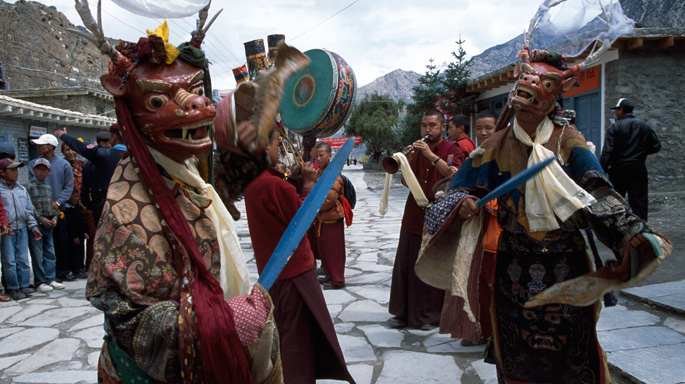
The Everest region may be known for its towering peaks and iconic treks, but come autumn, something even more awe-inspiring rises in the thin Himalayan air: the Mani Rimdu Festival. For a few sacred days, the silence of the Khumbu breaks not with footfalls and prayer flags fluttering—but with ritual chants, drumbeats, and masked dances that date back centuries.

If you thought trekking to Everest Base Camp was only about altitude, you haven’t seen Tengboche Monastery ablaze with color, incense, and spiritual intensity.

Welcome to Mani Rimdu, where culture climbs just as high as the mountains.


What Is Mani Rimdu?

Mani Rimdu is a 19-day Sherpa Buddhist festival celebrated in Tengboche Monastery (and also in Thame and Chiwong), usually held in October or November, right in the heart of peak trekking season. The three most public and climactic days are open to all—locals, monks, trekkers, and curious souls alike.

At its heart, Mani Rimdu is a celebration of the victory of Buddhism over the ancient Bon religion and symbolizes the triumph of compassion and wisdom over fear and ignorance. The monks don elaborate costumes and masks to enact sacred dances (Cham) that represent mythical deities, demons, and protectors.

And it’s not just for show. The rituals are considered spiritually transformative, not only for the performers but for the watchers too.


Where and When Does It Happen?

The most iconic Mani Rimdu celebration happens at Tengboche Monastery, perched at 3,867 meters on the classic Everest Base Camp trek route. Surrounded by some of the world’s highest peaks, including Ama Dablam and Everest, it’s hard to imagine a more surreal venue for a festival.

Upcoming Mani Rimdu Dates:

Dates vary each year according to the Tibetan lunar calendar, but generally:

  • Mid to Late October or Early November

  • 2025 expected dates: Around October 30 to November 1

It’s always best to confirm with a local trekking agency or the monastery itself as the dates approach.


The Three Days of Magic

While the full festival spans weeks of preparation and closed ceremonies, the final three days are when the energy peaks, and visitors are welcomed.

Day 1: The Wong

The empowerment ceremony. It’s a spiritual initiation where monks chant prayers, make offerings, and bless attendees. It’s deeply meditative.

Day 2: The Cham Dances

This is where things get visual. Monks perform symbolic masked dances that retell ancient tales of good vs. evil. The dances are both spiritual enactments and theatrical masterpieces—accompanied by cymbals, long horns, and hypnotic chants.

Day 3: The Fire Puja

Held in the courtyard to dispel negative energy and evil spirits, it involves fire offerings and dramatic rituals, set against a Himalayan backdrop. It’s a surreal farewell to the festival, ending with communal blessings.


Why Attend Mani Rimdu as a Trekker?

Because no trek to Everest is complete without understanding the soul of the Himalayas.

  • Cultural Depth: Trekking the Khumbu isn’t just about physical peaks. This is where Tibetan Buddhism and Sherpa traditions have flourished for centuries.

  • Spiritual Pause: After days of walking, Mani Rimdu offers a moment of stillness, reflection, and awe that no summit photo can replicate.

  • Local Interaction: You’ll share the space with villagers who’ve walked for days to attend, giving you rare insight into life beyond the tourist trail.

  • Visual Feast: The festival is a dream for photographers. From ornate costumes to rugged backdrops, it’s all here.


Planning Your Trek Around Mani Rimdu

If you want to witness the festival:

  • Plan your EBC Trek so that you reach Tengboche Monastery around the festival dates.

  • Stay in Tengboche for at least two nights to enjoy the main events.

  • Accommodations fill quickly during the festival. Consider booking tea houses in advance, or staying in nearby Deboche or Pangboche and walking up.


Logistics and Tips

  • No Ticket Required: The festival is open and free, though donations to the monastery are welcomed.

  • Dress Respectfully: Cover shoulders and legs, and be mindful of photography—especially during rituals.

  • Altitude Matters: Tengboche is at nearly 3,900 meters. Make sure you’re acclimatized before spending extended time here.

  • Pack Warm Gear: It gets cold—really cold—especially during early morning or evening ceremonies.


A Trek Within a Trek

Mani Rimdu isn’t a tourist attraction. It’s a living tradition, passed down through generations of Himalayan monks and villagers. Watching the monks dance in swirling robes, their masks reflecting both wrath and compassion, you’ll realize that this isn’t a break from your trek—it’s the very reason for it.

Because in the Himalayas, walking the trail is just part of the story. The rest is in the chants, the smoke, the eyes of a monk offering you a smile, and the unspoken connection between people, mountains, and meaning.


Thinking of planning your trek around the festival? Reach out and we’ll help you match your dates, find accommodation, and experience the Himalayas beyond the trail.

See you in Tengboche. The drums are calling.

What Kind of Gloves Do You Really Need for the Everest Base Camp Trek?

0
Trekking-Pants-EBC

Cold hands can turn a spectacular day in the Himalayas into a numb-fingered nightmare. Whether you’re heading to Everest Base Camp in early spring, deep winter, or the mild post-monsoon days, the right pair (or pairs) of gloves can make all the difference.

But before you go panic-buying a dozen types of gloves, here’s a straightforward, no-nonsense breakdown of what actually works—based on real trekkers’ experiences and trail-tested advice.


Do You Even Need Gloves for EBC?

Yes. But how many and how thick depends entirely on the season you’re trekking in and your personal tolerance to cold. EBC temperatures can swing dramatically—from mild at lower altitudes to biting cold at night above 4,000 meters.


Glove Strategy: Layer Like a Pro

Just like your clothing system, your glove setup should be layered:

1. Liner Gloves (Base Layer)

  • Material: Merino wool or synthetic fleece

  • Use: Mild daytime trekking, sun protection, holding trekking poles, handling gear

  • Works in: Spring, autumn, and even summer treks

“I used just merino wool liners in May. Never touched the ski gloves I brought.”
– A recent EBC trekker

2. Midweight Gloves (Insulated or Windproof)

  • Material: Softshell with windproofing, light insulation

  • Use: Higher altitudes, cold mornings/evenings, windy passes

  • Works in: Late autumn, early spring, and cooler trekking days

“Good windproof fleece is recommended, especially if you’re using poles.”

3. Outer Mittens (Down or Waterproof Shell)

  • Material: Down-filled or synthetic insulation, sometimes waterproof

  • Use: Extreme cold (e.g. nights at Gorakshep, Kala Patthar sunrise, winter trekking)

  • Works in: Winter treks (December to February), or over gloves for added warmth

“I brought snowboard mittens for Cho La Pass—trekking through snow at -15°C!”


Bonus: Sun Gloves

If you’re trekking in spring or post-monsoon season and skipping full gloves, consider light UV-protective gloves.

“My hands were burnt to a crisp when I didn’t wear sun gloves. The UV is no joke up there.”


Which Gloves for Which Month?

Month Recommended Gloves
January–February Liner gloves + Midweight gloves + Down mittens
March–April Liner gloves + Windproof fleece or midweight
May–June Liner gloves (maybe add sun gloves)
July–August Rain protection more relevant than warmth
September Liner gloves + Light fleece or midweight
October Liner gloves + Windproof midweight or softshell gloves
November Liner gloves + Down mittens for higher altitudes

Renting Gloves in Kathmandu

Yes, you can rent or buy decent gloves in Thamel, especially thick outer mitts. Most shops offer name-brand knock-offs and high-quality local brands.

  • Cost to Rent Down Mittens: NPR 150–250 per day

  • Buying Liner Gloves: Starts around NPR 800–1,500

  • Tip: Bring your own liner gloves for hygiene and sizing comfort, rent mittens if needed.


Features to Look For

  • Touchscreen compatibility (liners or fleece gloves)

  • Grip-friendly palms for trekking poles

  • Elastic cuffs or wrist straps to prevent snow or wind entry

  • Dexterity: Can you zip your jacket or hold your water bottle?


What Most Trekkers Actually Carried

“I had 3 pairs in March: jogger gloves for warm-ups, softshell for mid-altitude, and snowboarding mitts for the Cho La Pass.”

“Only used my liner gloves. My ski gloves stayed buried at the bottom of my pack the whole time in May.”

“Did it all in merino liners. Never even took out my outer gloves.”

You get the idea—don’t overpack, but do pack smart. Two pairs will usually cover you well: a liner plus a backup mitt/glove if things get really cold.


Final Tips

  • Trekking Poles Compatibility: Ensure gloves allow solid grip and comfort

  • Keep Gloves Dry: Always have a waterproof pouch or dry bag

  • Bring Extras: A second pair of liners weighs almost nothing and saves the day if one gets wet

  • Cold Evenings: Gloves are useful for chilly tea house dining rooms, not just on the trail


Conclusion

Gloves might seem like a small part of your EBC packing list, but the right pair can protect you from frostbite, sunburn, blisters, and that trail-wide misery of freezing fingers.

So whether you’re trekking in spring bloom or Himalayan winter, layer up, rent smart, and keep those digits happy.

And remember—a warm hand holds the best memories.


Got a favorite pair of gloves that saved your trek? Or wondering if your gear will hold up to the Himalayan chill? Drop your question in the comments or check out our latest EBC Gear Guide for more tips!

Annapurna Base Camp Trek in April: Spring in Full Bloom

0

If there’s one month when the Annapurna Base Camp (ABC) Trek feels like walking through a Himalayan daydream, it’s April. This is spring at its finestrhododendron forests explode in red and pink, skies stay endlessly blue, and the snow-capped peaks seem close enough to touch.

Trekkers from around the globe descend on these trails in April, and for good reason: perfect weather, vibrant landscapes, and mountain views so clear they feel unreal.


Why April Is a Top Choice

April is one of the busiest and best months for trekking ABC. The region is alive with color and culture, and every twist in the trail brings new surprises—from blooming alpine flowers to clear, panoramic views of Annapurna I, Machapuchare (Fishtail), Hiunchuli, and more.

If you want a classic, storybook Himalayan trekking experience, April is when you come.


Weather Snapshot

Location Day Temp Night Temp Conditions
Pokhara 20–28°C 10–16°C Warm, dry, clear
Chhomrong 15–20°C 8–12°C Perfect hiking weather
MBC (3,700 m) 7–12°C -2 to +4°C Cold mornings, crisp days
ABC (4,130 m) 4–10°C -4 to 0°C Dry, clear, minimal snow

No more deep winter chills—but a good down jacket still goes a long way at higher altitudes.


Trail Conditions

  • Dry and well-marked paths

  • Snow is mostly melted below MBC

  • April’s trail is busy but lively, with buzzing teahouses and breathtaking forest walks

  • Rhododendrons are in full bloom, especially between Ghandruk and Chhomrong


Highlights of Trekking ABC in April

  • World-class mountain views every single day

  • Stable weather with minimal rain or snow

  • Vibrant rhododendron forests—Nepal’s national flower, everywhere you look

  • Cultural activity in the villages as farming season begins


Reaching the Trailhead

From Pokhara, you can start your trek from:

  • Nayapul (classic route)

  • Siwai (closer jump-off, skip the dusty roads)

  • Ghandruk (if you want to shorten the hike)

Most trekkers take:

  • Local jeep: NPR 1,000–1,500 per person (shared)

  • Private jeep: NPR 6,000–8,000 (Pokhara to Siwai)

  • Roads are dry and smooth in April


What to Pack for April

April can swing between warm days and chilly nights, especially higher up.

Must-haves:

  • Down jacket for early mornings and evenings at ABC

  • Lightweight trekking pants and quick-dry t-shirts

  • Rain cover (just in case)

  • Sunglasses and SPF 50+

  • Water purification tablets or filter

  • Reusable water bottle (many teahouses refill for a small fee)


Teahouse Life in April

  • Fully operational by April

  • Expect livelier crowds, warmer hospitality, and sometimes limited rooms in the most popular stops (Chhomrong, Deurali, MBC)

  • Book early or plan to reach your next stop by mid-afternoon

Food tip: Try the local dal bhat with nettle soup—it’s in season and delicious.


Crowd Meter

Week Crowd Level Vibe
Early April Moderate Calm before the boom
Mid to Late April High Peak season hustle, all smiles

If solitude is your thing, start early each day or take less-trodden side trails like Tadapani or Landruk.


Altitude Safety and Health

  • The risk of altitude sickness remains, so don’t rush the itinerary

  • Hydrate, acclimatize properly, and rest at places like Deurali or MBC

  • The weather may tempt you to climb faster, but keep to a steady pace


Budget Breakdown (Per Person)

Item Cost
ACAP + TIMS Permits NPR 4,000
Guide (optional) $25–30/day
Porter (optional) $20–25/day
Meals/day NPR 2,000–2,500
Lodging/night NPR 500–1,200
Transport (round trip) NPR 2,000–8,000

Is April Right for You?

✅ If you love lush forests and sharp mountain views
✅ If you’re okay with a bit of company on the trail
✅ If you want perfect weather without technical gear

Then April is your time to visit Annapurna Base Camp. The trail is in its most photogenic state, the vibe is energizing, and the Himalayas are feeling generous.


Insider Tips

  • ABC sunrise is unmissable—wake early and bring hot tea

  • Pack a light buff or mask for occasional dust on the jeep ride

  • Consider combining with Poon Hill for a sunrise side adventure


Final Word

Trekking to ABC in April is the ultimate spring Himalayan escape—wildflowers, warmth, and world-class scenery, all rolled into one unforgettable adventure.

Just be ready to share the beauty with fellow dreamers from around the world.

Annapurna Base Camp Trek in March: The Awakening of the Himalayas

0

March is when the Annapurna region begins to wake up from its long, silent winter slumber. The snow hasn’t quite melted at the higher altitudes, but down in the lower trails, spring quietly tiptoes in with blooming rhododendrons, warmer days, and clearer skies.

If you want the serenity of winter but with a touch of spring’s charm, March might just be your golden window for the Annapurna Base Camp Trek.


What’s So Special About March?

March is the transitional month. You get the best of both seasons—fewer crowds, snowy peaks, and the beginnings of color returning to the hills. Plus, the weather stabilizes and teahouses begin to buzz with life again.

Perfect for trekkers who want less crowd than April and May, but still prefer not to brave the extremes of winter.


Weather Overview

Location Day Night Conditions
Pokhara (820 m) 18–25°C 8–13°C Pleasant and sunny
Chhomrong (2,170 m) 12–17°C 4–8°C Crisp, occasional drizzle
MBC (3,700 m) 4–10°C -3 to -6°C Snow likely
ABC (4,130 m) 0–6°C -6 to -10°C Cold but stable, gorgeous views

Snow remains from Deurali upward, but trails are more stable than in peak winter.


March Trail Vibes

This is the month when you begin to see more trekkers, but the trails are still far from packed. You’ll pass blooming forests, witness the last of the snowfalls, and have plenty of peaceful moments for photography and meditation.

Expect:

  • Snow above Deurali and MBC

  • Bursting rhododendrons in the lower regions

  • Friendly teahouses gradually getting busier


Highlights Unique to March

  • Sunrises from ABC are spectacular—cold mornings but clear skies.

  • Forest trails glow with wildflowers, making for epic photos.

  • Chances of avalanche drop (though still present).

  • Temperatures are cold, but days are long enough for comfortable pacing.


Getting to the Trailhead

Still one of the easiest treks in terms of logistics.

From Pokhara, take a jeep to:

  • Ghandruk (for a shorter route)

  • Nayapul or Siwai (classic ABC start)

  • Jhinu Danda (if you want a hot spring ending)

Jeeps cost:

  • $10–$15 per person (shared)

  • $40–$60 for a private ride

Roads are dry and open—March makes transportation easier than previous months.


What You Need to Watch Out For

  • Snowfields from MBC to ABC still require care—especially early mornings.

  • Crampons or microspikes may be useful, depending on snowfall.

  • Trail meltwater can make the path slushy—carry gaiters if needed.

  • Altitude acclimatization is just as important—take your time.


Packing Tips for March ABC Trek

It’s all about layering and flexibility in March. Expect sun, snow, rain, and wind—often in the same day.

Don’t forget:

  • Waterproof hiking boots

  • Warm sleeping bag (-10°C recommended)

  • Down jacket, thermal base layers

  • Rain cover and jacket

  • Microspikes (if going early March)

  • Sun protection (yes, you’ll need SPF at 4,000+ m)

  • Snacks: March brings longer days, so energy bars help


Crowd Meter

Season Crowd Level Vibe
Early March Low Winter beauty, quiet trails
Mid-March Moderate Ideal balance of activity
Late March Moderate–High Spring trekkers start arriving

Budget Snapshot

Category Approx. Cost
Permits (ACAP + TIMS) NPR 3,000–4,000
Meals/day NPR 2,000–2,500
Lodging/night NPR 500–1,000 (higher in spring)
Guide $25–30/day
Porter (optional) $20–25/day
Jeep from Pokhara $10–$60 depending on sharing

Local Insights and Tips

  • Teahouses fill quickly after mid-March—book ahead if possible

  • March is perfect for hot springs at Jhinu Danda

  • The rhodo bloom is best between Chhomrong and Bamboo

  • A few leeches may begin to appear on lower trails in late March if it’s rainy


Final Word: Is March a Good Time for ABC?

Yes, and how.

Annapurna Base Camp in March is the season of quiet optimism. The land thaws, the flowers wake, and the Himalayas offer you a gentle but firm handshake—welcoming, wild, and wonderfully real.

If you want variety, beauty, and a touch of solitude, March is a seriously underrated time to trek ABC.

Annapurna Base Camp Trek in February: The Winter Calm Before the Spring Rush

0

If January is the deep sleep of the Himalayas, February is the gentle stirring. The Annapurna Base Camp Trek in February offers a rare combination—the clarity and stillness of winter, plus a hint of the upcoming trekking season. It’s a time of transformation: fewer crowds, manageable cold, and mountain views that seem drawn with a diamond’s edge.

February isn’t for everyone. But if you’re looking for a quiet trail, snow-laced landscapes, and the chance to truly feel the Himalayas, this could be your perfect window.


What Makes February Special?

This is the last full winter month, but it’s not as harsh as January. The days get slightly longer, the sun warmer, and the lodges begin to feel more alive.

You’ll still find snow beyond Deurali and near Base Camp, but with the right gear and flexible timing, ABC in February is both magical and manageable.


Weather at a Glance

Location Day Night Conditions
Pokhara (820 m) 14–20°C 6–9°C Mild and sunny
Chhomrong (2,170 m) 6–12°C 0 to -2°C Crisp mornings, bright afternoons
MBC (3,700 m) 0–4°C -5 to -10°C Snow likely
ABC (4,130 m) -3 to 2°C -8 to -14°C Cold, but often clear

Trail Notes:

  • The sun sets around 5:30 PM, so start early each day.

  • Snow covers sections above Deurali, but trails are usually passable unless there’s a fresh storm.

  • MBC to ABC remains avalanche-prone, especially near Hinku Cave—check conditions locally.


Crowd Level: Low but Rising

February sees more trekkers than January, but the solitude is still very real. Lodges are open, but you’ll often be the only guest at higher elevations. It’s a good time to:

  • Practice slow trekking

  • Enjoy more personalized lodge experiences

  • Take photos without elbowing through crowds


Trail Conditions

February trails are a mix of dry, icy, and slushy. Expect:

  • Frozen ground in the mornings

  • Snow patches at higher altitudes

  • Occasional muddy trails in the forested sections

Trekking poles and mini crampons are highly recommended.


Getting to the Trail

No flight hassles here! One of the beauties of ABC over EBC is that you can start trekking directly from Pokhara.

How to Begin:

  • From Pokhara, hire a jeep to Ghandruk, Nayapul, or Jhinu Danda.

  • Roads are open year-round, though foggy mornings are common in February.

  • Jeeps can cost around $40–$60 (private) or $10–$15 (shared) depending on your entry point.


Is February Safe for ABC?

Yes—with a little planning and a dose of common sense.

Key Safety Tips:

  • Check local avalanche warnings (especially from Deurali to ABC).

  • Avoid trekking alone; go with a guide or experienced group.

  • Carry a GPS or offline map app; trail signs can be hidden under snow.

  • Prepare for occasional delays due to weather.


Pros and Cons of Trekking ABC in February

Pros:

  • Amazing visibility and crisp mountain air

  • Quieter trails with open teahouses

  • Great sunrise/sunset views at Base Camp

  • More personal interaction with lodge owners

  • A perfect balance of challenge and beauty

Cons:

  • Nights can be bitterly cold

  • Snow risk still present (especially above MBC)

  • Shorter trekking days due to limited sunlight

  • Fewer trekkers = less emergency support on trail


What to Pack for ABC in February

  • 4-season sleeping bag (-10°C or lower)

  • Down jacket with high fill

  • Windproof & waterproof shell layers

  • Thermals (top + bottom, 2–3 pairs)

  • Crampons/microspikes for icy sections

  • Warm hat, gloves, neck gaiter

  • Trekking poles (essential for balance on snow)

  • Sunglasses and sunscreen (sun + snow = burn risk!)

  • Extra power banks (cold drains batteries fast)


Side Activities and Highlights

  • Jhinu Danda Hot Springs: A steamy reward on the return trail

  • Sunrise in Chhomrong: Watch the valley light up

  • Photography near MBC: Perfect golden hours with snow-draped ridges

  • Pokhara Chill Days: After ABC, wind down at Lakeside with warm cafes and sunny afternoons


Cost Snapshot

Item Cost (Approx.)
ACAP + TIMS Permits NPR 3,000–4,000
Guide (optional, advised) $25–30/day
Porter (optional) $20–25/day
Meals NPR 2,000–2,500/day
Lodging NPR 500–800/night
Transport to trailhead $10–$40 (one-way)

Final Verdict: Is ABC in February Worth It?

Absolutely—if you’re prepared.

The Annapurna Base Camp trek in February is about raw beauty, quiet strength, and real connection with the mountains and yourself. You won’t get the flowery rhododendrons of spring or the buzz of October, but you’ll get something much more personal: solitude, snow, and soul-stirring skies.

So lace up those boots, breathe in the stillness, and let the winter Himalayas write a chapter you’ll never forget.

Annapurna Base Camp Trek in January: Icy Trails, Crystal Skies, and Solitude in the Sanctuary

0

If you’ve ever dreamed of standing quietly in a mountain amphitheater surrounded by 7,000- and 8,000-meter peaks—all without a crowd of selfie sticks—January might just be your month.

While many consider it too cold, the Annapurna Base Camp (ABC) Trek in January is actually one of Nepal’s most underrated winter experiences. It’s a journey of contrasts: icy mornings and sunlit afternoons, frozen waterfalls and steaming hot springs, quiet trails and dramatic Himalayan views.

Let’s take a closer look at what trekking to ABC in January really feels like—and why it may just be worth the layers.


What’s It Like to Trek ABC in January?

In one word? Peaceful.

The tourist crowd thins out drastically after the New Year, leaving the Annapurna Sanctuary nearly to yourself. The air is cold but incredibly crisp. Days are mostly sunny and skies are often deep blue, offering jaw-dropping views of Machapuchare (Fishtail), Hiunchuli, Annapurna South, and Annapurna I without the usual haze or heat fatigue.

Expect:

  • Cold mornings and nights (below freezing at higher altitudes)

  • Minimal snowfall in the lower sections (unless there’s a storm)

  • Snow-covered trails from Deurali to base camp (especially mid-January onwards)

  • Empty teahouses and fewer trekkers

  • Shorter daylight hours (trek by 3 PM to avoid dark and cold)


Weather in January on the ABC Trail

Location Day Night Notes
Pokhara (820 m) 12–18°C 4–8°C Pleasant and sunny
Ghandruk (2,000 m) 5–12°C 0 to -3°C Mostly dry
Deurali (3,200 m) 0–5°C -6 to -10°C Mornings can be icy
ABC (4,130 m) -5 to 2°C -10 to -15°C Wind chill can make it feel colder

Snow is possible after Deurali, especially in the second half of January. Trail maintenance crews do monitor and manage snow conditions, but closures can happen in case of avalanches or blizzards.


Trail Conditions and Avalanche Awareness

The stretch from Deurali to ABC is an avalanche-prone zone, particularly near Hinku Cave and Machapuchare Base Camp (MBC).

Stay Safe:

  • Check local updates from ACAP or your trekking agency before entering the final stretch.

  • If there’s heavy snowfall, wait it out at MBC or return to Deurali.

  • Always trek with a guide in January if you’re unsure about the trail or weather patterns.


Flight and Road Access: Getting There

Unlike Everest treks, you don’t need a mountain flight to start the ABC trek.

Route:

  • Fly or drive to Pokhara (flights are frequent and reliable even in winter)

  • From Pokhara, take a jeep or local bus to Nayapul, Ghandruk, or Jhinu Danda, depending on your chosen trailhead

Winter Tip:

Start early in the morning. Roads from Pokhara can get misty and slippery before 10 AM in January.


Crowd Levels and Accommodation

You may go entire days without meeting another trekker.

  • Lodges are open, especially at the lower elevations

  • Fewer guests mean more personalized attention and better food

  • Hot showers might be limited or frozen above 3,000 meters

Reservations aren’t needed, but carry some cash as not all lodges will have mobile payment options or reliable signal.


Gear Checklist for ABC in January

Essentials:

  • 4-season sleeping bag (rated -15°C)

  • Down jacket (heavy fill)

  • Waterproof and windproof outer layers

  • Thermal base layers (2–3 sets)

  • Warm gloves, socks, hat, and neck gaiter

  • Snow gaiters and crampons (for icy patches)

  • Trekking poles

  • Sunglasses (snow glare is real!)

  • Hand warmers and power bank (limited charging)


Is January a Good Time for Beginners?

Yes—if you’re mentally and physically prepared.

The trail itself isn’t technically difficult, but the cold and snow can turn simple sections into slippery or tiring ones.

  • Acclimatization isn’t as much of a concern as in the Everest region, but take your time and hydrate well

  • Stick to a 7–9 day itinerary to avoid rushing


Pros and Cons of ABC Trek in January

Pros:

  • Empty trails and peaceful trekking

  • Crystal-clear mountain views

  • Discounted lodging and fewer booking hassles

  • Incredible photography conditions

  • Chance to soak in Jhinu Danda hot springs under a chilly sky

Cons:

  • Cold nights and early sunsets

  • Limited daylight for hiking

  • Potential snow or avalanche delays

  • Fewer trekkers for camaraderie (if you like social hikes)


Cost Breakdown (Approximate)

  • Permits (ACAP + TIMS): NPR 3,000–4,000

  • Guide: $25–30/day

  • Porter: $20–25/day

  • Accommodation: NPR 500–800/night (cheaper than peak season)

  • Meals: ~NPR 2,500/day

  • Transport (Pokhara + trailhead): $10–$30 depending on method


Final Thoughts: Should You Trek to ABC in January?

If you’re seeking a slower, more meditative trekking experience in Nepal, away from the selfie crowds of October and the rhododendron rush of spring, January is your window.

With proper gear and a flexible mindset, trekking to Annapurna Base Camp in winter can be a life-affirming journey—quiet, challenging, and absolutely breathtaking.


Ready to freeze your soul in all the right ways?

Let TrekHeaven help you plan a winter trek to ABC. From cold-proof packing lists to cozy lodge recommendations, we’ve got your icy back.