Home Blog Page 4

Everest Base Camp in December: Quiet Trails, Frozen Mornings, and a Very Different Kind of Trek

0

When the last of the autumn trekkers head home and the Khumbu region starts bracing for winter, December quietly rolls in with a different kind of magic. Everest Base Camp in December isn’t for everyone, but for those seeking solitude, bright blue skies, and a deeper connection to the mountains, it’s a hidden gem worth considering.

If you’re wondering whether trekking to EBC in December is realistic, or just plain reckless, the truth is—it’s absolutely possible, but it comes with a different set of challenges and rewards.

Let’s break it all down.


What to Expect in December

December is cold, clear, and quiet. While most of the world is gearing up for the holidays, the Everest region begins to hibernate. But for the adventurous, it’s a spectacular time to witness the raw, undisturbed beauty of the Himalayas.


Weather in December: Freeze Frame

The cold is real, but it’s also predictable and dry, which makes it bearable for well-prepared trekkers.

Location Daytime Nighttime Notes
Lukla (2,860 m) 5–12°C 0 to -2°C Mild compared to higher altitudes
Namche (3,440 m) 2–10°C -4 to -6°C Bright sunny days
Dingboche (4,410 m) -5–5°C -10 to -15°C Snow is possible
Gorak Shep (5,164 m) -8–2°C -15 to -20°C Expect frozen taps and tough nights

No monsoon. No rain. No leeches. Just pure, dry winter.


Crowd Level: Low

If you dream of standing in front of Everest without jostling for space with 50 other hikers at Kala Patthar… December is your time.

  • Lodges are open, but some start closing after mid-December.

  • You might even get entire guesthouses to yourself in places like Dingboche or Lobuche.


Is It Too Cold to Trek?

It depends on your gear and mindset.

If you’re used to tropical climates, yes, it will feel like trekking through a freezer.
But with proper gear, you’ll be surprised how comfortable it can be during the day.

What’s tougher is:

  • Frozen toilets above 4,000 meters

  • Icy water lines

  • Nighttime temperatures dipping well below zero

If you’re okay wearing gloves indoors and layering like a Himalayan onion—you’re good.


Trail Conditions

  • No snow until after Tengboche in early December (usually).

  • Snowfall becomes more likely after mid-December, especially in Lobuche and Gorak Shep.

  • Trails are mostly dry, though shaded sections can freeze over.

If it snows heavily (rare but possible), Kala Patthar or even Base Camp may become unreachable, so always build in an extra day.


Flight Reliability: Mostly Fine

Kathmandu–Lukla flights operate normally during the first half of the month.

However:

  • Morning fog can cause delays (especially in the valley).

  • Flights may get canceled around Christmas or New Year, not for weather, but due to reduced schedules.

Tip: Choose morning flights, and consider staying in Ramechhap if using that route.


Packing List for December EBC Trek

This is where layering is everything:

Absolute Must-Haves:

  • 4-season sleeping bag (rated -15°C or better)

  • Down jacket (800 fill or higher)

  • Thermal base layers

  • Windproof + waterproof outer shell

  • Insulated gloves, liner gloves

  • Balaclava or buff

  • Hand/foot warmers

  • Thick socks and waterproof boots

Also pack:

  • Power bank – no solar charging at high altitudes

  • Snacks – kitchens operate slow in cold weather

  • Hard shell water bottles – hydration tubes may freeze


EBC Trek Cost in December

  • Guide: $25–35 per day

  • Porter: $20–25 per day

  • Permits: ~NPR 5,000 total (no seasonal markup)

  • Lodging: 500–700 NPR/night

  • Meals: ~3,000 NPR/day

Since December is off-season, some teahouses may offer slight discounts or be more flexible with meal plans.


Pros & Cons of Trekking EBC in December

Pros:

  • Quiet trails

  • Epic sunrise and sunset views

  • Less expensive than peak season

  • Ideal for photography (no haze!)

  • Easier to book accommodation anywhere

Cons:

  • Freezing cold at night

  • Some teahouses shut by late December

  • Slightly reduced flight frequency

  • Water lines often freeze above 4,000 m

  • Shorter daylight hours (sunset around 5:15 PM)


Tips for a Successful December Trek

  • Acclimatize seriously – your body works harder in the cold

  • Don’t rely on running water – carry wet wipes and sanitizers

  • Charge everything when you can – power is limited in winter

  • Sleep fully dressed at higher altitudes

  • Start walking early – finish by 2–3 PM for sun and warmth


Verdict: Is December a Good Time for EBC?

Yes, if you want solitude, serenity, and serious bragging rights.

December isn’t for first-time trekkers unless you’re very well-prepared. But if you’ve done some high-altitude hiking before and don’t mind the cold, the payoff is tremendous.

You’ll return with not just photos of Everest, but memories of a quieter, more personal Himalayan journey—the kind that doesn’t come with crowds or queues.


Need help planning a December trek to Everest Base Camp? Let TrekHeaven help you find winter guides, gear rental, and safe lodging options. We’re always a message away.

Everest Base Camp in November: The Quiet Magic of Late Autumn

0

By the time November rolls in, the Everest Base Camp trail starts to slow its heartbeat. The crowds of October thin out, the skies stay just as brilliant, and the air begins to carry a quiet chill that whispers, “Winter is coming.” But for those who love crisp mountain mornings and fewer footfalls on the trail, November might be the best-kept secret in the Himalayas.

Whether you’re planning to squeeze in a late-autumn adventure or wondering if it’s too cold to trek, this guide walks you through everything you need to know about doing Everest Base Camp in November—and why it’s worth it.


Why Trek EBC in November?

✅ Fewer People, More Solitude

The main rush dies down after mid-November. Teahouses aren’t packed, and trails are blissfully less crowded. You’ll still meet other trekkers, but you might finally get that peaceful tea-with-a-view moment all to yourself.

✅ Clear Views Continue

October gets the fame, but November is just as spectacular. The skies remain clear almost all month, and the views of Everest, Lhotse, and Ama Dablam are just as soul-stirring.

✅ Sunset Season

Longer shadows and golden hour lighting make this a dream month for photographers. The sunsets in Namche and Dingboche are magical, and Kala Patthar at dawn? Unreal.


Weather in November: Chill in the Air, Beauty in the Sky

Location Day (°C) Night (°C) Conditions
Lukla (2,860 m) 10–17 2–6 Mild, dry
Namche (3,440 m) 7–14 0–4 Crisp and sunny
Dingboche (4,410 m) 0–10 -5 to -2 Cold nights, sunny days
Gorak Shep (5,164 m) -3–6 -8 to -4 Cold, very dry

Expect cold nights above 4,000 m. Snow is unlikely, but frost becomes common.


Trail and Teahouse Conditions

Still open, but slowing down:

  • All teahouses from Lukla to Gorak Shep remain open, though some may start closing after mid-November.

  • Water lines and pipes may freeze above 4,000 m.

  • You may need to ask for boiled water (extra charge) and be ready for no running water in some villages after dark.


Lukla Flights: Still Reliable (Mostly)

Early November: Flights operate as usual with very low cancellation rates.
Late November: Morning fog can occasionally delay flights, especially on return.

Tip: Book morning flights and build in an extra buffer day for weather delays.

Cost: $180–220 one-way, depending on agency and airline.


How Crowded Is It?

First half:

  • Still busy in places like Namche and Tengboche.

  • Kala Patthar sunrise? You’ll have company.

Second half:

  • Perfect if you want space and solitude.

  • Fewer trekkers = more relaxed pace and quieter nights.


Packing Tips for November

Essentials:

  • 4-season sleeping bag (rated to -10°C or lower)

  • Thermal base layers

  • Down jacket

  • Waterproof outer shell (windproof, snowproof)

  • Insulated gloves and a good beanie

  • Hand warmers or reusable gel packs

  • UV protection – skies are super clear but UV index is high at altitude

Note: Lodge rooms don’t have heating. Pack to sleep warm even if your room feels like a freezer.


Costs in November

Slight price drops after mid-November:

Item Cost (approx.)
Guide $25–35 per day
Porter $18–25 per day
Room in teahouse $500–800 NPR per night
Meals $2,500–3,000 NPR/day
Permits NPR 5,000 (combined total)

Some lodges might offer discounts or better rooms after mid-month.


Pros & Cons of EBC in November

Pros:

  • Epic skies and mountain views

  • Less crowded trails

  • Cool, dry trekking weather

  • Great sunrise and photo lighting

  • High lodge availability in late November

Cons:

  • Colder nights, especially after Tengboche

  • Shorter daylight hours (sunset around 5:15 PM)

  • Some lodges begin to close by late November


November Safety Tips

  • Don’t underestimate the cold. Even with sunny days, altitude winds can cut through thin layers.

  • Acclimatize properly – cold and altitude stress together increase risk of AMS.

  • Carry snacks and water – with fewer trekkers, some teahouses may offer limited menu options.

  • Start early – finish your trek for the day by 2–3 PM for better warmth and lighting.


Final Thoughts from TrekHeaven

If October is the superstar, November is the soulful acoustic version. It’s quieter, more introspective, and filled with golden hour light and big mountain moments that linger in your memory.

You’ll trade the busy buzz for a slower, richer experience where the mountains whisper rather than roar. If you’re prepared for the chill and dream of Everest without the queues, November might just be your perfect month.


Need help planning a November EBC trek? Whether it’s gear rental, local guides, or late-season lodge availability, TrekHeaven’s got your back. Reach out anytime.

Everest Base Camp in October: Trekking’s Prime Time in the Himalayas

0

Welcome to October, the undisputed rockstar of the trekking calendar in Nepal. If the Everest Base Camp Trek were a stage, October would be the main act—with bright skies, crisp mornings, and endless panoramic views. Every lodge is buzzing, the trails are alive with stories in a dozen languages, and the mountains? They’re putting on their best show for the season.

If you’ve got EBC on your radar this month, buckle in. You’re about to walk through a living postcard.


Why October is the Most Popular Month for EBC

☀️ Clear Skies & Breathtaking Views

October is famous for its stable, dry weather and superb visibility. With the monsoon long gone and winter still waiting backstage, this month is trekking perfection.

🎉 Festival Vibes

Dashain and Tihar, Nepal’s biggest festivals, often fall in October. As you trek, you’ll feel the celebratory buzz in the villages — colorful tikas, flying kites, and marigold garlands everywhere.

🏔 Peak Season Perfection

From Lukla to Kala Patthar, every stop along the way is fully open, stocked, and trail-tested. The teahouses are well-staffed, the guides are in rhythm, and the entire Khumbu is in its flow.


Weather in October: Your Best Bet

Region Day Temp (°C) Night Temp (°C) Conditions
Lukla (2,800 m) 12–20 6–10 Mild, dry
Namche (3,440 m) 10–18 4–7 Cool, mostly clear
Dingboche (4,410 m) 5–15 -2 to 3 Dry, colder at night
Gorak Shep (5,164 m) -2 to 10 -6 to -2 Very cold nights, clear skies

Tip: Days are pleasantly warm in the sun, but temperatures drop sharply after sunset. You’ll love that down jacket by Dingboche.


Trail Conditions

Dry, crisp, and glorious.

  • No mud, no rain, and almost no leeches.

  • Bridges and trails are in great shape, thanks to recent maintenance.

  • Dust can kick up in drier sections like Tengboche to Dingboche — bring a buff or neck gaiter.

This is the season when the Himalayas actually look like the Himalayas — no clouds playing hide and seek.


Lukla Flights in October

October is the most reliable time for flying to and from Lukla.

  • Visibility is excellent, meaning fewer cancellations and delays.

  • Still, always build in a buffer day or two just in case.

Flight cost: USD 180–220 one way
Alternative route via Surke or Phaplu: Still possible, but less popular due to good flight reliability.


How Crowded Is It?

Let’s be honest — October is busy. But there’s a reason everyone shows up.

  • Trails are lively but manageable.

  • Teahouses can fill up quickly, especially in Tengboche and Dingboche.

  • Book ahead or be flexible (and friendly!) with where you sleep.

You’ll meet trekkers from all over the world — solo wanderers, couple travelers, charity groups, and trail-hardened Everest dreamers.


Costs in October

Peak season = standard prices.

  • Guide: USD 25–35 per day

  • Porter: USD 18–25 per day

  • Teahouse room: NPR 500–800 (can be free if you eat there)

  • Meals per day: NPR 2,500–3,000

  • Permits: NPR 3,000 (Sagarmatha National Park) + NPR 2,000 (Khumbu Rural Entry Fee)

Some lodges increase prices slightly due to demand, especially for hot showers or Wi-Fi.


What to Pack for EBC in October

Must-haves:

  • Warm down jacket (essential above 4,000 m)

  • Thermal base layers

  • Gloves and beanie

  • Sun hat & sunscreen (UV is strong)

  • Buff/scarf for dust

  • Headlamp (sun sets around 5:30–6:00 PM)

Bonus items:

  • Reusable water bottles or hydration bladder

  • Electrolytes & snacks

  • Light crampons/microspikes (not essential, but Dingboche to Gorak Shep can see frost late in the month)


Is October Good for First-Time Trekkers?

Absolutely. This is arguably the best time for first-timers to experience the Himalayas:

  • Stable weather

  • Supportive trail atmosphere

  • No monsoon hazards

  • No bitter cold (yet)

Just keep in mind: October is not off-the-beaten-path. You’ll have company — but that often adds to the experience.


Tips for Trekking EBC in October

  • Book your Lukla flights and guides early

  • Start early on the trail — it helps beat the rush and gives you time to relax in the afternoon

  • Use trekking poles for steep descents (especially from Namche and Kala Patthar)

  • Hydrate like crazy — it helps fight altitude sickness

  • Acclimatize properly — don’t rush it, even in peak season


Final Thoughts from TrekHeaven

October at Everest Base Camp is like being backstage at the world’s grandest mountain concert — the crowd is buzzing, the lights (skies) are clear, and every peak is perfectly in tune. It’s magical, inspiring, and addictively beautiful.

Yes, it’s busy. But you’ll never forget the moment you catch that first Everest sunrise with a hundred other people holding their breath beside you. You won’t just remember the view — you’ll remember who you were becoming when you saw it.


Need help booking your October trek? We’ll set you up with guides, flight info, and that perfect room in Namche with a view of the stars. Reach out anytime.

Everest Base Camp in September: Monsoon’s Grand Exit, Trekker’s Fresh Start

0

Welcome to September in the Himalayas — where the monsoon quietly packs its bags, the skies slowly clear, and the trails begin to wake up from their sleepy, soggy slumber. If you’re trekking to Everest Base Camp this month, you’re catching the very beginning of Nepal’s most beloved season — autumn.

It’s a month of transition, beauty, and a little unpredictability. But if you time it right (and pack right), EBC in September can feel like discovering a secret version of Everest before the October crowds hit.


What’s Trekking Like in September?

September is a two-act play:

  • Early September: You’re still tangoing with leftover monsoon rains. Expect cloudy mornings, muddy trails, and the occasional leech below 3,000 meters.

  • Late September: The weather settles. The skies open. Trekking gets crisp, fresh, and stunning.

Why Choose September?

✅ The trails aren’t packed yet
✅ The landscape is lush and wild from the rains
✅ Flight schedules start to normalize
✅ Lodges open up again
✅ Teahouse owners are rested and welcoming
✅ Waterfalls and rivers are roaring and beautiful


Weather Breakdown

September offers varied weather depending on the region and elevation.

Location Day Temp (°C) Night Temp (°C) Conditions
Lukla (2,800 m) 15 to 23 10 to 14 Light rain, clearing later
Namche (3,440 m) 10 to 18 6 to 10 Some mist, warming up
Dingboche (4,410 m) 7 to 16 2 to 5 Crisp and clear later
Gorak Shep (5,164 m) -2 to 7 -6 to -2 Dry, windy, but manageable

Early riser advantage: Most rain comes late in the day. Start your hike early and aim to reach your teahouse by mid-afternoon.


Lukla Flights in September

September is when Lukla flights start stabilizing, especially by mid-month. Still, keep a buffer day in your itinerary just in case. If you’re arriving early in the month, delays and cancellations from Kathmandu are possible due to lingering cloud cover.

Alternative: Jeep Route to Surke or Phaplu

  • Route: Kathmandu → Salleri/Phaplu → Surke → Join EBC trail

  • Drive time: 8–12 hours (variable)

  • Hike time to Namche: 3–4 days

  • Cost: NPR 3,000–4,000 per seat or more for private jeep

This is a great option if you want to avoid flight delays and don’t mind a longer approach through quiet villages and forested trails.


The Trail Itself

September gives you lush lower trails and dry, dust-free higher routes.

  • Below Namche: Still some mud, slick stones, and leeches early in the month

  • Above Namche: Dramatically better — clearer skies, stunning peaks, fewer trekkers

Bonus: You’ll still see rhododendron forests in full green and rivers surging from recent rain. The waterfalls between Lukla and Namche? Absolutely roaring.


Crowd Levels

September is that rare time when everything is open, but nothing feels crowded yet.

  • Lodges begin filling up in late September, but early in the month you’ll still have your pick of rooms

  • No need for pre-booking (unless trekking in the very last week of September)


What to Pack

Packing for September is a balancing act between summer moisture and autumn chill:

Must-Haves:

  • Lightweight waterproof jacket and rain pants

  • Trekking poles (especially for slick trails)

  • Quick-dry clothing

  • Extra socks and underwear

  • Gaiters (for early September leeches)

  • Good insulation layers for higher altitude nights

  • Sun protection — UV levels climb quickly once skies clear


Costs in September

Good news — prices haven’t surged yet. Most lodges and transport options still offer off-season or pre-autumn rates, especially early in the month.

  • Flight (Kathmandu–Lukla): USD 180–220 one way

  • Guide: USD 25–35 per day

  • Porter: USD 18–25 per day

  • Teahouse stay (bed only): NPR 300–600

  • Meals per day: NPR 2,000–2,500 on average


Tips for Trekking EBC in September

  • Start early every day — Rain often comes by late afternoon

  • Keep flexibility in your itinerary

  • Carry insect repellent for the lower sections

  • Watch your footing — trails below Namche can be slippery

  • Use a waterproof bag cover or pack your gear in dry bags

  • Bring a buff or scarf for chilly mornings and windy ridges


So… Is September a Good Time for Everest Base Camp?

Absolutely — if you’re a little flexible and like the idea of having EBC almost to yourself. The views do return, the skies do open, and the trail’s slow awakening from monsoon makes you feel like you’re part of the first wave of adventurers.


Final Thoughts from TrekHeaven

If October is the red carpet, September is the VIP access. You get the clean, lush trail, the warmth of post-monsoon villages, and those once-in-a-while moments where Everest peeks through the clouds like it’s saying, “Glad you made it early.”

So lace up those boots, zip up your rain shell, and welcome the mountain in all her September glory.

You’re not just beating the crowds. You’re earning the view.

Everest Base Camp in August: A Quieter Trek With a Wet Twist

0

So you’re thinking of trekking to Everest Base Camp in August? You bold soul. While most travelers are still drying off from July’s downpours, August holds a certain allure for the right kind of trekker—those who can embrace the elements, appreciate solitude, and find beauty in the mist.

Let’s dive into what the trail is really like this time of year, how to prepare for it, and why August in the Khumbu might just surprise you.


What’s August Really Like on the EBC Trail?

Short answer? Wet.
Longer answer? Still wet, but beautiful in its own wild, green, and peaceful way.

  • Fewer trekkers: You’ll rarely share the trail, even in Namche.

  • Thick greenery: From Lukla to Tengboche, everything is bursting with life.

  • Frequent clouds and rain: Especially in the afternoons.

  • Stunning moments: When the clouds lift and reveal Everest… magic.

It’s still monsoon season, but it’s late monsoon. That means a slightly better chance of clearer skies toward the end of the month.


Weather and Conditions in August

Location Day Temp (°C) Night Temp (°C) Rainfall
Lukla (2,800 m) 15 to 23 10 to 14 High — almost daily
Namche (3,440 m) 10 to 19 6 to 10 Frequent mist & rain
Dingboche (4,410 m) 7 to 16 3 to 6 Drier, but cloudy
Gorak Shep (5,164 m) -1 to 8 -6 to -2 Sparse rain, chilly winds

Pro tip: Start trekking early in the morning. Afternoon showers are common, and morning hours offer better light and visibility.


Why Trek EBC in August?

✅ You’re flexible with flights and timing

✅ You want the trail to yourself

✅ You’re prepared for wet conditions

✅ You’re a nature lover—jungles, waterfalls, dramatic skies

🚫 You want guaranteed mountain views

🚫 You’re traveling on a strict schedule

🚫 You’re not a fan of wet boots and muddy trails


Flights to Lukla: Expect Delays

Monsoon fog and rain continue to plague domestic flights in August. Flight cancellations or delays from Kathmandu to Lukla (and back) are common.

Option B: Road to Surke or Phaplu

If you want to skip the flight altogether, take a jeep:

  • Route: Kathmandu – Salleri – Surke or Phaplu

  • Drive time: 8–12 hours depending on road conditions

  • Cost: NPR 2,500–4,000 (USD 20–35)

  • Trek time to Namche: 3–4 days

Landslides are a real risk this time of year, so only go this way if you’re okay with unexpected changes.


Trail and Teahouse Life in August

Trail Conditions:

  • Lukla to Namche: Wet and leechy

  • Namche to Dingboche: Better drainage, less vegetation, fewer leeches

  • Gorak Shep and Base Camp: Cold, windy, dry

Teahouses:

  • Fewer open than in peak season, but still operational

  • No need to pre-book

  • Menus may be limited in quieter places

Bonus: You’ll get a warm welcome from teahouse owners who aren’t overloaded with guests.


What to Pack for EBC in August

You’ll need serious rain gear and a little extra patience. Here’s a quick checklist:

  • Waterproof trekking boots with good grip

  • Rain jacket and rain pants (not just water-resistant—waterproof!)

  • Backpack rain cover or dry sacks

  • Quick-dry clothes and extra socks

  • Gaiters (to fight off leeches)

  • Trekking poles

  • Insect repellent (leech-specific repellent is a thing!)

  • Power bank (sunlight for solar chargers is rare)


Visibility and Views

You’re not coming to EBC in August for the views—but you might just get them.

When you do, they’re spectacularly earned. Imagine mist parting to reveal Everest’s massive face for just a few minutes… It’s like the mountain is choosing to say hello just to you.

But most of the time, expect cloud cover, fog, and views of about 10 feet in any direction. Go for the journey, not the Instagram shot.


Safety Considerations

  • Watch your footing on slick trails and bridges

  • Be cautious with landslide-prone areas

  • Carry extra layers—the temperature can drop fast when wet and windy

  • Travel with a guide or porter if you’re unfamiliar with the terrain


Other Treks to Consider in August

If you’re not set on Everest, consider:

  • Upper Mustang: In the Himalayan rain shadow, mostly dry

  • Dolpo Region: Remote, rain-protected, but requires special permits

  • Annapurna Dhaulagiri Community Trek: Lush and off the beaten path


Final Thoughts From TrekHeaven

Everest Base Camp in August isn’t for everyone. But if you’re up for a bit of rain, a lot of peace, and a raw, immersive Himalayan experience, it might just become your favorite trek.

Bring your boots, your poncho, and your patience. What you lose in perfect views, you’ll gain in solitude, stories, and a sense of real adventure.

Because sometimes, the best version of Everest is the one you have to work a little harder to see.

Everest Base Camp in July: Monsoon Madness or Peaceful Paradise?

0

Trekking to Everest Base Camp in July is like joining a secret club—not many make the journey this time of year, but those who do walk into a misty, moody version of the Himalayas that’s as peaceful as it is unpredictable.

Let’s be clear—July is smack in the middle of Nepal’s monsoon season. That means rain, clouds, leeches, and slippery trails. But also, it means fewer people, deep green valleys, and moments of mountain magic when the clouds lift just enough to reveal a snow-draped peak.

Sound like your kind of adventure? Let’s break down what you can expect.


What Is July Like on the EBC Trail?

  • Low foot traffic: You may trek for hours without seeing another hiker.

  • Lush landscapes: The lower Khumbu is bursting with life—ferns, waterfalls, and greenery.

  • Warm temperatures: You won’t need to bundle up until well above Namche.

  • Unpredictable skies: Cloudy most of the day, with brief, stunning clearings.

  • Flight disruptions: Lukla flights are often delayed or canceled due to poor visibility.

Who is July best for?

  • Trekkers with flexible itineraries

  • People seeking solitude on the trail

  • Photographers interested in misty, moody landscapes

  • Monsoon romantics who don’t mind mud and rain


July Weather on the EBC Trail

Location Day Temp (°C) Night Temp (°C) Rainfall
Lukla (2,800 m) 15 to 22 10 to 14 Very High – daily rain likely
Namche (3,440 m) 10 to 18 6 to 10 High humidity, persistent clouds
Dingboche (4,410 m) 7 to 15 2 to 6 Occasional showers
Gorak Shep (5,164 m) -2 to 8 -6 to -2 Less rain, but clouds linger

Rain typically falls in the afternoon and evening, so early morning starts are your best bet for dry trekking and possible views.


Visibility: Will You See Everest?

Sometimes. But not always.

Expect cloudy skies most of the day, especially at lower altitudes. But just when you least expect it, the clouds can part in dramatic fashion, revealing Everest and the surrounding giants bathed in golden light.

Many July trekkers say these fleeting moments feel more emotional and profound than during perfect bluebird days in peak season.


Flight Risks and Road Alternatives

July is one of the worst months for flight reliability into Lukla. Heavy fog, rain, and poor visibility make flight delays or cancellations nearly guaranteed at some point.

Alternative: Jeep to Salleri or Phaplu

  • Duration: 8 to 10 hours by road from Kathmandu

  • Cost: NPR 2,500 to NPR 4,000 (USD 20–35)

  • Trek Time to Namche: 3–4 days from Phaplu

It’s bumpy, slow, and sometimes landslide-prone, but this route gets you walking without waiting on grounded planes.


Trail and Teahouse Conditions

  • Lower trails (Lukla to Namche): Muddy, slippery, and home to leeches—wear gaiters and use salt or repellent.

  • Middle and upper trail: Better underfoot, with fewer leeches, but clouds still dominate.

  • Teahouses: Open but operating at low capacity. Most owners will be happy to welcome you.

Because of the low numbers of trekkers, there’s no issue with room availability. Food options may be more limited, so flexibility is key.


What to Pack for EBC in July

This is monsoon trekking—your gear can make or break the experience.

Essentials:

  • Waterproof jacket and pants (serious protection, not just a poncho)

  • Backpack rain cover or dry bags

  • Water-resistant boots with strong grip

  • Moisture-wicking layers

  • Quick-dry socks and shirts

  • Gaiters to keep out leeches

  • Insect repellent

  • Power bank (less solar charging due to cloud cover)

  • Trekking poles (vital on slippery trails)


Photography in July: Moody and Magical

Forget the postcard blues and bright whites. In July, you get dramatic cloudscapes, shifting light, and mystical green trails. It’s a dream for photographers who love atmosphere over clarity.

Pro tip: Always have your camera ready. The best views often come fast and disappear even faster.


Should You Do It?

Here’s the honest rundown:

Yes, if:

  • You love solitude and don’t mind some rain

  • You have flexible travel plans

  • You’re well-prepared and have good gear

  • You want a different kind of Everest experience

Skip it if:

  • You hate wet boots and cloudy views

  • You’re on a tight schedule

  • You’re trekking for the first time and need ideal conditions


Alternate Treks for July

If EBC feels too wet, you might prefer:

  • Upper Mustang: In the Himalayan rain shadow, stays mostly dry

  • Nar Phu Valley: Remote, restricted, and less affected by monsoon

  • Kalinchowk or Lower Dolpo: Limited rain and great for experienced trekkers


Final Thoughts from TrekHeaven

Trekking to Everest Base Camp in July is not for the faint of heart, but it’s not without its rewards. The quiet trails, dramatic light, and deeply personal experience can turn your monsoon trek into a story worth telling.

Just come prepared—with gear, patience, and an open mind.

Because sometimes, the most memorable journeys aren’t the driest ones—they’re the wildest.


Let us know if you’re planning an off-season trek. We’ll help you prep smart, walk safe, and maybe even enjoy the rain.

Everest Base Camp in June: Trekking on the Edge of the Monsoon

0

June is when the clouds roll in and the crowds roll out. If you’re planning to trek to Everest Base Camp this month, you’re entering a world where the trails are quieter, the landscape more dramatic, and the weather more unpredictable.

It’s not for everyone, but for adventurous spirits who don’t mind some mist and mud, Everest in June can be a beautifully surreal experience.


Is June a Good Time to Trek to Everest Base Camp?

Let’s be honest: June is the start of the monsoon season in Nepal. By mid-June, afternoon showers become a regular guest and clouds linger longer than you’d like. But early June? That’s the sweet spot where you might get the best of both worlds—clear mornings, fewer crowds, and a fresh, wild atmosphere.

Here’s why you might consider EBC in June:

  • Very few trekkers—enjoy the serenity of the Khumbu without the hustle

  • Lush greenery—the lower trails come alive

  • Flexible lodge bookings—no need to rush or fight for rooms

  • Unique experience—mist-covered mountains and moody skylines have their own charm

But be prepared: you’re likely to deal with flight delays, muddy trails, and the occasional downpour.


Weather in June: Rain on the Radar

The first half of June is generally more stable. You may get away with dry mornings and late-day clouds. By mid to late June, though, expect daily rain (mostly afternoon/evening) and high humidity, especially below Namche.

Location Day Temps Night Temps Rain Chances
Lukla (2,800m) 16°C to 24°C 10°C to 15°C High – showers likely post-noon
Namche (3,440m) 12°C to 20°C 5°C to 10°C Intermittent rain, cloudy skies
Gorak Shep (5,164m) -2°C to 6°C -6°C to -10°C Drier, but cloud cover persists

Humidity is high, and visibility is hit or miss. That said, early mornings can still offer glorious, cloud-free views—if you’re lucky and disciplined about early starts.


Flight Warnings: Lukla Delays Galore

This is where it gets tricky. Flights to Lukla are frequently delayed or canceled in June. The mountain weather becomes harder to predict, and the clouds are stubborn.

Your best options:

  • Keep at least two buffer days before and after your trek

  • Fly via Ramechhap if scheduled

  • Consider taking a jeep to Salleri and trekking in via Phaplu if flights are grounded


Trail & Teahouse Conditions

With the crowds gone, you’ll often have entire trails to yourself. But that doesn’t mean a walk in the park:

  • Lower trails (Lukla to Namche) can be muddy, leech-prone, and slippery

  • Above Tengboche, it’s drier but cloudier

  • Teahouses stay open, but some may operate with fewer staff—expect a slower pace

Still, the hospitality remains warm, and many teahouse owners appreciate off-season trekkers.


What to Pack for a June Trek

This is the month for waterproof everything. Forget ultralight trekking unless you enjoy soggy boots and clammy socks.

Essentials:

  • Waterproof hiking boots with good grip

  • Rain jacket (Gore-Tex or equivalent)

  • Rain cover or dry bags for your gear

  • Light fleece for upper elevations

  • Moisture-wicking shirts (not cotton)

  • Quick-drying pants

  • Headlamp (afternoon fog makes things darker)

  • Insect repellent (hello, leeches in lower forests!)

Bonus: Trekking poles will be your best friend on slippery descents.


Who Should Trek to EBC in June?

June isn’t for first-time trekkers or those with tight schedules. But if you’ve got a flexible plan, solid gear, and don’t mind rain, this can be a deeply rewarding experience.

You’ll enjoy:

  • Quiet trails

  • Uncrowded views

  • A more meditative trek

Avoid if:

  • You hate rain or humidity

  • You have tight deadlines

  • You’re banking on flights being perfectly on time


Alternate Trekking Options in June

If you’re worried about the rain in EBC but still want a Himalayan experience, consider these June-friendly options:

  • Upper Mustang: A rain-shadow region with unique Tibetan culture

  • Nar Phu Valley: Remote, dramatic, and shielded from monsoon

  • Annapurna Circuit (partial): Do the dry-side routes like Manang or Tilicho Lake


Travel Tips: Reaching the Trailhead

Since Lukla flights are shaky, jeep options to Salleri or Phaplu become more attractive in June.

  • Kathmandu to Salleri/Phaplu: 8–10 hours by 4WD jeep

  • From there, you trek 3–4 days to Namche, joining the classic EBC route

Road conditions are variable, and landslides can occur, but it’s a great backup plan.


Final Thoughts from TrekHeaven

June isn’t Everest’s most glamorous month, but it’s quietly beautiful in its own way. The cloud-covered peaks, forest trails wet with rain, and the stillness of fewer trekkers offer something the high seasons can’t: a deep, personal connection with the Himalayas.

If you’re okay with a little unpredictability and ready to embrace the mist and mud, Everest in June can surprise you.


So pack your poncho, bring your patience, and find beauty in the calm of a quieter Everest.

Everest Base Camp in May: Last Call Before the Monsoon Rolls In

0

May is the grand finale of the spring trekking season in the Everest region — and what a finale it is. Warm days, stable skies (especially early in the month), and a flurry of activity as Everest climbers begin their final summit pushes. If you’re looking for less crowd than April but still want that postcard-worthy Himalayan experience, May might be your magic window.

Let’s break it down, TrekHeaven style.


Why Trek to Everest Base Camp in May?

While April gets the limelight, May quietly delivers. It offers much of the same weather perks but with a softer vibe — fewer trekkers, more interaction with Everest climbers, and longer daylight hours for slow treks, photos, and alpine dawdling.

Early May is particularly ideal:
✅ Clear skies
✅ Vibrant flora
✅ Well-maintained trails
✅ Thriving tea house services
✅ Chance to witness Everest summit bids

By mid to late May, the clouds start thickening and you may see afternoon rain or haze, but mornings usually remain clear — and mountain views are still epic.


Weather in May: Warm, With a Whisper of the Monsoon

May starts off beautifully, with warm trekking days and cool nights. As the month progresses, humidity and haze creep in, especially below Namche. Still, you can usually outrun the rain by sticking to early morning starts.

Location Day Temps Night Temps Notes
Lukla (2,800m) 15°C to 22°C 5°C to 10°C Warm days, start early for clear skies
Namche (3,440m) 12°C to 20°C 0°C to 5°C Light layers during the day
Gorak Shep (5,164m) -2°C to 5°C -8°C to -12°C Still cold at night, but manageable

Trail and Crowd Conditions

Expect the last burst of international trekkers and climbers before the region quiets down in June. Compared to April, May is:

  • Less crowded

  • More laid-back

  • Still fully serviced

All lodges, tea houses, and bakeries are open. Trails are in good shape, with very little snow unless you’re going beyond base camp (towards Cho La or Island Peak).


Everest Climber Vibes

One of May’s biggest perks? You get to see the real Everest action.

From Lobuche onwards, you’ll likely meet:

  • Sherpa teams hauling gear up the glacier

  • Summit climbers resting or acclimatizing at Base Camp

  • Stories of recent summit attempts circulating in the dining halls

If you’re in Gorak Shep or EBC around May 15–25, you might even hear radios buzzing with summit news. It’s a different kind of thrill — not just scenery, but a human drama unfolding on the world’s highest peak.


What to Pack for May

Don’t let the warmer daytime temps fool you — you’ll still need serious layers for the upper trail. But you can leave the heavy-duty down jacket behind if you’re not sleeping outside.

Essentials:

  • Moisture-wicking T-shirts for the daytime

  • Windproof and waterproof jacket (May showers happen!)

  • Lightweight fleece for evenings

  • Insulated jacket for higher elevations

  • Hat, sunglasses, and sunscreen (the UV is no joke)

  • Waterproof boots and gaiters (in case of muddy lower trails)

Bonus Tip: Pack a poncho or rain cover for your backpack, especially from mid-May onward.


Lukla Flights in May: Watch the Weather

Early May: Smooth flying, with only minor delays
Late May: More weather-related uncertainty — haze, wind, or rain

Always allow a buffer day or two in your schedule, especially if you’re flying back to Kathmandu after the trek.


May EBC Itinerary Snapshot

A standard EBC trek in May looks like this:

  • Day 1: Fly to Lukla, trek to Phakding

  • Day 2–3: Namche acclimatization

  • Day 4–5: Tengboche to Dingboche

  • Day 6–9: Lobuche to EBC and Kala Patthar

  • Day 10–12: Return via Pheriche and Namche

Add 1–2 buffer days if you’re planning side hikes like Chukhung Ri, Ama Dablam Base Camp, or a Gokyo extension.


Is May Good for Beginners?

Absolutely — especially in the first half of the month.

✅ Excellent trail conditions
✅ Moderate temperatures
✅ Easier altitude acclimatization (thanks to warm weather and good sleep)
✅ Less stress about gear (you can rent everything in Kathmandu or Namche)


Planning Add-ons After Your Trek?

May is a perfect time for a post-trek escape:

  • Chitwan National Park: Dry, warm, and perfect for spotting rhinos and crocodiles

  • Pokhara: Less haze than April, excellent for paragliding and lakeside lounging

  • Kathmandu Valley: Spring temples, garden cafés, and great shopping


Final Thoughts from TrekHeaven

May at Everest is part serenity, part spectacle. You’ll have space to breathe on the trail, crisp morning views of Lhotse and Ama Dablam, and a rare chance to be part of Everest history — even from the sidelines.

If you’re chasing a trek that delivers big mountain magic without the October madness, May might be the most underrated time to go.


🔗 Need more?

Let May lead the way — and Everest will do the rest.

Everest Base Camp in April: Prime Weather, Blossoming Trails, and the Buzz of the Trekking Season

0

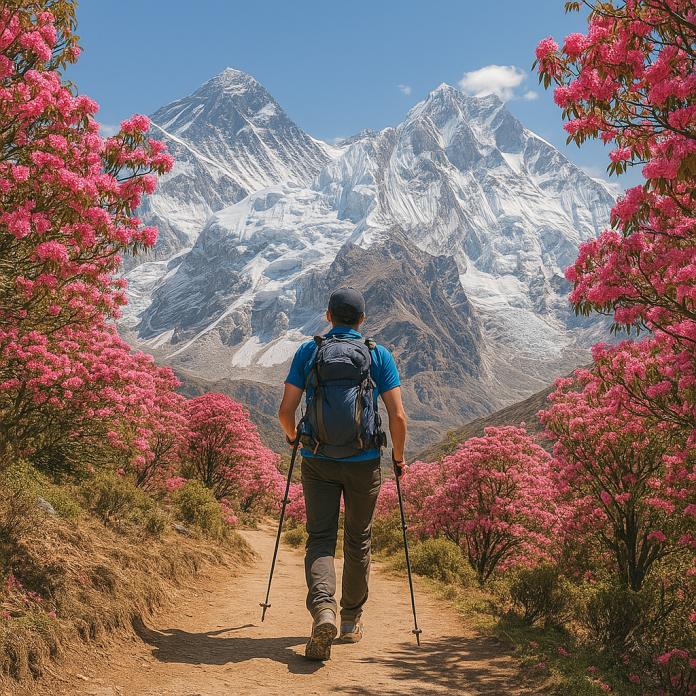
April is Everest season in full swing. If there were a “best all-rounder” month to trek to Everest Base Camp (EBC), this would be it. Think: crystal-clear skies, vibrant rhododendrons lining the lower trails, and a lively but not overcrowded atmosphere from Lukla to Kala Patthar. If you’re wondering whether April is worth the hype — it is. Here’s everything you need to know.


Why Choose April for the EBC Trek?

April is one of the busiest and most beloved months for the Everest region. It offers a mix of stunning weather, spring colors, and active mountaineering culture. If you’re hoping to catch glimpses of climbers preparing for their Everest summit bids, April is your month.

What makes April stand out?

  • Consistently clear skies for jaw-dropping mountain views

  • Blooming rhododendron forests in lower elevations

  • Lively trails with global trekkers and mountaineers

  • Dry trails with minimal snow disruption (except above Lobuche)

  • High chance of Lukla flight stability


Weather in April: Almost Perfect

April delivers the goods in terms of weather. It’s still technically spring, so expect warm days, cold nights, and dry conditions. At higher altitudes, nighttime temps still dip well below freezing, but nothing unmanageable with the right gear.

Location Day Temps Night Temps Notes
Lukla (2,800m) 10°C to 18°C 0°C to 5°C Light layers during the day
Namche (3,440m) 8°C to 15°C -2°C to -5°C Cool mornings, pleasant afternoons
Gorak Shep (5,164m) -3°C to 5°C -10°C to -15°C Cold but stable at higher elevation

Sunrise over the mountains happens around 5:30 to 6:00 AM, and the days are longer and brighter, giving you plenty of time to trek at a relaxed pace.


Trail and Crowd Conditions

You’ll meet plenty of fellow trekkers in April, especially around Namche, Tengboche, and Gorak Shep. Tea houses are operating at full swing, and there’s a healthy buzz on the trail.

It’s not chaotic like the peak of October, but if you want quiet mountain moments, consider staying in slightly off-the-main trail tea houses (your guide will know the best ones).


Highlights of EBC in April

  • Tengboche Monastery framed by wildflowers

  • Rhododendrons in bloom around Phakding, Namche, and Pangboche

  • Climbers prepping for Everest (at Base Camp and in lodges)

  • Epic visibility from Kala Patthar and Everest View Hotel

  • Stable trail conditions and warm sun for easier trekking


Packing Guide for April

April lets you pack a little lighter compared to winter months — but don’t get too casual. Nighttime at high altitudes still bites.

What to bring:

  • Moisture-wicking base layers

  • Lightweight fleece or down jacket for daytime

  • Heavier insulated jacket for early mornings and evenings

  • Gloves, beanie, neck buff (you’ll thank us in Gorak Shep)

  • Quick-dry trekking pants (plus one thermal set for higher up)

  • Sun protection (glasses, hat, sunscreen — UV levels are high!)

Footwear tip: Waterproof boots are helpful, but trails are usually dry.


Lukla Flights: Reliable, but Buffer is Smart

April sees high air traffic to Lukla, and flights are relatively stable due to good weather. However, occasional delays still happen, especially due to Kathmandu airport congestion.

Some flights depart from Ramechhap, so check with your agency in advance and plan a buffer day on both ends if flying in and out.


Guide or No Guide?

Even in April, the rule remains the same: all foreign trekkers are now required to hire a guide or trek through a licensed agency. This is both for safety and environmental regulation enforcement.

Thankfully, having a guide in April is a huge advantage. They can help you:

  • Book tea houses in advance (some fill up)

  • Adjust itineraries if you’re feeling tired

  • Spot mountain wildlife or point out Everest climbers

  • Connect culturally with locals


Itinerary Overview

Most standard EBC itineraries (12 to 14 days) work perfectly in April. Here’s a simplified idea:

  • Day 1–2: Kathmandu to Lukla, trek to Phakding

  • Day 3–4: Namche Bazaar and acclimatization

  • Day 5–6: Tengboche to Dingboche

  • Day 7–9: Lobuche to Gorak Shep, EBC visit and Kala Patthar

  • Day 10–12: Return via the same route

Feel free to add Chukhung Valley, Gokyo Lakes, or Ama Dablam Base Camp as side quests if you’re feeling strong and have more time.


Cultural Energy in April

April is a lively cultural month, with many local festivals taking place in the Khumbu region. Depending on timing, you might witness:

  • Rama Navami (Hindu festival in Kathmandu before your trek)

  • Buddhist rituals in Tengboche as monks prepare for the upcoming season

  • Local sherpas blessing climbers preparing to summit Everest

It adds spiritual richness to your already stunning journey.


Post-Trek Tips

April weather is still fantastic in Pokhara and Chitwan. So after EBC, treat yourself to:

  • Lakeside rest and live music in Pokhara

  • Jungle safari and sunshine in Chitwan

  • Kathmandu Valley day hikes or food tours


Is April Right for You?

April is perfect if:
✅ You want peak visibility with warm days and clear skies
✅ You enjoy vibrant trail life and global camaraderie
✅ You’re okay with a bit of company on the trail
✅ You want to combine natural beauty with cultural interaction


Final Words from TrekHeaven

If trekking in Nepal is the dream, April is the wake-up call that makes it real. Nature is at its brightest, the mountains at their most welcoming, and the energy on the trail is pure joy. It’s the kind of month where every sunrise is a gift and every step feels meant to be.


Let’s lace up and go. April’s waiting.

Everest Base Camp in March: Snow Trails, Spring Energy, and the Start of Something Epic

0

March marks the turning point in the trekking calendar. The icy grip of winter loosens. The skies remain clear, the snow glistens under golden sun, and the energy on the trail starts to rise. If you’re thinking of trekking to Everest Base Camp (EBC) in March, you’re catching the best of both worlds — the quiet beauty of winter and the promise of spring ahead.

Let’s break it all down so you know exactly what to expect on the trail.


Why Trek EBC in March?

March doesn’t get the same hype as April or October, but maybe that’s what makes it special. It’s still considered early season, which means fewer crowds, fresher trails, and dramatic snow-draped mountains without the freezing pain of deep winter.

Here’s why many seasoned trekkers love March:

  • Crystal-clear skies from morning to night

  • Stable weather (still dry season)

  • Comfortable tea house availability

  • Snow still on the ground in upper regions, adding to the mountain magic

  • Spring flowers starting to bloom at lower elevations


Weather in March on the EBC Trail

Expect a noticeable shift as you move higher:

Location Day Temps Night Temps Notes
Lukla (2,800m) 7°C to 14°C 0°C to -5°C Comfortable, mild for day hikes
Namche (3,440m) 2°C to 10°C -5°C to -10°C Jacket weather, dry trails
Gorak Shep (5,164m) -5°C to 2°C -15°C to -20°C Snow possible, biting cold at night

Weather is relatively stable in March. You might encounter light snow above Dingboche or Lobuche, but usually nothing disruptive. Sunlight lasts longer, and mornings begin to warm up — though nights are still frigid above 4,000 meters.


Crowd Levels: Just Right

Unlike October or April, March offers peace. You’ll share the trail with just the right number of trekkers — enough to be social, not so many that you’re lining up at tea house bathrooms.

If you’re into quiet mornings, solo mountain moments, and fewer photo bombers, March is magic.


What to Pack for March

You’re walking a seasonal tightrope — still chilly but not freezing. Layering is key.

Essential Gear:

  • Base layers (top and bottom)

  • Mid-layer fleece

  • Insulated down jacket (warm but packable)

  • Waterproof outer layer (for light snow or wind)

  • Thermal gloves, beanie, neck buff

  • Good hiking boots (broken-in with ankle support)

  • Microspikes or crampons (snow patches still possible)

Sleep Setup:

  • Four-season sleeping bag rated to -15°C or lower

  • Hot water bottle (available in some tea houses)

  • Optional: Silk liner for extra warmth

Other:

  • UV sunglasses (snow glare is real)

  • Sunscreen & lip balm (even in cold, the sun burns)

  • Power bank (solar chargers are still useful but may be slow)


Teahouse Comfort in March

The good news? Most tea houses are open and more than happy to host early-season trekkers. Many are freshly stocked after the off-season, and the hospitality feels genuine — they’re not burnt out from peak season yet.

You might even get private rooms without paying extra, especially below Dingboche.


Altitude and Acclimatization

No matter the month, acclimatization is non-negotiable. March offers great conditions for it — clear skies for day hikes and mild midday temperatures.

Standard acclimatization stops:

  • Namche Bazaar (rest day with hike to Everest View Hotel)

  • Dingboche (acclimatization hike to Nangkartshang Peak)

If snow blocks passes like Cho La, stick to the classic EBC route for safety.


Highlights of Trekking EBC in March

  • Tengboche Monastery framed in snow

  • Everest and Lhotse glowing at sunrise from Kala Patthar

  • Milky Way photography at Lobuche and Gorak Shep

  • Crisp, windless mornings with views that stretch for miles

  • Fresh trail energy as spring begins to wake up the Himalayas


Flight Reliability to Lukla

March sees an uptick in flight regularity from Kathmandu (or Ramechhap) to Lukla. Still, always keep 1–2 buffer days for delays due to mountain weather.

If you want to avoid the flight altogether, consider the Salleri to Surke jeep route, but note it adds days to the itinerary and can be rough in spots.


Trekking with or without a Guide?

Nepal’s new policies encourage all foreign trekkers to hire a licensed guide. In March, when trails are less trafficked, a local guide is even more valuable for navigation, safety, and insight.

You can trek solo (through a licensed agency), but a guide adds so much: cultural context, route choices, daily planning, and even yak traffic control.


Is March Right for You?

Choose March if:
✅ You want great weather without peak-season crowds
✅ You’re prepared for snow and chilly nights
✅ You value solitude and unfiltered mountain energy
✅ You’re looking to beat the April rush and still enjoy high-season beauty


Post-Trek Ideas

After the ice, wind, and wonder of Everest, you’ll want a soft landing:

  • Chitwan for wildlife and warmth

  • Pokhara for hot showers, lakeside pizza, and paragliding

  • Kathmandu for temple hopping, Thamel shopping, and herbal tea massages


Final Thoughts from TrekHeaven

March is when the Himalayas begin to breathe again. The sun climbs higher, the flowers start to stir, and the trails come alive — but quietly, gently.

It’s a month of transition, offering the clean beauty of winter and the optimism of spring. If you want to see Everest in snow but trek in comfort, March might just be your golden window.


👉 Explore more monthly guides: Everest Base Camp Month-by-Month
👉 Planning for March? Let us help you gear up and go.

See you on the trail.