Home Blog Page 2

High Times in the Himalayas: Eden Hashish Centre, D.D. Sharma and the Golden Hippie Days of Kathmandu

0

No photo description available.If you were walking down Freak Street in Kathmandu in the early 1970s, you would have smelled it before you saw it. Not the yak butter tea stalls or the incense curling from temple courtyards, but the unmistakable, sticky-sweet aroma of Nepalese hashish. At the center of it all, presiding like a king over his smoky kingdom, was one man: D.D. Sharma, owner of the legendary Eden Hashish Shop.

For those who were there, Sharma was more than a businessman. He was a figure woven into the very fabric of Kathmandu’s hippie era. For those who were not, this is the story of a time when Kathmandu was the end of the road, hash was legal, and a good share of the world’s free spirits found themselves here, often for longer than they ever intended.


The Hippie Trail and Nepal’s Cannabis Paradise

In the 1960s and 1970s, waves of young travelers left Europe in search of adventure, enlightenment, and freedom. The route they followed became known as the Hippie Trail, stretching from Europe through Turkey, Iran, Afghanistan, Pakistan, and India, before ending in Nepal.

Nepal was more than just mountains and monasteries. It was one of the few countries where cannabis and hashish were completely legal. This was not a hidden practice or an ignored law; the Nepalese government issued licenses to hashish shops. These places operated openly, with signs outside and receipts inside.

One old traveler described it simply: “Places like Kathmandu were like a Mecca for pot lovers.”

And among all the licensed shops, one stood out: the Eden Hashish Shop, run by the charismatic and sometimes controversial D.D. Sharma.

No photo description available.


Eden Hashish Shop: A Social Hub in a Smoky Kingdom

Sharma’s Eden was more than just a store. Upstairs, the attic was filled with cushions and low tables, where travelers would pass chillums, sample “tolas” of hash, and sometimes get too high to buy anything.

“My mate and I used to go upstairs and sample different tolas in the shop chillum, then get too stoned to make a purchase, absolutely no problem to the owner. I’m pretty sure it was where I saw 1kg blocks of blonde Nepalese hash stacked up in the corner, $20 each.”

For those staying at the Eden Hotel, buying hash was even easier. “I lived in the hotel for a month in 1972 with my wife. I just pounded on the floor and they sent up a kid to take my order and return a minute later with what I wanted.”

Sharma was not just selling a product; he was building a community. Many of his customers were not just casual smokers but adventurers with bigger plans. Keys of hash would be pressed into bricks in the attic, then packed into false-bottom suitcases for trips to Goa, Australia, or the United States.

“Bought 10 keys in 1970 to smuggle from the owner Sharma, spent the evening with him in the attic smoking chillums while his bachas pressed my temple balls into bricks. Got so stoned I thought I was dosed on acid.”

Kathmandu was the heart of this trade, and Eden was one of its beating chambers. But this golden age was about to end.

No photo description available.


The Day the Smoke Began to Clear

In 1972, Nepal’s long-standing acceptance of cannabis began to crumble. King Mahendra passed away, and his son King Birendra ascended to the throne. While Nepal had deep cultural ties to cannabis use, particularly during the festival of Shivaratri, political pressures were mounting from outside.

President Richard Nixon had declared a War on Drugs, and the newly formed DEA was pressuring countries around the world to outlaw cannabis. Nepal was offered 50 to 70 million dollars in aid to criminalize it, a deal the new king accepted.

One traveler remembered it well:
“Richard Nixon and his recently formed DEA paid the new king 50-70 million dollars to outlaw pot in a Hindu country where everyone must take cannabis once a year on Lord Shiva’s birthday. Hippies were deported to India. It was a sad day on Freak Street.”

By 1975, the hashish shop signs had vanished. The trade continued, but in whispers rather than songs. The atmosphere that had drawn travelers from every corner of the world was gone. Many left for Goa or returned home. Freak Street, once the epicenter of counterculture in Asia, fell quiet.


The Fall of D.D. Sharma

For Sharma, the end came swiftly and sharply. A 10-kilogram shipment of hashish hidden in furniture bound for the United States was busted at Kathmandu airport.

“I was in the airport in Kathmandu when they busted a 10kg hashish hidden in furniture going to America and the exporters. Rumors said Sharma had informed on them.”

Whether the rumors were true or not, Sharma was expelled from Nepal and went into exile in Varanasi, India. The man who had once been the king of Freak Street’s hash trade disappeared from the scene almost overnight.


Freak Street: Then and Now

Then: Freak Street in the early 70s was alive with barefoot travelers in tie-dye shirts, Tibetan traders in woolen chupas, and the occasional sadhu covered in ash. Hashish shops advertised their wares openly, and the street hummed with sitar music, laughter, and the sound of travelers sharing stories over sweet chai. If you needed a place to crash, there was always a cheap guesthouse upstairs from a hash shop.

Now: Walk down Freak Street today and you will see souvenir shops selling pashmina scarves, trekking agencies offering Everest packages, and quiet cafés serving cappuccinos instead of chillums. The air smells of masala tea, not hashish. It is still charming in its own way, but for those who remember the old days, it feels like a faded photograph — the colors still there, but the wild spirit gone.

No photo description available.


The Memory Lives On

Today, Freak Street is a shadow of its former self. The smoke-filled attics are gone, replaced by shops and hotels catering to trekkers and domestic tourists. The Eden Hashish Shop exists only in the memories of those who knew it.

“I would have been considered a Hippie or Freak in those days, but today I am retired and spend my time relaxing with my wife and cat.”

Sharma’s legacy is complicated. Some remember him as a generous host, others as a sharp dealer, but all agree he was a defining figure of Kathmandu’s golden hippie days.

As one old traveler put it:
“P.S. we never called ourselves hippies back then, we were just ‘Freaks’.”

The era is gone, but for those who were there, the stories remain. Somewhere in the corners of their memories, the laughter, music, and sweet scent of Nepalese hash still drift through the air.

No photo description available.

Jiri to Everest Base Camp: The Original, Budget-Friendly Trail for the Brave and Curious

0

Before Lukla became the world’s most famous jump-off point to Everest, trekkers had only one way into the Khumbu: on foot, from Jiri. Today, while 99% of adventurers fly over the rugged Solu hills to land in Lukla, a handful of old-school purists and budget-conscious trekkers choose to walk the entire journey from Jiri to Everest Base Camp (EBC). It’s longer. It’s tougher. But it’s absolutely worth it.

If you’re wondering whether it’s possible to do this trail alone and on a budget, the short answer is: Yes, and it’s epic.


Why Start from Jiri?

1. It’s cheaper

Flying to Lukla can cost between $180–$250 one way. A bus from Kathmandu to Jiri? Around NPR 1,000–1,500 (less than $12 USD). That alone can shave hundreds off your trekking budget.

2. No flight delays or cancellations

Lukla is infamous for weather delays. You could be stuck in Kathmandu (or Lukla) for days. With Jiri, your legs are your ride. The trail’s always open.

3. It’s great for acclimatization

The 7–8 day approach from Jiri to Namche Bazaar involves daily ascents and descents of 1,000–2,000 meters. That’s tough—but it helps your body gradually adjust to altitude before the high Khumbu begins.

4. Less crowded and more cultural

You’ll pass through quiet villages like Shivalaya, Bhandar, Kinja, Junbesi, and Ringmu, where few foreign trekkers tread these days. Expect more authentic encounters, traditional Buddhist monasteries, and even apple orchards.


The Trail: What to Expect

The classic Jiri to Everest Base Camp route takes you through a mix of lush forests, rivers, terraced fields, and high ridges. It reconnects with the main EBC trail at Lukla or Phakding, depending on the road development.

Common Itinerary:

  • Day 1: Bus from Kathmandu to Jiri or Shivalaya

  • Day 2–8: Trek through Bhandar, Kinja, Lamjura La (3530m), Junbesi, Nunthala, and finally Surke or Lukla

  • Day 9+: Join the main EBC trail and continue to Namche Bazaar and beyond

Expect long, steep days with a lot of ups and downs. Most agree that this section is more physically demanding than the upper Khumbu, despite being at lower elevations.


Is It Safe to Trek Alone?

Yes, solo trekking from Jiri to EBC is possible, but:

  • Be physically prepared: This is not a beginner’s route. With a pack over 20 kg, you’ll feel every step.

  • Bring a good map or GPS app: The trail is marked, but signage is sparse in sections.

  • Inform someone: Whether it’s your guesthouse in Kathmandu or your embassy, let someone know your rough itinerary.

  • Stay at tea houses: The trail has enough lodges, though fewer than on the main EBC route. Villagers are welcoming and rooms are usually cheaper than in the upper Khumbu.

  • Consider hiring a porter or local guide, especially if your pack is heavy or you want cultural insight.


Trail Highlights You’d Miss by Flying

  • Lamjura La Pass: At 3530m, this forested pass is misty, quiet, and enchanting.

  • Junbesi Village: A serene Sherpa village with one of the oldest monasteries in the region.

  • Pikey Peak Detour: If you’ve got time, take a detour to Pikey Peak for a sunrise that Sir Edmund Hillary called his favorite Everest view.

  • The Old Trail Vibe: The trail winds through quiet terraced hills, Buddhist stupas, and remote schoolyards—far from the commercial buzz of the Lukla trail.


Budget Breakdown (Approximate)

Segment Mode Cost (NPR)
Kathmandu to Jiri Local Bus 1,000–1,500
Daily food + lodging Tea Houses 2,000–3,000/day
Permits (TIMS + Sagarmatha NP) Required 5,000–6,000
Total for Jiri to EBC Walking Only ~35,000–50,000 NPR

Note: Prices vary depending on the season, your bargaining skills, and how much dal bhat you eat.


Final Thoughts: Should You Walk from Jiri?

If you’re fit, flexible, and up for a deeper, harder, and more rewarding experience, this trail is for you. You’ll arrive in Namche more seasoned, more acclimatized, and more connected to the mountains and their people than the average fly-in trekker.

Yes, it takes longer. Yes, it’s tougher. But it also rewinds time, leading you through the same trail used by early Everest pioneers and generations of yak caravans.

The road may slowly be creeping further into Solukhumbu, but for now, Jiri still marks the beginning of an unforgettable, old-school adventure.

Trekking to Everest Base Camp? Here’s the Truth About Sunglasses (and Why Not Just Any Pair Will Do)

0

Planning your dream trek to Everest Base Camp? Don’t overlook one tiny but vital piece of gear: your sunglasses. Whether you’re team polarized, prescription-wearer, or just someone scanning endless reviews for the “perfect pair”, this guide will help you see clearly—literally and figuratively—on what actually works at altitude.

Why Sunglasses Matter More at High Altitude

At higher elevations like those on the Everest Base Camp trail, UV radiation increases by roughly 10% every 1,000 meters. That means by the time you reach 5,000 meters, your eyes are getting blasted with nearly 50% more UV rays than at sea level.

And guess what? Snow reflects up to 80% of UV light. Even if you’re not surrounded by glaciers every day, light bouncing off rocks, snow, or clouds can damage your eyes—leading to a condition trekkers dread: snow blindness. It’s not common, but it does happen. A few trekkers every season are flown out because of it.

So yes, your sunglasses are serious business.


Do You Really Need Category 4 Sunglasses for EBC?

Not always.

Let’s break it down:

  • Category 3 sunglasses are sufficient for most of the Everest Base Camp trail, especially if you’re trekking in autumn or spring. They block 82–92% of visible light and usually offer 100% UVA and UVB protection.

  • Category 4 is advisable if:

    • You’re trekking in peak winter or late spring (March or November) when there’s snow on the trail.

    • You plan to cross snowy high passes (like Cho La or Kongma La), or

    • You have light-sensitive eyes or already wear prescription lenses and want an extra buffer.

Bottom line: If you’re sticking to the classic EBC route in October, a good pair of Cat 3 sunglasses with full UV protection is enough for most people. If you’re tackling higher routes or going mid-winter, Cat 4 is worth considering.


Prescription Glasses? You’re Not Left Out

Many trekkers use prescription sunglasses, and most do just fine—as long as they offer UV400 protection and aren’t too light in tint.

If you’re worried about losing or damaging them, here are a few smart options:

  • Over-the-glasses wraparound sunglasses for full coverage

  • Clip-on UV filters for your normal specs

  • Photochromic lenses (though they may take longer to darken in cold weather)

Pro tip: Don’t forget your regular prescription glasses as a backup.


What Features to Look for in Trekking Sunglasses

When shopping (or renting) in Kathmandu or elsewhere, prioritize:

  • UV400 or 100% UVA/UVB protection

  • Wraparound or side shield design to block wind and dust

  • Polarized lenses to reduce glare

  • Dark lenses (grey or brown preferred for color accuracy and snow conditions)

  • Durability—remember, these might bounce around in your daypack


Popular Options (Without the Price Hype)

You don’t have to drop $200 for fancy alpine eyewear. Some great choices based on recent trekker feedback:

  • Goodr: Lightweight, polarized, affordable (~$50)

  • Oakley Prizm Trail or Clifden (prescription-compatible with side shields)

  • Decathlon (Forclaz or Quechua): Budget-friendly, decent optics, Cat 3 and 4 available

  • Julbo: High-altitude favorite (available in Kathmandu at gear shops)


Can You Rent Sunglasses in Kathmandu?

Yes, and it’s a surprisingly good option if you won’t use Cat 4 glasses back home.

In Thamel, the trekking hub of Kathmandu, you’ll find:

  • Local rental shops offering Cat 3 and Cat 4 sunglasses

  • Rental cost: Around NPR 200–400 per day or NPR 1,000–2,000 per trek

  • Shops also sell basic wraparound sunglasses for as low as NPR 800

Note: Check for scratches and fit before renting. Some shops even offer trial wear for a few hours before you commit.


Other Handy Eye Protection Tips

  • 🧢 Cap or hat with a visor: Helps shade your eyes when you’re not wearing glasses

  • 🧴 UV-blocking lip balm: Yes, your lips can get sunburnt at altitude too

  • 🧼 Microfiber cloth: Trail dust is real—keep your lenses clean


Final Verdict: What Should You Pack?

If you’re trekking to EBC in October or May, and don’t plan to enter snowy passes:

  • A good-quality polarized Cat 3 sunglass will serve you just fine

  • Optional: Bring a backup pair if your glasses are prescription

If trekking in winter, doing side trips (like Gokyo or Cho La), or you just want the best view possible:

  • Bring Cat 4 with side protection or rent in Kathmandu

Whatever you do, don’t buy cheap market sunglasses without real UV protection. You don’t want to be that trekker stuck in Namche with snow blindness and regrets.


TrekHeaven Takeaway
Sunglasses on the trail aren’t about fashion—they’re your eye insurance. Whether you go high-tech or budget-friendly, just make sure you can see Everest clearly when the moment comes.

Let the mountains dazzle you. Just not your retinas.

Trekking to Everest Base Camp? Here’s the Real Insurance Guide for Canadians

0

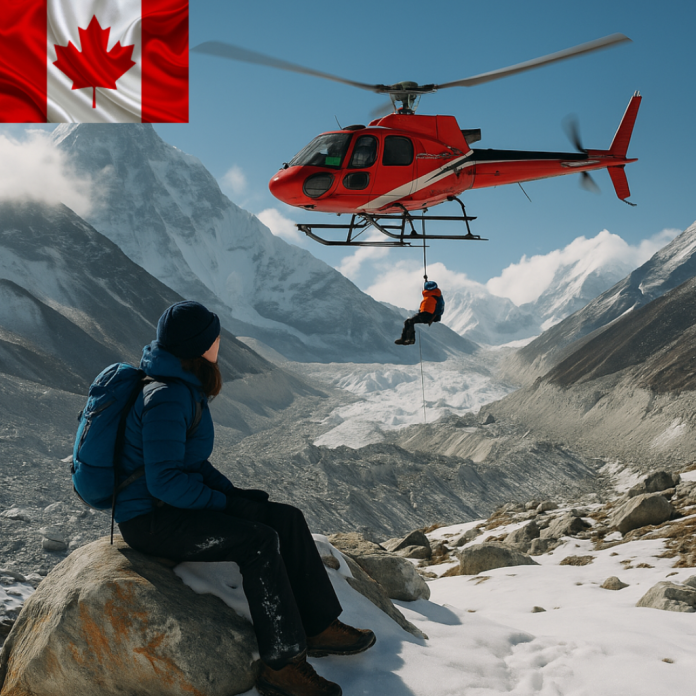
You’ve got your ticket to Nepal, your down jacket is puffed and proud, and your calves are already twitching with anticipation. But before you lace up those boots and fly off to chase Himalayan dreams, there’s one box you absolutely need to check: insurance that won’t abandon you at 5,000 meters.

If you’re a Canadian heading to Everest Base Camp (EBC), you’ll need more than your average travel insurance. You’ll need coverage that works above 5,000 meters, includes helicopter evacuation, and ideally works well with your provincial health plan.

We combed through real trekker reviews, Canadian travel sites, and the fine print to bring you this no-nonsense, slightly cheeky guide.


🚁 Why EBC Insurance Matters (Especially for Canadians)

Let’s keep it real. If you get altitude sickness in Gorakshep or slip on a muddy descent, the only way out is a helicopter — and that thing is not cheap. Like, $3,000–$5,000 not cheap. Some trekkers even pay upfront and cross their fingers that insurance reimburses them.

Now toss in the usual altitude risks: breathing issues, frostbite, gastrointestinal surprises. Bottom line? You don’t want to cut corners here.


🧭 Top Canadian Insurance Companies for EBC (According to Actual Trekkers)

Here’s the roundup of providers that real Canadians have used — with highlights, complaints, and how much they actually paid.

1. Tugo

“Used Tugo for EBC and Kala Patthar. They didn’t care how high I went, just that I wasn’t using ropes or mountaineering gear.”

  • ✅ Covers up to 6,000m

  • ✅ Includes helicopter evacuation

  • 💰 ~CAD 200–300 for a 2-week trek

  • 📝 No fuss about elevation if you’re hiking, not climbing.

  • 💡 Popular among Quebec-based trekkers

This is one of the easiest, no-nonsense options for Canadians. Just check that you don’t need “technical equipment” — which you won’t on EBC.


2. Blue Cross (Canada)

“Used them for Kilimanjaro last year, and they were excellent.”

  • ✅ High-altitude friendly (ask for trekking or adventure add-ons)

  • ✅ Ties into your provincial health coverage

  • 💰 Competitive pricing (~CAD 200–300)

  • 🏥 Claims can be direct-billed in Canada

  • 💡 Great if you already have Blue Cross benefits through work

Blue Cross is a solid, reputable option — but make sure your plan includes high-altitude trekking and heli evac. Some plans don’t by default.


3. CAA (Ontario/Quebec/etc.)

“Try CAA. You’ll need to add the ‘Adventurous Air Rider’.”

  • ⚠️ Requires add-ons for altitude or helicopter rescue

  • 💡 Can be cheaper when bundled with membership

  • 🏥 Works well with your provincial plan

  • 💰 Cost varies by province and length of trip

You’ll likely need to call and request EBC-specific adjustments. The good news? They’ll actually help you sort it out.


4. RBC Travel Insurance

“They gave me solid quotes and covered everything I needed.”

  • ✅ Well-rounded coverage for medical, baggage, cancellation

  • ⚠️ Altitude and evac coverage must be confirmed per policy

  • 💰 Pricing varies (typically CAD 200–400)

  • 💡 Convenient if you bank with RBC

It’s bank-backed peace of mind — but always, always confirm that your plan goes above 5,000m and covers emergency chopper rides.


5. World Nomads (Explorer Plan)

“I got 17 days of EBC coverage for CAD 200. Just don’t pick the basic plan.”

  • ✅ Up to 6,000–7,000m (Explorer plan only)

  • ✅ Includes helicopter rescue, emergency, baggage, etc.

  • 💻 Easy to buy online

  • ⚠️ You must pick the right activity category

World Nomads is the go-to for digital nomads and gap year adventurers. Just double-check that you’ve selected the correct policy tier — Standard won’t cut it for EBC.


6. Austrian Alpine Club (UK membership available for Canadians)

“Recommended by Alpine Club of Canada. Covers rescue up to 6,000m.”

  • ✅ Covers helicopter rescue

  • ⚠️ Doesn’t include regular travel insurance (combine with another plan)

  • 💰 ~CAD 100–150 annual membership

  • 💡 Ideal for experienced climbers or regular trekkers

Great for those doing multiple trips a year or combining EBC with climbing.


🚨 What NOT to Do

  • Don’t rely on your credit card insurance — most don’t cover trekking beyond 3,000–3,500m.

  • Don’t buy insurance without reading the altitude limit — if it cuts off at 4,000m, it’s useless for EBC.

  • Don’t forget about heli rescue — it must be written clearly in your policy.

  • Don’t assume work insurance covers everything — many work plans exclude adventure sports.


EBC Trekking Insurance Comparison for Canadians

Provider Altitude Coverage Heli Evac Included? Claim/Usage Notes Estimated Cost Pros & Notes
Tugo Up to 6,000m ✅ Heli evac covered Used for EBC/Kalapatthar; no limit on altitude if no ropes used CAD 200–300 for ~2 weeks No altitude pre-limit warning; ideal for non-technical trekkers
CAA Travel Insurance Varies (medical only – add-ons up to 5 M CAD) ✅ Medical evacuation (with Adventurous Air Rider) Blue Cross-like; altitude requires adventurous air rider Varies; members get ~10–20% off Integration with provincial plans; solid for medical and air emergencies
Blue Cross Up to ≥6,000m ✅ Yes (altitude add-on) Excellent peer review from Kili trek; Canadian rates likely cheaper Similar to World Nomads (approx CAD 200) Good customization and provincial billing benefits
RBC Insurance Up to 6,000m+ ⚠️ Likely (confirm plan) Covers medical, cancellation, baggage Varies; typical rate CAD 200–400 Trusted bank-backed option with multi-category coverage
CAA (Quebec or Ontario) Medical mgmt; altitude needs rider ⚠️ With adventurous/air rider CAA Quebec emphasizes medical+air coverage; includes paramedical riders Membership + rider fees; annual plans CAD 30–150 + riders Excellent for outdoor sports, ages, and complementing provincial coverage
World Nomads Up to 6,000m (Standard) / 7,000m (Explorer) ✅ Yes (with correct plan) Standard covers EBC if you pick correct tier; many Canadian trekkers use CAD 200 for ~2 weeks Well-known, online, quick purchase — check plan tier carefully
Travelex / Gobdl Excel Likely up to ~6,000m ✅ Likely (user anecdote) One trekker paid ~CAD 350; covers rescues up to Base Camp ~CAD 350 Popular off-the-shelf option; check altitude and heli coverage specifics
Bank/CC Coverage Up to ~3,000–4,000m ❌ No Work coverage only for heli evac in some cases; credit card usually too low Free/low Might cover basic medical, but risk of no altitude support

🧭 Highlights & Notes

  • Altitude management: Providers vary—Tugo, Blue Cross, RBC, World Nomads (Explorer), and Travelex are solid for up to 6,000m. CC and basic medical don’t cut it.

  • Helicopter rescue: Must confirm explicitly in policy. Tugo, CAA (with riders), Blue Cross, and Travelex cover it.

  • Cost range: Expect CAD 200–400 for a 2–3 week trek; annual/membership add-ons apply.

  • Integration with provincial/ workplace plans: Blue Cross and CAA often bill your provincial health plans directly, saving you hassles.

  • Reputation: Tugo used by Quebec trekker; Blue Cross used for Kilimanjaro; CAA strongly recommended by travel communities.


✅ What to Watch For

  1. Altitude limits — Don’t assume “mountain trekking” includes 5,000+m.

  2. Heli evacuation — Must be explicit in coverage.

  3. Plan type matters — E.g., World Nomads Explorer vs Standard.

  4. Work vs private — Some use work benefits just for heli, but that’s risky without full trip protection.

  5. Riders and add-ons — CAA’s Adventurous Air Rider, Blue Cross altitude add-ons — they matter!


📌 Bottom Line for Canadian Trekkers

  • Budget & SimplicityTugo or World Nomads Explorer

  • Comprehensive Medical + Air RescueBlue Cross or CAA with riders

  • All-in-One ConvenienceRBC Insurance – check plan details

  • Backup OptionTravelex (~CAD 350, covers 6k rescue)

💡 Final Tips Before You Click “Buy”

  • Double-check altitude coverage (minimum 5,500m)

  • ✅ Make sure helicopter evacuation is included

  • Ask about exclusions — especially for solo trekking or guides

  • ✅ Add buffer days in case of Lukla flight delays

  • ✅ Print your policy and keep emergency numbers handy


✈️ In Conclusion: Buy Smart, Trek Smarter

Everest Base Camp is one of the greatest adventures on earth — but you’ll enjoy it way more knowing you’re fully covered if things go sideways. Canadians have several great insurance options for EBC. Whether you go with Tugo, Blue Cross, World Nomads, or CAA, just make sure your policy is crystal clear on the stuff that really matters.

No stress. No second guessing at 5,000 meters. Just you, the mountains, and peace of mind.

Trekking Insurance for UK Trekkers: What Actually Works for Everest Base Camp

0

So you’ve booked your flight, started breaking in those boots, and maybe even practiced saying “Namaste” in the mirror. Next on the prep list? Trekking insurance. Specifically: insurance that actually does something when your lungs say “nope” at 5,000 meters and a helicopter becomes your best friend.

If you’re from the UK and heading for Everest Base Camp (EBC), you’ll need coverage that includes helicopter evacuation, high-altitude trekking (up to 6,000–7,000 meters), and medical. We trawled through real trekker reviews and compiled what actual Brits are using — and what they’ve said when things went sideways.


🧭 Quick TL;DR

  • Campbell Irvine, Trailfinders, and True Traveller get strong marks across the board.

  • BMC (British Mountaineering Council) and Austrian Alpine Club are excellent for serious trekkers or climbers.

  • Avoid relying solely on standard holiday insurance. Most don’t cover trekking above 3,500m — and Everest Base Camp is way above that.


🏅 Most-Recommended by Real UK Trekkers

1. Campbell Irvine

This one came up a lot. And not just because it covers helicopter rescue — it’s also been tested by people who had to use it.

“I used Campbell Irvine who included heli evac for an excess of £500. I did end up needing to use it and it was all covered, no problem, as well as the medical bills from the hospital!”

Campbell Irvine’s policies are tailored for adventure travel, and they cover EBC-level altitude without a ton of fine-print hurdles. The excess (usually £500) is pretty standard, and the pricing seems to hover around the reasonable mark.

“I researched reviews and Campbell came up good. I figured in an emergency I need a company that will respond quickly and I don’t have to pay upfront.”

Well said.


2. Trailfinders

Another fan favorite — not just for insurance, but for their overall trekking support.

“Trailfinders cover you up to 7,000 meters and yes, they do helicopter rescue. I think you pay $500 excess which seems to be normal.”

“Sorted today with Trailfinders — £115.”

Affordable, easy to buy, and highly recommended across the board. Some also mentioned that Trailfinders doesn’t make a fuss about pre-existing conditions or unusual itineraries.


3. True Traveller

Best for those who want to tick a lot of boxes: helicopter rescue, altitude, lost baggage, and even trip cancellations. Just make sure to flag Nepal and EBC on the form.

“Recently bought a policy with True Traveller for a trip in March. Went with the Ultimate Travel option. Included heli evac, lost baggage, etc. Cost £335.88.”

Bit pricier, but it’s comprehensive — and works well for those combining trekking with other travel around Asia.


4. BMC (British Mountaineering Council)

If you’re serious about mountains, BMC is your crew. You need to be a member to access their insurance, but many say it’s worth it.

“BMC every time for me. Had a claim for $10k and they paid swiftly when they received the details.”

BMC is especially popular with mountaineers, climbers, and seasoned trekkers. The kind of people who carry duct tape and ibuprofen like they’re first aid essentials.


5. Austrian Alpine Club (UK Branch)

This is more niche, but for those in the know, it’s a fantastic option — especially for higher-altitude trekking and technical climbs.

“Austrian Alpine Club will cover heli rescue up to 6,000 meters, then supplement with your regular holiday insurance for Kathmandu.”

Some folks pair this with cheaper general travel insurance for their city stays. Smart thinking.


🚁 The Helicopter Reality

One thing echoed in almost every thread: budget for a helicopter, even if you’re insured.

“I paid $350 for Lukla to KTM. Friends who went from higher up paid $1,200 for two.”

“Still had to deal with a helicopter ride from Lukla to Kathmandu because of flight shortages. Next time, I’d give myself more time just in case.”

Even when covered, insurers often require approval before you can summon that chopper. So, carry a credit card, stay in touch with your insurer, and if possible, travel with a guide who can help coordinate during an emergency.


🏔️ Everest Base Camp Insurance Comparison (For UK Trekkers)

Company Max Altitude Covered Heli Evac Included? Claim Experience Estimated Cost Notable Features
Campbell Irvine 6,000–7,000 m ✅ Yes (£500 excess) ✅ Positive (used successfully) £115–£200+ Well-reviewed, responsive in emergencies, no upfront payment for heli in some cases
Trailfinders Up to 7,000 m ✅ Yes (~£500 excess) ✅ Good ~£115 Affordable, easy to purchase, covers all essentials for EBC
True Traveller Up to 6,000+ m (EBC valid) ✅ Yes (Ultimate plan) ✅ Good £300–£350 Customizable coverage, includes baggage loss, add-on options available
BMC (Mountaineering Council) 7,000 m+ ✅ Yes (for members) ✅ Excellent (£10k claim paid) ~£300+ (with membership) Designed for mountaineers, great for serious trekking, fast claims
Austrian Alpine Club (UK) Up to 6,000 m ✅ Yes (paired with regular insurance) ⚠️ Not widely tested ~£50–£100/year (membership fee) Covers alpine rescue; best when supplemented by another travel policy
Post Office Likely ≤3,500 m ⚠️ Unclear ❓ Unknown Varies May not cover EBC altitude or heli rescue — must confirm with provider

🗝️ Key Notes for UK Trekkers

  • Always confirm that your policy:

    • Covers trekking up to 5,500m or higher

    • Includes emergency helicopter evacuation

    • Doesn’t require you to pay upfront for heli rescue

    • Covers you even if you’re trekking without a guide

  • BMC and AAC are best for mountaineers and higher altitudes but may require extra steps or add-ons.

  • Trailfinders and Campbell Irvine are top picks for straightforward, proven coverage used by dozens of EBC trekkers.

🧾 Final Advice

  • Double-check altitude limits — aim for at least 6,000m coverage.

  • Heli evacuation must be explicitly included.

  • Ask about pre-existing conditions if applicable.

  • Buffer days are essential for Lukla flight delays or backup options.

  • 🚫 Don’t rely on Post Office or credit card insurance unless you’ve seen the word “helicopter” and “above 5,000m” in writing.


✈️ Bottom Line: Get Covered, Then Go Climb Stuff

For UK trekkers heading to Everest Base Camp, the insurance market is actually pretty solid. You’ve got well-reviewed options that don’t cost a fortune, do cover the things that matter, and have come through for real people when Everest decided to throw a curveball.

Get it sorted, print your policy, load up your snacks, and go enjoy one of the greatest walks on Earth.

Best Winter Foods on the Trekking Trail (Meat-Free Edition): What to Eat and Why It Matters

0

Winter trekking in Nepal isn’t just about stunning silence and snow-lined paths — it’s also about keeping your body warm, your energy high, and your spirits even higher. In the cold and at high altitudes, your food becomes your fuel, your medicine, and your comfort.

If you’re planning a vegetarian-friendly winter trek to Everest Base Camp, Annapurna Base Camp, or anywhere in the Himalayas, this is your guide to the best plant-based foods that will nourish and sustain you at altitude.


🌱 Why Your Food Choices Matter More in Winter

When temperatures drop and elevation rises, your body works harder to regulate heat, fight fatigue, and adjust to thinner air. That means:

  • You burn more calories — especially in sub-zero temperatures

  • You lose fluids faster — even when you’re not sweating

  • You need warming, slow-digesting meals to last the day

Let’s dive into the best vegetarian trekking foods that keep you warm, strong, and satisfied.


🥣 The Carbs That Keep You Going

1. Dal Bhat (Lentil Soup with Rice and Veggies)

Nepal’s unofficial national dish is perfect for winter. You’ll find it everywhere, served hot, fresh, and in unlimited refills.

  • Lentils = protein + iron

  • Rice = fast-burning fuel

  • Veg curry = fiber + flavor

TrekHeaven Tip: Ask for extra ghee or an extra bowl of lentils — both boost energy and heat.

2. Tibetan Bread with Jam or Peanut Butter

This fried flatbread is light, fluffy, and incredibly filling. Paired with nut butters or local honey, it makes a warming and calorie-rich breakfast or snack.

3. Porridge (Oats, Semolina, Tsampa)

A hot bowl of porridge in the morning keeps you full and warm till lunch. Add in honey, dried fruits, or nuts for a tasty energy boost.


🧈 Plant-Based Fats for Warmth

4. Vegetable Thukpa

This noodle soup is hot, hydrating, and packed with root vegetables and spices. It’s a popular evening meal and often served with a bit of chili to warm your core.

5. Sherpa Stew (Shyakpa, Veg Version)

A slow-cooked stew of handmade noodles, carrots, potatoes, and leafy greens, Sherpa Stew is the ultimate comfort food at high altitudes.

6. Fried Rice or Noodles with Vegetables

Available everywhere, these simple dishes are high in carbs and easy on digestion. Great as a midday energy top-up.

7. Yak Cheese (Optional for Vegetarians)

While not vegan, yak cheese is a calcium-rich, fatty snack that’s available in most high-altitude teahouses. If you’re vegan, you can skip this and pack nut butters or seeds from Kathmandu instead.


🍵 Hot Drinks & Hydration Heroes

Staying warm and hydrated is essential at altitude. Most teahouses offer boiled water, herbal teas, and broths that hydrate and nourish.

8. Garlic Soup

Popular on the EBC route, garlic soup is believed to help prevent altitude sickness. Whether or not that’s true, it’s hot, salty, and comforting.

9. Ginger Honey Lemon Tea

Great for your throat, stomach, and circulation, this tea is a winter favorite. Drink it at every meal.

10. Black Tea or Milk Tea

Simple and satisfying. Many locals also drink salted Tibetan tea (buttered tea) — an acquired taste that can help replenish salt lost through exertion.


🍫 Best Veg Snacks to Carry

Pack smart snacks in your daypack. These provide quick energy, don’t freeze easily, and are easy to nibble on while hiking.

11. Energy Bars (Plant-Based)

Check labels in Kathmandu for vegan-friendly options. Or bring your own stash from home. Look for dates, oats, nuts, and seeds.

12. Roasted Soybeans, Peanuts, or Trail Mix

Buy in local markets — these are high-calorie, high-protein snacks that are easy to carry and eat on the go.

13. Chocolates & Local Biscuits

Dark chocolate or Nepali tea biscuits are cheap, satisfying, and give you that much-needed morale boost at the top of a snowy pass.

TrekHeaven Tip: Avoid snacks with excessive sugar or dairy if you’re sensitive at altitude. Simple carbs + fat = best combo.


🚫 What to Avoid

Even with great options, there are a few things to steer clear of in winter:

  • Cold drinks: Always go for warm or boiled water.

  • Raw salads or unwashed fruits: Hard to digest and often not hygienically prepared.

  • Meat: Meat at altitude may not be stored properly. Even if you’re not vegetarian, it’s best skipped on the trail.


🍛 A Sample Plant-Based Winter Trekking Meal Plan

Time Meal
Morning Oat porridge + Tibetan bread + ginger tea
Trail Snack Trail mix + dark chocolate + boiled water
Lunch Dal Bhat (veg) + garlic soup + tea
Afternoon Roasted peanuts + black tea
Dinner Veg Sherpa stew or Thukpa + lemon honey tea
Before Bed Warm soy milk or ginger tea

🙌 Final Thoughts

Winter trekking on a vegetarian diet is not only possible — it’s incredibly rewarding. You’ll find the Himalayan menus more veg-friendly than you expect, and with the right meals, you’ll stay warm, energized, and altitude-ready.

So pack your hand sanitizer, headlamp, and your best appetite — and let the mountains feed your body and soul.


Need help planning a vegetarian-friendly trek in winter? From teahouse recommendations to gear checklists and local food tips, TrekHeaven has your back — no meat required.

Annapurna Base Camp Trek in December: Cold Trails, Warm Hearts

0

Thinking about trekking to Annapurna Base Camp (ABC) in December? Most people are packing for the holidays, but you—you’re packing for snow trails, mountain stillness, and some of the clearest skies Nepal has to offer. December may be off-peak, but don’t mistake that for off-limits.

If you’re prepared to bundle up, December can be a magical time to hit the Annapurna trail. It’s colder, yes, but also quieter, cleaner, and surprisingly welcoming.

Here’s everything you need to know before setting foot on the trail this month.


Why Trek to ABC in December?

✔️ Peace and solitude: The trails empty out after November. You might get entire stretches of trail—or even a teahouse—to yourself.
✔️ Crystal-clear mountain views: With little humidity or haze, the views of Machapuchare and Annapurna I are breathtaking.
✔️ Off-season perks: Fewer trekkers mean more attentive hospitality, no rush for teahouse beds, and lower prices in some places.
✔️ Festive atmosphere: Experience Nepali warmth around wood stoves in the winter months. You’ll often find holiday cheer in unexpected places.


How Cold Is It?

December is when winter sets in, especially above 3,000 meters. Days can still be sunny and pleasant while trekking, but mornings and nights get icy.

Location Day Temp Night Temp Conditions
Pokhara 17–22°C 6–10°C Clear, mild
Chhomrong Area 10–18°C 2–8°C Crisp air, sunny days
Annapurna Base Camp -5 to 5°C -10 to -4°C Dry, freezing at night

Snow is possible at ABC, and sometimes along the trail near Deurali or MBC, especially after mid-December. Trails remain accessible, but icy patches are possible.


Trail Conditions

Dry, quiet, and completely walkable—with some caveats:

  • Lower sections: Ghandruk, Chhomrong, and Bamboo are dry and manageable.

  • Upper sections: MBC and ABC can have snow or icy patches, particularly in the morning.

  • No monsoon hazards, and no landslides to worry about.

Teahouses are mostly open, though some may close temporarily if foot traffic drops too low, especially at higher elevations.


Getting There and Back

Getting to the trailhead:

  • Pokhara to Siwai: Jeep or bus (about 4–6 hours)

  • From Siwai: Begin trekking through Ghandruk to Chhomrong and up the valley

Pro tip: Start early. Daylight hours are shorter in December, and it’s better to be in a lodge by mid-afternoon before the temperatures dip.


What to Pack in December

This is not the time to skimp on gear. Layers are your best friend, and staying warm is the key to enjoying the trek.

Clothing Must-Haves:

  • Thermal base layers

  • Fleece or wool mid-layers

  • Windproof & waterproof outer shell

  • Down jacket (seriously warm)

  • Gloves, hat, scarf, thick socks

  • UV protection—yes, the winter sun is still strong

  • Crampons or microspikes (optional but helpful if icy)

  • Sleeping bag rated for -10°C or colder

Extras:

  • Water purification tablets (pipes may freeze)

  • Lip balm, sunscreen, moisturizer

  • Power bank (cold kills batteries fast)

  • Headlamp (sun sets early)


Budget and Costs

December can save you a few bucks if you’re trekking independently:

Item Estimated Cost
ACAP + TIMS permits NPR 4,000
Guide (optional) $20–25 per day
Porter (optional) $18–22 per day
Meals NPR 2,000–2,500/day
Lodging NPR 500–1,000/night
Jeep to Siwai (shared) NPR 3,000–6,000

Festive Spirit on the Trail

If you’re trekking around Christmas or New Year’s, expect a few festive surprises. Some teahouses put up decorations, offer cakes or local rice wine, and even host informal dinners with trekkers.

Don’t be shocked if your holiday meal is a giant plate of dal bhat and a slice of yak cheese. It’s not exactly Hallmark, but it’s real, warm, and unforgettable.


Challenges to Consider

❄️ Cold temperatures, especially at night
🚿 Frozen pipes at higher altitudes—don’t expect hot showers
Shorter days—plan to reach teahouses by 3 pm
🚶 Fewer fellow trekkers, which can feel either peaceful or lonely


Should You Trek ABC in December?

Yes—if you’re mentally and physically prepared for the cold. December trekking is serene, spiritual, and visually stunning. The landscape feels untouched, and every footstep feels meaningful. You’ll experience Nepal’s raw beauty without the crowds, and that’s a reward in itself.


Final Thoughts

The Annapurna Base Camp Trek in December is not for those chasing comfort—it’s for those chasing clarity, solitude, and authenticity. Whether you’re watching frost gather on prayer flags at MBC or sipping hot tea under a million stars at ABC, this trek in December feels like a whispered conversation with the mountains.

If that sounds like your kind of adventure, bundle up and head out. The Himalayas are waiting—and in December, they whisper, not shout.


Ready for a snow-kissed Himalayan adventure? TrekHeaven will help you plan, prepare, and pack smart for the chillier charm of December.

Annapurna Base Camp Trek in November: The Last Golden Window

0

If October is the rockstar of trekking season, November is the soul of the Himalayas—quiet, crisp, glowing with golden light, and deeply rewarding. As the post-monsoon clarity lingers and the crowds begin to thin, the Annapurna Base Camp (ABC) Trek in November offers that rare balance between breathtaking scenery and peaceful trails.

This is the month for those who crave the beauty of the mountains without the bustle, who want their tea house fireside chats to be a little quieter and the trails to feel just a bit more personal.

Let’s walk you through why November might just be your best-kept trekking secret.


Why Trek ABC in November?

Crystal-clear skies: The monsoon has scrubbed the air, and the first hints of winter create near-perfect visibility.
Golden landscapes: Harvested fields, amber forests, and sunlit peaks make this a photographer’s dream.
Fewer crowds: Peak season tapers off mid-November, giving you more space (and choice) at teahouses.
Dry weather: November is reliably dry, and river crossings and muddy trails are minimal.
Starry nights: The dry air makes for incredible night skies—Milky Way views from your lodge? Yes, please.


What’s the Weather Like in November?

Location Day Temp Night Temp Conditions
Pokhara 20–26°C 10–15°C Sunny, low humidity
Chhomrong Area 15–20°C 5–10°C Clear and crisp
ABC (4,130 m) 0–8°C -8 to -3°C Cold but stable

Daytime is still warm enough for T-shirts at lower altitudes, but mornings and evenings at higher elevations require layers, down jackets, and beanies.


Route Access and Trail Conditions

November trails are in top form—dry, safe, and well-marked. There are no major weather risks like snowstorms or landslides this early in the winter season.

Access Route Notes
Pokhara to Siwai/Ghandruk Open and smooth, daily shared jeep rides run
Trail via Chhomrong Dry, scenic, and busy early in the month
ABC to MBC to Bamboo Cold mornings, but the paths are in excellent condition

Note: The sooner in November you go, the warmer and busier it is. Trekking in the last two weeks of November offers the best peace-and-quiet ratio.


What to Pack in November

This is where layering is key—you’ll be trekking in warm sun during the day and sipping tea near a stove in freezing temperatures at night.

Essentials:

  • Base layers + fleece or wool mid-layers

  • Down jacket (lightweight but warm)

  • Beanie, gloves, neck gaiter

  • Sun protection (hat, sunscreen, sunglasses)

  • Insulated water bottle (water may freeze overnight at ABC)

  • Crampons not needed, but warm socks and waterproof boots are a must


Typical Costs for November

Item Estimated Cost (Per Person)
ACAP + TIMS Permits NPR 4,000
Guide (optional) $20–25/day
Porter (optional) $18–22/day
Meals NPR 2,000–2,500 per day
Lodging (teahouses) NPR 500–1,000 per night
Pokhara–Ghandruk Jeep NPR 3,000–6,000 (shared ride)

No major seasonal surcharges. Just remember to carry some cash, as teahouses may not have internet or mobile payment services.


Cultural Vibe: Between Festivals and Fires

By November, Dashain and Tihar are winding down, but villages still carry the afterglow of celebration. You might find locals drying corn, preparing winter food, or inviting you to a warm cup of local raksi.

The trails are quieter, the mountains feel more personal, and there’s an introspective rhythm to life in the Annapurna foothills.


Should You Trek Annapurna Base Camp in November?

Absolutely—especially if you’re a nature lover, introvert, photographer, or someone who prefers a quieter trail experience. November wraps up the fall season beautifully, offering spectacular views with a calm atmosphere.

You get the majesty of October with less foot traffic and more starry nights. If you’re okay with colder mornings and packing an extra layer, this might just be the most underrated month to trek ABC.


Final Thoughts

The Annapurna Base Camp Trek in November is like the golden hour of the trekking calendar—rich, rewarding, and fleeting. It’s a chance to experience Nepal’s mountains at their best before winter settles in.

Whether you’re reflecting by a yak-dung stove or watching the first rays hit Machapuchare from your teahouse window, this month delivers the kind of silence and splendor you came to the Himalayas for.


Plan your ABC trek with TrekHeaven, and we’ll make sure you hit the trail equipped, informed, and inspired. November might be the tail end of trekking season—but it just might be your perfect beginning.


Annapurna Base Camp Trek in October: Nepal’s Trekking Masterpiece

0

Welcome to October – the undisputed champion of trekking months in Nepal. If trekking were a rock concert, October would be front-row seats with perfect weather, epic views, and the entire Annapurna range putting on its finest performance. Whether you’re a first-time trekker or a seasoned mountain wanderer, this is the month where everything clicks – clear skies, stable trails, warm days, and that once-in-a-lifetime feeling that you’ve stepped into a National Geographic cover.

So lace up your boots and pack that extra camera battery – October on the Annapurna Base Camp (ABC) Trek is simply magic.


What Makes October So Special?

October is peak season for a reason. It marks the sweet spot between the summer monsoon and the harsh winter. The rain has cleaned the air and polished the mountains, and winter’s chill hasn’t yet crept in.

Everything is dry, clear, and trail-ready. And the best part? The teahouses are buzzing with trekkers from every corner of the world, swapping stories over dal bhat and apple pie.


Weather in October

Location Day Temp Night Temp Condition
Pokhara 24–28°C 14–18°C Sunny and dry
Chhomrong Area 18–22°C 10–14°C Crisp mornings, mild days
Annapurna Base Camp (4,130 m) 5–10°C -3 to 3°C Cold nights, brilliant days

Pro tip: Morning starts are golden – skies are clearest before noon, and sunrises on Annapurna South and Machapuchare are showstoppers.


Highlights of ABC in October

Clear skies, panoramic mountain views nearly every day
Stable weather – no need to watch the forecast like a hawk
Dry trails, fewer bugs, and better footing
Festive atmosphere – Dashain and Tihar fall in October, bringing color and culture to the villages
Lively teahouses – warm food, social trekkers, and cheerful hosts


Any Downsides?

Only one: crowds. October is the most popular month for trekking in Nepal, and the Annapurna trails are no exception.

Popular teahouses fill up quickly
More people on narrow trails – especially near Chhomrong and Bamboo
Prices may inch up slightly in peak season

Solution? Start early each day, and if you’re trekking with a guide or agency, let them pre-book rooms ahead – most have the connections to hold spots in advance.


Route Access in October

The trail is completely open and in excellent condition. Landslides and river crossings are minimal compared to the monsoon months. This is the smoothest ABC access window of the year.

Route Notes
Kathmandu to Pokhara 7–9 hours by tourist bus or 25-min flight
Pokhara to Siwai or Ghandruk Daily jeeps run smoothly via Nayapul
Trek begins Most start from Siwai or Kimche

What to Pack for ABC in October

October brings cool mornings, hot days in lower elevations, and crisp evenings at higher altitudes. Layering is your best friend.

Essentials:

  • Moisture-wicking T-shirts + thermal layers

  • Fleece or down jacket for higher altitudes

  • Trekking poles for comfort on descents

  • Warm hat and gloves for early mornings at ABC

  • Sunglasses, sunscreen, and lip balm – UV rays are strong!

  • Reusable water bottle and water purification tabs


Estimated Trek Costs

Item Estimated Cost (per person)
ACAP + TIMS Permits NPR 4,000
Guide (optional) $20–25/day
Porter (optional) $18–22/day
Meals and snacks NPR 2,000–2,500 per day
Lodging (tea houses) NPR 500–1,000 per night
Jeep Pokhara–Siwai NPR 3,000–6,000 (shared ride)

Note: October is a good month to splurge a little – try fresh coffee, apple crumbles, or even grab a hot shower in Chhomrong if you’re lucky.


Cultural Bonus: Festivals in October

October often overlaps with Dashain and Tihar – Nepal’s biggest festivals. Villages come alive with prayer flags, tika ceremonies, and local gatherings. You might get invited to a family’s celebration or share a meal of sel roti and curd in a teahouse kitchen.


Should You Trek ABC in October?

If you want clear skies, stable weather, buzzing trails, and an all-around unforgettable trek – YES. October is the safest, most scenic, and most social month to hike ABC.

You’ll be walking with other dreamers, guided by sharp mountain silhouettes, and welcomed by some of Nepal’s warmest hospitality. It’s not just a trek – it’s an immersion into nature, culture, and the kind of beauty that rewires your sense of wonder.


Final Thoughts

The Annapurna Base Camp Trek in October is as close to perfect as it gets. Just book your teahouse early, carry a bit of patience during busy trail hours, and let the Himalayas do the rest.

If you’re not trekking in October, you’ll wish you were.
If you are trekking in October, you’re in for the journey of a lifetime.


Let TrekHeaven help you get started – from gear tips to guide connections, we’re here to make your Annapurna dream a little more real, one unforgettable sunrise at a time.

Annapurna Base Camp Trek in September: The Grand Reawakening of the Trails

0

September is a breath of fresh mountain air — quite literally. After weeks of relentless monsoon rains, the skies begin to clear, the trails dry up, and the lush hillsides burst with life. If you’re considering the Annapurna Base Camp (ABC) Trek in September, you’ve picked a beautiful turning point — a time when the trails slowly awaken from their slumber, and the mountains begin to show their faces again.

While not as crisp as October, September offers an early bird advantage. Fewer crowds, greener hills, and an undeniable freshness that only comes after weeks of cleansing monsoon rain.


So, What’s It Like Trekking ABC in September?

It’s a month of transition. Early September can still feel monsoonal — think warm, humid, with lingering afternoon showers. But as the month rolls on, especially past mid-September, the skies open up, visibility improves, and the mighty Machapuchare and Annapurna Massif begin their reentry into the spotlight.

You’ll still see clouds. You’ll still dodge puddles. But you’ll also experience that first gasp when the clouds part at dawn and the entire mountain range glows gold.


Weather in September

Location Day Temp Night Temp Condition
Pokhara 26–30°C 18–22°C Warm and humid, fewer showers mid-month
Chhomrong Area 20–24°C 15–18°C Partly cloudy, occasional rain
Annapurna Base Camp (4,130 m) 6–12°C 0–4°C Chilly mornings, possible snowfall late month

Trek tip: Start early each day. Mornings are usually clearer, while afternoons may still bring clouds and drizzles — especially in the first half of the month.


Why Trek ABC in September?

Post-monsoon freshness — the forests, fields, and flowers are alive and vibrant
Gradual clearing of skies — perfect for photography lovers chasing early views
Still off-peak — quieter trails and more flexible accommodation
Better trail conditions than peak monsoon months
Warmer than October — less worry about freezing nights


The Not-So-Great Bits

Lingering rain in early September
Muddy sections in lower elevations
Some leeches — especially below Bamboo and near rivers
Unpredictable skies — you might not get those postcard views every day

But for the most part, these are mild trade-offs. The weather only gets better as the month moves forward.


Trailhead Access in September

This is another perk of trekking in September — road access improves daily as the rain weakens and landslides are cleared.

Route Notes
Kathmandu to Pokhara Daily tourist buses (7–9 hrs) or 25-min flight
Pokhara to Ghandruk or Siwai Jeep rides resume after monsoon damage is fixed — expect some bumps
Trek begins From Siwai or Ghandruk, depending on road and jeep conditions

Pro Tip: Check trail updates with locals in Pokhara — they’ll know if a section is closed or rerouted.


Packing List for ABC in September

You’re dealing with a changing climate — mix summer and monsoon gear with a dash of light winter prep.

Essentials:

  • Rain jacket or poncho (especially early Sept)

  • Waterproof boots or trekking shoes with good grip

  • Light fleece and insulated jacket for ABC

  • Trekking poles (muddy sections = slippery!)

  • Sunscreen + sunglasses (UV gets strong post-rain)

  • Headlamp (longer nights)

  • Leech protection (just in case): salt or Dettol spray

  • Quick-dry towels and extra socks


Views in September: Will You See the Mountains?

Yes — and maybe some of the best surprises.

While early September can feel uncertain, late September often surprises trekkers with jaw-dropping morning views, cloud inversions, and golden hour perfection. Even if the days are partly cloudy, ABC and Machapuchare Base Camp often offer glimpses of the giants between 6 and 9 a.m.


Estimated Costs for September

Item Estimated Cost (per person)
ACAP + TIMS Permits NPR 4,000
Guide (optional but helpful) $20–25/day
Porter (optional) $18–22/day
Daily meals NPR 2,000–2,500
Lodging (tea houses) NPR 500–1,000
Jeep Pokhara–Siwai NPR 3,000–6,000 (splitable)

Tips for Trekking ABC in September

  • Aim for late September if you want clearer skies

  • Wear lighter clothing in lower elevations — it’s still warm and humid

  • Book flexible flights in and out of Pokhara in case of rain delays

  • Don’t rush — give yourself buffer days for weather changes and unexpected delays

  • Use a licensed guide who knows post-monsoon trail conditions


Should You Trek ABC in September?

Absolutely — if you’re a flexible, curious traveler who enjoys lush nature and isn’t obsessed with dry socks. It’s a brilliant time to witness Nepal’s natural regeneration, enjoy quieter trails, and score surprisingly epic views if you hit it right.

September is for those who walk with an open heart and a waterproof daypack. For those who want to experience the calm before the trekking storm of October.


Still deciding?

Ask us. TrekHeaven works closely with guides on the ground and keeps tabs on trail conditions, tea house openings, and new detours. We’ll help you plan your post-monsoon masterpiece of a trek.

Because in Nepal, the mountains don’t rush — and neither should you.