Home Blog Page 11

Do You Really Need a Guide for the Annapurna Base Camp Trek in 2025? Here’s the Ground Reality

0


So, you’re planning the Annapurna Base Camp (ABC) trek this November, and wondering:
“Do I have to hire a guide, or can I go solo?”

If you’ve been scrolling through Facebook groups, Reddit, or Lonely Planet forums, you’re probably seeing a wild mix of answers. Some say a guide is 100% mandatory, others claim they just walked in with their permit and no questions asked. So what’s the truth?

Let’s clear the fog—TrekHeaven style.


The Official Rule (As of April 1, 2023)

Nepal’s government did introduce a new rule that requires all foreign trekkers to hire a licensed guide for treks in areas governed by the Nepal Tourism Board (NTB). This includes popular regions like Annapurna, Langtang, and Manaslu.

That said—implementation has been inconsistent. And that’s where things get fuzzy.


The Reality on the Ground

Despite the formal announcement, most trekkers in 2023 and early 2024 still completed the ABC trek solo—no guide, no issues at checkpoints. Permits were checked, not guide presence. Here’s what multiple recent trekkers reported:

  • At Birethanti checkpoint (ABC trail start), only permits were checked.
  • No questions asked about guides.
  • Trekkers were allowed to proceed alone, even in November peak season.
  • No enforcement teams were seen along the trail.

So while the rule exists, enforcement is lax—at least for now. And especially in the Annapurna region, where the local tourism economy still heavily relies on flexible solo trekkers.


Permits You Do Need

Regardless of whether you hire a guide or not, you must carry these:

  1. ACAP Permit (Annapurna Conservation Area Permit)
    • NPR 3,000 for foreigners (~$22–25)
    • Available at the Tourism Office in Pokhara or Kathmandu.
  2. TIMS Card (Trekkers’ Information Management System)
    • NPR 2,000 if issued through an agency (required if you go with a guide)
    • Not strictly enforced for solo trekkers anymore, but it might be requested.

Should You Go Without a Guide?

If you’ve done high-altitude treks before and feel confident navigating routes and dealing with altitude, you probably can trek solo. The ABC trail is well-marked, has regular foot traffic, and plenty of tea houses.

But there are some serious considerations:

  • Altitude sickness is real. Even fit, experienced hikers can be caught off guard.
  • Weather can turn quickly in the mountains.
  • Solo trekkers have, in rare cases, gone missing or passed away due to illness, injury, or exposure.
  • If you’re trekking in November, expect crowded lodges. Groups often pre-book, and solo trekkers may struggle to find rooms.

One unfortunate recent case was reported where a solo South Korean woman died near Thorong La Pass on the Annapurna Circuit—likely due to altitude or cold. While the ABC trek doesn’t go that high, it’s a reminder: solo doesn’t mean risk-free.


So, What Should You Do?

Here’s our take:

  • Legally? A guide is required on paper.
  • Practically? Most still trek without one—and rarely face issues.
  • Ethically and safely? You should consider your own experience level and health.

If you’re a first-time trekker in Nepal or new to high-altitude trekking:
➡️ Hire a guide. They’re affordable, knowledgeable, and potentially life-saving.

If you’re confident, fit, and have done similar treks before:
➡️ You’ll likely be fine solo, but be prepared, acclimatize properly, and don’t push your limits.


Bonus Tips for a Smooth Trek

  • 6 days for ABC? That’s tight. Most take 8–10 days round trip. Trying to squeeze it into 6 can lead to exhaustion or even altitude issues.
  • Start from Birethanti or Nayapul, not Ghandruk, if you’re aiming for the full experience.
  • Book your tea house in advance or aim to reach early in the day during peak season.
  • Confirm the latest permit rules in Pokhara—they’ll have the most up-to-date info.

Final Thoughts

Solo trekking isn’t banned—but it comes with risks and responsibilities. The Annapurna Base Camp trek in November is stunning, and whether you walk it solo or with a guide, make sure your journey is well-prepared, well-paced, and well-respected.

If in doubt, don’t hesitate to message guides or local agencies beforehand. Or drop your query in the TrekHeaven Facebook group—someone’s always happy to help.


 

Staying Connected on the EBC Trek: SIM Cards, Coverage & Real Talk from Trekkers

0

One of the first questions that pops up when you’re planning your Everest Base Camp trek — “How do I stay connected up there?” And let’s be real, while most of us go to the mountains to disconnect, staying in touch with loved ones (and maybe uploading that epic Namche Bazaar photo) is still high on the list.

So, what’s the deal with mobile SIM cards in Nepal? Should you get one? Which one? Can you snag one before arrival, or should you buy at the airport? Let’s break it all down — with real traveler tips included.


SIM Card Showdown: NTC vs. Ncell

Nepal has two major SIM providers: Nepal Telecom (NTC) and Ncell. Both offer prepaid SIMs, internet packages, and local rates that make them way more budget-friendly than your international roaming plan.

But which one works better on the trail? Based on what a lot of trekkers have reported, NTC (also called Namaste SIM) is the clear winner for the EBC region.

NTC Highlights:

  • Better coverage, especially as high as Dingboche (4,410m)

  • More consistent 3G/4G in remote areas

  • Works in many villages where Ncell fails

  • Available at Kathmandu airport — super easy to get on arrival

🚫 Ncell Pitfalls:

  • Spotty service beyond Tengboche

  • Doesn’t always work in tea houses (especially indoors)

  • Often pushed by vendors in Thamel (higher commission for them)

Some trekkers found Ncell worked “okay” while walking, but dropped completely in lodges. Others went with NTC and got reliable internet and call signals all the way to Dingboche.

Pro Tip: If staying connected is crucial, some travelers recommend getting both SIMs — they’re cheap (~NPR 450 or ~$3) and having a backup doesn’t hurt.


Where to Buy: Airport or Online?

While you technically can arrange an eSIM or even order ahead online, most people grab their SIM cards right at the Kathmandu airport. Why?

  • It’s fast and convenient

  • Staff can help activate the SIM and fix issues immediately

  • You’ll have a working number before you even leave the city

Some prefer to get their SIM in Thamel (the tourist hub in Kathmandu) where there are more options and English-speaking vendors — but unless you want to haggle or shop around, the airport is easy-peasy.


International Roaming vs. Local SIM

If you’re using AT&T, Verizon, or other international plans — here’s the lowdown:

  • AT&T’s $10/day plan works occasionally but isn’t reliable in higher altitudes.

  • Some hikers reported it worked around Namche but dropped off completely after that.

  • Even with international plans, you’ll probably end up buying Wi-Fi at tea houses.

A few trekkers used Airalo (eSIM provider) for travel data and made calls via WhatsApp and Messenger. This is a solid choice if your phone supports eSIM and you don’t need a local number.


What Actually Works Above Namche?

Here’s how things typically play out:

Village NTC Coverage Ncell Coverage Wi-Fi
Kathmandu Full 4G Full 4G Yes
Lukla Good Good Yes
Namche Bazaar Great Decent Yes
Tengboche Good Okay Limited
Dingboche Works (4G) Drops Yes (paid)
Lobuche/Gorak Shep Weak/intermittent Very poor Yes (expensive)

Final Tips from Fellow Trekkers

  • Hydrate & unplug: Many found it refreshing to not be constantly connected above Namche.

  • Signal is outdoors: SIMs may work better outside tea houses — indoors can be tricky.

  • Wi-Fi is king above 4,000m: Expect to pay around NPR 300–800 per night for Wi-Fi access.

  • Don’t expect Netflix: Even with Wi-Fi, speeds can be turtle-slow. Keep expectations realistic.

  • Keep both SIMs if you can: NTC for upper elevation, Ncell as a backup or for city use.


TL;DR

  • NTC (Namaste SIM) is your best bet for the EBC trek.

  • Buy it at Kathmandu airport for the easiest setup.

  • Don’t count on international roaming to work reliably.

  • Combine local SIM + Wi-Fi for the best connectivity.

  • And maybe… let go of the signal and soak in the mountains. The Himalayas are the real connection.


Need more EBC tips? Follow our trail stories and travel guides over at TrekHeaven.com — where your next adventure begins. ✌️

Nar Phu Valley Trek: Offbeat Himalayan Adventure, Itinerary & Budget Guide

0

If you’ve already heard of the Annapurna Circuit and are looking for something more remote, culturally rich, and less-traveled, then let us introduce you to one of Nepal’s hidden trekking gems: the Nar Phu Valley. Nestled in the far reaches of the Annapurna region, Nar Phu offers rugged Himalayan landscapes, Tibetan-influenced villages, dramatic canyons, and the surreal experience of being in a place where time seems to slow down.

This blog is based on real trekker queries, experiences, and tips gathered from recent trips, and is meant to be your honest guide to planning the Nar Phu Valley Trek.


Where Is Nar Phu Valley?

Located north of Annapurna, Nar and Phu are two remote villages tucked into a secluded valley near the Tibetan border. The trek begins from Koto, just past Chame on the Annapurna Circuit route. Unlike the classic circuit, this trail breaks away into a hidden world of cliff-side monasteries, wind-beaten valleys, and Himalayan wilderness few ever get to witness.


Suggested Itineraries: Real Trekkers’ Versions

There’s no one way to do Nar Phu, but here are the two most common routes shared by trekkers who’ve recently completed the trek.

⛰️ Standard Itinerary (8–9 Days On-Trail)

  • Day 1: Koto to Meta

  • Day 2: Meta to Kyang

  • Day 3: Kyang to Phu

  • Day 4: Explore Phu or visit Himlung Base Camp

  • Day 5: Phu to Nar Phedi

  • Day 6: Nar Phedi to Nar

  • Day 7: Nar to Kang La Phedi

  • Day 8: Cross Kang La Pass (5,320m) and descend to Ngawal

  • Day 9+: Continue on the Annapurna Circuit if desired

🧭 Acclimatization-Friendly Itinerary

If you’re trekking from sea level or new to high altitudes, consider this version:

  • Add an extra night at Dharamsala before Meta

  • Spend two nights in Phu for proper acclimatization

  • Take a slower descent from Kang La to Ngawal

Pro Tip: Don’t rush through Phu — this ancient village feels like a Tibetan time capsule and deserves at least one full day.


Permits You’ll Need

This is a restricted area, which means:

  • 🚫 No solo trekking allowed

  • ✅ A Nepal government-licensed guide is mandatory

  • 📄 You must go through a registered trekking agency to obtain:

Permit Type Approx. Cost
Restricted Area Permit (RAP) $100–$150
Annapurna Conservation Area Permit $30
TIMS Card $20

Some agencies bundle these into your package.


Accommodation & Food

  • There are teahouses and lodges available at most stops, including Meta, Kyang, Phu, Nar, and Ngawal.

  • Don’t expect luxury — but do expect friendly locals, basic rooms, and plenty of dal bhat.

  • Between Nar and Ngawal, teahouses are more limited — plan accordingly.


How Much Does It Cost?

Here’s a rough breakdown for 10–12 days on the trail:

Expense Item Approx. Cost (USD)
Guide (10–12 days) $250–$400
Permits (RAP + ACAP) $100–$180
Food & Lodging $25–$35/day
Jeep to Koto $25–$35

🪙 Total: Expect between $500–$800 depending on group size and trekking style.


Real Trekker Insights

Some helpful reflections from trekkers who recently did the trek:

  • “We started from Koto and crossed Kang La into Ngawal. One of the best decisions we made—Nar and Phu feel like untouched kingdoms.”

  • “Be mindful of altitude gain. Don’t rush. Spend an extra night in Phu to be safe.”

  • “Crossing Kang La Pass was tough, but the view from the top is absolutely next level.”

  • “This trek made me appreciate just how different Himalayan villages can be. Phu was a spiritual experience.”


Tips Before You Go

  • Travel in late Spring or Autumn (April–June, Sept–Nov) for best weather

  • ✅ Carry snacks, toilet paper, and battery backups — there’s no shop after Meta

  • ✅ Wear layers: temperatures swing drastically

  • Water purification tabs or filters are a must

❄️ Winter Warning: The pass may be snow-blocked from late Nov to March.


Final Thoughts: Is Nar Phu Right for You?

If you’re looking for a trek that’s wild, raw, spiritually enriching, and away from the tourist-heavy routes — then yes, Nar Phu is absolutely worth it. Just come prepared, acclimatize wisely, and be ready to have your concept of “remote” redefined.


Planning to add Nar Phu to your Annapurna Circuit or Manaslu route? Drop us a message or comment below, and we’ll help you tailor an itinerary that fits your pace, experience, and budget.

Ginger, Garlic & the Mountain Myths: Do They Actually Help on the EBC Trek?

0

When you’re hiking toward Everest Base Camp and altitude starts doing its thing—headaches, dizziness, weird sleep, that “I can’t catch my breath” moment—you’ll hear a lot of folks say, “Have some garlic soup!” It’s almost as legendary in the Himalayas as yaks and prayer flags.

But does it actually work? Or is it just a warm bowl of wishful thinking?

Garlic: The Mountain Superfood or Just Soup?

Garlic has been used for centuries in the mountains as a natural remedy. It’s said to help thin your blood and improve oxygen flow—important stuff when your body’s gasping for air at 4,000 meters.

Some trekkers swear by it. They’ll tell you they had garlic soup every day and breezed past Gorak Shep with solid oxygen levels and nothing worse than a light headache. Others? Not so convinced. For them, garlic soup was just a nice warm meal—and nothing more.

What Garlic Might Help With:

  • Mild nausea or dizziness

  • Circulation (possibly improving oxygen use)

  • Appetite stimulation (which is great at altitude)

  • Keeping you warm and hydrated (soup = fluids!)

But garlic soup alone won’t save the day. It’s part of the bigger acclimatization toolkit: go slow, hydrate like a yak, rest when needed, and yes—if things get serious, see a doctor or pop a Diamox if recommended.

And What About Ginger?

Ginger isn’t as hyped up as garlic on the trail, but it deserves a shoutout. It’s great for digestion and nausea, especially during early acclimatization. You’ll find ginger tea in almost every teahouse—drink up, especially in the colder evenings when your stomach’s feeling off.

Pro Tips:

  • Try garlic soup once you’re above Namche—some say it works better at higher altitudes.

  • Consider garlic capsules if you can’t stand the smell or taste (or want a consistent dosage).

  • Don’t rely solely on it—listen to your body, monitor symptoms, and prioritize safety.


Final Takeaway?

Garlic and ginger aren’t miracle cures, but they’re part of the tradition for a reason. Warm, comforting, and potentially helpful, they’re worth adding to your daily mountain diet—just don’t forget the real altitude sickness prevention comes from pacing, hydration, and smart decisions.

Got your own garlic soup story? Share it with us—we’d love to include it in our next edition!

Trekking to Everest Base Camp with Kids: What Families Should Know

0
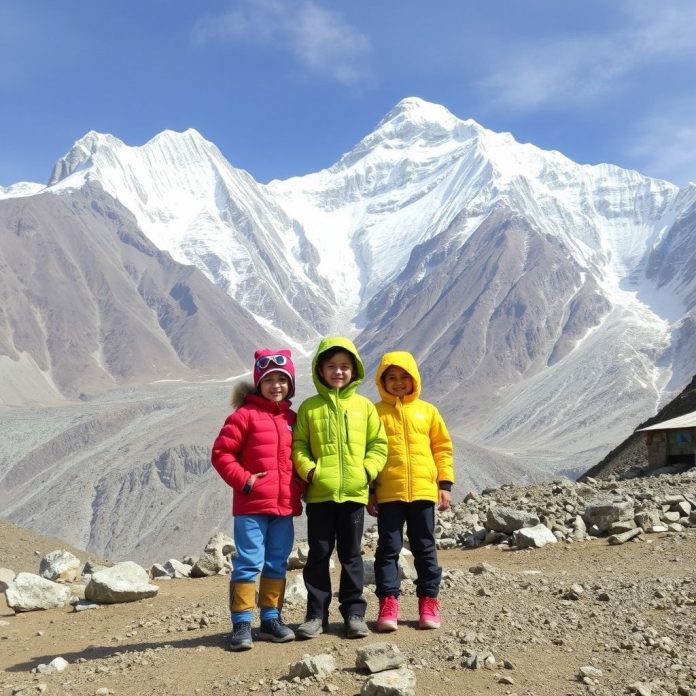
EBC With Kids

Trekking to Everest Base Camp is a dream for many. But what if you’re planning to take your kids along? Sounds ambitious, maybe even a bit daunting—but it’s more common than you might think. Families from around the world are taking on the challenge, and many are finding that, with the right preparation, it’s a deeply rewarding experience for everyone involved.

Still, this isn’t your typical family holiday. You’re talking high altitude, unpredictable weather, and days of walking—often in challenging conditions. But for those who’ve done it, the sense of accomplishment, the family bonding, and the unforgettable views have made it worth every step.


Can Kids Really Do the EBC Trek?

The answer is yes—many kids have successfully trekked to Everest Base Camp. There are even records of toddlers reaching EBC, though such cases are rare and should be approached with extreme caution. In general, trekking with kids is possible as long as you’re flexible, cautious, and prepared.

However, it’s important to recognize the risks. Altitude sickness can affect anyone, regardless of age or fitness. The cold can be harsh, especially at higher altitudes. And long trekking days can be physically and emotionally draining. But none of that means it’s out of reach for families. Many have made the journey, and their stories offer helpful insights.


Real Families, Real Journeys: What the Trail Taught Them

Families who’ve trekked to Everest Base Camp with children often describe it as tough but deeply rewarding. Their experiences vary, but a few themes stand out:

1. Previous Experience Helps

Families with kids who had done prior Himalayan or altitude treks reported smoother journeys. Acclimatization was easier, and the kids knew what to expect in terms of terrain, daily routine, and cold weather.

2. Expect a Few Hiccups

Even with preparation, things can go sideways—like stomach upsets, fatigue, or altitude-related symptoms. One family used a horse for a day to help their child recover. Another opted for a helicopter return after reaching Base Camp due to exhaustion. Flexibility was key.

3. Make It Fun and Manageable

Parents found that turning the trek into a series of small adventures kept kids motivated. Milestones like suspension bridges, warm bakeries in Namche, or spotting yaks added excitement. Keeping things playful and goal-oriented made a big difference.

4. Gear and Food Choices Matter

Layered clothing, good boots, hydration packs, and kid-friendly snacks helped ease the journey. Families prioritized dal bhat, simple breakfasts like oatmeal, and lots of rest. Treats and hydration tablets were considered small essentials.

5. It’s Not Just a Trek—It’s a Life Lesson

Above all, families described the experience as transformational. Children walked away with a new sense of accomplishment, resilience, and appreciation for nature—and parents cherished the time spent away from screens, distractions, and everyday routines.


 Tips for Trekking with Children

 Gear & Clothing

  • Proper layering is key. Merino wool base layers, insulating mid-layers, and windproof outer shells help regulate body temperature across varied altitudes.

  • Warm accessories like gloves, hats, and buffs are a must, especially during early mornings and late evenings.

  • Quality hiking boots paired with moisture-wicking socks can help prevent blisters and fatigue.

Food & Hydration

  • Dal Bhat is the go-to meal—it’s warm, healthy, and often comes with unlimited servings.

  • Carry electrolyte powders and hydration tablets to prevent dehydration, which sets in more easily at altitude.

  • Snack planning matters—treats like Snickers or ramen are great motivation for kids but become pricey at higher elevations. Stock up early in Namche Bazaar.

Acclimatization & Itinerary

  • Build in buffer days. Kids may need extra rest or shorter walking distances.

  • Avoid pushing too far too fast. Altitude sickness can appear without warning, and children may not recognize or communicate the symptoms clearly.

  • Consider breaking up long days, especially on the return leg. For example, rather than going straight from Namche to Lukla in a single day, split it into two.


 A Mindful Approach to Trekking with Kids

More than anything, trekking with children requires patience and flexibility. Kids experience the trek differently—they may find joy in the little things like crossing a bridge, meeting a yak, or sipping hot chocolate at a teahouse. Parents who’ve done the trek with their children often speak of how much they learned along the way—not just about the trail, but about resilience, teamwork, and the joy of slowing down.

It’s not always about reaching Base Camp. Sometimes, the journey itself becomes the destination.


Considerations & Concerns

While many families have had successful experiences, not everyone agrees on whether it’s appropriate. Some trekkers believe young children shouldn’t be taken to such high altitudes, citing safety risks and the harsh conditions. Concerns about altitude sickness, lack of medical infrastructure, and the physical toll of the trek are valid—and should be taken seriously.

There are also strong opinions about setting a good example in the mountains. The trek is difficult, and accidents or illnesses do happen. Responsible trekking means recognizing limits and making decisions based on the health and well-being of the whole group—not ego or external pressure.


Final Thoughts

Everest Base Camp with kids isn’t just a bucket list item—it’s an experience that can shape a child’s confidence, curiosity, and connection to nature. With the right support, thoughtful pacing, and attention to safety, it can be an extraordinary adventure that brings families closer together.

So if you’re planning the journey, pack wisely, listen closely to your children’s cues, and embrace the adventure—one step at a time.

Want more trail-tested tips and community stories?
Check out trekheaven.com — your friendly, no-BS guide to all things trekking in Nepal.

Solo on the Everest Base Camp Trek: Everything You Need to Know (and Think Twice About)

0

Everest Base Camp—just the name sends chills of excitement down a trekker’s spine. And if you’re the independent, go-it-alone type, you’ve probably asked yourself: Can I do the EBC trek solo? The answer is: yes… but with a very big asterisk.

If you’re considering solo trekking to EBC, here’s a real-world, honest breakdown of what to expect—from permits and safety to budgeting and booking teahouses along the way.


Can You Trek to EBC Solo?

Yes, solo trekking is currently allowed in the Everest region, including the Khumbu Valley and the route to Everest Base Camp. Unlike other regions of Nepal (like Manaslu or Nar Phu), there’s no government-imposed rule requiring a guide—as of the latest updates.

That said, just because you can doesn’t always mean you should—and that’s where the conversation really gets interesting.


Why Trekking Solo Can Be Risky?

If you’ve done Annapurna solo and cruised through, don’t assume EBC will be the same. Here’s why seasoned trekkers (and even some locals) strongly recommend not going it alone:

  • Altitude sickness is unpredictable. It doesn’t care how fit you are. People have gotten seriously ill—or worse—while trekking alone.
  • Weather can shift fast. What started as a bright, clear morning can turn into a snowstorm by afternoon.
  • The trail beyond Dingboche gets quieter and more spread out. If something goes wrong—sprained ankle, fatigue, confusion—help might be hours away.
  • Emergency evacuations are expensive and complicated. And you won’t have anyone to shout for help if you’re alone and unconscious.

Trekkers have shared stories of people getting lost, falling ill, or even being found dead off the trail from altitude sickness. One even recalled dragging a friend with severe AMS for 15 hours down the mountain—something that wouldn’t have been survivable solo.

So… yes, you can trek solo, but you need to be aware of the risks and prepare like your life depends on it—because it might.


What Permits Do You Need?

If you’re going solo, you’ll need to organize your own permits:

  • Sagarmatha National Park Permit: NPR 3,000 (~$22 USD)
  • Khumbu Pasang Lhamu Rural Municipality Permit: NPR 2,000 (~$15 USD)
  • These are available in Kathmandu or in Monjo (near the entry checkpoint).

No TIMS card is required for the Everest region, but make sure to carry multiple copies of your passport and insurance just in case.


How Much to Budget Per Day?

Going solo doesn’t necessarily mean going cheap. Here’s a basic solo trekking budget:

  • Accommodation: NPR 500–1,000 per night (often discounted or free if you eat meals at the teahouse)
  • Meals: NPR 1,500–2,500/day depending on how high you go
  • Extras (charging, hot showers, Wi-Fi): NPR 200–500 per service
  • Water, snacks, occasional treats: Add another NPR 500–800/day

A safe daily estimate is around NPR 3,500–4,500 (~$27–$35). Add an emergency buffer for unexpected costs or extra rest days.

Cash is king. Withdraw all your rupees in Kathmandu—ATMs get scarce and unreliable beyond Namche.


Do You Need to Book Teahouses in Advance?

If you like to “wing it,” you’ll be glad to know that most solo trekkers don’t pre-book teahouses—and they usually find a bed. But here’s the catch:

  • Arrive early in the afternoon to secure a good room.
  • In popular stops (like Namche, Dingboche, Lobuche), beds can fill up fast in peak season.
  • During bad weather or local festivals, availability can drop unexpectedly.

Some solo trekkers have reported sleeping in common dining halls or having to walk to the next village when places were full.

A little planning ahead—just a call or message—can go a long way.


Guide or No Guide?

The most passionate part of the solo EBC debate is this: to hire a guide, or not?

Let’s weigh it up:

Pros of a Guide:

  • Help in emergencies
  • Better acclimatization planning
  • Local insights & hidden gems
  • Stress-free logistics
  • You’re also supporting the local economy

Cons of a Guide:

  • Added cost (~$25–$30/day)
  • Less flexibility (though a good guide will adapt to your pace)

Even experienced solo trekkers admit that a guide can make a world of difference, especially in the upper sections of the trail. One common theme in online forums: “When things go wrong, you’ll wish you had one.”


Final Words: The Solo Trekker’s Reality Check

Doing the Everest Base Camp trek solo is entirely possible, and many have done it successfully. But it’s not your average walk in the park. This is a high-altitude, multi-day adventure through rugged terrain and unpredictable weather.

Here’s what to remember:

  • Prepare meticulously.
  • Know your limits.
  • Don’t romanticize the “solo” label at the cost of safety.
  • And when in doubt, ask yourself: Would having someone beside me right now make this easier or safer?

Spoiler: the answer is often yes.


Want more trail-tested tips and community stories?
Check out trekheaven.com — your friendly, no-BS guide to all things trekking in Nepal.

Safe travels and don’t forget your garlic soup! 🥣

Can’t Sleep on the EBC Trek? You’re Not Alone

0

Altitude insomnia, sleep apnea, and the great tea house snore-off—here’s what trekkers really go through at night

So, you’ve trained for months, booked your tickets, hiked up to Namche like a champ… and now you can’t sleep. Welcome to one of the most frustrating and least talked-about parts of the Everest Base Camp (EBC) trek: sleeping at altitude.

You’d think hiking 6+ hours a day in freezing air would knock you out cold. But for many trekkers, it’s the exact opposite. Sleep gets weird, inconsistent, or downright impossible as you climb higher into the Khumbu.

If you’re scrolling through forums in your sleeping bag at 3 a.m. in Dingboche or Lobuche wondering “Is it just me?”, don’t worry. It’s not. Below are real experiences, tips, and confessions from trekkers who’ve been exactly where you are—some of whom even brought CPAP machines to Base Camp.


💤 What’s Really Going On?

Altitude changes how your body sleeps. Less oxygen means your breathing becomes irregular. Your body might respond with periodic breathing (where you stop and restart breathing in cycles), nighttime anxiety, racing heartbeats, or simply waking up every hour wondering why you feel like you’ve run a marathon.

This is especially noticeable around Namche Bazaar (3,440m) and intensifies at Lobuche (4,940m) and Gorak Shep (5,164m).


😴 Sleep Apnea on the EBC Trek: Is It Even Possible?

“Just wondering… has anyone completed the EBC trek who has sleep apnea? How did you manage sleeping at altitude?”

One trekker shared:

“I just completed EBC, have OSA (Obstructive Sleep Apnea), and I’m 75. I brought a CPAP machine with a travel battery—it worked great up to 16,000 ft. Above that, it struggled. I’d been warned it could happen around 12,000 ft, so I was happy it lasted as long as it did.”

So yes, it’s possible to trek with sleep apnea. Just come prepared. Battery life, machine altitude limitations, and being honest with your guide about your condition are all critical.


🤯 Can’t Sleep? Here’s What Others Are Saying

Trekkers often report similar issues—even without medical conditions:

“Is it true you can’t sleep at all at high altitude? I’m in Dingboche on day 5, and I haven’t had a good night’s sleep since Lukla.”

“Totally normal. I didn’t sleep more than 3 hours a night from Tengboche upward. Hydration, earplugs, and no caffeine after noon helped a little.”

“Anyone else waking up gasping or with a racing heart?”

“Happened to me a lot in Lobuche. It’s called periodic breathing—your body overcorrects for the low oxygen. Freaky but not dangerous unless you already have a condition.”

“Do altitude meds like Diamox help with sleep?”

“Yes and no. It helps with oxygenation, which may improve sleep. But it can also cause tingling and vivid dreams. Take it earlier in the day, not right before bed.”


🧳 Sleep Gear People Swear By

  • CPAP Machine + Battery Pack (for those with OSA)

  • Nasal Strips for snoring

  • Earplugs (a must—tea houses are noisy!)

  • Melatonin instead of sleep meds

  • Down Sleeping Bag (the thicker the better above 4,000m)

  • Eye Mask if sharing rooms with late-night flashlight users

Pro Tip: Many trekkers bring solar chargers or pay to charge batteries in tea houses. Don’t count on electricity above Dingboche.


🙃 Awkward Moments You Might Face (And How to Handle Them)

Snoring in Shared Rooms
You’ll hear everything from light wheezing to what sounds like a human lawn mower. One trekker said:

“Snoring becomes louder at altitude. Dry nasal passages plus thin air = disaster. Bring nasal strips and humility.”

Using a CPAP in a Shared Tent or Room
Another trekker joked:

“If you’re sharing with a stranger, they might murder you… unless they snore louder.”

Reality: Most people are understanding, especially if you give them a heads-up.


💬 So… Should You Be Worried?

Nope. Whether it’s altitude insomnia or CPAP concerns, most trekkers experience some form of sleep disruption during the EBC trek. What matters most is preparation and not panicking when it happens.

Even without perfect sleep, your body will adapt. Most trekkers adjust by the time they hit Gorak Shep—right when you start heading downhill and, ironically, start sleeping better.


🧘‍♀️ Final Tips From the Trekking Sleep Club

  • Hydrate throughout the day (not just at night).

  • Don’t overeat before bed.

  • Avoid sleeping pills unless prescribed by a trek-experienced doctor.

  • Trust your guide—they’ve seen it all.

  • Talk to other trekkers—you’ll be surprised how many are struggling too.


The Bottom Line

Altitude messes with your body in ways you can’t predict. Sleep is just one of them. But here’s the truth: You can still complete the trek. You might do it on 3 hours of sleep a night. You might have vivid dreams. You might wake up every hour.

But you’re not alone. You’re in the Altitude Club now.

No one sleeps perfectly at 5,000 meters. But everyone remembers the sunrise over Everest.

Tipping Your Guide and Porter on the Everest Trail: How, How Much, and When

0

You’ve booked the trek, bought the gear, and mentally prepared for 12 days of sweat, blisters, breathtaking views, and dal bhat. But there’s one last thing nagging at you:

“How much should I tip my guide and porter?”
“In what currency? USD or NPR?”
“Do I give it daily or all at once?”
“Wait—do I tip the porter in Lukla and the guide in Kathmandu??”

We get it. Tipping in Nepal can feel like solving a math problem at altitude. So let’s break it down clearly—and kindly.


When Should You Tip?

There’s no hard rule here, but here’s what’s considered respectful and customary on the Everest trail:

  • Salary or partial payment is often handed at the beginning of the trek (especially if you’ve hired independently). This helps your guide/porter cover expenses along the trail.
  • Tips are always given at the end of the trek—think of it as a farewell and a thank you.
    • For porters, this usually happens in Lukla before they return down to the lower villages.
    • For guides, many trekkers wait until Kathmandu if you’ll see them there again—but it’s also perfectly fine to tip them in Lukla if your trip ends there.
  • If you’re trekking in a group tour, there’s often a group collection on the final evening in Lukla or at the farewell dinner in Kathmandu. Your tour leader will guide this.

Bonus Thought: Want to go beyond the envelope? Many trekkers share snacks along the way or gift gear like hiking poles, buffs, or knee braces at the end. These little gestures are appreciated more than you know.


How Much Should You Tip?

Let’s keep it simple:

General Rule of Thumb:

  • Tip around 10% of your total trek cost

Suggested Daily Rates (Per Staff):

Role Daily Tip Range (NPR) Daily Tip Range (USD)
Porter NPR 1,500–2,000 ~$12–$15
Guide NPR 2,500–3,000 ~$18–$25

Split Suggestion (if no group pooling):

  • 60% to the guide
  • 40% to the porter
    (Unless your porter climbed 5,000m while carrying 25kg of your “minimalist” gear—then maybe flip that ratio.)

What If I Have a Guide-Porter?

If your Sherpa superstar is doing both guiding and carrying, tip accordingly—$15–$20/day minimum, and more if they went above and beyond. If they got you safely across Cho La Pass in a whiteout? That’s a full tip and a chocolate bar.


What Currency Should I Use?

Both USD and NPR are appreciated and commonly accepted. Just make sure:

  • If paying in USD, use clean, undamaged bills (Nepali banks can be picky).
  • Avoid coins—they can’t be exchanged easily.

🔍 Pro Tip: If in doubt, ask your guide what’s preferred. Some prefer cash in hand; others might appreciate the local NPR for easier spending.


Real Trekker Tips (From the Trail)

“We tipped $100 each to porters, and $150 to our guide for a two-week trek. Worth every cent.”

“I gave my porter my hiking pole and snacks during the trek—they loved the ginger candies!”

“Standard is one day’s wage per week of trekking. But go higher if you can. They work HARD.”

“I paid some salary up front, then topped up with tips in Lukla. Our group also pooled for a farewell bonus.”


Tipping Is More Than a Transaction

Your tip isn’t just a line item—it’s a thank you, a way to support a hardworking guide or porter, and a piece of ethical trekking.

These incredible humans carry your bags, keep you safe, make sure you acclimatize properly, and sometimes even rescue your camera from a snowdrift. Your generosity goes straight into their pockets—and often supports a family in the foothills of the Himalayas.

So when in doubt? Tip with heart. Tip with respect. Tip with gratitude.


Planning Your Everest Base Camp Trek?

We’ve got all the insider tips on routes, gear, costs, and responsible travel—plus we can connect you with trusted, fair-wage trekking partners.

Because when it comes to Everest, you deserve heaven at high altitude—and your team deserves thanks that truly counts.

🔗 More at trekheaven.com

US Dollars or Nepalese Rupees? The Great Everest Base Camp Money Mystery!

0

So, you’re gearing up for your big trek to Everest Base Camp (EBC)—training your legs, stacking up on Snickers, and making sure your gear is on point. But wait, what about money? Should you carry US dollars (USD) or Nepalese rupees (NPR)? Will your fancy credit card work in the Himalayas? Let’s clear up this financial fog before you find yourself bartering a Snickers for a cup of tea at 4,000 meters!


Cash is King (And Queen, and Everything in Between)

First things first—you will need cash. A lot of it. Nepal isn’t exactly a tap-to-pay wonderland, and EBC is as remote as it gets. Sure, Namche Bazaar (the last major stop before you head deeper into the mountains) has a couple of ATMs, but they work only if there’s power and internet… and that’s a big IF.

So, what’s the best move? Exchange your cash in Kathmandu before heading out. Most places only accept NPR, and if they do take USD, they’ll probably give you an exchange rate that would make a banker cry.


Breakdown: Where You Need NPR

  • Permits – Yep, you need special permits to hike in the Everest region, and guess what? They don’t take credit cards at the checkpoint.

  • Transport to Ramechhap – If you’re flying to Lukla, you might have to first get to Ramechhap by road. Buses, jeeps—all take NPR.

  • Food & Water – Teahouses and shops only accept NPR. Imagine trying to buy a bottle of water with a $50 bill. Not gonna happen.

  • Accommodation – Most lodges and teahouses don’t have card machines, and those that do charge extra fees. Better to pay in NPR.

  • Miscellaneous Expenses – Snacks, charging your phone, WiFi, hot showers (yes, you have to pay for that), and tips—all need NPR.


Should You Carry a Card?

Some hotels and bigger lodges might accept credit cards, but there’s a catch:

  • A hefty service charge (5–10%)

  • Unreliable internet connections (meaning transactions might fail)

So while a card is good as a backup, don’t rely on it.


How Much Cash Should You Carry?

  • Budget travelers: ~$500–$700 in NPR should be enough for the trek.

  • Mid-range travelers: ~$1,000 in NPR to cover food, accommodation, and a few extras.

  • Luxury trekkers: If you want hot showers, extra snacks, and WiFi every night, bring at least $1,200 in NPR.

A Safe Bet:

Exchange around NPR 100,000 ($750–$800) in Kathmandu and keep an extra $200 in USD for emergencies.


Suggested Denominations to Carry

Break your NPR into smaller denominations so you’re not constantly asking for change in mountain villages (spoiler: they don’t have it).

Here’s a suggested breakdown for ~NPR 100,000:

  • NPR 1,000 x 40 = 40,000 (for permits, accommodation, big expenses)

  • NPR 500 x 60 = 30,000 (general use—meals, rides)

  • NPR 100 x 200 = 20,000 (great for snacks, showers, tipping)

  • NPR 50 x 100 = 5,000 (handy for tea, toilet fees, minor extras)

  • NPR 20 x 50 = 1,000 (backup coins-for-tea mode)

Pro tip: Keep small bills separate and accessible—you don’t want to pull out your whole stash just to pay for a momo plate.


Where to Exchange Money?

  • Thamel (Kathmandu) – Best rates, easiest exchange.

  • Lukla/Namche Bazaar – Exchange is possible, but rates are worse.

  • Hotels & Travel Agents – Convenient, but expect higher fees.


Final Money Tips for EBC Trek

✔ Always carry cash—no ATMs after Namche
Break down your NPR into smaller bills (many places won’t have change for big notes)
USD is good for emergencies but not daily expenses
✔ Exchange everything you need in Kathmandu—don’t wait until the trek starts
✔ Bring extra cash—just in case!


Still confused? Don’t worry, we’ve got more tips over at trekheaven.com—your one-stop information center for Trekking in Nepal.

What’s the Best Backpack for the Everest Base Camp Trek?

0

If you’re heading to Everest Base Camp (EBC) and wondering what size backpack you need, you’re not alone. With so many options—20L, 30L, 40L+—it’s easy to get overwhelmed. But the right answer depends on whether you have a porter and what you’ll be carrying during the day. Let’s break it down so you can find your perfect trekking backpack.


What Size Backpack Do You Need?

If You Have a Porter25L to 35L is ideal.
If You’re Carrying All Your Gear → You’ll need a much bigger pack, 50L+ (but most trekkers use porters).

Most trekkers hire a porter, meaning they only need to carry daily essentials like water, snacks, an extra layer, gloves, and rain gear. The sweet spot for most hikers is between 30-35L—big enough for layers but not too bulky.


Why Not Just a 20L Pack?

Some trekkers get by with a 20L pack, but it can be tight. Here’s why:

🟢 20L is fine if you only carry the bare minimum—water, sunglasses, sunblock, phone, and maybe a light jacket.
🔴 But—mountain weather is unpredictable. You’ll likely need to stash layers, gloves, rain gear, snacks, and a battery pack throughout the day. A 20L bag might feel too cramped.

Best Recommendation? 30-35L gives you room without adding much weight.


What to Look for in an EBC Backpack

Hydration System Compatible – Many trekkers recommend Osprey backpacks with a built-in hydration bladder (so you don’t have to fumble with bottles).
Comfortable Straps & Ventilation – You’ll wear this pack for hours each day, so look for padded shoulder straps and a ventilated back panel.
Multiple Compartments – Easy access to rain gear, gloves, and snacks is a lifesaver when the weather changes fast.
Water-Resistant or Rain Cover – A light rain cover is a must—weather shifts quickly at high altitudes.


Final Verdict: What Should You Get?

If you’re using a porter, a 30-35L backpack is the safest choice—it gives you enough space for layers without being overstuffed. If you’re going super minimalist, a 20L pack can work, but it’s tight.