Home Blog Page 10

Everest Base Camp for Couples: Here’s What You Should Know (and How to Make It Special)

0
Honeymoon-Everest-Base-Camp

So, you and your partner are heading to Everest Base Camp—together. First off, hats off to you both! Trekking to 5,364 meters above sea level isn’t your typical romantic getaway, but for couples with an adventurous streak, it might just be the most unforgettable bonding experience on the planet.

Still, let’s be real: this isn’t exactly a spa weekend in Bali. The EBC trail is rugged, raw, and demanding. You’ll sweat, freeze, gasp for breath, and possibly argue about which one of you left the head torch in the bottom of the backpack. But you’ll also laugh, support each other through altitude headaches, and share surreal sunrises over Himalayan giants like Ama Dablam and Everest.

So, how do you make sure it’s less survival challenge and more “epic love story on the rocks (of the Khumbu)”? Here’s everything couples should know—and a few ideas to add magic along the way.


1. This Trek Will Test You… and That’s a Good Thing

Sharing a tent in the Amazon is one thing. Sharing a tiny, cold lodge room at 4,500m with zero Wi-Fi, squat toilets, and frozen water bottles? That’s next level.

But here’s the thing: EBC is a team effort, and doing it as a couple is a masterclass in support, patience, and emotional backup. You’ll both have hard days. You’ll both doubt yourselves. But you’ll also see each other grow stronger—one step at a time.

This isn’t a vacation where everything’s served on a platter. It’s something you earn together.


2. Romance Isn’t Dead… It’s Just Wearing Merino Wool

Who says you can’t have romantic moments on a trek?

  • Watch the sunrise over Everest together from Kala Patthar or Hotel Everest View—just the two of you wrapped in sleeping bags and silence.

  • Share a real cup of filter coffee on a chilly morning balcony at Namche Terrace.

  • Order a surprise cake in Namche Bazaar—yep, the lodge owner at Namche Terrace can pre-order one if you ask early.

  • Celebrate milestones along the way: first glacier, first yak sighting, making it past 5,000 meters. Turn the trek into a storybook.

Pro tip: Some lodges in Namche and Dingboche offer private rooms with attached bathrooms and extra thick blankets—worth the upgrade.


3. A Few “Luxury” Upgrades Go a Long Way

Want to keep the vibe cozy and special? Here’s what couples are loving:

  • Deluxe Rooms at Namche Terrace – Arguably the best lodge in Namche, with an amazing menu (yes, Chicken Sizzler and Bruschetta at 3,400m), a friendly host with 5-star hotel experience, and filter coffee brewed from local beans.

  • Private porter for two – Split the load and focus on walking and talking, not hauling.

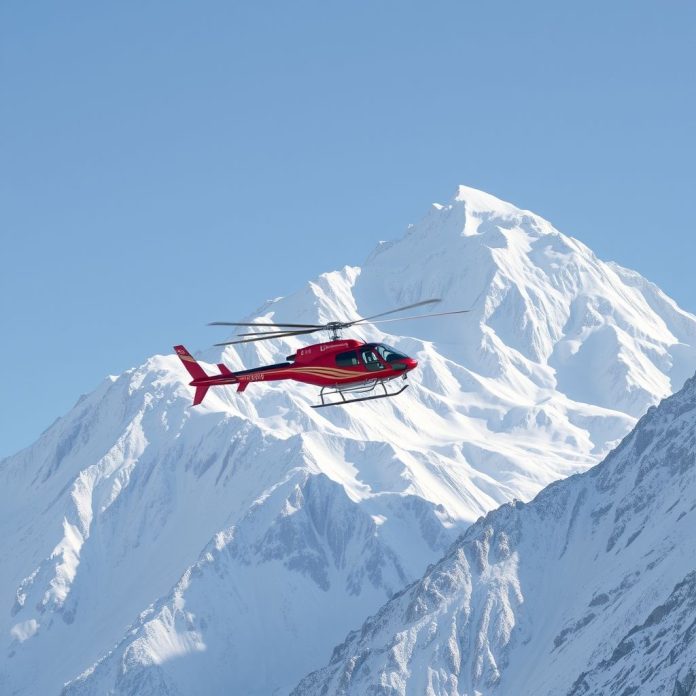
  • Return by Helicopter – It’s an unforgettable ride and saves your knees. Perfect way to wrap up the adventure with a bang (and avoid that uphill slog back to Lukla).

  • Champagne or a small celebration in Namche – Just let your tour operator or guide know in advance, and things can be arranged in the Himalayas.


4. Expect the Unexpected (Like Coughing Fits and Frozen Socks)

Let’s not sugarcoat it: this trek can be tough on the romance. Between cold nights, AMS risk, shared bathrooms, and limited showers, it’s easy to forget you’re on a honeymoon.

Here’s how to stay on the same page:

  • Pack wet wipes and keep your hygiene game strong.

  • Bring matching buffs, beanies, or fleece—sounds cheesy, looks adorable in photos.

  • Don’t compete on the trail. Walk together, support each other’s pace, and don’t be afraid to take breaks.

  • Always, always carry snacks. Trust us, hanger can ruin a relationship faster than a steep climb to Tengboche.


5. Post-Trek Bliss Is Essential

After 10+ days of hard trekking, celebrate in style. Some sweet ideas:

  • Fly to Pokhara – Book a lakeside resort with a spa. After shared suffering comes shared luxury.

  • Go on a Chitwan safari – From yaks to rhinos. Because why not?

  • Stay in Kathmandu’s boutique hotels – Think rooftop dinners, massages, and cozy beds.

This post-trek downtime gives your body a break and your relationship space to process the journey together.


Final Thoughts: Everest Will Change You Both

Trekking to Everest Base Camp as a couple is more than just checking a box on your travel goals. It’s about facing the unknown, holding each other up (literally and emotionally), and building a shared memory that’s as raw as it is beautiful.

Will there be altitude-related crankiness? Yes.
Will your feet hurt? Probably.
Will you regret doing it together? Absolutely not.

This isn’t just an adventure. It’s your story at the top of the world.


Need help planning your EBC trek for two?
TrekHeaven can help you find the best lodges, coordinate special surprises, book that dreamy helicopter exit, or even schedule downtime after the trek. Just shoot us a message—we’ll help you craft your perfect Himalayan love story.

How Hard Is the Everest Base Camp Trek, Really?

0
EBC-Trekking-Nepal

A Real Talk Breakdown of What Makes EBC Challenging (and Absolutely Worth It)

Everest Base Camp. Just saying it out loud gives people goosebumps—and not just from the cold. It’s one of those legendary treks that sits high on a lot of bucket lists, but before lacing up your boots, you’ll probably run into conflicting opinions about just how hard it actually is.

Some trekkers say, “It was totally manageable—just take it slow.” Others describe it as a full-body, full-mind test of endurance. So, what’s the truth? Is it a hardcore expedition or a doable walk with some epic views?

Spoiler: It’s both. The trek isn’t technically difficult—you’re not rock climbing or using crampons—but it’s still a serious physical and mental challenge, especially because of one key factor: altitude.

Let’s unpack what really makes EBC hard—and why thousands of people from ages 10 to 70+ still complete it every year.


1. Altitude: The Real Boss Level

Let’s start with the real reason EBC gets its rep for being tough: you’re trekking to over 5,300 meters (17,600+ ft). That’s more than halfway up Everest itself.

Here’s what altitude does:

  • Oxygen levels drop by almost 50% at base camp

  • Simple tasks (like walking up a hill or even brushing your teeth) feel 2x harder

  • AMS (Acute Mountain Sickness) can affect anyone—young, old, fit, not-so-fit. It doesn’t care about your gym routine.

Trekkers reported:

  • Feeling winded after walking just 10 meters uphill

  • Headaches, nausea, and poor sleep above 5000m

  • Needing to descend quickly when symptoms worsened

The altitude is the biggest uncontrollable variable. You can train for stamina, but you can’t train how your body reacts to thin air. That’s why most people say: go slow, stay hydrated, and respect rest days.


2. Physical Endurance: Manageable, But Not a Stroll

Many people are surprised to learn that you don’t need to be a marathon runner to complete EBC. Trekkers of all ages and fitness levels have done it—even first-timers who trained by simply walking daily.

That said, you will walk:

  • 5 to 8 hours per day

  • For 12+ consecutive days

  • Through a mix of stone steps, rocky trails, steep climbs, and downhill sections that feel tougher on the knees than uphill!

Certain sections are repeatedly mentioned as stamina-testing:

  1. Jorsalle to Namche – Steep and relentless switchbacks

  2. Tengboche ascent – Long and punishing uphill stretch

  3. Thukla Pass to Lobuche – Short but exhausting due to altitude

  4. Kala Patthar climb – Brutal but worth it for the views

So yes, the daily effort adds up, but as many pointed out: “Just go slow, take your time, and don’t treat it like a race.”


3. The Terrain: Uneven, Stony, and Full of Stairs

If you’re expecting a wide, smooth dirt path all the way to EBC… think again. While it’s not technical, the trail throws in:

  • Endless stone stairs (both up and down)

  • Narrow paths with sheer drops

  • Occasional mudslides or rockfall areas (especially before the Hillary Bridge)

  • Loose rocks near Gorakshep and Base Camp

If you’ve got bad knees, trekking poles are non-negotiable. Also, be ready for sore feet by day 6 or 7. Even experienced hikers said the stairs caught them off guard.


4. Weather: Another Wildcard

While rain and storms are rare in the main seasons (spring and fall), cold is constant—especially in the lodges:

  • Sub-zero temps inside your room at night

  • No heating except a common room stove (turned off after dinner)

  • Frozen water bottles in the morning

Trekkers mentioned being cold even inside their sleeping bags. That chill can wear you down, and lack of sleep from the cold and altitude is a common complaint.

And then there’s the infamous Khumbu cough—dry air and altitude irritate the throat, so a buff or scarf helps.


5. Mental Fortitude: The Hidden Challenge

Many trekkers agreed: mindset matters more than muscles. People who stayed positive, took it slow, and embraced the discomfort tended to do better—even if they weren’t the fittest in the group.

Some said:

“I wasn’t the fastest, but I was the most consistent. And I loved every second.”

“I was nervous every day, but I still pushed through.”

“If I didn’t have a group to keep pace with, I’d have enjoyed it more.”

So take breaks, breathe it in, and don’t let the pressure of a group or schedule ruin the joy of being in the Himalayas.


6. Other Curveballs to Watch For

  • Length of the Trek: 12–14 days of walking isn’t a vacation stroll. Fatigue builds, even if each day feels manageable.

  • Long Days Happen: While many days are 6–8 hours, one trekker noted a 19-hour day from EBC to Dingboche. Be prepared for surprises.

  • Illness: Colds, digestive issues, and altitude side effects can drain your energy. Several trekkers got sick due to cold lodges.

  • Logistics: Delayed flights in/out of Lukla, group pressure, or poor pacing can make it harder than it needs to be.


So… Is EBC Too Difficult?

No. It’s tough, yes. But entirely doable with the right preparation, pacing, and attitude. Here’s a quick gut check:

You’ll likely be fine if:
✅ You can walk 6–10 km comfortably
✅ You’ve done hilly hikes or stair climbs
✅ You train for endurance over speed
✅ You’re mentally prepared for cold, basic lodging, and some rough days
✅ You don’t rush the pace and follow a smart acclimatization plan

If you’ve got knee issues or poor cardio health, it’s worth working on those first—or hiring a porter to lighten your load.


Final Thoughts: It’s Hard, But Not Impossible

EBC is one of those life-changing treks where the challenge is part of the reward. Yes, it’s cold, long, and sometimes exhausting. But it’s also filled with sunrise views over Ama Dablam, quiet mornings in pine forests, and the surreal feeling of standing at the foot of the world’s tallest mountain.

Take your time. Walk slow. Drink water. Respect the altitude. And trust that you’re stronger than you think.

As one 50+ trekker, a smoker no less, said:

“I might’ve been the slowest in my group, but I stopped to take in every view. It was one of the greatest things I’ve ever done.”


Honeymooning on the Everest Trail? Here’s How to Add Romance to the Rugged

0
Honeymoon-Everest-Base-Camp

So you’ve swapped the sandals for hiking boots and the beach cabana for a Himalayan teahouse—first of all, respect. Trekking to Everest Base Camp as a honeymoon is adventurous, bold, and honestly kind of magical.

Sure, you won’t find hot tubs or butler service on the trail, but that doesn’t mean you can’t upgrade the experience and add moments of romance, surprise, and celebration along the way. Whether it’s sharing filter coffee above the clouds, stargazing from a cozy lodge, or even toasting under the shadow of Everest, there are a few ways to turn your trek into an unforgettable honeymoon.


1. Upgrade Your Stays (Especially in Namche & Dingboche)

Want a taste of mountain luxury? A few lodges along the trail offer deluxe rooms, private bathrooms, and actual duvets—a godsend after a long cold day of trekking.

  • Namche Bazaar: Book a deluxe room at Namche Terrace. The views from the balcony are dreamy, and the food? Think sizzlers, fresh Bruschetta, and real espresso made from locally sourced beans. The owner has five-star hospitality experience, and rumor has it, they can arrange a celebration cake or even champagne on request.

  • Dingboche: Check out Hotel Tashi Delek Deluxe. Private rooms with comfort-first setups and lovely staff. Fewer frills than Namche, but more comfort than most.

  • Lukla: For the final night, consider Yeti Mountain Home. Warm towels, fireplaces, and a cozy bar—it’s the soft landing your honeymoon deserves.


2. A Touch of Romance at Altitude: Simple Gestures Go Far

In the thin air of the Khumbu, even the smallest things feel bigger. Here’s how to add charm to your trek:

  • Pack a surprise note or small gift to give during a scenic rest stop (ideal locations: Tengboche Monastery, Pangboche lookout, or Gokyo lakes if you go that route).

  • Bring a mini celebration kit: a small bar of chocolate, dried rose petals, or even a tiny bottle of bubbles (carried responsibly, of course).

  • Plan a sunrise moment: At Kala Patthar or even just outside your teahouse in Lobuche—sharing that pinkish-orange Himalayan dawn is unforgettable.

  • Stars over Everest: Bring a light blanket or sleeping bag, sneak outside the teahouse after dinner, and lay back together under the clearest stars you’ll ever see.


3. Add a Helicopter Ride—Even Just One Way

While trekking both up and down is the classic approach, you can book a helicopter return from Kala Patthar or Gorakshep to Lukla (or even Kathmandu if your budget allows). It’s not just about convenience—it’s next-level romance:

  • You skip the more monotonous descent

  • Get a stunning aerial view of the mountains you just conquered

  • And you arrive back in Lukla or Kathmandu with energy to spare (and probably smelling better too)

Tip: Let your tour operator know early—they can book it in advance, or keep it as a flexible option based on weather and how you’re feeling.


4. Hit the Mountain Bars

Believe it or not, there is a party scene on the way to Everest.

  • Namche Irish Pub: The world’s highest Irish bar. Think rustic charm, Guinness on request, pool tables, and music. Not exactly romantic candlelight, but a celebration spot if you want to toast together mid-trek.

  • Cafe 8848 & Everest Bakery in Namche: Good for cake, cozy vibes, and post-hike coffee.

  • Dingboche Pub: Smaller, quieter, but fun. It’s the kind of place where you might find yourself sipping a hot toddy with trekkers from five continents.


5. Craft Your Own Everest Love Story

This is where the experience becomes uniquely yours.

Here are some creative ways other couples have elevated their EBC honeymoon:

  • Custom T-shirts that say “Everest Honeymoon Crew” (corny? Maybe. But you’ll never forget it.)

  • Carrying handwritten vows and reading them at base camp or Kala Patthar.

  • Mini vow renewal or reflection moment at Tengboche Monastery. The monks may even give you a blessing if you ask respectfully.

  • Personal playlist for the journey: One AirPod each while walking through the rhododendron forests near Phakding or the glacial landscapes of Lobuche.


6. Remember: Trekking Is Intimate in a Whole New Way

There’s something wildly romantic about tackling one of the world’s toughest treks together—encouraging each other through steep ascents, sharing Snickers bars in the snow, and watching Everest reveal itself slowly each day. No fancy candlelit dinner can replace that.

As one fellow trekker put it:

“We helped arrange cakes, champagne, even surprise notes hidden in teahouses. The mountains are tough—but love makes them warmer.”


Final Thoughts

So yes—your honeymoon will involve altitude headaches, shared bathrooms, and cold toes. But it’ll also be full of quiet wonder, shared resilience, and breathtaking beauty that no luxury resort could ever replicate.

Pack light, trek slow, laugh often, and plan a few surprises along the way. Everest may be rugged, but your love story? That’s the real summit.

Vegetarian on the EBC Trek? Here’s Why It’s Easier Than You Think

0

So you’re planning your trek to Everest Base Camp, packing your thermal base layers and wondering… “Will I be stuck with just plain rice for two weeks?”

If you’re vegetarian (or even vegan), rest easy—you’ll eat well, and often better than you expect. From the buzzing cafes of Kathmandu to the tea houses tucked between Himalayan giants, food along the EBC route is surprisingly friendly to plant-based trekkers.


Kathmandu: A Veggie Foodie Playground

Let’s start in the capital.

Kathmandu is a vegetarian’s dream. The city is packed with health-conscious cafes, Buddhist and Hindu influences that lean vegetarian by default, and a growing number of vegan-friendly restaurants. Whether you’re into hearty traditional dishes or vegan burgers with oat milk lattes, Thamel’s got you covered.

Veggie-friendly Kathmandu picks:

  • OR2K – Middle Eastern veggie heaven.

  • Places Restaurant – A full vegan menu, kombucha and all.

  • Western Tandoori – Great veg curries and budget prices.

  • Anatolia or Gaia – For when you want a cozy, chill setting with veg options galore.


The EBC Trail: Home of Dal Bhat Power 24 Hour

Once you leave the comfort of Kathmandu and board your tiny plane to Lukla, you’ll start to wonder how much you can rely on teahouse menus. Good news: you’ll still eat very well—especially if you’re into Dal Bhat.

What’s Dal Bhat?

It’s the Nepali staple of rice, lentil soup, seasonal vegetables, and sometimes a little pickle or papad. It’s hot, filling, protein-packed, and—best part—it comes with free refills.

“Just eat Dal Bhat. Most Nepalese are vegetarians. You’re safer with this anyway!”

Dal Bhat is the MVP of high-altitude trekking meals, and it’s completely vegetarian by default. Ask for no ghee if you’re vegan.


What Can Vegetarians Expect Along the EBC Trek?

Here’s a snapshot of your plant-based plate, day to day:

🌿 Common Veg Dishes You’ll Find:

  • Veg Fried Rice or Veg Noodles

  • Sherpa Stew – A hearty noodle-veggie soup

  • Vegetable Momos – Dumplings you’ll dream about for days

  • Pasta with tomato sauce or veggies

  • Potato Dishes – Fried, mashed, curried

  • Tsampa porridge, oats, pancakes, and toast with jam at breakfast

As one recent trekker put it:

“I’m a big meat eater normally, but I went vegetarian for the whole EBC trek. The Sherpa stew, rice, noodle dishes, and momos were fantastic.”


What About Meat?

That’s where it gets tricky—and kind of gross.

Once you get above Namche Bazaar (3,440m), refrigeration becomes unreliable. Meat might be days old and carried up by yak or porter. So even many meat eaters choose to go veg from that point onward.

“Even I didn’t touch meat once I got to Lukla—and I’m usually a full-on carnivore.”

Pro tip: If you see tuna cans on menus beyond Namche, it’s often the only “safe” meat option around. But if you’re veggie or vegan, skipping meat entirely is honestly the smarter (and safer) choice.


Vegan? A Bit Trickier—But Still Doable

If you’re fully plant-based, you’ll want to:

  • Ask for no ghee, no butter, no milk (many tea houses still default to dairy).

  • Pack vegan snacks: protein bars, nut butter, or vegan jerky.

  • Consider bringing powdered plant-based protein or electrolyte packs to supplement your meals.

  • Communicate clearly—“I don’t eat eggs, milk, butter, or meat.” Most locals will understand and do their best to accommodate.

And remember: Kindness gets you a long way. The people cooking your food are often working with very basic kitchens and carrying ingredients up on their backs or yaks.


Final Thoughts: Will You Go Hungry? Nope.

If you’re vegetarian, trekking to Everest Base Camp is not only possible—it’s delicious.

From Kathmandu’s cafes to tea houses under starry skies, there’s plenty to fuel your journey without touching meat. And with Nepal’s own strong vegetarian tradition, you’ll find comfort knowing the local diet is already in your favor.

So go ahead—ditch the beef jerky. Trek the Himalayas with a happy belly and a clear conscience.

AMS on the Everest Base Camp Trek: What You Really Need to Know

0
AMS EBC

So, you’re prepping for Everest Base Camp (EBC)—bags almost packed, boots broken in, and your stoke levels climbing faster than your altitude. But then comes the flood of forums, YouTube videos, and panicked Reddit threads: AMS. HAPE. HACE. The acronyms alone are enough to make anyone reach for Diamox and duct tape their trekking poles together.

Let’s take a deep breath (pun intended) and get real about what AMS is, how to spot it, and most importantly—how to avoid it.


What is AMS?

Acute Mountain Sickness (AMS) is the body’s response to a rapid decrease in oxygen as you ascend to higher altitudes. It’s the most common altitude-related illness, and it’s exactly as uncomfortable as it sounds if ignored.

It usually kicks in above 2,500 meters (8,200 ft)—which means it can start as early as Namche Bazaar (3,440 m) or even lower, depending on your pace, luck, and physiology.


AMS vs. HAPE vs. HACE: Know the Differences

Acronym Full Name Severity Symptoms
AMS Acute Mountain Sickness Mild to Moderate Headache, nausea, fatigue, insomnia
HAPE High-Altitude Pulmonary Edema Severe Cough, breathlessness, chest tightness
HACE High-Altitude Cerebral Edema Life-threatening Confusion, poor coordination, hallucinations

AMS can progress to HAPE or HACE if ignored. But don’t panic—most cases are mild and totally manageable with the right approach.


How Common is AMS on the EBC Trek?

Very.

Even fit, seasoned trekkers get hit. And there’s no golden rule that says if you’re young, athletic, or spiritual you’ll somehow dodge it. One traveler, who meditated their way through the trek, did fine with oxygen levels consistently above 90%. Another, who had flawless pulse oximeter readings, had to be evacuated from Pheriche due to worsening symptoms.

Translation? Altitude doesn’t care about your gym stats. But it does care about how quickly you ascend.


Symptoms to Watch For

You don’t need a medical degree—just some good ol’ body awareness. If you’re feeling any of the below, especially at higher elevations, take it seriously:

  • Persistent headache (even after hydration and rest)

  • Nausea or vomiting

  • Fatigue or weakness that doesn’t improve with rest

  • Loss of appetite

  • Difficulty sleeping

  • Feeling light-headed or dizzy

  • Shortness of breath at rest

  • Loss of coordination (stumbling, difficulty walking in a straight line)

Golden rule: If symptoms get worse after resting, do not ascend further. If they persist or intensify, descend immediately.


Can You Test for AMS?

Not really.

There’s no definitive medical test for AMS. Some trekkers bring pulse oximeters, but even doctors agree: there’s no consistent correlation between oxygen readings and actual altitude illness. You could have a low reading and feel fine—or have a “normal” number and be on the verge of HAPE.

The real diagnostic tool? How you feel. That’s it.


So How Do You Avoid AMS?

1. Follow a Proven Itinerary

Don’t cut corners. Stick to a standard EBC route that includes at least 2 acclimatization days—one at Namche Bazaar (3,440 m) and one at Dingboche (4,410 m). If you’re susceptible to AMS or traveling with kids, consider adding a third.

2. Climb High, Sleep Low

On acclimatization days, hike to a higher point and return to sleep at your current altitude. Your body will thank you.

3. Go Slow. Then Slower.

This isn’t a race. It’s not even a brisk hike. One of the top pieces of advice from seasoned EBC trekkers: “Slow wins the race.” Take deep breaths, walk at a pace that feels like a shuffle, and rest often.

4. Hydrate Like It’s Your Job

Aim for 3–4 liters of water a day. Warm or lukewarm water is best. Many guides recommend starting the day with hot water and sipping steadily throughout.

5. Consider Diamox

Diamox (Acetazolamide) can help prevent AMS when used correctly. Most trekkers start 125mg–250mg per day a day before reaching 2,500 m. Consult your doctor before your trek to get the green light.

6. Eat Enough and Sleep Well

Acclimatization takes energy. Don’t skimp on carbs. Sleep may be harder at altitude, but do your best to get rest—consider earplugs and an eye mask for noisy teahouses.


What If You Get AMS?

If Mild:

  • Rest, hydrate, take paracetamol for headaches

  • Avoid alcohol and smoking

  • Wait to ascend until symptoms improve

  • Start or increase Diamox (under medical advice)

If Moderate or Worsening:

  • Do not ascend

  • Consider descending 500–1,000 meters

  • Inform your guide, porter, or nearby trekkers

If Severe (HAPE/HACE symptoms):

  • Immediate descent is non-negotiable

  • Use supplemental oxygen if available

  • Call for helicopter evacuation (this is where insurance saves lives)


The Bottom Line: Know Your Limits

You don’t need to fear AMS—but you do need to respect it. One of the most experienced responders in the Khumbu region (who’s been treating altitude illness since the ’70s) put it simply:

“Listen to your body. Stop ascending if you get symptoms. Descend if they persist.”

And remember: the summit—or Base Camp—is optional. Your health isn’t.


Bonus Tip 💡

Bring a simple symptom journal. Jot down how you’re feeling each night. It’s a great way to track changes and spot patterns early.


Final Word from the Trail

“Overthinking kills. Ignorance is bliss. Be prepared, take precautions, and you’ll be fine. If you don’t make it, you’ll still have the satisfaction of knowing you tried.”

That’s the spirit of the Himalayas.

Stay humble. Stay curious. Stay safe.

Are Crampons Necessary for the Annapurna Base Camp Trek?

0
Crampons for ABC

The Annapurna Base Camp (ABC) trek is a bucket-list journey through some of Nepal’s most beautiful landscapes. But as trekkers lace up their boots and plan their adventure, one question often pops up—“Do I need crampons or microspikes for the ABC trek?”

Let’s break it down, season by season, trail condition by trail condition, and help you figure out whether you should pack that extra gear—or skip it altogether.


First, What Are Crampons (and Microspikes)?

Crampons are metal spikes that attach to your trekking boots, designed for walking safely on ice or hard-packed snow. They’re more aggressive than microspikes, which are lighter and work well on icy trails or slushy snow.

While crampons are standard gear for mountaineers, microspikes are more commonly used on trekking trails like ABC during the snowy months.


Do You Need Them? It Depends on When You Trek

The answer to whether you need crampons (or microspikes) depends almost entirely on when you’re trekking and the weather conditions during that time.

Winter (December to February)

  • Yes, you’ll likely need microspikes. Snowfall is common, especially above Deurali.

  • Trails between Deurali and ABC can get icy or packed with hard snow.

  • Sections like the final stretch to base camp can be tricky without extra traction.

  • Crampons are usually overkill unless there’s been an unusually heavy snow dump.

Pro Tip: Rent microspikes in Pokhara—they’re cheap (under $1/day) and lightweight.


Spring (March to May)

  • Mostly no, but carry spikes just in case.

  • Early March may still have snow near base camp.

  • April and May are typically snow-free, but unexpected spring storms can change trail conditions overnight.

  • Snow, if present, tends to melt quickly during the day.

Trekker Notes: Many spring trekkers carry spikes “just in case” and never use them. Still, worth having for peace of mind.


Summer/Monsoon (June to early September)

  • No need for crampons.

  • The issue here is not snow but mud, leeches, and slippery trails due to heavy rain.

  • Spikes won’t help in this season—good trekking poles and waterproof boots are more important.


Autumn (Late September to November)

  • Generally no need for crampons.

  • This is peak trekking season, with clear skies and dry trails.

  • Snow is rare before late November.

  • By the time trails get icy (late November), the trekking season is winding down.

Exceptions: If there’s an early snowfall in late November, having microspikes could save you from slipping on the way to base camp.


Which Sections Are Slippery?

While the whole trail is well-defined, these sections can get tricky in snowy/icy conditions:

  • Deurali to Machhapuchhre Base Camp (MBC) – shaded valley, slower to melt snow.

  • MBC to Annapurna Base Camp (ABC) – exposed snowfields and rock.

  • Steep sections just before and after Hinku Cave.

These are the most common zones where trekkers benefit from spikes.


Should You Pack or Rent?

If you’re trekking in winter or early spring, bring your own or rent in Pokhara or Kathmandu. Rental cost is minimal, and it’s better to have them and not need them than vice versa.

If you’re trekking in autumn or late spring, crampons are likely unnecessary, but microspikes can still be a smart insurance policy.


Local Shops & Rentals

In Pokhara’s Lakeside area, you’ll find dozens of gear rental shops offering:

  • Microspikes: NPR 100–200/day (~$1–2 USD)

  • Trekking poles: NPR 100/day

  • Down jackets, sleeping bags, even full crampons (rarely needed for ABC)

Most shops also rent brand-name gear (fake and real), and you don’t need to book in advance—walk in and sort it out in an hour.


Final Verdict: Do You Really Need Crampons?

Here’s a quick summary:

Season Crampons Needed? Recommendation
Winter (Dec–Feb) ✅ Yes (microspikes) Definitely carry microspikes
Spring (Mar–May) ❓ Maybe Carry if going in early March
Monsoon (Jun–Sep) ❌ No Focus on rain gear instead
Autumn (Oct–Nov) ❌ Rarely Optional for late November

TrekHeaven Tip:

Don’t overthink it—but don’t ignore it either. If you’re trekking during or after snowfall, microspikes can be the difference between a confident walk and a cautious, slippery stumble.

Need help finding a reputable rental shop in Pokhara or planning your ABC trek from start to finish? Check out our guides at TrekHeaven.com—gear tips, weather updates, insider routes, and more.

Do You Really Need Insurance for the Everest Base Camp Trek?

0
Rescue in EBC

If you’re planning your dream trek to Everest Base Camp (EBC) this season, chances are you’ve already heard about the importance of travel insurance—but do you really need it? In short: yes, you absolutely should get insurance for your EBC adventure. Here’s why it’s not just a formality but a critical part of your trekking checklist.


Why Insurance for EBC Isn’t Optional

Trekking to EBC isn’t your average vacation. It takes you deep into the Himalayas, often above 5,000 meters, where altitude sickness, sudden weather shifts, and injuries aren’t uncommon—even for the fittest hikers. Here are a few real-world scenarios where insurance can be a lifesaver:

  • Helicopter evacuation from the trail can cost $4,000–$6,000 USD—yes, even for something as simple as a sprained ankle or flu.

  • Weather delays or cancellations can mess up your Lukla flights or make a section of the trail impassable.

  • Altitude sickness can strike unexpectedly, and quick evacuation might be necessary—even for seasoned trekkers.

Many hikers have seen firsthand how unpredictable this trek can be. People who were healthy at sea level found themselves struggling at high altitudes. Insurance won’t prevent problems, but it will prevent financial disasters if something goes wrong.


Key Features to Look For in Your EBC Insurance

Not all travel insurance covers high-altitude trekking, so read the fine print before buying. Here’s what your policy should include:

Feature Required?
High-altitude trekking cover ✅ Up to 5,500m or more
Emergency helicopter evacuation ✅ Up to $6,000 USD
Medical coverage (hospital, meds) ✅ Yes
Trip delay/interruption ✅ Recommended
Adventure sports add-on ✅ Often required for trekking
24/7 emergency assistance hotline ✅ Yes

Check that your provider works directly with heli-rescue operators in Nepal—otherwise, you might have to pay upfront and fight for reimbursement later (not ideal when you’re stuck at 5,000m).


Some Popular Providers for EBC Insurance

While we don’t endorse any specific provider, here are some that trekkers frequently mention:

  • Seven Corners – Known to work with local heli operators in Nepal.

  • World Nomads – Popular with backpackers and long-term travelers.

  • Global Rescue – Great for hardcore adventurers.

  • IMG – Offers custom trekking add-ons.

  • Allianz / AXA / True Traveller – Varies by region; good reputations.

Always check reviews, and make sure the policy fits your citizenship, age, and altitude needs. Some companies won’t insure you if you’re already abroad or have pre-existing conditions, so do your homework.


Is It Ever Okay to Trek Without Insurance?

Technically, insurance is not mandatory, and yes—some people have completed the trek without it. But many of those who went uninsured admit it wasn’t smart in hindsight. A few even tried to get coverage but were declined because they’d already left their home country. Others got lucky. And some… paid out-of-pocket for emergencies they didn’t plan for.

Trekking companies may not always require proof of insurance, but many strongly recommend it, and some group treks won’t accept clients without it.


Final Word: Better Prepared Than Panicked

Think of insurance as your safety net, not a sign of fear. You might never use it—and hopefully won’t! But if anything does go wrong, you’ll be thankful you spent the extra £100–£150 (or $120–$180 USD).

This trek is unforgettable—but also remote, challenging, and full of unknowns. Be prepared, not panicked.

EBC to Gokyo vs. Gokyo to EBC: What’s the Real Difference?

0

If you’re planning to trek both Everest Base Camp and the stunning Gokyo Valley, you’ve likely faced the big question:
Should I go from EBC to Gokyo via Cho La Pass or take the classic route from Gokyo to EBC?

Both directions involve crossing the high and dramatic Cho La Pass (5,420m) and are breathtaking in their own right—but each has unique challenges and advantages. And if you’re trekking with first-timers or less-experienced hikers, choosing the right direction could be the difference between a dream hike and a struggle.

Here’s a no-fluff breakdown of how these routes compare and what you should know before deciding which direction to go.


The Route Overview

Option 1: Everest Base Camp → Cho La Pass → Gokyo (Reverse Classic)

  • Start from Lukla

  • Trek to EBC first

  • Cross Cho La into the Gokyo Valley

  • Return to Lukla via the Gokyo route

Option 2: Gokyo → Cho La Pass → Everest Base Camp (Classic)

  • Start from Lukla

  • Head to Gokyo first

  • Cross Cho La toward Lobuche/EBC

  • Return via the EBC route


What’s Easier for New Trekkers?

For most trekkers—especially those with limited high-altitude experience—starting with EBC and then crossing to Gokyo is easier and safer.

Here’s why:

Altitude Acclimatization

  • EBC to Gokyo: You gradually gain altitude through well-paced stages (Namche, Tengboche, Dingboche) before reaching EBC. By the time you cross Cho La, you’re already well acclimatized.

  • Gokyo to EBC: The climb to Gokyo is more direct and steeper. Many people find themselves attempting Cho La Pass before they’re fully acclimatized, increasing the risk of altitude sickness.

Trail Difficulty

  • Gokyo to EBC via Cho La (Classic Route): This direction requires a steep, demanding ascent up to Cho La and a challenging descent onto a glacier—which can be treacherous, especially if there’s snow or ice.

  • EBC to Gokyo via Cho La (Reverse Classic): Climbing up to the pass from Dzongla is tough, but descending toward Gokyo is more manageable. You still cross the glacier, but now it’s uphill and more controlled.

Bottom Line: The glacier descent from the Gokyo side is steeper and icier. It’s no joke for beginners.


❄️ What About Snow and the Glacier?

Whichever way you go, you’ll be crossing a glacier. Here’s what to expect:

  • Crossing time: Around 2 hours, depending on pace and conditions.

  • Snow in spring (April–May)? Likely—there may still be snow patches, especially near the pass and on the glacier.

  • Gear tip: Microspikes or similar traction devices are highly recommended. They’re not essential, but they’ll make a world of difference on icy terrain.

If you’re well-prepared, the glacier crossing is totally doable, but caution is key—especially if the weather has been rough.


Views & Experience: Which Direction Has Better Scenery?

Here’s the surprise: many trekkers (and local guides) say that EBC to Gokyo has better views. Why?

  • When trekking from EBC toward Gokyo, you’re facing the Himalayan range, giving you panoramic views of peaks like Cho Oyu, Gyachung Kang, and the turquoise Gokyo Lakes.

  • The climb to Gokyo Ri after crossing Cho La is a real reward—360° views of Everest, Lhotse, Makalu, and Cho Oyu in one shot.


What Do Experienced Trekkers Say?

Most seasoned guides and trekkers prefer EBC to Gokyo for logistical and physical ease. One Nepali guide mentioned he’s done EBC → Gokyo 20+ times, but only did Gokyo → EBC once—and wouldn’t recommend the classic direction to new hikers.


Comparative Itinerary: Day-by-Day Breakdown

Here’s how the two routes compare day by day, assuming a 15-day trek from Lukla to Lukla with proper acclimatization:

Day EBC to Gokyo (Reverse Classic) Gokyo to EBC (Classic)
Day 1 Fly to Lukla → Trek to Phakding Fly to Lukla → Trek to Phakding
Day 2 Phakding to Namche Bazaar Phakding to Namche Bazaar
Day 3 Acclimatization in Namche Acclimatization in Namche
Day 4 Namche to Tengboche Namche to Dole
Day 5 Tengboche to Dingboche Dole to Machhermo
Day 6 Acclimatization in Dingboche Machhermo to Gokyo
Day 7 Dingboche to Lobuche Acclimatization day in Gokyo (optional Gokyo Ri hike)
Day 8 Lobuche to Gorakshep → EBC → back to Gorakshep Gokyo to Thagnak
Day 9 Gorakshep to Dzongla Cross Cho La Pass → Dzongla
Day 10 Cross Cho La Pass → Thagnak Dzongla to Lobuche
Day 11 Thagnak to Gokyo Lobuche to Gorakshep → EBC → back to Gorakshep
Day 12 Hike Gokyo Ri, rest in Gokyo Gorakshep to Pheriche
Day 13 Gokyo to Dole Pheriche to Namche
Day 14 Dole to Namche Namche to Lukla
Day 15 Namche to Lukla Fly to Kathmandu

This gives you a clearer view of how elevation gain, rest days, and Cho La crossing align with each route.


Summary: Which Way Is Right for You?

Feature EBC to Gokyo (Reverse Classic) Gokyo to EBC (Classic)
Acclimatization ✅ Gradual & safer ⚠️ Faster & riskier
Glacier Crossing ✅ Easier (uphill) ⚠️ Steep descent
Trekking Difficulty ✅ Moderate ⚠️ Demanding
Best for Beginners ✅ Yes ❌ Not recommended
Best Views ✅ Facing peaks & lakes 👍 Still stunning

Final Thoughts

If you’re planning to do the full Everest–Gokyo circuit and especially if you’re trekking with newer hikers or looking for a smoother experience, choose the EBC to Gokyo route. It’s better acclimatized, more forgiving on the glacier, and the views will blow your mind.

Whichever direction you choose, Cho La Pass will be a highlight of your adventure—so plan smart, gear up right, and get ready for the Himalayan trek of a lifetime.

Flying to Lukla from Ramechhap: How to Get There, When to Leave & What You Need to Know

0
Representative Image

If you’re planning to trek to Everest Base Camp, Gokyo, or anywhere that starts with a flight to Lukla during peak trekking seasons (March–May and October–November), chances are, you won’t be flying out of Kathmandu. You’ll be making your way to Ramechhap (Manthali Airport) instead—hours away and a whole adventure on its own.

Let’s break down everything you need to know, from how to get there to what to expect, and why you should prepare yourself for some controlled chaos.


Why Ramechhap and Not Kathmandu?

During peak seasons, flights to Lukla are diverted to Ramechhap to reduce congestion at Kathmandu airport. The idea is to improve reliability by flying earlier in the morning before the weather in Lukla changes (which it does, fast and often).

In theory, this shift reduces delays. In practice, it adds a grueling overnight road trip and a busy, under-equipped airport to your travel story.


When Should You Leave Kathmandu?

If your Lukla flight is scheduled for 6:00 AM, you need to leave Kathmandu between 12:30 AM and 1:00 AM at the latest. The drive to Ramechhap typically takes 4–6 hours, but delays due to road conditions or weather can stretch that longer.

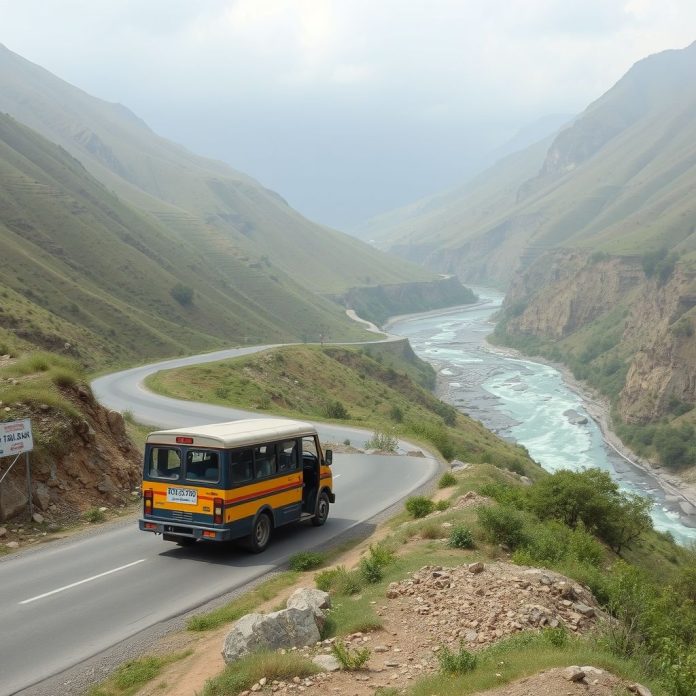
Many trekkers opt for shared tourist vans, which depart from Thamel around 1:00 AM and aim to get you to the airport by sunrise.


Transport Options from Kathmandu to Ramechhap

Shared Van (Most Popular Option)

  • Departure: Around 1:00 AM from Thamel

  • Travel time: 4 to 6+ hours

  • Cost: NPR 2,000–3,000 ($15–25)

  • Easily arranged through hotels, travel desks, or trekking agencies

Private Jeep

  • Best for small groups or families

  • Flexible timing and more comfort

  • Cost: $100–150 one-way


What Ramechhap Airport Is Really Like

Be prepared: Ramechhap Airport is extremely busy and very basic. Even if you’ve booked an early flight, that doesn’t guarantee you’ll board on time. Due to weather disruptions or backlog from previous days, flights often run late or shuffle passengers around. The earlier you arrive, the better your chances of catching your scheduled flight.

The check-in process is typically crowded with trekking groups, large amounts of luggage, and few staff to manage the flow. Travelers without guides may find it harder to navigate the check-in system, as many guides assist their groups in fast-tracking through queues or securing boarding passes.

So even if your ticket says 6:00 or 7:00 AM, boarding can happen much later depending on the weather, passenger backlog, or general disorganization.


Tips for Surviving Ramechhap Airport

✔️ Book the earliest flight available – Flights later in the morning are more prone to delays due to shifting weather in Lukla.
✔️ Leave Kathmandu by 1:00 AM at the latest – Give yourself a wide safety margin.
✔️ Be assertive at check-in – If you’re not part of a guided group, be prepared to move quickly and speak up to secure your boarding pass.
✔️ Bring snacks, cash, and warm clothes – The airport lacks food options, there are no ATMs, and mornings can be chilly.
✔️ Expect delays – Be mentally and logistically prepared for flights to leave hours after their scheduled time.
✔️ Add buffer days to your itinerary – Don’t plan your return flight out of Nepal the day after your trek ends. Give yourself breathing room in case of delays.


Is It Worth the Trouble?

Yes—it’s all part of the Everest adventure. The journey to Lukla through Ramechhap is not luxurious, but it’s part of what makes trekking in Nepal so memorable. With the right expectations and preparation, you can take it all in stride—and hey, once you’re walking those Himalayan trails, it’s all worth it.


Quick Summary


What Details
Departure Kathmandu (Thamel) to Ramechhap (12:30–1:00 AM)
Drive Time 4–6 hours (can be longer)
Flight Time Starts around 6:00 AM, delays common
Tickets Book early flights, don’t rely on exact timing
Transport Shared vans or private jeeps
Airport Tip Arrive early, stay assertive, prepare for crowds

For more up-to-date trekking guides, logistical tips, and real traveler experiences, check out trekheaven.com. We’re here to make sure you’re fully prepared—snacks, mindset, and all.

Need help arranging your ride or booking your trek? Just reach out—we’re happy to assist!

Do You Need a TIMS Card for Solo Trekking to Everest Base Camp (EBC)?

0

No, you do not need a TIMS card for the EBC trek as of 2025—even if you’re going solo.


What You Actually Need:

  1. Sagarmatha National Park Permit

    • Cost: NPR 3,000 for foreigners

    • Issued at:

      • Nepal Tourism Board (NTB) office in Kathmandu

      • Or at the Monjo checkpoint (on the trail after Lukla)

  2. Khumbu Pasang Lhamu Rural Municipality Permit (aka Local Permit / Trek Card)

    • Cost: NPR 2,000 – 3,000

    • Issued at:

      • Lukla trailhead permit office

      • Or in Kathmandu at the NTB office (if you prefer to get it early)

These are the only two permits you need. TIMS (Trekkers’ Information Management System) is no longer required for EBC, whether solo or with a guide.


Can You Hike EBC Solo in 2025?

Yes, you can hike without a guide or agency. The guide-mandatory rule does not apply to the Everest Region (EBC trek, Gokyo, Three Passes, etc.).
However, for safety and support—especially for high-altitude treks—hiring a guide is still recommended, though not mandatory.


What Trekkers Are Saying (April 2025)

“Walked past the office just outside Lukla—got both the permits on the spot. No TIMS needed, no guide required. They just asked for my passport details and an emergency contact.”

“Solo’d EBC without any issues. No one asked for TIMS. I got my permits directly on the trail.”

“TAAN hasn’t enforced TIMS for Everest Region in ages. Still no change this year.”


Extra Tips:

  • Carry NPR cash to pay for permits on the trail.

  • Keep permits easily accessible—you’ll show them multiple times at checkpoints.

  • Be aware of altitude risks above 4,000m. Even if trekking solo, check daily symptoms and rest when needed.


Final Note:

No TIMS needed for EBC solo in 2025. Just grab your Sagarmatha National Park permit and the local municipality permit, and you’re good to go.