Home Blog Page 9

“Can I Actually Do the Everest Base Camp Trek?” Yes. Yes, You Can. Probably.

0
EBC-Trekking-Nepal

So, you’re thinking about trekking to Everest Base Camp—or maybe you’ve already booked it and now you’re panic-Googling things like “how to survive EBC without becoming a rescue helicopter meme.” Totally fair.

Everyone and their cousin seems to have done it: the 67-year-old with arthritic knees, the guy who brought a thermos and a strong will, the woman who trained by walking her dog around the block. Meanwhile, you’re wondering if beach runs and weekend hikes have actually prepared you—or if you’re about to get body-slammed by thin air and Himalayan staircases.

Let’s get one thing straight: Everest Base Camp is challenging, but it’s not reserved for superheroes. People of all ages, shapes, and questionable training levels make it to Base Camp. The secret? It’s not just about muscle—it’s about mindset, pace, and patience.

The Real Villain: Altitude (Not You)

The biggest wildcard isn’t your stamina—it’s altitude sickness. And altitude doesn’t care if you’re a CrossFit junkie or a couch potato with dreams. That’s why everyone from sherpas to snail-paced trekkers preach the same gospel:

Go slow. Drink water. Acclimatize like your life depends on it (because it kinda does).

Someone said it best: “The hike ain’t tough mate. It’s acclimatization that needs to be taken seriously.” Let that be your mountain mantra.


Walk Like a Snail, Trek Like a Boss

You’ll hear this often: “Just go slooooooow.” Slower than your grandma on a Sunday stroll. Slower than a Netflix buffer wheel in the mountains. That’s the key. Your goal is not to race to base camp like it’s a finish line. You’re there for the experience, remember?

Take breaks, sip tea with yaks, and make friends with the dust (or wear a buff). Those endless steps and shifting weather can’t beat you if you simply… refuse to rush.


Mental Fitness > Gym Gains

Here’s the kicker: the trail is more mental than muscular. Your legs might ache, your breath might shorten, but the real test is in your head.

A 70-year-old celebrated his birthday at EBC. A 62-year-old did it on a veggie diet with arthritis in both knees. People with minimal training (or zero altitude exposure) made it through just by going at their own pace, staying hydrated, and listening to their bodies.

Let that sink in next time you question your fitness.


Hot Tips from the Trail Veterans

  • Hydrate like you’re prepping for a desert ultra-marathon. Yes, you’ll pee more. Own it.

  • Acclimatization days aren’t rest days. Go higher, chill there, and then come back down to sleep.

  • Pack a thermos. Hot water = your new best friend above Dingboche.

  • Walk slow, snack often. Fuel your trek like it’s a moving picnic.

  • Diamox is a friend, not a failure. Plenty of trekkers start taking it at Phakding and swear by it.

  • Altitude pulse oximeter = peace of mind. Just don’t become obsessed with numbers.


Worst-Case Reality Check

Yes, altitude sickness is real and can be serious. One trekker shared how pushing too hard led to a life-threatening experience and memory loss. That’s not to scare you—but to emphasize how important it is to respect the mountain. If your body tells you to stop, you stop. This is an adventure, not a punishment.


Final Thoughts: You’ve Got This (Really)

From 17-year-olds to 74-year-olds, people from every fitness level have conquered the EBC trek. And from the sound of it—you’re more than ready. You’re fit, you’ve trained, and most importantly, you’re asking the right questions.

So lace up those boots, channel your inner mountain tortoise, and remember: It’s not about the summit, it’s about the steps.


For more guides, trail tips, acclimatization hacks, and EBC wisdom that doesn’t sound like it came from a brochure, head over to TrekHeaven.com—we’ve got everything but the altitude.
 

Everest Base Camp Trek and Return by Helicopter: Shortcut or Smart Trekking?

0
Rescue in EBC

You’re dreaming of Everest Base Camp. The soaring peaks. The prayer flags fluttering at high altitudes. The sense of triumph standing in the shadow of the world’s tallest mountain. But—there’s a catch. You’re short on time.

So you wonder: Can I trek up to EBC and take a helicopter back? Is that cheating? Will I be missing out?

Let’s unpack the experience, the logistics, and the opinions surrounding this increasingly popular hybrid itinerary.


🏔️ The Classic EBC Trek vs. the Helicopter Return

Traditionally, the Everest Base Camp trek is a 12–14 day round-trip journey starting and ending in Lukla. Most itineraries include 8 days up and 3–4 days down.

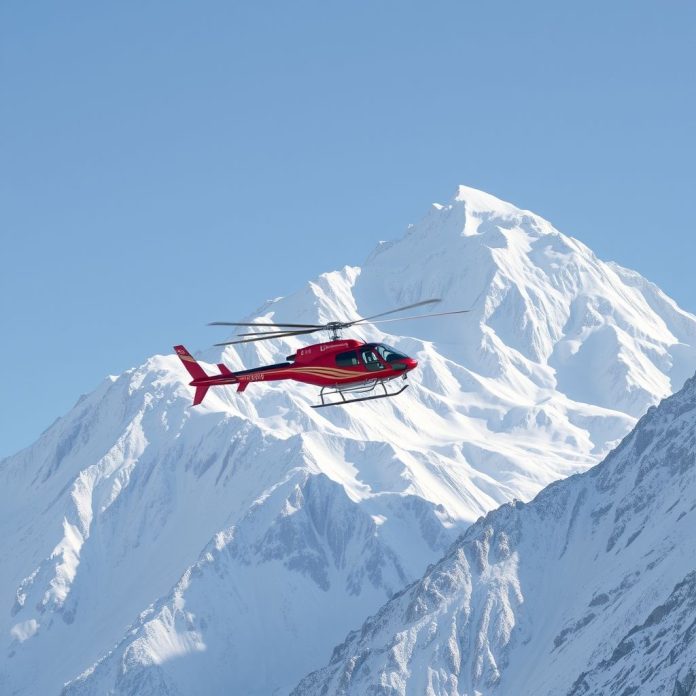
But for trekkers short on time—or knees—taking a helicopter back from EBC, Kala Patthar, or Gorak Shep is an appealing alternative. Instead of walking the same trail in reverse, you fly above the mountains in 30–40 minutes, returning to Kathmandu or Lukla the same day.


✈️ Is It Cheating?

Let’s get this out of the way: There is no right or wrong way to trek.

Some purists argue that anything short of walking in and walking out “spoils the sanctity” of the EBC experience. Others say the whole point of trekking is immersion—slow travel, cultural interaction, personal challenge, and respect for the mountain environment.

But here’s a more grounded take:

If you’re putting in 8+ days to reach Everest Base Camp on foot—you’ve trekked it. Period.

You’ve dealt with altitude, tired legs, cold tea house mornings, and yak traffic jams. Whether you fly back because you’re on a tight schedule, injured, or just want a different perspective—that doesn’t take away from your effort.


💡 Why People Choose the Helicopter Return

1. Time Constraints
You have 9 or 10 days total. The heli return allows:

  • Day 1: Arrive Kathmandu

  • Day 2: Fly to Lukla, begin trek

  • Day 3–9: Trek to EBC

  • Day 10: Helicopter back to Kathmandu

2. Physical Exhaustion or Injury
Descending 4,000 feet in 2 days sounds easier than it is—especially with aching knees or altitude fatigue. The return hike is often steeper and less varied.

3. Unique Perspective
Flying above Everest’s glaciers and valleys is an incredible (albeit pricey) experience.

4. Safety and Logistics
In case of emergencies or illness, helicopters are vital. But even if you’re healthy, flying back avoids delays caused by bad weather or Lukla airport backups.


💵 Cost Breakdown

The heli return is not cheap—but more affordable when shared with other trekkers.

Option Cost (USD)
Private Helicopter (EBC–KTM) $4,000–$5,000
Shared Seat (EBC–KTM) $1,000–$1,200
EBC to Lukla only $500–$800 per seat
EBC to Namche Bazaar $300–$500

Prices vary based on season, demand, and weather conditions. Sharing with 4–5 people brings costs down significantly.

💡 Tip: If you’re trekking solo or in a small group, ask lodges at Gorak Shep or use local operators in Kathmandu to find others for a shared chopper.


🧭 Logistics & Tips

  • Altitude: Most heli pickups are from Gorak Shep or Kala Patthar, not EBC proper. Landing at EBC is restricted due to glacier instability.

  • Weather Risks: Even helicopters get grounded. Don’t plan a same-day international flight.

  • Baggage Limit: Limited to 10–15 kg per person. Porters usually descend on foot, so pack essentials.

  • Environmental Impact: Helicopters burn fuel and contribute to noise pollution. Use responsibly, not casually.

  • Local Economy: Walking down supports more tea houses and porters. Flying out reduces that impact.


🌍 The Ethical Debate: What You Might Miss

It’s true: the return journey lets you absorb more of what you missed on the way up. You’re not as out of breath and can engage more with villages, customs, and the subtle beauty of the lower Khumbu.

Some seasoned trekkers view the helicopter return as missing the “soul” of the trek—the meditative descent, the tea house chats, the growing appreciation of altitude as you leave it behind.

But if the choice is:

❌ Not doing the trek at all
✅ Doing the trek with a helicopter return

… then the second wins every time.


❤️ Final Thoughts: Your Trek, Your Rules

The mountains don’t judge.

You could walk the full Jiri-to-EBC trail and still have a humbling, transformative experience. Or you could take a helicopter out and still carry the same sense of awe. Just remember: what matters is how it makes you feel, not how many kilometers your GPS logs.

If a helicopter return helps you experience the Himalayas—do it.
Just do it mindfully, respectfully, and with gratitude.


Got limited time but big dreams? The hybrid EBC trek with a helicopter return is a smart solution, not a shortcut. And if it’s your only shot to see Everest this decade, make it count—your way.

Sleeping Bag Guide for Trekking in Nepal: What to Bring, Buy or Rent for Every Season

0

If you’re planning to trek in Nepal—especially high-altitude routes like Everest Base Camp (EBC), Annapurna Circuit, or the Three Passes—you’ve probably been told you must bring a sleeping bag. But that advice alone opens a dozen more questions: How warm should it be? Do I need one if I’m staying in teahouses? Should I rent or buy? What about spring vs. winter?

Let’s walk you through what kind of sleeping bag you actually need, depending on the season, your route, and how easily you feel cold.


Do You Really Need a Sleeping Bag in Nepal?

Short answer: Yes, for most treks. Even when you’re staying in teahouses, having your own sleeping bag ensures warmth, cleanliness, and comfort.

But! There are caveats:

  • In lower elevations or during warmer months (April–May, September–early November), some trekkers get by with just blankets provided by teahouses and a sleeping bag liner.

  • However, above 3,500 meters—especially places like Dingboche, Lobuche, and Gorak Shep on the EBC trek—it gets seriously cold at night. Temperatures can drop to -10°C or even lower indoors.


Temperature Ratings: What’s “Comfort,” “Limit,” and “Extreme”?

When shopping or renting a sleeping bag, you’ll see three ratings:

  • Comfort: The lowest temperature at which a “cold sleeper” (often women or thinner individuals) will sleep comfortably.

  • Limit: The lowest temperature a “warm sleeper” (often male or people with more body fat) can handle.

  • Extreme: Survival-only range. Avoid relying on this.

So, if you sleep cold, use the comfort rating to guide you.


Recommendations by Season

🔆 Spring (March–May)

  • Temperatures: 10°C to -10°C (at night in higher altitudes)

  • Recommended Rating: Comfort to -10°C or lower

  • Ideal Bag: A 3- to 4-season down sleeping bag, preferably with a hood and draft collar.

  • Teahouse Warmth? Yes, but bring your bag. Blankets are provided, but not always clean or warm enough.

🌞 Summer/Monsoon (June–August)

  • Temperatures: Mild (rarely below freezing at night)

  • Recommended Rating: 0°C comfort bag or even just a liner with teahouse blankets.

  • Note: This isn’t peak trekking season due to heavy rain and leeches, but it’s warmest.

🍂 Autumn (September–November)

  • Temperatures: Similar to spring, but drier and often chillier at night

  • Recommended Rating: Comfort to -10°C; -15°C for higher altitudes

  • Bonus Tip: As the season gets closer to winter (late Nov), nights get very cold.

❄️ Winter (December–February)

  • Temperatures: Can dip to -15°C to -25°C at night (especially above 4,000m)

  • Recommended Rating: Comfort to -20°C or lower

  • Ideal Bag: 4-season or expedition-grade down sleeping bag, ideally 1.2–1.5 kg with down fill power over 700.


Should You Buy or Rent?

✅ Buy If:

  • You trek often or have more high-altitude treks planned (EBC, K2 base camp, Kilimanjaro, etc.)

  • You want to guarantee quality, cleanliness, and warmth.

  • You’re a cold sleeper and can’t take chances with rental gear.

💰 Rent If:

  • You’re budget-conscious and don’t plan to trek again soon.

  • You’re already carrying a lot and want to rent gear closer to the trail.

Rental Cost (as of 2024):

  • Kathmandu (Thamel): NPR 150–250 per night (~$1.50–$2)

  • Namche Bazaar: NPR 400–500 per night (~$3–$4); deposit up to NPR 20,000

  • Brands: Mostly local or knockoff versions, but you can find solid, warm bags with careful inspection.


Key Buying Tips

  • Fill: Go for down if possible—it’s lighter and warmer. Synthetic is bulkier but cheaper and better in wet conditions.

  • Weight: Look for bags under 1.5 kg if you’re carrying your own.

  • Brands: Rab, Sea to Summit, The North Face, Mountain Hardwear, Marmot. If buying in Kathmandu, test the zipper and inspect the stitching.

  • Shape: Mummy shape offers best warmth-to-weight ratio.


What If You Don’t Use It?

Some trekkers report not using their sleeping bag at all, especially during mild spring or autumn treks. But others say they couldn’t have survived the cold nights above Tengboche without it.

If you’re trekking as a couple, some share a sleeping bag or double up on blankets.

And remember: a good liner + teahouse blanket ≠ guaranteed warmth. It’s a gamble unless you know you’re a warm sleeper.


Other Pro Tips

  • Liner: Always bring a silk or fleece liner. Adds 5–10°C warmth, keeps your bag clean.

  • Compression Sack: Helps reduce bulk.

  • Avoid Overpacking: Don’t carry a -30°C expedition bag in May unless you’re camping at Everest Base Camp or doing high passes.

  • Teahouse Etiquette: Ask nicely for extra blankets—they’re usually happy to help.


Final Thoughts: What Should YOU Do?

If you’re cold-sensitive and heading to EBC or any trek above 3,500m, invest in a -10°C to -20°C comfort rated sleeping bag, depending on your season. Renting is a great short-term solution, but for long-term or frequent trekkers, buying a good bag is absolutely worth it.

Still unsure? Test yourself at home. If you can’t sleep in a cold room with blankets, you won’t survive EBC with just lodge bedding.

A Day in Kathmandu? Here’s How to Make It Unforgettable

0
A-Day-Kathmandu

Kathmandu isn’t just a “start” point for treks; it’s a vibrant, ancient city that can turn even a few spare hours into an unforgettable experience.

Whether you’re into history, culture, food, or just soaking up the atmosphere, there’s plenty you can do solo — without feeling like you’re just killing time.

Here’s how to make the most of your unexpected free day:


1. Go Temple Hopping (Solo Style)

Swayambhunath (Monkey Temple):
An absolute must. Perched atop a hill with panoramic views of the city, this iconic stupa is guarded by cheeky monkeys and filled with prayer flags, spinning wheels, and serene vibes. It’s a peaceful (and slightly mischievous) way to start your solo adventure.

Boudhanath Stupa:
One of the largest and most sacred Buddhist stupas in the world. Walk around it with pilgrims, spin prayer wheels, or grab a rooftop coffee with views over the dome.

Pashupatinath Temple:
If you’re feeling more adventurous, visit Nepal’s most important Hindu temple. It’s a huge complex and offers a fascinating — though at times intense — glimpse into traditional rituals along the sacred Bagmati River.

Kathesimbhu Stupa:
A smaller, charming stupa tucked inside Kathmandu’s winding alleys — perfect if you want something a little quieter.


2. Dive Into History at Durbar Square

If you’re craving some history and architecture, Kathmandu Durbar Square is where it’s at.
You’ll find ancient palaces, intricate temples, and lively squares full of life (and pigeons).
You can even grab a guided walking tour to dive deeper into the old royal history of the valley.


3. Embrace the Café Life

Feeling more mellow?
Head over to Thamel, the backpacker’s heart of Kathmandu, where you’ll find a maze of cafes, bookstores, and gear shops.

A few ideas:

  • Chill at The Garden of Dreams — a beautifully restored historical garden perfect for unwinding with a book and a coffee.

  • Grab a bite at Hard Rock Café if you want a familiar comfort meal.

  • Or just pick a quiet café around Boudhanath or Kathesimbhu Stupa — sip tea and watch the world go by.


4. Explore Local Culture Beyond the City

If you’re feeling like a true escape, some travelers recommend spending the day at a farm stay near Kathmandu.
You’ll get a peaceful glimpse into Nepali village life — surrounded by greenery, traditional houses, and fresh mountain air — before your bigger trek begins.
(And yes, they’ll still get you back to the city in time for your group meet-up.)


5. Bonus: Gear Up or Just Wander

Need last-minute trekking gear?
Thamel is packed with trekking shops where you can rent or buy anything you forgot — from sleeping bags to warm jackets. Even if you don’t need anything, it’s fun to browse and soak in the pre-trek buzz.

Or, if you really just want to relax… wander, snack, and maybe even raise a glass to the mountains you’re about to conquer. 🍻


One Perfect Day: A Self-Guided Walking Tour of Kathmandu

🕗 Start around 8:00–9:00 AM


1. Morning: Swayambhunath (Monkey Temple)

  • Start early and take a taxi or short ride to Swayambhunath Stupa (about 20 min from Thamel).

  • Climb the famous staircase lined with prayer flags.

  • Soak in panoramic views of Kathmandu city at sunrise.

  • Spend about 1–1.5 hours walking the complex, spinning prayer wheels, and quietly exploring side shrines.

🌸 Pro Tip: Bring a small bottle of water and be mindful — the monkeys are curious but harmless if you keep snacks tucked away!


2. Mid-Morning: Kathmandu Durbar Square

  • From Swayambhunath, head back towards the city (10–15 min taxi ride) to Kathmandu Durbar Square.

  • Wander through Hanuman Dhoka Palace, Taleju Temple, and Kumari Ghar (where the Living Goddess resides).

  • Spend 1.5–2 hours here, diving into medieval Kathmandu.

🌸 Pro Tip: You can hire a local guide here for a casual historical tour (they usually approach you politely), or just explore at your own pace.


3. Lunch Break: Thamel

  • Walk 10–15 minutes or hop in a cycle rickshaw to Thamel.

  • Choose from cafes like:

    • Pumpernickel Bakery (cozy, European vibe, great sandwiches).

    • OR2K (vegetarian Middle Eastern menu, rooftop vibes).

  • Perfect time to relax, grab a coffee, and even do a little shopping or browsing trekking gear stores.


4. Afternoon: Boudhanath Stupa

  • After lunch, grab a taxi (20–25 min) to Boudhanath Stupa — the spiritual heart of Nepal’s Tibetan Buddhist community.

  • Walk clockwise around the stupa with pilgrims, spin prayer wheels, and admire monks in crimson robes.

  • Climb up to a rooftop café for tea with a spectacular view over the white dome and golden spire.

🌸 Pro Tip: Try a butter tea if you want to go full cultural immersion — it’s salty, creamy, and unique!


5. Late Afternoon/Evening: Garden of Dreams

  • Head back toward Thamel and wind down at the Garden of Dreams (5 min walk from central Thamel).

  • Spend your late afternoon lounging by fountains, enjoying beautifully restored 1920s architecture, and watching the world quietly go by.

  • Grab a light snack or early dinner at the café inside if you feel like it.

🌸 Pro Tip: The garden is open until about 6 PM — it’s a beautiful and peaceful way to transition into the evening.


Optional Nightcap: Explore Thamel After Dark

If you still have energy, Thamel lights up in the evening with music, laughter, and laid-back bars.
You could wander, listen to some live Nepali folk music, or just find a cozy spot for a quiet drink before resting up for your trek.


Map of the Route

(Swayambhunath ➡️ Durbar Square ➡️ Thamel ➡️ Boudhanath ➡️ Garden of Dreams ➡️ Thamel Night)

Final Thoughts

You might have arrived in Kathmandu expecting to rush through it — but now, you have the rare chance to feel its heartbeat at your own pace.
And trust us — whether you’re temple-hopping, café-hopping, or simply people-watching — Kathmandu has a way of surprising you.

Enjoy every moment. Your mountains are waiting — but for today, Kathmandu is your playground.

Diamox on the EBC Trek: Start Early or Just Keep It Handy?

0
AMS EBC

If you’re heading for Everest Base Camp, you’ve probably heard about Diamox (Acetazolamide) — the altitude sickness pill that gets talked about as much as dal bhat. Some trekkers swear it’s a lifesaver. Others avoid it altogether. So what’s the real story?

Let’s unpack what experienced EBC trekkers have learned and how you can decide whether to start Diamox early or just keep it in your first-aid kit.


Quick Recap: What Does Diamox Do?

Diamox helps your body adjust to higher altitudes by boosting your breathing rate, which allows you to get more oxygen into your bloodstream. This can reduce the risk of Acute Mountain Sickness (AMS) — the nasty headaches, dizziness, and fatigue that can sneak up when you gain altitude too fast.


When Do Most Trekkers Start Taking It?

There’s no universal rule, but here are the most common approaches:

1. Start When You Arrive at Altitude

Some trekkers begin taking Diamox as soon as they land in Lukla (2,800m). The idea is to get ahead of the altitude rather than wait for symptoms. This proactive approach has helped many reach EBC comfortably, even with minor side effects like tingling fingers or frequent bathroom breaks.

2. Begin Around Namche Bazaar (3,400m)

Others prefer to wait until reaching Namche, a key acclimatization stop on most EBC routes. Starting the medication here gives your body time to adapt naturally at lower altitudes and step in with extra help only when you’re heading toward the steeper gains.

3. Only Take It If Symptoms Appear

Plenty of trekkers carry Diamox but only use it as a backup plan. If they start to experience AMS symptoms like persistent headaches or nausea, they take it then. This approach relies on careful self-monitoring and a slow, steady trekking pace.

4. Skip It Altogether

Some hikers choose not to use Diamox at all, relying on proper acclimatization, hydration, and a gentle pace to manage altitude. They emphasize listening to your body, allowing for extra rest days, and being willing to descend if symptoms worsen. For some, the side effects of Diamox feel too similar to AMS itself, making it harder to judge what’s going on.


Standard Dosage

Doctors generally recommend:

  • 125 mg (half tablet) twice daily

  • Start around 2,500–3,000m, continue until you descend

But always consult with a medical professional before starting any altitude-related medication.


Are There Any Side Effects?

Yes — and they vary. Common ones include:

  • Tingling or numbness in hands and feet

  • More frequent urination (so plan your bathroom stops!)

  • Altered taste — especially fizzy drinks

  • Occasional nausea or dizziness

Keep in mind: some side effects can mimic AMS symptoms, which can cause confusion if you’re already not feeling great.


TrekHeaven’s Take: What Should You Do?

Here’s what we’ve gathered from dozens of trekkers and health experts:

  • Pack Diamox in your medical kit, even if you don’t plan to take it immediately

  • Don’t rush into using it unless you’re following a fast itinerary or have known altitude issues

  • Start in Namche or earlier if you’re concerned about altitude or had trouble on previous high-altitude treks

  • Focus on hydration, rest, and pacing — those are your best natural defenses

For most people on standard itineraries, it’s safe to monitor your body and only take Diamox if needed. But for peace of mind, starting early — especially from Lukla or Namche — can help ease the transition to higher altitudes.


Final Words: Know Yourself, Trek Smart

Altitude affects everyone differently. Some breeze through it; others struggle at 3,000m. Whether or not to take Diamox is a personal choice — but having it on hand and knowing how to use it wisely can make or break your trek.

No one goes to Everest to sit in a teahouse with a pounding headache. Prepare, listen to your body, and enjoy every step.


Need help building your custom EBC itinerary or prepping for high-altitude trekking? We’ve got route guides, gear checklists, and expert tips right here at TrekHeaven.

Last-Minute Shopping Before Your EBC Trek: What to Buy, What to Bring & What to Rent

0

So you’re about to hit the trail to Everest Base Camp — flights are booked, boots are (hopefully) broken in, and excitement is bubbling over. But what if you still need to grab some gear?

No worries. Whether you’re in Kathmandu, already in Lukla, or making a final stop at Namche Bazaar, Nepal has you covered. Quite literally.

This guide breaks down what you should bring from home, what’s worth buying or renting locally, and how to avoid overpacking or overspending — all based on real trekker experiences.


Should I Buy Gear in Nepal?

Yes — and for many items, it’s a smart choice.

Most branded trekking gear sold in the West is manufactured in countries like India, Bangladesh, and Vietnam — the same places that supply the gear sold in Nepal. So while you might see the odd knockoff or “North Fake,” there are also reputable shops in Thamel and Namche selling good-quality gear at lower prices than you’d pay back home (especially in places like Australia, the US, or Europe).

You can also rent almost everything, which is a game-changer if you’re traveling light.


✅ What to Definitely Bring from Home

“Bring a 0-degree sleeping bag and down jacket from home. If not, there are plenty of places to rent or buy in Kathmandu or Lukla.”


What You Can Rent or Buy in Nepal

Thamel (Kathmandu) – Best for wide selection & bargaining

You’ll find:

Most shops offer rental options, and some will even let you test the gear first. Just don’t expect REI standards — test zippers, check linings, and try before you buy or rent.

“You can get the whole kit in Thamel. There are multiple stores there.”


Lukla & Namche Bazaar – For last-second essentials

Yes, you can rent or buy gear even after your Lukla flight. Great for:

  • Extra layers

  • Trekking poles

  • Sleeping bags (rentals)

  • Down jackets (rentals)

  • Crampons (when needed in icy seasons)

Expect to pay more here than in Kathmandu, and selection is limited, especially if you’re tall or have specific sizing needs.

“I found a -40°C sleeping bag for rent at 400 NPR/night in Namche. Deposit was 20,000 NPR.”


Renting Tips (Save Your Back & Your Budget)

  • Rental Cost: About NPR 100–300/day per item (less than $2–3 USD)

  • Where to Rent: Thamel, Lukla, Namche (through shops or via guide contacts)

  • What to Rent: Down jacket, sleeping bag, trekking poles, pack

  • Pro tip: Use a sleeping bag liner if renting — gear is usually clean, but not freshly laundered every time.

“I rented through my guide’s contacts. Clean gear, NPR 100 per day. Bag liner is a must!”


Avoid Overpacking: What You Probably Don’t Need

  • Too many layers: You’ll end up wearing the same 2–3 combos on repeat.

  • Heavy souvenirs from Namche: That yak wool blanket is cute… until you have to carry it uphill.

  • Giant bottles of sunscreen: Small tube + reapply is better.

  • Extra pair of shoes: One sturdy trekking boot and a lightweight camp shoe is enough.

“We carried sleeping bags the entire trek and never used them once. Just overpacked!”


A Note on Quality & Fakes

Yes, some knockoffs are floating around — but many are surprisingly warm and durable. The trick is knowing where to shop and understanding that price ≠ authenticity. Some branded gear at higher-end stores in Thamel is real — or close enough.

“Fake North Face jacket for under €40. Wore it all the way to EBC. Totally fine.”


Final Thoughts

Trekking gear in Nepal is:

  • Widely available

  • Affordable

  • Mostly reliable if you rent or buy wisely

If you’ve forgotten something or need to lighten your pack, don’t stress. Last-minute shopping before the EBC trek is totally doable, whether you’re in Kathmandu, Lukla, or even Namche Bazaar.

Just remember: rent what you won’t reuse, buy what fits and lasts, and pack only what your back can forgive.

Peaceful Solo Treks from Pokhara: Offbeat Trails for Soulful Wanderers

0
Solo-Around-Annapurna
Solo Around Annapurna

We don’t walk these trails just to arrive—
we wander to be moved by the silence between the peaks.

If that resonates with you, you’re in the right place.

Pokhara may be the gateway to some of Nepal’s most iconic treks — like Annapurna Base Camp and Poon Hill — but tucked quietly behind the curtain of crowds and commercial lodges are hidden trails where time slows down, locals still wave to strangers, and the only sound you’ll hear is wind through prayer flags.

This is for the solo traveler seeking peace over peak, moments over mileage, and a quiet communion with the mountains. Below are 5 beautiful, lesser-known treks that start from or near Pokhara — each perfect for an 8–10 day slow, self-reflective journey.


1. Khopra Danda (Khopra Ridge) Trek

The Quieter Balcony to the Annapurnas

  • Duration: 7–10 days

  • Max altitude: ~3,660m

  • Best for: Panoramic snow views, peaceful trails, local life

  • Why go: It’s like Poon Hill… but without the crowd, and higher.

  • Homestay options: Plenty, including the beautiful community lodges run by locals.

💡 Highlight: A detour to Kaire Lake, a sacred alpine lake that few make time for. Total stillness.


2. Mardi Himal Trek (via Siding Village or Landruk)

Where Jungle Meets the Sky

  • Duration: 6–9 days (longer if you start from lower villages like Astam or Lwang)

  • Max altitude: 4,500m (Mardi High Camp)

  • Best for: Dense forests, ridge walks, and surreal views of Machhapuchhre

  • Why go: Still quieter than ABC, especially if you begin your walk from lesser-known entry points.

  • Homestay options: Especially around Lwang, Siding, and Landruk villages.

💡 Highlight: Early mornings at High Camp — Machhapuchhre feels so close, it breathes with you.


3. Mohare Danda Community Trek

The Trail that Gives Back

  • Duration: 6–8 days

  • Max altitude: 3,300m

  • Best for: Authentic village stays, local interactions, and community-driven tourism

  • Why go: Developed as an alternative to Poon Hill, this trail is all about people-first trekking.

  • Homestay options: All accommodations are community lodges or local homes.

💡 Highlight: Sunrise over Dhaulagiri from Mohare Danda — without a single selfie stick around.


4. Royal Trek (Slow, Extended Version)

Walk Like a King, But Think Like a Monk

  • Duration: 4–6 days (extend with detours and village stays)

  • Max altitude: ~1,700m

  • Best for: A low-altitude journey through terraced farms and quiet hills

  • Why go: Named after Prince Charles’ 1980 visit — but this trek is anything but royal in attitude. Humble, scenic, and close to local life.

  • Homestay options: Yes, in villages like Syaglung and Chisapani.

💡 Highlight: Perfect for meditation, journaling, and living among warm-hearted hill communities.


5. Panchase Trek (via Bhumdi and Panchase Bhanjyang)

Sacred Peaks, Sacred Paths

  • Duration: 3–5 days (extend by linking to Australian Camp or Pothana)

  • Max altitude: ~2,500m

  • Best for: Spiritual seekers, forest lovers, and gentle solitude

  • Why go: It’s one of the most spiritual hills near Pokhara, believed to be the meditation site of ancient sages.

  • Homestay options: Yes, especially in Bhumdi and Panchase Bhanjyang

💡 Highlight: Silent dawns over the Panchase peak — meditation beneath mossy trees with a cup of salt tea.


🌿 Why These Treks Work for Solo, Slow Travel

  • Less Crowded: You’ll meet more buffalo than backpackers.

  • Homestay-Based: Stay in local homes or lodges that feel like them.

  • Slow-Friendly: No rush. These trails beg for long pauses and slow sips of tea.

  • Views, Stillness & Soul: Snowy peaks, forest trails, and kind strangers await you.


Tips for a Peaceful Solo Trek

  • Pack light but bring a book or journal — your mind will wander in beautiful ways.

  • Carry a water purifier — many trails offer tap water, but better safe than sick.

  • Start early, end early — solo treks feel safer with daylight on your side.

  • Learn 5 Nepali phrases — locals love a good “Namaste!” and a smile.

  • Let locals guide you when needed — even just for a day or two.


Final Thought: The Mountains Hear You

When you walk slowly through the hills around Pokhara, something changes. The deeper you go, the quieter it gets. And somewhere between a chai stall and a ridge view, you realize you’ve stopped searching for something out there—and started listening to something in here.

This isn’t a trek. It’s a return.

Hydration on the Trail: How to Purify Water & Save Money While Trekking in Nepal

0
EBC-Trekking-Nepal

You’ve probably heard it from every Everest Base Camp veteran:

“Water is crazy expensive up there!”

And it’s true—if you rely solely on bottled water, your hydration bill will rival your flight ticket. But the good news? You can drink safely, stay hydrated, and spend a fraction of the money without sacrificing your health.

Here’s the real breakdown on water costs, purification options, and what seasoned trekkers have learned the hard way.


💰 The Real Cost of Bottled Water in Nepal’s Mountains

Prices climb as fast as the trail:

Location Price per Liter (NPR) USD Approx
Lukla 100–150 $0.75–$1.15
Namche Bazaar 150–200 $1.15–$1.50
Dingboche/Lobuche 300–400 $2.25–$3.00
Gorakshep 400–500+ $3.00–$4.00

If you’re drinking 4–6 liters/day, a 12-day trek could cost you $80–$100 per person—money that could go toward a porter tip or that emergency helicopter insurance upgrade.


🚰 Safe, Sustainable & Affordable Ways to Purify Water

1. Boiled Water from Lodges

  • Cost: 100–300 NPR per liter, depending on altitude

  • Pros: Kills all pathogens, eco-friendly

  • Pro Tip: Fill your bottle with boiled water at night—it doubles as a sleeping bag heater and cools down by morning.


2. Purification Tablets (Aquatabs, Potable Aqua, etc.)

  • How They Work: Drop one tablet into 1L of water, wait 30 min (longer in cold water), drink.

  • Pros: Light, cheap (~$10 for 50L), available in Kathmandu and trekking towns.

  • Cons: Chemical taste (fix it with electrolytes), slower in very cold water, some brands less effective against cysts/viruses.

  • Real Trekker Tip: “Aquatabs are my backup—quick, easy, but I always add electrolytes to mask the taste.”


3. UV Sterilizers (Steripen)

  • How They Work: 60–90 seconds of UV light kills bacteria, protozoa, and viruses.

  • Pros: No taste, very fast, highly effective.

  • Cons: Needs batteries or USB charging; works best in clear water.

  • Pro Tip: Lithium AA batteries last a whole trek; smaller Steripens are perfect for the EBC’s 12–14 day route.


4. Portable Water Filters (Sawyer Mini, Katadyn, Grayl)

  • Pros: No chemicals, remove sediment, bacteria, and protozoa.

  • Best For: Filling multiple bottles from streams or taps.

  • Note: LifeStraw bottles are fine, but “suck-through” straws aren’t great for bulk drinking.


5. Avoid Over-Reliance on Bottled Water

It’s not just about cost—plastic waste in the mountains is a growing problem. Even in remote areas, discarded bottles pile up.


🏔️ Why Water Purification Matters More at Altitude

High altitude = higher hydration needs. The dry air, extra exertion, and breathing rate all mean you’ll dehydrate faster—even without sweating buckets.

Signs you’re underhydrated:

  • Dark yellow urine

  • Headaches

  • Fatigue

  • Slow acclimatization

  • Higher risk of AMS

Hydration Rule of Thumb: Keep your urine light yellow. If it’s dark, drink more. If it’s totally clear, you might be overhydrating—add salts or electrolytes to maintain balance.


💬 Voices from the Trail

  • “Steripen for the win—90 seconds and done, no chemical taste.”

  • “Aquatabs are my emergency backup; I mask the taste with electrolytes.”

  • “Boiled water at night kept me warm and hydrated—zero bottles bought.”

  • “In cold water, purification tablets take hours—plan ahead.”

  • “Used my Sawyer Mini the whole trek, never got sick, never bought bottled.”


Final Word

Water is only expensive in the Himalayas if you buy it every day. With a little planning, you can keep costs low, reduce waste, and drink safely using boiled water, purification tablets, UV sterilizers, or portable filters—or a combination of all four.

Stay hydrated, stay healthy, and let your money go toward better memories than overpriced bottles.

Food Poisoning on the Everest Base Camp Trek: What Causes It (and How to Avoid It)

0

You’ve dreamed about trekking to Everest Base Camp. You’ve got the thermals, the trekking boots, and the playlist. But then someone drops the dreaded warning:

“Half our group got food poisoning at Namche…”

Suddenly, you’re not worried about altitude. You’re worried about your stomach staging a full-scale rebellion halfway up the Himalayas.

Let’s cut through the trail talk and get to the real causes—and how to stay healthy, safe, and upright all the way to Base Camp.


So, Why Do Trekkers Get Food Poisoning?

Here’s the thing: most food poisoning on the trail isn’t from “bad food.” It’s usually the result of poor hygiene practices, cross-contamination, or risky food choices in a remote area where refrigeration and water treatment are minimal.

Top Offenders:

  • Meat: Avoid it. Seriously. All meat is carried up on foot or mule and can go days without proper refrigeration. That momo might be more dangerous than the glacier.

  • Uncooked or undercooked food: Salads, unpeeled fruits, dairy products, and spicy unfamiliar dishes may upset your gut.

  • Unwashed hands: Yours. The cook’s. Fellow trekkers’. Sanitize like you’re being judged.


How to Avoid Getting Sick on the Trail?

Here’s your food-poisoning prevention checklist—bookmark it, print it, tattoo it on your forearm if you must:

1. Skip the Meat

Nearly every trekker who got sick said the same thing: “I knew I shouldn’t have had that chicken.” Go full vegetarian while trekking. Dal Bhat all day, every day—it’s fresh, filling, and your safest bet.

2. Wash. Your. Hands.

This is the most underrated and effective thing you can do. Bring hand sanitizer and use it:

  • Before every meal

  • After every bathroom break

  • After handling money, gear, or communal teahouse menus

3. Eat It Cooked (And Hot)

Stick to hot, well-cooked meals like:

  • Veg fried rice

  • Boiled potatoes and eggs

  • Veg noodle soup

  • Dal Bhat (of course)

Avoid anything lukewarm, reheated, or “fresh” that hasn’t been boiled or fried within an inch of its life.

4. Trust Boiled Beverages

Tea is your friend. It’s made with boiled water, served hot, and helps you stay hydrated. Bonus points for ginger tea—it can settle your stomach and ward off nausea.

5. Be Cautious with Dairy

That fresh yak cheese or creamy milk chai may charm your tastebuds but wreck your stomach. Some trekkers avoid dairy altogether, or at least test tolerance slowly.

6. Skip the Street Snacks (Even in Namche)

We get it—Namche Bazaar has amazing bakeries and cafés. But try to avoid indulging in non-lodge food or treats sitting out uncovered all day. This is where many trekkers get unlucky.

7. Bring Backup

Pack a first aid kit with:

  • Imodium (for diarrhea)

  • Ciprofloxacin (prescription antibiotic for bacterial stomach issues)

  • Rehydration salts or electrolyte tablets

You may never need them—but if you do, you’ll be glad you packed smart.


💬 Real Advice From Real Trekkers

“I’ve trekked EBC nearly 10 times. I stick to dal bhat, never touch meat, and always sanitize before meals. Haven’t been sick once.”

“I avoided meat, drank only boiled water or tea, and brought antibiotics just in case. Keeping it simple really helped.”

“Got food poisoning in Namche despite avoiding meat. Probably from eating out at a restaurant instead of my lodge. Lesson learned—be careful even in towns.”

“No stomach issues for me—ate the same hot, cooked meals daily, no risky new foods, and washed my hands religiously.”


Is Water the Culprit?

Sometimes, yes. But on the EBC trek, the bigger issue is cross-contamination or food handling, not just the water itself. Many trekkers who only drank tea or purified water still got sick after eating improperly cooked or handled food.

Boiled drinks and soups are the safest options for both hydration and food safety.


Final Word: Stay Simple, Stay Safe

The golden rule? Don’t overthink your meals—just keep them hot, cooked, and clean. You’re not there to try culinary experiments—you’re there to reach Base Camp and feel great doing it.

Stick to what your stomach knows, treat your hands like enemy territory, and pack a little emergency medicine—just in case.


🌄 Planning Your Trek to Everest Base Camp?

At TrekHeaven, we help you prep like a pro. From food safety tips to gear guides, we’ve got the straight-up trail info you actually need.

📍 Visit trekheaven.com for more.

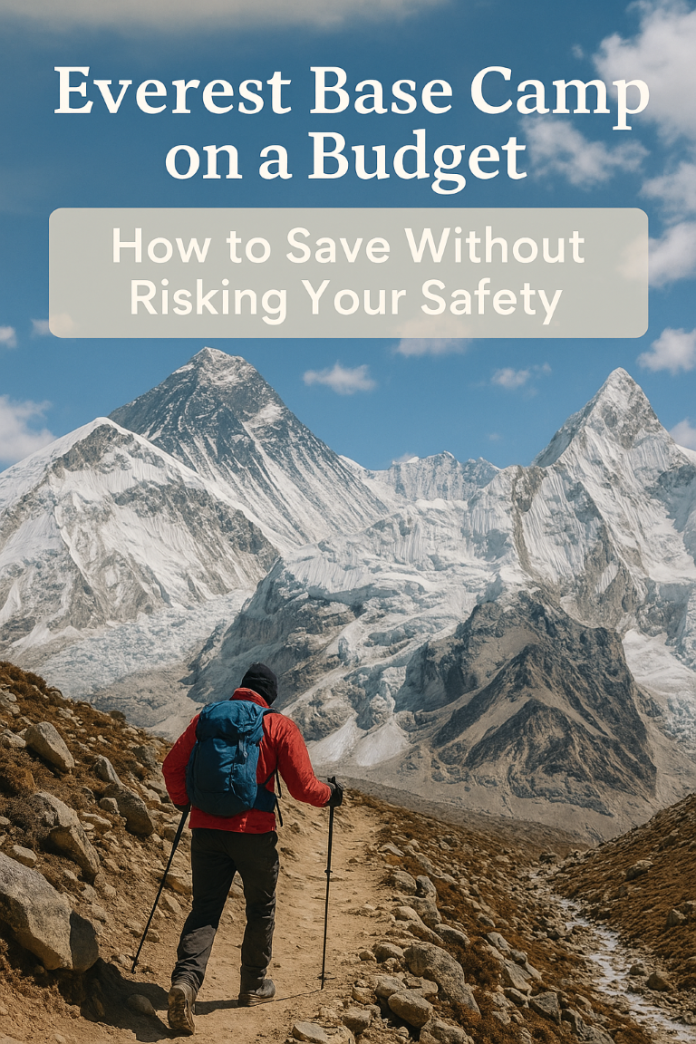
Everest Base Camp on a Budget: How to Save Without Risking Your Safety

0

Let’s be honest—the Everest Base Camp trek isn’t cheap, especially if you’re flying halfway across the world to do it. Between international flights, gear, guides, insurance, permits, and that magical post-trek recovery meal in Kathmandu, the cost can climb faster than the trail to Namche.

But here’s the good news: you don’t have to go broke to go to base camp.

Yes, there are smart, safe, and sane ways to trim the cost of your EBC adventure without cutting corners on health, safety, or the overall experience. Here’s how to do it the right way—trekking smart, not cheap.


1. Understand What Not to Compromise On

Let’s get this out of the way first: cheap isn’t always smart in the Himalayas.

Some things you shouldn’t try to save money on:

  • Travel Insurance (make sure it covers trekking up to 5,500m and emergency helicopter evacuation)

  • Emergency support (a guide or porter can literally be life-saving)

  • Proper gear for warmth and safety

  • Flights to Lukla, if you’re not adding extra trekking days via Phaplu or Jiri

Trying to cut these costs might make things look cheaper—but when you’re cold, sick, or stranded, you’ll pay in other ways.


2. Guide vs. No Guide: The Real Cost Debate

Going without a guide or porter can save you $20–30 per day, but comes with trade-offs.

If you’re a confident, experienced trekker with solid map-reading skills, you can do the EBC trek solo. The trail is well-trodden, lodges are abundant, and apps like Maps.me can keep you on track.

But here’s why a budget-friendly guide or porter is still worth considering:

  • They help in emergencies (injuries, AMS, bad weather, missed flights)

  • They know the terrain and can adjust your pace/acclimatization

  • They often secure better accommodation when things get busy

  • And yes—they’ll carry your bag if you hire a porter

💡 Budget Tip: If you’re two or more people, hire one guide for the group. Share the cost and still enjoy the safety net.


3. Skip the Lukla Flight (If You’ve Got the Time)

Flights to Lukla cost around $180–250 one-way. If you’re flexible on time and want to save, trek in via Phaplu or Jiri.

  • Phaplu to EBC adds 3–4 days each way but saves on airfare.

  • It’s less touristy, more local, and a great way to ease into the altitude.

Yes, it’s longer. Yes, it’s slower. But it’s cheaper and quieter, and you’ll get to brag about doing it “the classic way.”


4. Rent or Buy Second-Hand Gear

Don’t splurge on gear you’ll use once.

  • Kathmandu’s Thamel area has dozens of shops offering gear rentals: down jackets, sleeping bags, trekking poles, crampons.

  • If you’re based in the UK, Australia, or the US, check Facebook Marketplace or community forums—people often sell high-quality, barely-used gear for cheap.

  • Decathlon is another go-to for reliable and affordable new gear—good bang for your buck.

💡 Budget Tip: Renting a sleeping bag and down jacket in Kathmandu can save you $200+. They’re warm, clean, and totally up to the task.


5. Go for Basic Lodges and Shared Rooms

On the EBC trail, you can choose your level of comfort. Most teahouses offer rooms for $5–$10 per night—cheaper if you eat dinner and breakfast there.

  • Shared rooms cut costs, and sharing with your trekking buddy or a fellow solo traveler can make it fun.

  • Skip hot showers, which often cost $3–$6 each. Wet wipes and dry shampoo are your new best friends.

  • BYO snacks, tea bags, and coffee sachets—lodge menus get expensive above 4,000m.

💡 Insider Tip: Want Wi-Fi? Expect to pay $5–$10 for 24-hour access. Consider Ncell SIM with data, but don’t expect full coverage in remote spots.


6. Book Flights Early (International and Lukla)

Trekking in high season (spring and fall)? Book early to score the best prices on international flights.

  • Use Google Flights or Skyscanner to track price dips.

  • Lukla flights fill up fast—agencies often have reserved blocks, so if you’re DIY-ing it, book well in advance or prepare to be flexible.

💡 Bonus: Booking flights 3–6 months in advance can save you hundreds.


7. Go With a Budget Agency—But Vet Them First

There are hundreds of local agencies in Kathmandu offering EBC treks. Prices vary wildly. Some offer full packages from $800 to $2,500+.

To avoid getting scammed or ending up with an unqualified guide:

  • Check Google reviews, Facebook groups, and travel forums

  • Make sure they’re registered and insured

  • Ask what’s included: permits, flights, meals, guide/porter wages, etc.

  • If it sounds too good to be true, it probably is.

💡 TrekHeaven’s budget-approved operator list? Just ask—we’ve got you covered.


8. Little Extras Add Up—Here’s Where to Save

Item Save With
Water Use a Steripen, iodine tablets, or Sawyer filter instead of buying $3–$5 bottles
Snacks Stock up on trail mix, protein bars, and nuts in Kathmandu
Power Carry a solar charger or power bank—charging fees get steep at high altitudes
Trekking Poles Rent for $1/day or buy second-hand
Meals Stick to dal bhat (all-you-can-eat) and local meals, avoid pizza or yak steak at 4,900m

Final Thoughts: Be Frugal, Not Foolish

Budgeting for Everest Base Camp is 100% doable—and totally worth it—but remember this:

🚫 Don’t risk your safety
🚫 Don’t skimp on gear that protects your health
🚫 Don’t fall for too-good-to-be-true deals

Do plan ahead
Do compare wisely
Do invest in support where it matters most

The Himalayas are wild, majestic, and sometimes brutal. But they’re also deeply humbling—and one of the best places on earth to discover what you’re really capable of. And when you walk into Base Camp knowing you made it there smart, safe, and on a budget? That’s the ultimate flex.


Need help planning a budget-friendly, reliable EBC trek?
We’ve got partner guides, vetted local agencies, gear rental contacts, and all the hacks to keep you safe and smiling on your trek. Just message us, and we’ll help you walk the line between savings and sanity.