Home Blog Page 6

Trekking in Nepal in June: Rain, Green Trails, and the Road Less Traveled

0

Let’s be honest — June in Nepal is a bit of a gamble. With the monsoon creeping in from the south, most trekkers pack up their boots and call it a season. But if you’re the kind who doesn’t mind a bit of mud with your mountains, June can still offer some surprisingly rewarding trekking experiences, especially in Nepal’s hidden dry corners.

Think lush hillsides, dramatic clouds, waterfalls gushing to life, and an entire trail practically to yourself.


What’s the Weather Like in Nepal in June?

June marks the beginning of Nepal’s monsoon season, with rain increasing in intensity through the month — especially in the late afternoons and evenings. But it’s not non-stop downpour. Mornings often remain clear, with dramatic skies and decent visibility until the clouds roll in.

Region Day Temp Night Temp Rainfall Notes
Kathmandu Valley 22°C to 30°C 16°C to 22°C Moderate–Heavy Humid, slippery streets
Lower Trekking Zones 18°C to 28°C 10°C to 18°C Heavy Expect afternoon rains
High Altitudes (EBC) 8°C to 20°C 0°C to 8°C Light–Moderate Sporadic storms, lesser rainfall
Mustang / Dolpo 12°C to 25°C 5°C to 15°C Very Low Best monsoon-region trekking spots

Should You Trek in June?

Pros:

  • Fewer Trekkers: Trails are practically empty

  • Green Everywhere: Lush hills, wildflowers, and thriving forests

  • Cultural Encounters: With fewer tourists, interactions feel more authentic

  • Discounts: Lower prices on flights, hotels, and teahouse accommodations

Cons:

  • Unpredictable Weather: Sudden rains, landslides in some areas

  • Leeches: Especially in forested lower trails

  • Flight Disruptions: Lukla and other mountain flights frequently delayed


Where to Trek in Nepal in June

If you’re trekking in June, location matters. Choose wisely, and you’ll still have an unforgettable time.

Upper Mustang Trek

  • Best monsoon escape in Nepal

  • Lies in a rain-shadow area, barely affected by June rains

  • Unique Tibetan-influenced culture, cave monasteries, and desert-like landscapes

Nar Phu Valley

  • Another rain-shadow region north of the Annapurna Circuit

  • Remote, less crowded, and filled with dramatic high-altitude scenery

Dolpo Region (Lower & Upper)

  • Requires special permits but completely avoids monsoon effects

  • Stunning Himalayan isolation, yak caravans, and turquoise lakes

Short Treks Around Kathmandu (Early June)

  • Short hikes like Nagarkot–Changu Narayan, Shivapuri, or Namobuddha are manageable

  • Ideal for nature walks, village life, and panoramic views in early mornings


Treks to Avoid in June

  • Everest Base Camp Trek: Lukla flights often disrupted by weather; trails become muddy and cloudy.

  • Annapurna Base Camp & Poon Hill: Leech-infested trails, clouded views, and slippery stone stairs.

  • Langtang Valley: Prone to landslides and limited visibility.

If you’re dead-set on EBC or Annapurna during this time, consider a heli trek (fly in, hike short segments) with lots of weather-buffer days.


Travel Tips for June Trekkers

  • Start your day early: Mornings are clearer. Be off the trail before the afternoon showers hit.

  • Bring trekking poles: Essential for muddy, slippery sections.

  • Pack rainproof everything: Waterproof backpack cover, poncho or rain jacket, dry bags, quick-dry clothing.

  • Leech defense: Salt, leech socks, and dettol spray are your friends on lower trails.

  • Be flexible: Flight delays and itinerary changes are common this month.


Packing List Essentials for June

  • Lightweight rain jacket (with pit zips or ventilation)

  • Waterproof boots or trail shoes with good grip

  • Leech-proof socks or long gaiters

  • Quick-dry base layers and underwear

  • Trekking poles with rubber tips

  • Fast-drying towel and waterproof bags for electronics


Cultural Highlights in June

  • Ropai Festival (Rice Planting Festival): Witness locals planting rice and celebrating with mud, music, and food — a beautiful slice of rural life.

  • Saga Dawa Festival (in Upper Mustang or Tibetan Buddhist communities): Commemorates Buddha’s enlightenment with special prayers and events.


Verdict: Is June a Good Time to Trek in Nepal?

For mainstream routes like EBC or Annapurna Base Camp — not really. Unless you’re a monsoon enthusiast or have a lot of flexibility, it’s not ideal.

But if you’re up for going offbeat, especially to Upper Mustang, Dolpo, or Nar Phu, June can be a hidden gem. You’ll dodge the rain, explore landscapes few trekkers ever see, and experience Nepal at its quietest.


Bonus Tip: Combine Your June Trek With Jungle Safari

After your rain-shadow trek, head to Chitwan or Bardia National Park for a monsoon safari — early June still offers chances to spot rhinos, elephants, and the elusive tiger. The greenery is unbelievable.


Need help customizing a June trekking plan that avoids the rain and delivers real adventure?
We’ve got route experts, rain-friendly gear tips, and trail-tested itineraries at TrekHeaven.com.

Let’s find your dry trail in a rainy season.

Trekking in Nepal in May: The Last Golden Window Before the Rains

0

Welcome to May—the final chapter of Nepal’s glorious spring trekking season. The crowds begin to thin, the trails are still lush and colorful, and the skies, though starting to turn, often stay clear until late in the month. If you’re looking for a slightly quieter Himalaya experience without sacrificing good weather, May is your sweet spot.

But it’s also a month of change. The temperature is rising, pre-monsoon clouds begin to flirt with the peaks, and the smell of summer hangs in the air. Think of it as the last call for crisp mountain views before the clouds roll in.


What’s the Weather Like in May?

May is warm and increasingly humid in Nepal, especially in lower elevations. In the mountains, though, it remains pleasant and dry for the most part, especially in the first two-thirds of the month.

Region Day Temp Night Temp Weather
Kathmandu 20°C to 32°C 15°C to 20°C Hot, humid, occasional afternoon showers
Namche Bazaar 8°C to 15°C 2°C to 6°C Mild, some clouds
Ghorepani (ABC) 10°C to 20°C 5°C to 10°C Lush, warm, increasing haze late in month

Visibility: Excellent in early May, slightly hazy by mid-to-late May
Rain: Pre-monsoon showers in late afternoons/evenings, especially after mid-May
Trail Conditions: Excellent, with some humidity in lower forests


Why Trek in May?

1. Spring’s Final Show

Rhododendrons may have peaked, but the high-altitude wildflowers take over. You’ll still see color in the forests and greenery across the terraced hills.

2. Fewer Crowds

Trekkers thin out after April, which means quieter trails and easier bookings in tea houses. Perfect if you’re looking for a bit of solitude without giving up spring beauty.

3. Warmer Evenings

Chilly tea house nights? Not in May. The higher nighttime temperatures make sleeping more comfortable and your gear list a little lighter.

4. Great for Higher Altitude Routes

May is excellent for high passes like Thorong La, Larkya La, and Cho La, which remain stable and relatively snow-free (unless it’s a freak late-spring snowfall).


Best Treks for May

Everest Base Camp (EBC)

  • Still stellar in early May with fewer trekkers

  • Look out for early morning cloud cover mid-month onward

Annapurna Circuit

  • Ideal for crossing Thorong La Pass, with excellent trail conditions and greenery all around

Upper Mustang Trek

  • Mustang’s rain-shadow advantage makes it an excellent destination as the rest of Nepal begins to dampen

  • Cultural festivals begin to pop up this time of year

Langtang Valley

  • Quiet, close to Kathmandu, and full of spring life

  • Watch for afternoon thunderstorms toward late May

Manaslu Circuit

  • May is perfect for this remote, rugged trek

  • Crosses Larkya La before summer storms set in


Treks to Consider with Caution

  • Ghorepani–Poon Hill Trek: While beautiful, it can get hazy and humid by mid-May. Still a good choice for early May or short visits.

  • Mardi Himal: Great early in the month, but trail visibility may decline later due to haze.


Travel Tips for May

  • Start early: Clouds and rain tend to roll in by mid-afternoon. Morning starts are your best friend.

  • Keep an eye on the forecast: Pre-monsoon showers are unpredictable. Be flexible with your daily plan.

  • Dehydration is real: May heat is sneaky, especially at lower altitudes. Drink more water than you think you need.

  • Mosquitoes & leeches: Starting to show up in humid areas. Bring repellent if trekking in lowland zones.


What to Pack in May

May is warm but not yet full monsoon. You still need layers for high altitudes but can go lighter on cold-weather gear.

Essentials:

  • Lightweight long-sleeve trekking shirts

  • Convertible trekking pants or light trousers

  • Windproof shell for high-altitude breezes

  • Down jacket for early morning base camp views

  • Lightweight gloves and hat

Rain gear (especially for mid-to-late May):

  • Packable rain jacket

  • Waterproof cover for your backpack

  • Quick-dry clothes and socks


Getting There: Still Smooth Sailing

  • Flights to Lukla: Still operating daily but can experience morning fog and delays, especially late May

  • Road travel to Pokhara, Syabrubesi, and other trailheads remains open and smooth

  • Domestic air travel is reliable, with some heat-related visibility issues toward the end of the month


Offbeat May Trekking Alternatives

If you’re worried about haze or rain in popular regions, these alternatives shine in May:

  • Nar Phu Valley: Remote, culturally rich, and dry

  • Upper Dolpo: Requires more time and permits, but pristine and untouched

  • Khopra Ridge: Less crowded than ABC, with sweeping views and warm tea houses


Is Trekking in May Worth It?

Absolutely — with a little planning.

If you’re trekking before the 20th of May, you’re in for spectacular trails, warming weather, and fewer people. Even beyond that, treks like Upper Mustang, Manaslu, and EBC can still deliver an incredible experience with a bit of flexibility.

So lace up your boots, pack your shell jacket, and chase those final spring views before the monsoon curtain drops. May is Nepal’s underrated window — not perfect, but often unexpectedly glorious.


Need help deciding where to go or how to adjust your trek for May conditions?
We’ve got guides, gear checklists, local contacts, and customized support at TrekHeaven.com. Let’s get you trekking while the trails are still golden.

Trekking in Nepal in April: Peak Trails, Peak Blooms, Peak Experience

0

April isn’t just the middle of spring in Nepal — it’s the undisputed king of trekking months. If March is the warm-up act and May the finale, April is the headliner. With rhododendrons blazing across the hills, crystal-clear mountain views, and tea houses in full swing, this is when the Himalayas pull out all the stops.

Whether you’re chasing Everest dreams, Annapurna serenity, or off-the-beaten-path adventures, April delivers perfect trekking conditions, bustling energy, and enough natural drama to fill a hundred postcards.


What’s Nepal Like in April?

April is warm, dry, and stable — a goldilocks month in the Himalayas. You’ll trek through blooming forests and sleep under starry skies without frost on your sleeping bag. Snow still kisses the highest passes, but trails are open and vibrant with life.

Region Day Temp Night Temp Weather
Kathmandu 15°C to 28°C 10°C to 15°C Warm and dry
Namche Bazaar 5°C to 12°C -3°C to 2°C Clear skies, brisk nights
Ghorepani (ABC) 8°C to 18°C 1°C to 5°C Lush, blooming, cool evenings

Rhododendron Peak: Early to mid-April
Visibility: Excellent
Rain: Rare and light (some pre-monsoon showers possible at the end of the month)


Why Trek in April?

1. Prime Rhododendron Season

By April, the rhododendrons are in full riot. From the lower hills of Annapurna to the middle elevations of Langtang and even sections of Everest, you’ll trek under pink, red, and white canopies. It’s spring’s Himalaya signature.

2. Clear Skies, No Crowds (Yet)

April is still less crowded than October, especially in early April. You’ll get big-mountain views with fewer people in your frame. Plus, early sunrises, long trekking days, and a soft golden hue make for dreamy photography.

3. All Routes Open

Unlike winter or monsoon, virtually every trekking trail is accessible in April, including high passes and remote circuits. Whether you’re heading to Everest, Annapurna, Manaslu, or Mustang, April is go-time.

4. Festive Energy

April occasionally lines up with Nepali New Year (mid-April) — a great time to experience local culture and celebrations, especially in cities like Pokhara and Kathmandu.


Best Treks for April

Everest Base Camp (EBC) Trek

  • Perfect skies, open lodges, blooming forests below Namche

  • Kala Patthar views are legendary this time of year

Annapurna Base Camp (ABC) Trek

  • Lush forests, wide-open valleys, stunning 360° views at the base camp

  • Waterfalls and rivers come alive from melting snow

Ghorepani–Poon Hill Trek

  • The rhododendron showcase of Nepal

  • Ideal for short spring treks with max visual reward

Langtang Valley Trek

  • Post-winter clarity with spring color

  • Fewer trekkers, wild yak sightings, and warm hospitality

Mardi Himal Trek

  • Crisp ridge walks and floral trails

  • Hidden gem that’s now getting well-deserved attention


Restricted Area Treks

Manaslu Circuit

  • The snow on Larkya La Pass begins to soften, making the full loop safe

  • Permits still require a guide and group (2+ trekkers)

Upper Mustang

  • The desert landscape warms up, and the weather becomes perfect for dry-zone trekking

  • April is ideal before the harsh May sun bakes the region


April Trail Tips

  • Start early: April sun is strong by mid-morning, especially in the lower elevations.

  • Stay hydrated: Spring warmth can catch you off-guard. Drink plenty.

  • Book tea houses ahead: Popular areas like Ghorepani and Namche can get booked quickly.

  • Use sunscreen & sunglasses: The UV at altitude is no joke in spring.


What to Pack in April

April’s temperature range means layering is key. You’ll start cool in the mornings and finish sunny and sweaty by mid-day.

Essentials:

  • Lightweight base layers

  • Fleece or down for evenings

  • Windproof shell jacket

  • Quick-dry hiking shirts

  • Sturdy trekking shoes or boots

  • Sun hat and sunglasses

Good to have:

  • Trekking poles (great for descents)

  • Reusable water bottles or hydration pack

  • Buff or light scarf for trail dust


Getting There: Smooth Travel

  • Flights to Lukla (for Everest) operate consistently in April, though early-morning fog can occasionally delay departures.

  • Road travel to Pokhara, Syabrubesi, or Besisahar is smooth and safe. Buses and private jeeps are easy to arrange.

  • Domestic flights to Pokhara, Bharatpur (for Chitwan), and other hubs run frequently.


What About Crowds?

April is popular, yes — but not overwhelming. Most trekking regions are lively but manageable. If you want absolute solitude, go for offbeat treks like Khopra Ridge, Ruby Valley, or Kanchenjunga.


Bottom Line: Is April a Good Month to Trek in Nepal?

Short answer? Yes. A thousand times yes.

April is Nepal at its most picturesque and trail-ready. If you’re coming to Nepal for your once-in-a-lifetime trek, this is one of the safest bets for clear skies, flower-lined trails, and photo-perfect mountain days.


Planning your April adventure?
We’ve got updated trail guides, permit help, recommended packing lists, and verified itineraries waiting at TrekHeaven.com. Whether it’s EBC or a custom spring route, we’ll help you make it unforgettable.

Trekking in Nepal in March: Spring Awakes and the Trails Come Alive

0
March-Trekking-Nepal

If you’re thinking about trekking in Nepal and your calendar says March, you’re in for something special. March is the month when Nepal begins to stretch and yawn out of winter. The snow still dusts the high peaks, but down below, the hills begin to blush with blooming rhododendrons. The skies open up, the trails wake up, and the trekking season begins in earnest.

It’s not yet the busiest time, but the best bits of both worlds are here — clear skies, stable weather, and enough fellow trekkers to share a tea house fire, without the crowds of peak April.


What’s Nepal Like in March?

March is the unofficial start of spring trekking season in Nepal. The air is fresh, the flowers start to bloom, and the weather is much more stable than winter. It’s also one of the most photogenic months of the year — think red rhododendrons against bright blue skies with snow-capped mountains in the distance.

Region Day Temp Night Temp Weather
Kathmandu 12°C to 25°C 7°C to 12°C Clear, dry, pleasant
Namche Bazaar 0°C to 10°C -5°C to -10°C Crisp mornings, cold nights
Ghorepani (ABC) 4°C to 16°C -2°C to -6°C Blooming forests, cool evenings

Rhododendron Watch: Full bloom starts late March at 2,000–3,000 meters
Visibility: Generally excellent
Rain: Occasional late afternoon showers in lower elevations


Why Trek in March?

1. Spring Blooms

March marks the start of rhododendron season, especially in the Annapurna and Langtang regions. You’ll walk through entire hillsides of pink, red, and white flowers. It’s like trekking through a botanical watercolor painting.

2. Ideal Temperatures

Gone is the bone-biting cold of January and February, but you’re still far from the humid heat of the monsoon. March days are pleasant, and the sun feels warm without being punishing.

3. Open Lodges and Friendly Trails

With the trekking season ramping up, most tea houses are fully operational, and the trails begin to buzz again. You’ll meet fellow trekkers, but the paths are still far from crowded.

4. Festivals in the Air

Depending on the lunar calendar, Holi — the Festival of Colors — often falls in March. Imagine starting your trek with a splash of color and celebration in Kathmandu or Pokhara.


Best Treks for March

Nearly every major trekking route is in excellent condition by March.

1. Everest Base Camp Trek (EBC)

  • Fully open and ideal this time of year

  • Crystal-clear views of Ama Dablam, Everest, and Lhotse

  • Lukla flights are more regular as the weather stabilizes

2. Annapurna Base Camp Trek (ABC)

  • The trail to ABC is lush and coming back to life

  • Rhododendrons start to bloom around Ghorepani

  • Watch out for leftover snow near Machhapuchhre Base Camp

3. Ghorepani–Poon Hill Trek

  • Short, rhododendron-filled, and incredibly photogenic

  • A perfect trek for those who want springtime views without altitude extremes

4. Langtang Valley Trek

  • Less crowded, raw nature, and a fantastic March option

  • Great views, accessible trail, and lots of wildlife

5. Mardi Himal Trek

  • Rapidly rising in popularity

  • Perfect mix of forest, ridge-line views, and panoramic Himalayas


Restricted Area Treks in March

Manaslu Circuit Trek

  • March is perfect for Manaslu. Snow begins to melt, and the Larkya La Pass becomes accessible with proper guidance.

  • Trails are quieter than Annapurna or Everest

Upper Mustang Trek

  • Technically open, but still cold

  • Most lodges start prepping for the season by late March


What to Pack for March Trekking

You’ll need to layer smart in March. Mornings and evenings are still chilly, especially at altitude, but days are comfortably warm when the sun is out.

Essentials:

  • Medium-weight down jacket

  • Base layers for higher elevation nights

  • Light fleece or sweater

  • Quick-dry T-shirts for daytime

  • Waterproof shell (light rain can happen)

  • Gloves and a warm hat for early mornings

  • Sunglasses and sunscreen (UV is strong)

Optional but helpful:

  • Trekking poles (trails can still be slick in shaded areas)

  • Gaiters if you’re heading into areas with melting snow


Getting There: March Transport Tips

  • Lukla flights (for EBC) are more reliable in March than in winter, but delays can still happen. Buffer a day in your plan.

  • Roads to trailheads like Nayapul (ABC) and Syabrubesi (Langtang) are in decent condition unless there’s a rare early spring shower.

  • Tourist buses and domestic flights between Kathmandu and Pokhara operate smoothly.


What About Crowds?

March offers a “best of both worlds” scenario. Popular routes like EBC and ABC begin to see moderate foot traffic, but you’ll still find quiet stretches to enjoy the mountains in peace. Tea houses are open, but you won’t be fighting for beds just yet.


Bottom Line: Is March a Good Month to Trek in Nepal?

Absolutely. If you want the vivid beauty of spring without the April rush, March is your month. It’s ideal for photography, wildlife, and panoramic views with just the right amount of social trekking spirit.

You’ll feel the pulse of the trekking season start to beat, but there’s still space to breathe, reflect, and soak in the rhythm of the Himalayas.


Looking for the best March itineraries or guided group treks?
We’ve got you. Hit us up at TrekHeaven.com or browse our updated trail guides, packing lists, and local weather reports.

Trekking in Nepal in February: Quiet Trails, Crisp Views, and a Hint of Spring

0
February-Trekking-Nepal

If you’re eyeing February for your Himalayan adventure, you’re in for a rare treat. While most travelers wait for spring’s official arrival, February is Nepal’s hidden window — a month where the winter chill lingers but the skies stay blue, the trails are peaceful, and early rhododendrons begin to whisper that warmer days are coming.

This isn’t the obvious trekking season, but that’s exactly the charm. If you want less crowd, lower prices, and clear mountain views, February might be your sweet spot.


What’s February Like in Nepal?

Think of February as winter’s last act in the lower Himalayas and a slow start to spring at lower altitudes. While higher-altitude regions still freeze at night, the days start to warm up and the risk of heavy snow or storms begins to drop.

Region Day Temp Night Temp Weather
Kathmandu 10°C to 20°C 2°C to 8°C Dry, sunny
Namche (EBC Trail) -5°C to 7°C -10°C to -15°C Cold but stable
Ghorepani (ABC Region) 1°C to 10°C -5°C to -10°C Clear skies, chilly nights

Skies: Mostly clear
Rain/Snow: Low chance of precipitation
Trail Conditions: Dry in many areas, icy at higher elevations


Why Trek in February?

1. Crystal-Clear Views

The skies in February are still winter-clear. You’ll get those unobstructed, jaw-dropping mountain vistas that look like they were edited in Photoshop — except they’re not.

2. Early Spring Colors

While it’s still technically winter, the first few rhododendron blossoms often start to appear in the lower hills by late February, especially on the Annapurna trails. It’s like getting a sneak peek of spring.

3. Fewer Trekkers

February isn’t “peak season,” which means less foot traffic and more personal space. If you’re not into crowded tea houses or selfie queues at viewpoints, this is a golden opportunity.

4. Discounted Travel

Because it’s just before the main season, you’ll often find off-season rates on accommodation, transport, and sometimes even guides or gear rental.


Best Treks to Do in February

February is best suited for treks that don’t involve high-altitude passes, deep snow zones, or areas where tea houses close in winter.

1. Everest Base Camp Trek (EBC)

  • Yes, it’s open!

  • Cold nights, but skies are stunning and trails are quiet

  • Ideal for prepared trekkers looking for a less crowded experience

  • Tea houses remain open along the main trail

2. Annapurna Base Camp Trek (ABC)

  • Beautiful snow-covered sanctuary in February

  • Avalanches are still a risk near Deurali and MBC, so trail conditions should be checked locally

  • Lower altitudes (Chhomrong, Tadapani) begin to warm up a bit

3. Ghorepani Poon Hill Trek

  • A fantastic option for shorter treks with lower elevation and great sunrise views

  • Ideal for February with very little snow risk and easy tea house access

4. Langtang Valley Trek

  • Stunning winter wonderland vibes around Kyanjin Gompa

  • Relatively accessible in February

  • Great for those wanting less-touristy trails


Treks to Avoid (Still Too Risky)

  • Three Passes Trek: Still covered in deep snow, dangerous without alpine experience

  • Manaslu Circuit: Parts of the trail, especially near Larkya La Pass, may be impassable due to snow

  • Upper Mustang: Open, but most infrastructure is closed until March


What to Pack for a February Trek

Cold weather gear is still absolutely essential.

Winter Trekking Essentials:

  • -20°C rated sleeping bag

  • Down jacket (heavy and wind-resistant)

  • Thermal layers (top + bottom)

  • Fleece + shell layers

  • Waterproof gloves + socks

  • Microspikes for icy sections

  • Trekking poles (a must for balance on slippery paths)

  • UV sunglasses + sunblock (the sun is intense even in winter)

  • Moisturizer + lip balm (dry air = chapped everything)

Pro tip: Pack a hot water bottle or buy one locally. Tea houses will fill it for you before bed for a warmer sleep.


Tips for Trekking in February

  • Start early each day: Evenings get cold fast

  • Check trail status: Especially for higher-altitude destinations like EBC and ABC

  • Go with a guide: Fewer trekkers on the trails means less on-the-go support from other travelers

  • Book open tea houses in advance: Some lodges remain closed or operate with reduced staff

  • Watch out for icy patches: Especially near shaded areas and water crossings


Bonus: Festival Watch in February

Depending on the lunar calendar, Maha Shivaratri (a major Hindu festival honoring Lord Shiva) may fall in February. If you’re in Kathmandu before or after your trek, visit Pashupatinath Temple during this vibrant celebration. It’s a cultural spectacle you won’t forget.


Bottom Line: Is February a Good Time to Trek in Nepal?

Yes — if you’re prepared. Trekking in February is like having the mountains to yourself with the bonus of epic winter skies and the first signs of spring peeking through the trails. It’s a time of transition, when the cold still bites but the beauty bites harder.

Whether you’re heading for Everest’s shadow, the Annapurna amphitheater, or Langtang’s quiet trails, February offers solitude, scenery, and stories you won’t get during busier months.


Want to make your February trek unforgettable?
We’ve got updated trail info, recommended guides, and real gear checklists for this season. Drop us a line or explore more on TrekHeaven.com.

Trekking in Nepal in January: Snowy Trails, Quiet Villages, and Crystal-Clear Skies

0

Thinking of trekking in Nepal in January? You might be told it’s too cold, too risky, or too quiet—but don’t let the chill scare you off just yet. January trekking in Nepal is like stepping into your own private Himalayan postcard: peaceful trails, bluebird skies, and crisp mountain air that wakes you up better than any cup of coffee ever could.

Whether you’re escaping winter from the Northern Hemisphere or chasing snow-covered peaks, here’s everything you need to know about trekking Nepal in January.


What’s January Like in Nepal?

January is the coldest month of the year in Nepal. That means sub-zero temperatures in the mountains, icy mornings, and possible snow at higher altitudes. But it also means clear skies, dry weather, and some of the most breathtaking views you’ll ever see.

If you’re prepared to brave the cold and plan smart, January can be a hidden gem of a trekking season.

Weather Snapshot:

Region Daytime Temp Nighttime Temp Notes
Kathmandu 8°C to 18°C 0°C to 5°C Crisp, sunny days
Namche (EBC Trail) -6°C to 6°C -15°C or colder Snow likely above 3,000m
Ghorepani (ABC Region) 0°C to 10°C -10°C or colder Frequent frost, clear views

Skies: Mostly clear
Rain/Snow: Little to no rain, but snow possible above 3,000 meters
Trail Conditions: Dry in lower regions, icy and snowy up high


Why Trek in January?

If you’re someone who likes to do things a little differently, January is your season.

1. Quiet Trails and Empty Tea Houses

This is low season, which means fewer tourists and more personal space. You won’t need to race to get a bed in busy villages like Namche or Ghorepani. You’ll also enjoy peaceful mornings, solo sunrise viewpoints, and tea houses where you can actually hear the fire crackling.

2. Unbeatable Visibility

January skies are some of the clearest of the year. The snow-dusted peaks look surreal against the deep blue sky. This is photography paradise, and the views from vantage points like Kala Patthar or Poon Hill are at their absolute best.

3. Budget-Friendly Travel

Flights, hotels, and even guides may offer off-season rates. If you’re trekking on a budget but still want the full Himalayan experience, January offers serious value.


Popular Treks That Work Well in January

Not all treks are equally suited for January. Some high passes may be closed or too risky. Here are the best treks for this time of year:

1. Everest Base Camp Trek (EBC)

  • Doable? Yes, but very cold

  • Pros: Stunning views, fewer crowds

  • Cons: Freezing nights, possible snow-blocked trails above Tengboche

  • Tips: Bring a proper sleeping bag (at least -20°C rated) and be ready for frozen water bottles in the morning

2. Annapurna Base Camp Trek (ABC)

  • Doable? Yes, and often snow-covered from Chhomrong upwards

  • Pros: Great mountain amphitheater views, open tea houses

  • Cons: Avalanche risks near Deurali after heavy snow

  • Tips: Check the trail condition before the final push to base camp. Many turn back from Machhapuchhre Base Camp (MBC) if weather worsens

3. Ghorepani Poon Hill Trek

  • Doable? Absolutely

  • Pros: Shorter, lower-altitude, and great for January

  • Cons: Cold nights in Ghorepani

  • Tips: Perfect for beginners or those wanting a 4-5 day trek with amazing sunrise views

4. Langtang Valley Trek

  • Doable? Yes

  • Pros: Underrated in winter, fewer trekkers, peaceful landscape

  • Cons: Cold, but manageable below 4,000m

  • Tips: Be cautious of snow around Kyanjin Gompa


Treks You Might Want to Avoid in January

Some regions are better left for warmer months:

  • Three Passes Trek: Often impassable due to snow and ice

  • Upper Mustang: Technically open but many tea houses close for the season

  • Manaslu Circuit: High risk of snow-blocked trails, closed lodges


What to Pack for January Treks

You’ll need more than the basics for trekking in January. Cold weather gear is non-negotiable.

Essentials:

  • Down jacket (thick and windproof)

  • -20°C rated sleeping bag

  • Thermal base layers (top and bottom)

  • Waterproof gloves and socks

  • Microspikes (for icy trails)

  • UV sunglasses (snow glare is real)

  • Moisturizer and lip balm (dry mountain air)

And don’t forget hand warmers or insulated water bottles to keep things from freezing overnight.


Pro Tips for January Trekkers

  • Start early each day: Weather is best in the mornings

  • Sleep low, trek high: Stick to gradual altitude gain, even if the trails are empty

  • Confirm tea house availability: Some lodges close for the winter. Check ahead or go with a guide who knows the area

  • Consider a guide: Not just for company, but also safety. In snow and ice, navigation can be tricky


Bottom Line: Is January Trekking for You?

Trekking in Nepal in January is not for everyone. It’s cold, it’s quiet, and you’ll need to plan more carefully. But if you want incredible views, peaceful trails, and a unique off-season adventure, this is one of the most underrated times to trek in the Himalayas.

Just come prepared—with the right gear, the right expectations, and a warm thermos of tea—and January will reward you with moments of silent, snow-covered magic that few trekkers ever experience.


Planning to trek this January? Reach out for a trail update, personalized packing list, or guide recommendations from TrekHeaven. We’re here to help you make winter trekking unforgettable.

Let the cold bite and the mountains speak.

Kathmandu to Surke by Road: The Ultimate Guide for EBC Trekkers Avoiding Lukla Flights

0

If you’re headed to Everest Base Camp and want to avoid the nail-biting weather delays and chaotic early-morning queues at the domestic terminal in Kathmandu, here’s some good news: You can trek to EBC without flying to Lukla.

The overland route to Surke via Salleri is a rugged, immersive, and increasingly popular option. It might add a few days to your trip, but it adds a whole new layer of adventure, culture, and acclimatization to the classic Everest trek.

Let’s break it all down.


Why Choose the Overland Route Instead of Flying to Lukla?

  • No flight stress: Lukla flights are frequently canceled or delayed due to weather. Overland travel is more reliable.

  • Gradual altitude gain: Perfect for acclimatization, reducing your risk of altitude sickness.

  • Rich cultural immersion: You’ll pass through remote villages and see a side of Nepal most trekkers miss.

  • Save money on flights: Jeep rides are significantly cheaper than round-trip flights to Lukla.

  • More adventure: The road to Surke is wild and dramatic, like an Indiana Jones prologue before the main trek.


Overland Route Overview: Kathmandu → Salleri → Surke

1. Kathmandu to Salleri

  • Distance: 270 km

  • Time: 10–12 hours by jeep

  • Departure Point: Chabahil or New Bus Park (Gongabu), Kathmandu

  • Departure Time: Between 4:30 AM and 6:00 AM

  • Cost:

    • Shared Jeep: NPR 3,000–4,000 per person

    • Private Jeep: NPR 25,000–35,000 per vehicle (7–8 seats)

Expect a long, bumpy, and scenic ride. The road winds through beautiful hill towns like Okhaldhunga and passes through the heart of Solukhumbu district. Stops for meals and tea are frequent, and the views will keep your camera busy.

2. Salleri to Surke

  • Distance: 55 km

  • Time: 6–7 hours by jeep or bus

  • Road: Rough, unpaved, and narrow in many sections

  • Cost:

    • Shared Jeep: NPR 2,000–2,500 per person

    • Bus: NPR 700–1,000 per person

Surke lies just below Lukla and shares the same trails heading northward toward Phakding. You’ll bypass Lukla Airport altogether and dive straight into the trekking culture on foot.


Suggested Itinerary: From Kathmandu to EBC via Surke

This sample itinerary includes acclimatization stops, moderate trekking durations, and a day-by-day progression toward Everest Base Camp.

Day 1: Drive from Kathmandu to Salleri

  • Overnight: Local lodge or guesthouse in Salleri

  • Tip: Carry motion sickness pills – it’s a long ride.

Day 2: Jeep from Salleri to Surke

  • Overnight: Basic lodge in Surke

  • Tip: Start early to avoid road delays.

Day 3: Trek from Surke to Phakding

  • Walking time: 4–5 hours

  • Trail: Forested paths, gradual ups and downs

  • Altitude: ~2,610 m

  • Tip: Take it slow – your body’s still adjusting.

Day 4: Phakding to Namche Bazaar

  • Walking time: 6–7 hours

  • Altitude: ~3,440 m

  • Highlight: Crossing high suspension bridges, first Everest views

Day 5: Acclimatization Day in Namche

  • Hike up to Hotel Everest View or Khumjung

  • Explore museums and bakeries

  • Tip: Don’t skip this day – it’s essential for your health

Day 6: Namche to Tengboche (3,860 m)

  • Epic views of Ama Dablam and Everest

  • Visit the iconic Tengboche Monastery

Day 7: Tengboche to Dingboche (4,410 m)

Day 8: Acclimatization Day in Dingboche

  • Short hike to Nangkartshang Peak (~5,000 m) if you’re feeling good

Day 9: Dingboche to Lobuche (4,910 m)

Day 10: Lobuche to Gorakshep (5,140 m), hike to EBC (5,364 m)

  • Bucket list moment!

  • Return to Gorakshep to sleep

Day 11: Early hike to Kala Patthar (5,545 m) for sunrise views of Everest, then trek down to Pheriche

Day 12–14: Trek back to Surke or Lukla (optional) and take the overland route back


Reaching Back: Surke to Kathmandu Return Options

  • Option 1: Trek back the same way to Surke, then jeep to Kathmandu via Salleri

  • Option 2: Trek to Lukla and fly back (if flights are running and you’re willing to try)

  • Option 3: Continue on a longer route via Gokyo, Cho La Pass, or Three Passes if you have time


Travel Tips for Overland EBC

  • Book your jeep in advance, especially in March–May and September–November

  • Check weather forecasts even for road travel — landslides and blockages are common

  • Download maps offline on apps like Maps.me or Gaia GPS

  • Always carry cash (NPR) — there are no ATMs after Salleri

  • Carry snacks and water for the jeep ride — it’s long and bumpy


Packing Essentials

  • Warm sleeping bag (rated to at least -10°C)

  • Trekking poles, especially helpful on descent

  • Headlamp, extra batteries

  • Down jacket, thermals, gloves, hat

  • Trekking boots already broken-in

  • First-aid kit and meds for AMS

  • Reusable water bottles and purification tablets

  • Rain jacket and covers for gear


Budget Breakdown (Approximate Per Person)

Segment Mode Cost (NPR)
Kathmandu to Salleri Shared Jeep 3,000–4,000
Salleri to Surke Shared Jeep 2,000–2,500
Daily Lodge Stay Teahouse 700–1,500/day
Food and Drinks On trail 2,000–3,000/day
Trekking Permits TIMS + National Park ~5,000
Guide/Porter (optional) Agency/Direct Varies
Return Transport Jeep/Flight 3,000–8,000

Final Thoughts

Trekking to Everest Base Camp via Surke and Salleri is not just an alternative — it’s a hidden gem of an experience. You’ll see more of rural Nepal, gain better acclimatization, and enjoy a more authentic Himalayan journey before even stepping foot on the classic EBC trail.

So if you’ve got the time, the curiosity, and the spirit for offbeat paths, skip the Lukla flight and embrace the adventure overland. The mountains will be waiting, just as grand — and maybe even more rewarding — at the end of this longer, richer road.

Kami Rita Sherpa Makes History Again with 31st Summit of Everest

0

Kathmandu, May 28, 2025 — Nepal’s own living legend of mountaineering, Kami Rita Sherpa, has once again reached the top of the world—Mount Everest—for a record-breaking 31st time. The summit was achieved on the morning of May 27, 2025, at around 4:00 AM, as part of the Army Adventure Wing Everest Expedition 2025.

This latest ascent reinforces Kami Rita’s unmatched legacy in Himalayan climbing. Having first scaled Everest in 1994, his career now spans over three decades and nearly 90,000 vertical feet climbed on Everest alone. Few names resonate with such reverence in the high-altitude world.

The recent summit was no easy feat. An earlier attempt had to be abandoned due to rough weather conditions. But as always, Kami Rita led with composure, guiding a large team of climbers and Sherpas through the more traditional Southeast Ridge route from Nepal. His leadership was key in bringing all team members safely to the summit and back.

From starting out as a porter in 1992 to becoming one of the most respected high-altitude guides on the planet, Kami Rita’s journey is both humbling and extraordinary. He has also conquered some of the world’s other tallest peaks—including K2, Cho Oyu, Lhotse, and Manaslu—but Everest remains his most frequent and symbolic conquest.

The 14 Peaks Expedition team, where he serves as Senior Guide and Sirdar, offered a heartfelt message after the climb:

“From humble beginnings to becoming an icon of the Himalayas, Kami Rita has led with unmatched humility, strength, and wisdom. His legacy goes far beyond numbers—it’s about perseverance, leadership, and keeping the Sherpa spirit alive on the world’s highest peaks.”

Born in Thame, a village in the Solukhumbu District, Kami Rita is part of a lineage that has shaped Nepal’s mountaineering history. With every climb, he not only breaks records but redefines what’s possible in human endurance and leadership at extreme altitudes.

At TrekHeaven, we salute Kami Rita Sherpa—not just for reaching the summit, but for inspiring generations of climbers across the globe. His 31st summit is a triumph for Nepal, for Sherpas everywhere, and for the global mountaineering community.

Congratulations, Kami Rita Dai! You’ve once again shown the world what quiet courage and relentless dedication can achieve.


For more expedition updates and stories from the roof of the world, stay tuned to the TrekHeaven News Section.

Jungle After the Mountains: Why You Should Explore Chitwan After Your Trek

0
Chitwan-Safari

After weeks of trekking in the high Himalayas—whether you’ve conquered Everest Base Camp, walked the Annapurna Circuit, or wandered the Langtang trails—your body aches, your boots are weary, and your mind is full of mountains. What now?

Before hopping on a plane home, consider this: Nepal is more than snow and summits. Just a few hours south of Kathmandu lies an entirely different world—a place of steamy jungles, vibrant Tharu culture, rhinos at dawn, and sunset boat rides on the Rapti River. Welcome to Chitwan National Park.

This UNESCO World Heritage Site is a wildlife-lover’s dream and the perfect way to unwind and reconnect with nature after the rigors of a high-altitude trek.


Why Chitwan is the Ultimate Post-Trek Experience

You’ve had enough of thin air and yak butter tea. Chitwan offers a welcome contrast:

  • Warm lowland weather (bring your shorts and sunscreen!)

  • Lush jungle landscapes with wild grasslands and riverine forests

  • Comfortable lodges with cold drinks and hot showers

  • Slow mornings and late sunsets by the river

  • Abundant wildlife, including the one-horned rhinoceros, sloth bears, gharials, and (if you’re lucky) Bengal tigers

It’s an ideal decompression zone before heading home—a chance to switch hiking boots for sandals and trail mix for cold beer and barbecued fish.


What to Do in Chitwan

Chitwan is more than just a national park. It’s a region where culture and conservation coexist. Here’s what not to miss:

1. Jeep Safari in Chitwan National Park

A half-day or full-day jeep safari is the highlight for many visitors. These 4×4 rides take you deep into the jungle with expert guides. Morning safaris offer the best chance of spotting rhinos and elusive predators.

Pro Tip: Book your safari with a certified lodge to ensure ethical practices and trained naturalists.

2. Canoe Ride on the Rapti River

A serene paddle down the river lets you see crocodiles sunbathing and birds flitting through the reeds. Most rides are done in dugout canoes and are often paired with a nature walk.

3. Tharu Cultural Experience

Spend an evening watching the traditional Tharu stick dance, visit a local village, or taste authentic Tharu cuisine like dhikri, ghonghi (snail curry), and bhatmas sandheko (spiced soybeans).

4. Elephant Conservation Center

Skip unethical elephant rides and instead visit conservation centers where you can observe elephants in large open spaces. You’ll learn about ongoing efforts to protect these gentle giants and meet mahouts (elephant caretakers).

5. Jungle Walks

If you prefer walking to wheels, opt for a guided jungle walk. It’s slower-paced but allows for more intimate encounters with flora and fauna. Always go with a licensed guide for safety.


How to Get to Chitwan from Kathmandu or Pokhara

Whether you’re coming straight from your trek’s trailhead in Pokhara or wrapping up a city stay in Kathmandu, getting to Chitwan is straightforward.

From Kathmandu to Chitwan

1. Tourist Bus (Budget Option)

  • Duration: 6–8 hours

  • Cost: NPR 800–1,500

  • Departs: 7:00 AM daily from Sorhakhutte or Kalanki

  • Pros: Affordable and scenic

  • Cons: Traffic can delay your trip

2. Private Car or Jeep (Comfort Option)

  • Duration: 5–6 hours

  • Cost: USD 80–120 (split among passengers)

  • Ideal if you’re traveling with a group or want more flexibility

3. Flight to Bharatpur (Fastest Option)

  • Duration: 25 minutes

  • Airlines: Buddha Air, Yeti Airlines

  • Cost: USD 100–150

  • Note: Bharatpur is 30–40 minutes from Sauraha, the main tourist hub in Chitwan

From Pokhara to Chitwan

1. Tourist Bus

  • Duration: 5–7 hours

  • Cost: NPR 900–1,500

  • Pros: Scenic route through hills and valleys

  • Book early in peak season (Oct–Nov, Mar–Apr)

2. Private Vehicle

  • Duration: 4–6 hours

  • Cost: Similar to Kathmandu route

  • You can stop along the way at viewpoints or for snacks

3. Flight

  • There are occasional flights, usually a daily flight, from Pokhara to Bharatpur, but they are less frequent than from Kathmandu.


Where to Stay in Chitwan

Most visitors stay in Sauraha, the gateway town to Chitwan National Park. Lodges here range from eco-conscious budget stays to boutique jungle retreats with infinity pools. Look for accommodations that are:

  • National Park authorized

  • Committed to sustainable tourism

  • Led by locals or with strong community ties

You’ll find everything from riverside hammocks to luxury tents with mosquito netting and ceiling fans.


Best Time to Visit Chitwan

  • October to March: Cool and dry—the best time for wildlife viewing and outdoor activities

  • April to June: Hot and humid—fewer tourists, but intense heat

  • July to September: Monsoon—lush greenery but fewer safaris due to flooding


Final Thoughts: From Peaks to Plains

Trekking in Nepal changes you—but so does pausing. After the summit selfies and high-altitude tea houses, Chitwan offers something quieter: the rustle of tall grass, the eyes of a rhino peering through the trees, the sound of traditional drums by firelight.

It’s a side of Nepal that many overlook in their quest for mountains—but it’s every bit as profound. So go ahead, trade your down jacket for cotton shirts, and let Chitwan wrap you in its jungle embrace.

You came for the peaks—stay for the plains.

Wangda Sherpa Summits Everest for the 4th Time with a Message of Peace and Compassion

0
Wangda-Sherpa-on-Everest-Summit

Wangda-Sherpa-Everest

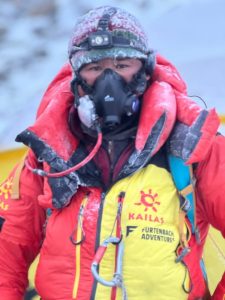
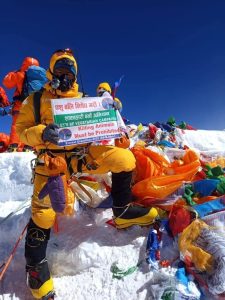
Kathmandu, May 23, 2025 — TrekHeaven.com proudly congratulates veteran mountaineer Wangda Sherpa on his fourth successful ascent of Mount Everest, the highest peak on Earth, on Jestha 10, 2082 (May 23, 2025) at 9:09 AM NST. Originally from Surke, Patle-1, Molung Rural Municipality-7, Okhaldhunga District, Wangda Sherpa now resides in Kathmandu and continues to inspire the climbing community through both his mountaineering achievements and his strong message of peace.Wangda-Sherpa-on-Everest-Summit

What sets this ascent apart is not only the altitude reached, but the values carried along the way. With a banner promoting “Let’s Be Vegetarian – Stop Animal Sacrifice”, Sherpa reached the summit with a mission larger than the mountain: to spread awareness about non-violence, compassion toward animals, and the importance of a plant-based lifestyle.

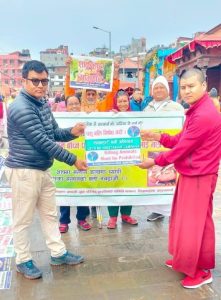
This act adds a spiritual layer to an already physically and mentally demanding feat. Wangda Dai, as he is affectionately known, is a supporter of the campaign at Pashupatinath Temple, where he has participated to raise awareness through his peaceful advocacy against animal sacrifice.

Beyond Everest, Wangda Sherpa has proven his resilience and dedication with hundreds of successful climbs of Nepal’s iconic 6,000-meter peaks, including the technically demanding Ama Dablam. His career as a climber is a blend of elite athleticism and deep moral commitment.

Family, friends, and admirers from across Nepal and the mountaineering world have extended their warmest congratulations. Among those who played a pivotal role in supporting this mission is respected animal rights monk Venerable Ang Nima Sherpa, who has tirelessly supported the vegetarian and animal rights cause.

Lets-be-Vegetarian-Campaign

As we at TrekHeaven honor Wangda Sherpa’s extraordinary achievement, we also applaud the deeper message he brought to the highest point on Earth. Mountains may be climbed, but it is the messages we carry to the summit that define the journey.

Congratulations, Wangda Sherpa! May your future expeditions be just as inspiring.

Photo Credits: Facebook of Wangda Sherpa