Home Blog Page 7

Helicopter Evacuation from EBC: Do You Really Have to Pay That Insurance Excess?

0
Heli-Evacuation-EBC
Heli Evacuation EBC

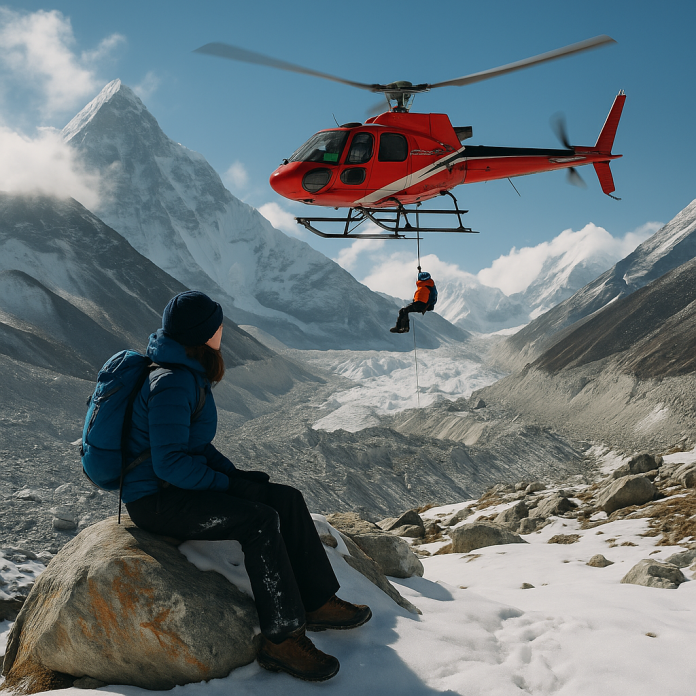
So you’ve made it to Everest Base Camp, or at least somewhere up the trail near Gorakshep, when altitude sickness strikes—or maybe a twisted ankle decides to ruin your summit dreams. Suddenly, you’re being lifted off the mountain in a chopper. A surreal experience, for sure. But once the adrenaline wears off and you’re safe in Kathmandu, another question hits hard:

“Do I have to pay that £500–£700 excess now?”

Turns out, you’re not alone in asking.

From personal stories to policy fine print, let’s break down what’s really going on with helicopter rescue insurance on the EBC trail.


The Truth About That Insurance Excess

Many travelers are surprised to find that even with top-tier travel insurance, helicopter evacuation often comes with a hefty excess fee, ranging anywhere from £500 to £700. That means if you’re heli-evacuated for a medical emergency, you might still have to fork over a few hundred pounds out of pocket—even if the rest of the bill (which can run into the thousands) is covered.

Why? In a word: fraud.

Over the past few years, Nepal’s trekking industry has struggled with evacuation scams. Unscrupulous operators have been known to fake emergencies, stage medical issues, or push unnecessary evacuations just to cash in on inflated insurance claims. In response, many insurers tightened their rules—and started adding excess fees to discourage casual or avoidable evacuations.


What Trekkers Are Actually Saying

Let’s look at some real-world feedback from recent trekkers:

  • “Everything was paid for by the insurance company, she paid the excess when leaving the hospital.”

  • “My American Express Platinum insurance covered it with just a 100€ out-of-pocket cost.”

  • “Mine is with my credit card; I’m being discharged today after a heli evac from Gorakshep. I’ll update on any excess.”

  • ⚠️ “Make sure you engage the insurance company before arranging flights. Some won’t cover it if you act independently.”

  • ⚠️ “Excess fees vary—one company offered a $700 excess with a $280 policy. Others quoted up to $2,500!”

  • “Some policies won’t cover helicopter rescue unless it’s medically necessary—and they decide what that means.”

In short, experiences vary wildly—and the devil is always in the fine print.


Key Lessons Before You Trek

Engage Your Insurance Provider Early

If you’re feeling unwell, contact your insurer as soon as possible. Some companies may refuse to reimburse a heli rescue if they weren’t involved in the decision process, especially if there’s no paper trail from a certified doctor.

Understand What ‘Medical Emergency’ Really Means

Insurers will only cover heli evacuations for legitimate medical emergencies. Feeling tired or “done” with hiking? That doesn’t cut it. Your policy probably won’t reimburse you if you simply opt to fly out early.

Check the Fine Print on Excess

Not all policies are created equal. Some credit card plans come with minimal excess. Others—especially backpacker-focused insurance companies—may charge more due to high claim rates. Shop around and compare not just the premium, but the excess and exclusions.

Document Everything

If you get a doctor’s note at the nearest health post (e.g. Pheriche or Gorakshep), keep it. Also log the time and date of any calls with your insurance company. This paper trail will be key during your claim process.


Extra Tip: Know When NOT to Use the Helicopter

Yes, helicopters are convenient. And sometimes tempting. But if you’re not in serious medical trouble, don’t treat the heli like an Uber. It’s expensive, it may not be covered, and using it when you don’t really need it makes it more expensive for everyone else in the long run—including you on your next trek.

One traveler recently commented:

“The number of trekkers I’ve seen just paying to fly out because they didn’t feel like walking anymore is astounding.”

Not judging—but be aware of the system you’re feeding into.


In Summary: Will You Pay the Excess?

Probably. Unless your plan explicitly waives it, expect a heli rescue excess in the £500–£700 range.

But that doesn’t mean you’re being scammed by your insurer. It’s a calculated response to real issues in the industry. As long as you’re covered for emergency evacuations and follow the proper procedures, you’ll still be saving thousands compared to paying full price for a private chartered rescue.


TrekHeaven’s Honest Advice

  • Always read the fine print on insurance.

  • Consider calling your insurer before you even leave home to understand how their rescue policy works.

  • If you’re trekking at altitude, it’s worth choosing a policy with low heli rescue excess, even if the premium is higher.

And remember: insurance may feel like a hassle—but when that rotor blade starts spinning above 5,000 meters, you’ll be glad you paid attention.


Helicopter Rescue Insurance Comparison for Everest Base Camp Trekkers (2025)

Insurance Provider Avg. Premium Excess Fee (Heli Rescue) Altitude Coverage Pre-Approval Required? Known For
World Nomads $150–$250 $500–$700 Up to 6,000m Yes Flexible for adventure sports & trekking
Amex Platinum Travel Included (with card) ~100€ Up to 5,500m Recommended but not required Premium travel perks, quick support
True Traveller (UK/EU) $180–$300 $100–$600 Up to 6,000m (higher optional) Yes Tailored to long-term backpackers
Allianz Global Assistance $120–$200 $250–$500 Up to 6,000m Yes Reputable global provider
IMG (Patriot Travel Medical) $110–$200 $250–$500 Up to 6,000m Yes Often used by Americans
SafetyWing $45/month ~$250 Up to 4,500m Yes Budget option, not ideal for high-altitude treks
Global Rescue (Evac Only) $119+ (Evac only) None Up to 7,620m No Evac-only, no trip interruption/travel coverage
InsureandGo (UK) $130–$200 £500–£700 Up to 6,000m Yes Popular in UK; strict on documentation

Key Considerations for EBC Trekkers

  • Altitude Coverage: Many general travel policies exclude altitudes above 4,000–5,000m unless you select a special trekking add-on. EBC sits at 5,364m.

  • Heli Rescue Specifics: Some policies cover evacuation only if it’s medically necessary and approved. Flying out “just because you’re tired” won’t be reimbursed.

  • Excess Fee Reality: A £500–£700 excess is now common among standard providers due to fraud control. However, a few premium or credit-card policies (like Amex) offer low or no excess.

  • Claim Requirements: Most insurers will ask for a doctor’s note or medical verification—especially if there’s no pre-authorization.


TrekHeaven’s Top Picks (as of 2025)

  • Best All-Around Trekking Coverage: World Nomads

  • Lowest Excess with Premium Card: Amex Platinum Travel

  • Budget Evac-Only Solution: Global Rescue

  • Best for UK Backpackers: True Traveller


Pro Tip:

Don’t wait until you’re sick at 5,000 meters to figure this out. Call your insurance provider before you trek and clarify:

  • What’s covered at high altitude?

  • Do you need a doctor’s note for heli rescue?

  • What is the exact excess fee for helicopter evacuation?

  • Are pre-existing conditions excluded?

Have you had to use a helicopter rescue in Nepal? Share your experience with us—we’d love to hear how your insurance handled it, and whether you’d recommend your provider to other trekkers.

Before the Trail Begins: The Ultimate Pre-Trek Kathmandu Experience for Every Trekker

0
A-Day-Kathmandu

Kathmandu isn’t just a starting point for your Himalayan trek—it’s a vibrant introduction to the culture, chaos, and calm that is Nepal. Whether you’re heading to Everest Base Camp, Annapurna Circuit, Langtang, or Manaslu, these few days before you lace up your boots are a golden opportunity to acclimate, rest, stock up, and soak in the rich culture that will color your entire trekking experience.

This guide isn’t about cramming in bucket-list attractions. It’s about thoughtful experiences that serve as both preparation and inspiration for the trail ahead. Here’s how to make the most of your pre-trek time in Kathmandu.


1. Immerse Yourself in Kathmandu’s Living Heritage

Kathmandu Valley is a UNESCO World Heritage goldmine. With centuries-old temples, buzzing courtyards, and sacred rituals unfolding in real time, this isn’t a city you just “see”—you experience it.

Must-visit Cultural Sites:

  • Swayambhunath (Monkey Temple): Perched on a hilltop with sweeping views of the valley, this Buddhist stupa is alive with chanting, spinning prayer wheels, and playful monkeys. It’s the perfect place to set an intention for your trek.

  • Boudhanath Stupa: This massive mandala-shaped stupa is the heart of Tibetan Buddhism in Nepal. Walk the kora (circumambulation) alongside monks and pilgrims.

  • Pashupatinath Temple: A deeply spiritual Hindu site, this riverside complex gives insight into Nepali culture and the life-death cycle. Respectful visitors can quietly observe cremation rituals from across the river.

  • Kathmandu Durbar Square: An architectural marvel and cultural hub. Walk among intricately carved wooden temples and old royal palaces. Look out for the living goddess Kumari if you’re lucky.

Want more depth? Book a licensed city guide or join a small-group heritage tour for richer context—and zero logistics stress.


2. Recharge and Realign: Wellness for Trekkers

The physical demands of trekking are no joke, so why not prime your body and soul before you start?

Recommended Wellness Activities:

  • Trekkers’ Massage & Shirodhara Therapy: Available at reputable wellness centers like Aarya Wellness and Seeing Hands, these treatments help reduce muscle tension and calm the nervous system. You’ll thank yourself on Day 3 of the trek.

  • Sound Healing or Singing Bowl Therapy: Many centers in Thamel and Boudhanath offer these meditative sound baths. It’s a beautiful way to tap into the spiritual rhythm of Nepal while grounding your pre-trek nerves.

  • Gentle Yoga Classes: Check out studios like Pranamaya Yoga or Nepal Yoga Home for Hatha or restorative yoga sessions—especially great after long flights or jet lag.


3. Eat Well, Eat Safe: Trekkers’ Food Guide

Getting “Delhi Belly” in the Himalayas is no joke, and while Nepal is improving its food hygiene game, it’s worth being cautious before your trek.

Where to Eat in Kathmandu (Safe, Delicious & Traveler-Tested):

  • Fire and Ice Pizzeria (Thamel): A long-time favorite among trekkers. Western food, high standards.

  • Kathmandu Grill: Upscale Nepali and Indian fusion with a modern vibe.

  • Avocado Café (Thamel): Vegan and vegetarian options, smoothie bowls, and clean eats.

  • Northfield Café: Peaceful courtyard dining with a solid variety of safe and tasty dishes.

  • The Momo Hut & Yangling: Great for momo (Nepali dumplings) that won’t leave your stomach in knots.

Pro Tip:

Avoid raw salads, unpeeled fruits, tap water, and ice. Stick to hot, cooked food and drink bottled or UV-filtered water.


4. Gear Up in Thamel (Or Rent Locally)

Thamel, the trekker’s basecamp in Kathmandu, is a labyrinth of gear shops, cafés, tour agencies, and trekking wisdom.

What You Can Buy or Rent:

  • Rentals: Down jackets, sleeping bags, trekking poles, duffel bags, crampons, microspikes (seasonal). Expect to pay around NPR 100–300 per item per day, depending on the quality.

  • Shops: Forclaz, Sherpa Adventure Gear, Mountain Hardwear, and local brands like Sonam Gear offer a mix of authentic and knock-off gear. Inspect carefully and test zippers!

  • Essentials: Refillable water bottles, buffs, gaiters, headlamps, base layers, power banks, and local trekking maps.

Local Tip:

Many rental shops like Shona’s Alpine, Kalapatthar Trekking Store, or Himalayan Trekkers Gear House will offer discounts if you rent multiple items. Just remember to ask!


5. Warm Up with a Hike or a Sunrise

Still have energy before your big trek? Consider these short and sweet outdoor excursions:

  • Shivapuri National Park Hike: Just an hour from Thamel, this day hike offers a peaceful forest trail and views over the valley. Perfect for breaking in boots and adjusting to elevation (up to 2,700m).

  • Chandragiri Hills Cable Car: Take a scenic ride to this hilltop for panoramic views of the Himalayas on a clear day. There’s a temple at the top and short walking trails—ideal if you want altitude without the legwork.

  • Nagarkot Sunrise or Sunset Tour: This peaceful hill station is popular for early-morning views of the snow-capped peaks. Go with a guide or driver to maximize your experience.


6. Slow Down. Soak It In.

Kathmandu can feel like sensory overload at first, but once you slow down, you’ll see the magic: the street vendors chanting mantras, the aroma of incense drifting from hidden courtyards, the mix of languages and smiles from fellow trekkers from across the world.

Use this time to:

  • Journal your intentions for the trek

  • Chat with locals or other hikers at your guesthouse

  • Grab a cup of masala chai and just people-watch

This is the heartbeat of Nepal. Take a beat before the trail begins.


Final Tips Before You Hit the Mountains

  • Cash Up: Get enough Nepalese rupees from ATMs in Thamel for the trek. Rural trails are cash-only zones.

  • SIM Card: Grab a Ncell or NTC SIM from the airport or Thamel. You’ll need your passport and a photo.

  • First Aid & Toiletries: Stock up on blister plasters, Diamox (altitude sickness), and hygiene basics. Thamel has good pharmacies and trekking medical shops.

  • Confirm Lukla Flights (If Applicable): Flights to Lukla are weather-dependent. Stay in touch with your agency or airline and have buffer days.


Before the First Step…

Prepping in Kathmandu isn’t just about gear and logistics—it’s a soul tune-up. Spend this time wisely, and the mountains won’t just challenge you—they’ll welcome you.

Happy trails, and may your journey begin with purpose and peace.

Annapurna Base Camp Trek: A Month-by-Month Breakdown

0
Solo-Around-Annapurna
Solo Around Annapurna

Unlike the Everest region, the ABC trek is at a lower altitude (max 4,130m), making it more accessible year-round. But that doesn’t mean all months are equal. Here’s what trekking ABC looks like, month by month.


January

  • Weather: Cold, especially above Deurali. Temperatures drop below freezing at night.

  • Trail Conditions: Snow and ice common near ABC; avalanche risk on final stretch.

  • Crowds: Very low.

  • Pros: Stunning clear skies, peaceful trails, snowy landscapes.

  • Cons: Risky terrain due to snow; some tea houses closed at higher altitudes.

  • Recommended For: Experienced trekkers prepared for winter conditions.


February

  • Weather: Cold but slowly warming, with more sun.

  • Trail Conditions: Snow may still cover higher trails; check avalanche risk near Machhapuchhre Base Camp (MBC).

  • Crowds: Very low.

  • Pros: Improved weather with fewer trekkers.

  • Cons: Limited facilities, snow gear may be necessary.

  • Tip: Trek with a guide for safety due to avalanche-prone zones.


March

  • Weather: Warming up; spring begins. Clear skies and pleasant days.

  • Trail Conditions: Trails are dry, flowers start to bloom, snow melting above 3,000m.

  • Crowds: Moderate, rising.

  • Pros: Rhododendron forests in full bloom, photogenic mountain views.

  • Cons: MBC-ABC section may still have ice in early March.

  • Recommended For: All levels of trekkers.


April

  • Weather: Ideal — warm during the day, cool at night.

  • Trail Conditions: Dry and stable.

  • Crowds: High.

  • Pros: Lush forests, vibrant colors, best mountain views, stable trail conditions.

  • Cons: Teahouses can be full, prices peak.

  • Tip: Start early each day to avoid traffic jams on narrow trails.


May

  • Weather: Warm with increasing humidity. Some pre-monsoon showers late in the month.

  • Trail Conditions: Mostly dry; lush greenery emerges.

  • Crowds: Moderate, tapering off later in the month.

  • Pros: Lively environment, clear mornings.

  • Cons: Cloudy afternoons, bugs and leeches appear in forest areas.

  • Recommended For: Trekkers who don’t mind a little heat and prefer fewer crowds.


June

  • Weather: Start of monsoon season.

  • Trail Conditions: Slippery and muddy; leeches common below 2,000m.

  • Crowds: Very low.

  • Pros: Green, fresh scenery and vibrant waterfalls.

  • Cons: Frequent rain, limited views, trail landslide-prone in some spots.

  • Tip: Use leech socks and carry rain gear.


July

  • Weather: Peak monsoon. Daily rain, humid.

  • Trail Conditions: Very muddy and leech-heavy.

  • Crowds: Almost none.

  • Pros: Lush vegetation and solitude.

  • Cons: Poor visibility, high landslide risk in forested sections, daily downpours.

  • Recommended For: Monsoon lovers and locals.


August

  • Weather: Rain still frequent but starts easing late in the month.

  • Trail Conditions: Wet, especially below Chhomrong.

  • Crowds: Minimal.

  • Pros: Unique green landscapes and flowers.

  • Cons: Trail maintenance is often delayed, risk of trail washouts.

  • Tip: If trekking in August, aim for the last 10 days.


September

  • Weather: Post-monsoon clearing. Humidity drops, skies begin to open.

  • Trail Conditions: Improving daily.

  • Crowds: Rising.

  • Pros: Green hills, cleaner air, early-season discounts.

  • Cons: Slippery trails early in the month; cloud cover still possible.

  • Recommended For: Trekkers who want to beat the October rush.


October

  • Weather: Best of the year — clear, dry, and comfortably warm.

  • Trail Conditions: Excellent.

  • Crowds: Peak season.

  • Pros: Panoramic views of Annapurna and Machhapuchhre, crisp mornings, perfect hiking weather.

  • Cons: Busy teahouses and trails, advanced bookings necessary.

  • Tip: Book lodges early or hire a guide who can secure rooms.


November

  • Weather: Cool, dry, and stable.

  • Trail Conditions: Perfect.

  • Crowds: High in early November, easing mid-month.

  • Pros: Great visibility, fewer trekkers than October.

  • Cons: Nights begin to get very cold.

  • Recommended For: Serious trekkers who prefer cooler trekking without the October chaos.


December

  • Weather: Cold and dry. Frost in mornings.

  • Trail Conditions: Stable until late December when snow may fall at MBC/ABC.

  • Crowds: Low.

  • Pros: Quiet, clear days, early December still very manageable.

  • Cons: Cold nights, limited amenities at high altitudes.

  • Tip: Trek early in the month for a peaceful yet scenic adventure.


Summary Table

Month Weather Crowds Trail Conditions Best For
January Very Cold Very Low Snowy/Icy at ABC Winter lovers with alpine gear
February Cold Low Icy sections Off-season hikers with safety awareness
March Cool/Sunny Medium Drying up Spring bloom seekers
April Ideal High Perfect Classic ABC experience
May Warm/Humid Medium Stable Quieter version of spring
June Wet Very Low Slippery Budget trekkers with patience
July Monsoon Very Low Muddy, leeches Solitude, not views
August Rainy Very Low Wet and misty Late-August is tolerable
September Clearing Rising Improving Best shoulder-season pick
October Ideal Peak Excellent All-around best trekking conditions
November Clear/Cold High → Low Great Stunning views, fewer people
December Cold/Dry Low Dry until late Peaceful and scenic early in the month

Final Thoughts

While October and April are the undisputed champions for ABC trekking, don’t overlook the shoulder months like March, May, and November. If you’re up for the challenge and want solitude, January, December, and even late August can offer a magical (if chilly or wet) experience.

Everest Base Camp Trek: A Month-by-Month Guide

0
EBC-Monthly-Guide

Whether you’re trekking in peak season or chasing solitude in the off-months, each time of year on the EBC trail offers a different experience. Here’s what to expect month by month.


January

  • Weather: Very cold, especially at night (down to –20°C at Gorakshep). Days are clear and sunny.

  • Trail Conditions: Snow/ice possible above Tengboche.

  • Crowds: Very low.

  • Pros: Crystal-clear skies, dramatic snowscapes, peaceful lodges.

  • Cons: Harsh cold, some teahouses may be closed, risk of frostbite.

  • Recommended For: Hardcore adventurers with excellent gear and experience in cold-weather trekking.


February

  • Weather: Slightly warmer than January but still frigid.

  • Trail Conditions: Cold mornings and nights, potential snow.

  • Crowds: Very low.

  • Pros: Good visibility, gradually improving trail conditions.

  • Cons: Limited accommodation in upper villages, cold gear essential.

  • Tip: Start trekking in late February to beat the March crowds but enjoy better weather.


March

  • Weather: Warming up, with crisp mornings and comfortable afternoons.

  • Trail Conditions: Mostly dry with melting snow in higher areas.

  • Crowds: Picking up.

  • Pros: Beautiful rhododendron blooms in lower regions, vibrant landscapes.

  • Cons: Teahouses begin filling up—book in advance.

  • Recommended For: Photographers, first-timers, and those looking to avoid April rush.


April

  • Weather: Ideal trekking weather. Warm days, cool nights.

  • Trail Conditions: Excellent. Snow mostly gone from trail.

  • Crowds: High.

  • Pros: Lush scenery, warm enough to trek in base layers by day, fantastic sunrise views.

  • Cons: Busy trails, higher teahouse prices, early bookings required.

  • Tip: Start as early in April as possible to enjoy fewer crowds and lower prices.


May

  • Weather: Still good, with increasing warmth and clouds later in the month.

  • Trail Conditions: Stable, though dust levels rise.

  • Crowds: Moderate to high early in the month, drops toward June.

  • Pros: End of peak season pricing, Everest summiting season atmosphere in base camp.

  • Cons: Occasional haze, chance of pre-monsoon showers.

  • Recommended For: Those wanting to meet expedition teams and enjoy warm trekking conditions.


June

  • Weather: Warmer, but humidity and rainfall begin to increase.

  • Trail Conditions: Slippery trails, especially after Namche.

  • Crowds: Very low.

  • Pros: Lush green hills in lower sections, discounts on rooms and gear.

  • Cons: Cloudy views, frequent rain showers, risk of landslides in lower trails.

  • Tip: If you must trek in June, go early in the month and prepare for wet gear.


July

  • Weather: Peak monsoon. Heavy rainfall, humid days.

  • Trail Conditions: Muddy, slippery, leech-prone at lower altitudes.

  • Crowds: Very few.

  • Pros: Deep green scenery, dramatic clouds, authentic teahouse experience.

  • Cons: Poor visibility, high chance of flight cancellations to Lukla, wet clothes daily.

  • Recommended For: Off-season trekkers looking for solitude and who don’t mind getting soaked.


August

  • Weather: Still monsoon, but rain starts to ease in the latter half.

  • Trail Conditions: Wet, with clearer skies emerging late in the month.

  • Crowds: Minimal.

  • Pros: Quieter trails, unique mood, waterfalls everywhere.

  • Cons: Unreliable flights, cloudy peaks.

  • Tip: Trek in the last week of August to beat September traffic while avoiding the worst of monsoon.


September

  • Weather: Clear skies return, with crisp air and ideal trekking temperatures.

  • Trail Conditions: Drying out, trail becomes stable and pleasant.

  • Crowds: Rising quickly.

  • Pros: Post-monsoon clarity, greenery still vibrant, best views start mid-month.

  • Cons: Sudden spikes in bookings, especially late in the month.

  • Recommended For: Those wanting peak-season conditions with less foot traffic than October.


October

  • Weather: The best of the year—dry, warm in the sun, and perfectly clear skies.

  • Trail Conditions: Excellent.

  • Crowds: Peak.

  • Pros: Epic mountain views, cultural festivals like Dashain and Tihar, buzzing trail energy.

  • Cons: Teahouses often full, prices higher, busy trails.

  • Tip: Book flights, lodges, and guides early. Arrive with patience for crowded dining halls.


November

  • Weather: Still great—chilly mornings and nights but clear skies.

  • Trail Conditions: Stable with some morning frost at higher altitudes.

  • Crowds: High in early November, tapering later.

  • Pros: Gorgeous sunsets, crisp air, quieter mid-to-late month.

  • Cons: Some cold-related discomfort at night.

  • Recommended For: Serious trekkers who want great weather and slightly fewer people than October.


December

  • Weather: Cold and dry. Snowfall possible by mid-to-late month.

  • Trail Conditions: Icy patches begin forming on upper trails.

  • Crowds: Low.

  • Pros: Clear skies, festive atmosphere, warm teahouse hospitality.

  • Cons: Cold nights (bring a 4-season sleeping bag), reduced teahouse services in some areas.

  • Tip: Trek in early December to enjoy post-season tranquility with relatively stable weather.


Summary Table

Month Weather Crowds Trail Conditions Best For
January Very Cold Very Low Snowy/Icy Hardcore adventurers
February Cold Low Dry/Icy Quiet trekking, start of season
March Cool Medium Improving Spring blossoms, warming trails
April Ideal High Perfect Best overall experience
May Warm Medium Dusty Expedition buzz, fewer crowds
June Warm/Wet Low Slippery Off-season deals
July Monsoon Very Low Muddy Solitude and lush landscapes
August Wet Very Low Clearing slowly Last of the monsoon
September Clear/Warm Rising Good Best balance of views and fewer trekkers
October Ideal Very High Perfect Unbeatable mountain views
November Cold/Clear High → Low Frosty mornings Best shoulder-season window
December Cold Low Icy at high alt. Peaceful, off-season charm

Final Thoughts

There’s no one “perfect” month for everyone—just the perfect month for you. Whether you prefer the high energy of peak season or the reflective silence of December snowfields, the Everest Base Camp trail has something magical to offer year-round.

What Kind of Trekking Pants Do You Actually Need for Everest Base Camp?

0
Trekking-Pants-EBC

If you’re planning the Everest Base Camp trek, you’ve likely got a gear checklist a mile long—and somewhere near the top is “trekking pants.” But do you need high-end technical trousers? How many pairs? Can you rent them in Kathmandu?

Let’s break it down.


The Reality: EBC Doesn’t Require Fancy Gear

While the Everest region is undoubtedly remote and challenging, you don’t need to overthink your trekking pants. What matters more is comfort, versatility, and smart layering—not brand names or price tags.

In fact, many experienced trekkers wear the same pants day after day with a solid base layer underneath. The trick is to pick something that works with the environment—not against it.


What Makes Good Trekking Pants for EBC?

Here’s what actually matters on the trail:

1. Quick-Drying and Breathable Fabric

You’ll sweat a lot during the day and may even get caught in light rain or snow. Cotton is a no-go. Choose synthetic or hybrid materials that dry fast and wick moisture.

2. Stretch and Mobility

EBC includes long days of hiking, stairs, and some scrambles. You need pants that move with you, not restrict you.

3. Layer-Friendly Fit

From Tengboche upwards, temperatures drop dramatically. Your trekking pants should allow for a warm base layer underneath without feeling tight or bulky.

4. Moderate Weather Resistance

A full waterproof shell isn’t necessary for most seasons, but wind resistance and a bit of water repellency can be useful at higher elevations.

5. Durability Over Style

Between yak caravans, rocky trails, and dust storms, your pants will take a beating. Prioritize toughness and function over fashion.


How Many Pants Do You Need?

Here’s what most seasoned trekkers recommend:

  • 1 good pair of trekking pants (worn every day)

  • 1 set of thermal leggings (merino or synthetic for layering)

  • 1 optional lightweight spare or camp pant (for evenings or emergencies)

  • 1 optional waterproof shell or overpant (only if you’re trekking in shoulder or monsoon seasons)

Most people wear the same outer pants every day, swapping or adding base layers as needed.


Renting Trekking Pants in Kathmandu

Don’t want to invest in trekking gear you’ll never use again? Kathmandu (especially Thamel) is full of rental shops offering almost everything you need—including trekking pants, jackets, gloves, sleeping bags, and more.

What to Know About Renting:

  • Cost: Trekking pants typically rent for around $1–2 per day.

  • Quality: Ranges from basic to high-quality knockoffs. Many rentals are decent, but some may have worn-out zippers or thinning fabric. Inspect before you rent.

  • Sizing: Can be hit or miss, especially for taller or larger-bodied trekkers. Try on before committing.

  • Availability: High during peak season (March–May, Sept–Nov), so don’t wait until the last minute if you’re particular about fit or condition.

  • Hygiene: Most shops clean gear between rentals, but it’s worth asking. Base layers are usually better purchased new for hygiene reasons.


Local and Regional Brands in Kathmandu

If you’re buying rather than renting, Kathmandu has a solid range of Nepali and regional brands offering affordable trekking gear:

Local/Regional Brands You’ll Find:

  • Kalapatthar Outdoor – Affordable, functional gear that suits most mid-altitude treks.
  • Other Labels – You’ll find a mix of locally manufactured and high-quality copies of international brands. While not original, many perform well enough for EBC if chosen carefully.

If you’re on a budget, buying one pair locally and renting the second is a great way to go.


What About Convertible or Insulated Pants?

Convertible zip-off pants can be handy in the first few days of the trek (Lukla to Namche), when it’s warm during the day. But they’re less useful higher up where it stays cold and windy.

Insulated pants (like fleece-lined) are great for evening wear at higher altitudes or for those extra-cold mornings. But they’re too warm to trek in during the day unless temperatures are exceptionally low.


Smart Layering: Your Best Strategy

Instead of buying the warmest trekking pants you can find, go with layering:

  • Lower Altitude (Lukla to Namche): Just wear your trekking pants.

  • Mid Altitude (Namche to Dingboche): Trekking pants + thin base layer in the morning.

  • High Altitude (Lobuche, Gorak Shep, Kala Patthar): Trekking pants + thick thermal leggings.

  • Evening in Teahouses: Change into a dry camp pant or pull over your insulated shell.


Bonus Tips from Trekkers on the Trail

  • Dry pants overnight: Hang them in the teahouse room. They may not fully dry, but it helps.

  • Carry safety pins or duct tape: For emergency patch-ups (especially on rentals).

  • Keep thermals separate: Use them only for sleeping and high-altitude days to stay warm and hygienic.

  • Expect dust: Go for darker colors. Light pants will look filthy by Day 3.


Final Thoughts: Don’t Overthink It

Your trekking pants are important—but they’re not your summit boots. You don’t need the most expensive pair on the market. Instead, focus on fit, breathability, and layering flexibility.

Whether you rent in Thamel, buy a good pair from a local shop, or bring something from home that you already trust, make sure it’s comfortable, tested, and versatile.

You’ll spend more time in them than almost any other piece of gear.

Trekking Clean(ish): What Hygiene Products You Actually Need on the EBC Trail

0
EBC-Hygiene-Trek

Let’s be real. You are not going to feel fresh on the Everest Base Camp trek. Showers are rare, water is icy, and every gram in your backpack counts. But that doesn’t mean you have to fully surrender to the funk.

We went deep into hiker forums, gear lists, and real trekkers’ stories to find out what hygiene products are worth their weight on the trail — and what you’ll wish you’d packed when your nose won’t stop running or your scalp turns into a biology experiment.

Spoiler: If you’re the type who brings a full-size hairdryer to a camping trip… you’re going to need a reality check. Let’s dive in.


The Absolute Essentials

These are your baseline. Don’t even think about trekking without them.

1. Toothpaste and Toothbrush
Self-explanatory. If you’re looking to save space, try toothpaste tablets. No water needed to brush and no chance of exploding tubes at altitude.

2. Toilet Paper
Yes, you can buy it along the trail, but you’ll pay 10x the price and it’ll feel like wiping with tracing paper. Pack your own. Two rolls is a solid start.

3. Wet Wipes or Compressed Towels
Body wipes or no-rinse shower wipes are lifesavers between showers. If you’re eco-conscious (and you should be), go for compressed wipes that expand with water. Lighter, cleaner, less waste. Bonus: they double as emergency TP.

4. Hand Sanitizer
Tea house bathrooms rarely have soap. Keep a small bottle of sanitizer in your pocket or day bag — your stomach will thank you.

5. Sunscreen and Lip Balm
The sun at altitude is unforgiving. You’ll need:

  • SPF 50+ for face and body

  • Lip balm with SPF (buy two, you’ll lose one)


What You’ll Be Glad You Brought

1. Moisturizer (Face + Hands)
Your skin will dry out like a raisin in a desert sauna. A small bottle of good face cream goes a long way, especially around lips, nose, and hands.

2. Deodorant (Roll-on or Crystal)
Most people go a few days between wipe-downs. Having a small roll-on or crystal stick keeps things less offensive — for you and everyone sharing your tea house room.

3. Pocket Soap or All-in-One Bars
A Sea to Summit pocket soap or all-in-one bar works for your face, body, and even your socks. Great if you actually get brave enough for a bucket shower.

4. Hair Care
Dry shampoo was a hit for some, but one trekker had the genius idea of getting her hair braided before the trek and said it stayed clean the whole time. If your hair is longer, a small brush and a few hair ties are a must.

5. A Small Towel or Collapsible Bowl
A travel towel is useful for the occasional shower, but the real pro tip? One trekker brought a foldable dog bowl to mix hot water and wash in-room. Genius.


For the Ladies

Some essentials that came up again and again:

  • Toilet wipes (gentler and smaller than baby wipes)

  • Menstrual products — Plan ahead with cups, pads, or tampons. Disposal options are limited, so be ready to pack it out.

  • Mini razor, if you care, though most didn’t bother

  • Small mirror, especially handy when wiping with your eyes closed at 2 am


Don’t Bother With…

Full-size products. They’ll weigh you down and won’t get used.

Wet wipes you’ll toss on the trail. Unless you’re 100% sure you’re packing them out or handing them to a porter to burn (which still smells awful), skip them or go with a more eco option.

Fancy scented stuff. You won’t smell it after day three, and if you do, it might just attract flies.


Trail Wisdom from the Pros

“Toothpaste. That was all. I did not wash until I got back to Kathmandu.”

“Toilet training toddler wipes. Best thing I brought.”

“I cut a bar of soap in half… wish I’d just taken a quarter.”

“Baby wipes. Two packets. Dry shampoo. Tiny deodorant. All the SPF. And don’t forget your hair ties.”


Final Thoughts

You won’t feel clean. You won’t smell clean. And honestly, that’s part of the adventure. But bringing the right hygiene products can make the difference between roughing it and suffering unnecessarily.

Pack smart. Be eco-aware. And for the love of the Himalayas, don’t leave your wipes behind.

Got your own weird but wonderful hygiene hack from the trail? Drop it in the comments. We’re always collecting tips that help keep EBC funky-free.

More Than Hired Help: How to Build Respectful Relationships with Your Porters and Guides

0
Ethical-Trekking

You may have read it in travel blogs, watched it in documentaries, or heard it from fellow trekkers—Nepal’s high-altitude treks would not be possible without the superhuman strength and quiet resilience of porters and guides. But when the trek ends and everyone flies home, what sticks around is a question that deserves more attention.

Did we treat our team as people or as just another line item on our budget?

Porters and guides are not just the engine of your Everest Base Camp journey. They are your cultural gateway, your safety net, and often, the invisible heroes who carry your load while you chase dreams under Himalayan skies.

If you’re serious about trekking responsibly and ethically, here’s your guide to building genuine, respectful, and fair relationships with the people who make your adventure possible.


Start With a Shift in Mindset

First things first. They are not your servants. This should be obvious, yet countless accounts from trekkers and locals show that the culture of servitude lingers.

Real respect starts long before the trek begins. Book your support crew through a reputable, local trekking agency that ensures proper pay, insurance, and gear for their staff. And if you’re hiring independently, ask questions. Do they have enough warm clothing? Are they being paid a daily rate or just relying on tips?

A professional guide is not just someone who walks with you. They’re your mountain encyclopedia, route planner, health checker, and sometimes your therapist at 4,000 meters. Porters are often local men and women supporting entire families, walking the same trails every season without proper recognition.


Tip Fairly, Not Emotionally

A generous tip at the end is appreciated, but it should never be a substitute for a fair wage. Many guides and porters rely on tipping as their primary income, not because it’s ideal, but because trekking companies often underpay and leave them to cover their own food, lodging, and even emergency costs.

So, what’s fair?

  • For porters: Around 500 to 700 NPR per day is considered a respectful base tip.

  • For guides: Around 800 to 1000 NPR per day or more, depending on experience and services.

Don’t wait until the end to show appreciation. Daily acts of respect—like sharing tea, offering snacks, or checking in on their health—carry just as much meaning.


Shared Meals Speak Volumes

Many trekkers assume porters and guides don’t want to join them for meals. Some even report guides refusing invitations. But dig a little deeper and you’ll find that this is often shaped by culture, pride, or company policies.

Still, several trekkers have found subtle, respectful ways to include their crew without pressure.

“We often filtered extra food from our plates onto another for our Sherpa. It was never formal, just a gesture that said we see you and value you.”

Others shared coffee or coke when they caught up with their porters mid-trail, especially when they weren’t eating together. These small touches of humanity remind your support team that they are not just walking machines in the background of your selfies.


Ask About Their Lodging and Comfort

Did you know many porters sleep in kitchens or dining rooms if rooms are full? Or that some tea houses only allow porters to eat in separate quarters?

Some guides and porters receive no accommodation support from their agency and must negotiate with tea houses on their own, sometimes begging for cheaper rates. During peak seasons, this gets even harder, and it’s not uncommon for them to be turned away or guilted into sleeping in poor conditions.

Ask your guide where your porter is staying. Advocate if something feels off. You don’t have to break protocol, but showing concern goes a long way in a system where nobody else is asking.


Learn a Few Words. They Matter.

You don’t need to speak fluent Nepali or Sherpa, but learning a few simple phrases like dhanyabad (thank you) or ramailo cha (it’s fun) can melt barriers instantly. Language is more than communication. It’s connection.


Don’t Assume They’re Okay

When your guide or porter says “I’m fine” or “I don’t need anything,” don’t always take it at face value. In Nepali culture, not burdening others is often the norm, even when someone is struggling.

Check in often. If they’re walking behind or slower than usual, ask about their health. If you’re enjoying a rest day, find out if they’re resting too, or if they’re scrambling for rooms and food.

A little empathy will go further than the best gear.


Respect Goes Both Ways

This is not about charity. It’s about mutual human respect.

The mountains strip us down. You’ll sweat, struggle, gasp, and maybe cry on the way to Everest Base Camp. And the people walking beside you, or a few meters ahead carrying your gear, are going through their own journey.

Respect is not just what you pay. It’s how you look someone in the eye, how you listen when they speak, and how you acknowledge the dignity of their work.


Final Thoughts

Building a respectful relationship with your porter or guide is not a transaction. It is a small but powerful act that reshapes how trekking works in Nepal.

In a tourism industry where profits often come at the cost of workers’ rights, your awareness, voice, and kindness matter more than you know. Be the trekker who does more than tip. Be the one who sees the person behind the pack.

The mountains will remember.

Accommodation and Food Costs on the Everest Base Camp Trek: What You’ll Really Pay

0
EBC-Cost-Breakdown

So you’re planning your epic trek to Everest Base Camp, and you’re mentally prepping for altitude, snow, yaks, and probably your personal best in stair climbing. But one thing keeps nagging at you—how much will it all cost on the trail? Especially when it comes to tea house stays and meals.

The internet loves throwing vague numbers around. “$25 a day!” “$60 per meal at Gorakshep!” “Everything’s free if you smile at the lodge owner!” (Spoiler: It’s not.) So we went one better—we sifted through real experiences shared by trekkers who’ve been there, eaten the dal bhat, and settled the bills.

Here’s your no-nonsense guide to accommodation and food expenses on the EBC trek in 2025.


🛏️ Accommodation: From Cozy Tea Houses to Basic Stone Rooms

Cost Range:

  • Low Altitude (Lukla–Namche): NPR 500–1000 ($4–8 USD)

  • Mid–High Altitude (Namche–Dingboche): NPR 1000–2000 ($8–15 USD)

  • High Altitude (Lobuche, Gorakshep): NPR 1500–3000+ ($12–25 USD)

What’s included?
Often just a simple bed. Many tea houses charge separately for everything else—from Wi-Fi and hot showers to battery charging.

“Most tea houses charge minimal room rates if you eat dinner and breakfast there—but during peak season, they won’t hesitate to charge full price if you don’t buy food or if the lodge is nearly full.”

Room Conditions:

  • Thin walls, no heating (unless you count the dining stove)

  • Shared toilets; clean varies

  • Blankets provided (but bring your own sleeping bag)

  • Altitude = less comfort. Lobuche and Gorakshep can feel like high-altitude bunkers.


🍛 Meals on the Mountain: Dal Bhat, Pizza, and Instant Noodles Galore

Meal Costs by Altitude (Typical Range):

Location Breakfast Lunch/Dinner Drinks (Tea, Coffee)
Lukla to Namche NPR 400–600 NPR 600–800 NPR 150–300
Tengboche to Dingboche NPR 600–900 NPR 800–1200 NPR 200–400
Lobuche & Gorakshep NPR 700–1000 NPR 1000–1500 NPR 250–600

“In the higher villages like Gorakshep, expect dal bhat to cost around 1200–1500 rupees. Hot water alone might set you back NPR 300.”

Food Options:

  • Dal bhat (all-you-can-eat staple)

  • Instant noodles and fried rice

  • Pancakes, eggs, and porridge

  • Chow mein, momos, basic pizzas

  • Occasional surprises (pasta with yak cheese, Snickers pie)

Hidden Tip:

“We often split larger portions with our porter when we could. Tea house servings can be big.” – Trekker, April 2025


💡 The “Unofficial” Charges That Add Up

Be ready to pay extra for things you might take for granted:

  • Hot Shower: NPR 500–1000

  • Battery Charging: NPR 300–600 per device

  • Wi-Fi: NPR 500–1000/day (if available)

  • Boiled Water: NPR 100–400/liter

  • Toilet Paper: BYO or NPR 150–200 per roll

“We paid nearly NPR 2000 just for charging phones and a camera during the whole trek.”

Pro Tip:
Bring solar chargers and power banks. Also, bring reusable water bottles and purification tablets or Steripen to avoid buying boiled water every stop.


💰 Daily Budget Estimate (For Independent Trekkers)

Budget Type Accommodation Food & Drinks Extras (Wi-Fi, shower, etc.) Total
Budget $5–10 $15–20 $5 $25–30/day
Mid-Range $10–15 $20–25 $5–10 $35–45/day
High $15–25 $30+ $10+ $50+/day

Note: If you’re with an organized trekking company, these costs may be included in your package—but keep in mind that your guides and porters might still be paying out-of-pocket for their own food and lodging unless your agency provides them a stipend (many don’t).


🤝 The Ethics Behind the Bill: What Real Trekkers Are Saying

Many discussions online touched on something deeper than just cost: fairness.

  • Some porters are charged reduced rates (or sleep in kitchens), but not always.

  • Trekking companies often don’t pre-arrange staff food/lodging—guides and porters have to hustle.

  • Tea house owners are caught in the middle, often expected to give free services in exchange for business.

“Everyone’s trying to make a living—trekkers want it cheap, companies want profit, staff want free meals, and lodges just want to feed their families.”

The takeaway? If you can afford it, tip well and ask about your porter’s living conditions. That extra cup of tea or shared snack goes a long way.


Final Thoughts: What the Trail Teaches You About Value

While the EBC trek isn’t the cheapest journey you’ll take, it’s one of the most meaningful. Tea houses may not have luxury amenities, but they offer a warm bed, hot food, and often, the kind of camaraderie you’ll remember long after the snow melts.

So yes, budget wisely, but remember: every rupee you spend feeds a family, heats a stove, or gives a tired porter a better night’s rest.

That’s money well spent.

The Cost of Cheap Trekking: Who Really Pays the Price?

0

Let’s be honest—Nepal is often marketed as a budget-friendly trekking paradise. And it is. The Everest Base Camp trail, Annapurna Circuit, Langtang Valley, and others all offer world-class trekking experiences for a fraction of what you’d pay elsewhere. But while we’re scoring budget flights and bargaining down trekking packages, there’s an uncomfortable question we often fail to ask:

Who really pays the price for cheap trekking in Nepal?

A Trekker’s Paradise, A Porter’s Struggle

From your cozy room with Himalayan views and warm daal bhat dinners to the friendly porter who seems to magically carry your 20kg duffel like it’s a school backpack—everything seems perfect. But scratch beneath the surface, and you’ll find a system riddled with silent inequalities.

Porters, the backbone of trekking in Nepal, are frequently underpaid, overburdened, and often left to fend for themselves. While many travelers assume porters and guides are provided food and lodging by trekking companies or tea houses, the reality is often very different.

Many trekking companies do not make arrangements for their staff’s food or accommodation. Instead, guides and porters are expected to pay out of pocket, negotiate their own deals with teahouses, or rely on client generosity. While some teahouses may allow them to sleep in common rooms or kitchens (often for free or at a nominal cost), this isn’t guaranteed—especially during peak season when every room is a source of income.

When “Budget” Means Exploitation

Trekkers often look for the cheapest deal possible—without realizing that low prices mean someone down the chain is getting shortchanged. Agencies often skim the majority of the trekking fee while passing on minimal wages to porters and guides, who then rely heavily on tips to make up the difference.

It’s common for porters to earn as little as NPR 1,500 (about $11, USD) per day, out of which they may need to cover their food, lodging, and gear. Given the physical demands of carrying heavy loads at high altitudes, this pay is barely enough to sustain them—let alone allow them to thrive.

The Invisible Divide at the Dinner Table

Many trekkers assume their guide and porter are eating well. But when you’re inside the teahouse dining room sipping ginger tea, your porter is likely eating a basic dal bhat meal in the kitchen or separate staff quarters. In some cases, trekkers who’ve wanted to invite their porters to dine with them have been told “they’re fine”—only to find out later that it was a matter of invisible hierarchy and expectation, not actual preference.

Some teahouses even discourage porters from entering guest areas, in order to preserve a certain “experience” for international clients. This quiet segregation can be disheartening, especially for trekkers who value human connection and equality.

Local Dynamics: Tea Houses, Tips, and Tensions

The business dynamics between guides, porters, teahouses, and agencies can be messy. In many cases, teahouses provide guides and porters with food or beds at reduced prices or for free—on the understanding that the guide will bring paying guests.

During high season, this practice creates tension: teahouse owners may feel guilted into giving up beds they could rent to paying trekkers, simply to maintain relationships with guides. Meanwhile, porters may feel pressured to secure these “free” deals in order to make ends meet.

Ultimately, everyone is trying to survive—but the burden disproportionately falls on the lowest tier of the trekking ladder.

What Can You Do as a Trekker?

If you’re reading this and feeling a little uncomfortable—good. Awareness is the first step toward change. The next step is taking meaningful action.

Here’s how to start:

1. Hire Ethically

Choose trekking agencies that pay fair wages and include food/lodging for staff. Look for certifications or ask direct questions. If they hesitate or avoid the topic, find another provider.

2. Tip Generously and Transparently

Tipping isn’t just a nice gesture—it’s a vital part of income for porters and guides. Research appropriate tipping rates and plan this into your budget from the start.

3. Include Your Porter in Small Gestures

Buy an extra cup of tea. Offer snacks. Ask where they’re sleeping. Small acts of inclusion create big shifts in morale and respect.

4. Speak Up

If you notice a guide or porter being mistreated—by an agency, a teahouse, or even other trekkers—say something. Your voice as a client carries weight.

5. Be Willing to Pay More

Better treatment, wages, and standards require funding. If we truly value ethical trekking, we need to stop chasing the lowest price and start paying what it actually costs to run a sustainable and humane operation.


Toward a Fairer Future on the Trails

Nepal’s mountains may be timeless, but the culture around trekking is evolving. Tourists today are more conscious, more compassionate, and more informed than ever. By recognizing the hidden costs of cheap trekking, we can help build a future where every person on the trail—whether carrying a backpack or a 30kg duffel—receives the respect and dignity they deserve.

It’s not about guilt. It’s about gratitude—and fairness.


Planning an ethical trek in Nepal? TrekHeaven is committed to shining light on the realities of high-altitude trekking—gear, routes, guides, and the human stories in between. Stick with us for honest, experience-backed content and practical advice.

Let’s trek better, together.

How to Train for Everest Base Camp: Real Trekkers Share What Actually Works

0
Training-for-EBC

So, you’ve circled the dates, booked your flights, maybe even snagged that new pair of trekking boots. But now the big question looms: How exactly do you train for Everest Base Camp?

The internet is full of cookie-cutter plans—“run three times a week,” “do squats,” “buy a stairmaster.” But let’s face it—this isn’t your neighborhood 5K. It’s high-altitude trekking, lung-burning ascents, and 10+ days of putting one foot in front of the other on the roof of the world. So, we turned to those who’ve been there: real trekkers who’ve walked the walk (sometimes in -20°C snowstorms) and asked them what actually worked for them.

Here’s the no-fluff, trail-tested advice that’ll get you from couch to Kala Patthar.


Start With This: EBC Is Not Everest. But It’s No Joke Either.

Everest Base Camp sits at 5,364m (17,598 ft)—higher than any mountain in most countries. You won’t need ropes or crampons, but don’t underestimate the slow burn of altitude. Most trekkers hike 5–7 hours a day for nearly two weeks, with two key acclimatization stops at Namche Bazaar and Dingboche.

Here’s what that means: You don’t need to be a marathoner. But you absolutely need endurance, strong legs, and a resilient mind.


The Top 6 Physical Training Tips (Straight from the Trail)

1. Stairs. Real Stairs. Lots of Them.

If you’re going to do one thing, do this. Stair climbing simulates the constant uphill grind of EBC better than anything else.

“I did 45 mins every other day on a stairmaster for a couple months. That was gold.” – EBC trekker, March 2024
“If you’ve got hills nearby, just climb. Rinse, repeat.” – Solo hiker, Namche-Bazaar veteran

Bonus tip: Don’t just go up. Descending is where people blow their knees. Practice downhills too.

2. Train With a Weighted Daypack

Your pack might not seem heavy at first, but 6 hours in, that water bottle turns into a dumbbell.

“I did weekend hikes with a 15kg pack in the hills. It made a huge difference above Dingboche.” – Trekker from New Zealand

3. Weekly Long Hikes

Flat or hilly, doesn’t matter. Your legs need to get used to moving for hours.

“Every weekend I hiked 5–7 hours. That kind of endurance training made the trail feel doable.”

4. Cardio That Doesn’t Bore You to Death

Running, HIIT cycling, swimming, trail jogging—whatever gets your heart pumping.

“I ran 3x a week, built up to 45 minutes. In the last month, I switched to hikes instead.”
“Cycling and singing while running helped build my lungs and focus on breathing.” – Not kidding, that one’s legit.

5. Trek at Altitude If You Can

Nothing prepares you for altitude… like altitude. If you live above 2,000m or can visit a high-altitude area, take advantage of it.

“Hiked at 3,000m in Utah and then Peru. My body adjusted faster on the real trek.”

6. Strengthen Ankles and Knees

Rough trails mean unstable footing. Build stability with uneven terrain, stairs, or agility drills.


Don’t Forget Mental Training: It’s 70% in Your Head

The altitude plays with your mind as much as your lungs. One day you’re feeling strong, the next you’re dizzy at breakfast.

“Mental toughness is crucial. I trained for a month, ran an hour every morning and evening, but it was my mindset that pulled me through the toughest days.” – Rock climbing trainee from Kathmandu

“Take it slowly-lowly—as the Kilimanjaro guides say. Hike your own hike and don’t race.”


Final Prep Tips That Most People Forget

  • Break in your boots. No exceptions. Even if they feel “comfortable,” do at least 30 miles in them first.

  • Hydrate like it’s your job. Practice drinking 3–4L of water per day while training.

  • Use trekking poles while hiking. They save knees and improve balance.

  • Train for rest days too. Not physically, but emotionally. You’ll be forced to stop and acclimatize. Patience is part of the deal.

  • Pack snacks. Trail energy is real energy. Your body burns calories like a furnace above 4,000m.


Ready to Summit (Mentally, At Least)?

You don’t need to be a mountaineer, ultramarathoner, or CrossFit addict to trek to Everest Base Camp. But you do need a plan, some sweat equity, and a good dose of humility. Real trekkers have done it before you—with simple but consistent training.

Start today. One flight of stairs, one loaded backpack walk, one long hike this weekend. Before you know it, you’ll be standing at the foot of the world’s tallest mountain, smiling through your windburn.

See you on the trail.